
&imwidth=800&imheight=600&format=webp&quality=medium "Iraq’s oil industry sees surge in Chinese investment amid western retreat")
China’s independent oil companies are making a significant push into Iraq’s oil sector, with plans to double their output in the country to 500,000 barrels per day (bpd) by 2030. This surge in activity comes as Iraq, the second-largest oil producer in OPEC, looks to attract new investments and meet ambitious production goals. These smaller Chinese firms, led by veterans of China’s major state-owned energy giants, are capitalising on lucrative contract terms and lower operational costs.
China National Petroleum Corporation (CNPC), which currently dominates Iraq’s oil output, controls over half of the country’s production at major fields such as Haifaya, Rumaila, and West Qurna 1. However, the latest influx of smaller, privately run Chinese firms into Iraq is shifting the landscape. Companies such as Geo-Jade Petroleum, United Energy Group, Zhongman Petroleum, and Anton Oilfield Services have won significant exploration licenses and are now betting on Iraq’s improved investment climate and growing political stability.
A changing landscape for Iraq’s oil industry

The transition to profit-sharing contracts, implemented by Iraq’s oil ministry a year ago, has proven to be a key factor in attracting smaller Chinese firms. These new agreements offer greater financial flexibility compared to the previous fixed-fee contracts, which were more common during the era of major Western oil players like ExxonMobil and Shell. Smaller Chinese firms are also proving to be more nimble and cost-effective in their operations, with a reputation for rapid project execution, strict adherence to timelines, and a higher risk tolerance.
Chinese companies are reducing drilling costs, with prices now half what they were a decade ago. Executives say that these firms can develop an oilfield in as little as two to three years, much faster than their Western counterparts, who typically require five to ten years. “Chinese independents have much lower management costs compared to Western firms and are also more competitive versus Chinese state-run players,” Dai Xiaoping, CEO of Geo-Jade Petroleum, told Reuters.
One of the notable projects being led by Geo-Jade is the South Basra project, which involves revitalising the Tuba field in southern Iraq and expanding its production capacity to 100,000 bpd by mid-2027. This project will also include a refinery and petrochemical complex, with investments totalling billions of dollars.
Trending Stories
)
BRICS Summit 2026: Global leaders of BRICS nations attend main open session
)
Houthis launch cross-border strike on Saudi Arabia as Yemen war escalates
)
Why asking questions could be more important than memorising answers
)
BRICS Summit 2026: PM Modi addresses Day 2 of 18th BRICS summit
)
IND vs AFG, 1st T20I: When and where to watch live streaming in India?
)
Why going digital does not always mean becoming more efficient
)
Migration protests return to Portsmouth as rival demonstrations face off
)
PM Modi and China's Xi offered to help resolve Russia-Ukraine war: Kremlin
)
War is making Russia stronger? How Ukraine is shaping Moscow’s next generation of weapons
)
Could staying indoors all day affect your health?
)
Humans may lose control of AI: Anthropic CEO calls for slowdown, Altman, Musk back him
)
BRICS Summit 2026: PM Modi, Xi reach key consensus on ties, China to assume BRICS chairmanship in 2027
)
Bigg Boss 20: Qazi Touqeer gets a special ‘rockstar’ moment from Salman Khan
)
800 million years old - Scientists discover 'fingerprints' of supercontinent Gondwana in ancient rocks
)
Top 5 places to visit in Goa beyond its famous beaches
)
Osama Bin Laden ‘planned’ to target India, CIA reveals dozens of declassified documents
)
BRICS Summit 2026: PM Modi to hold bilateral with leaders of seven countries
)
BRICS Summit 2026: Consensus on joint declaration, diplomatic win for India
)
BRICS Summit 2026: Chinese president Xi Jinping departs from New Delhi after attending BRICS summit
)
'He is popular...': Malaysian PM Anwar Ibrahim's praise for PM Modi during bilateral meeting | WATCH
)
How does the loss of forests affect the way wildlife lives and moves?
)
Trump says Canada eager to reach a deal, it could come ‘fairly soon’ if Ottawa treats US farmers better
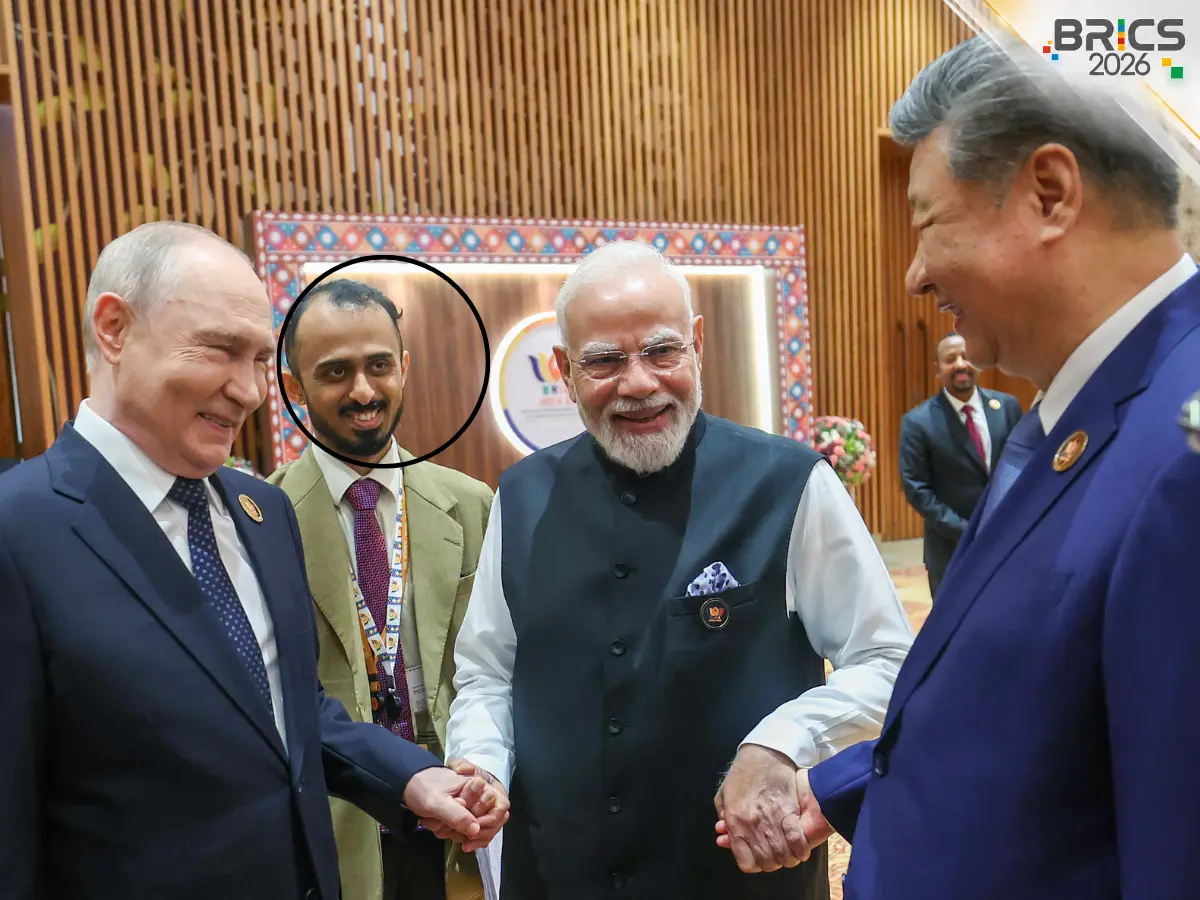)
Who is the smiling man beside Modi, Putin and Xi at BRICS Summit 2026?
)
Why does your skin need protection from UV rays?
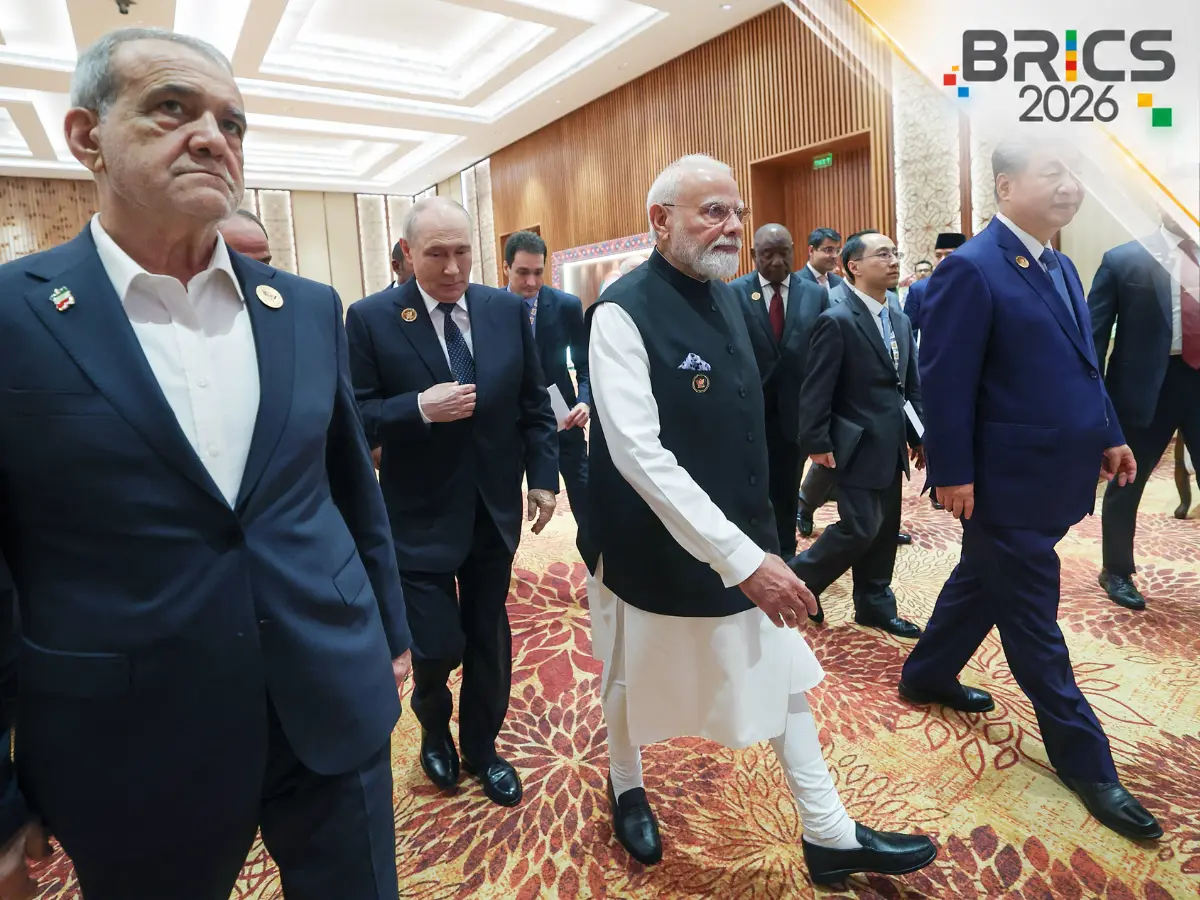)
'Iran won't surrender': Pezeshkian sends blunt message to US while attending BRICS Summit in India
&im=FitAndFill=(700,400))
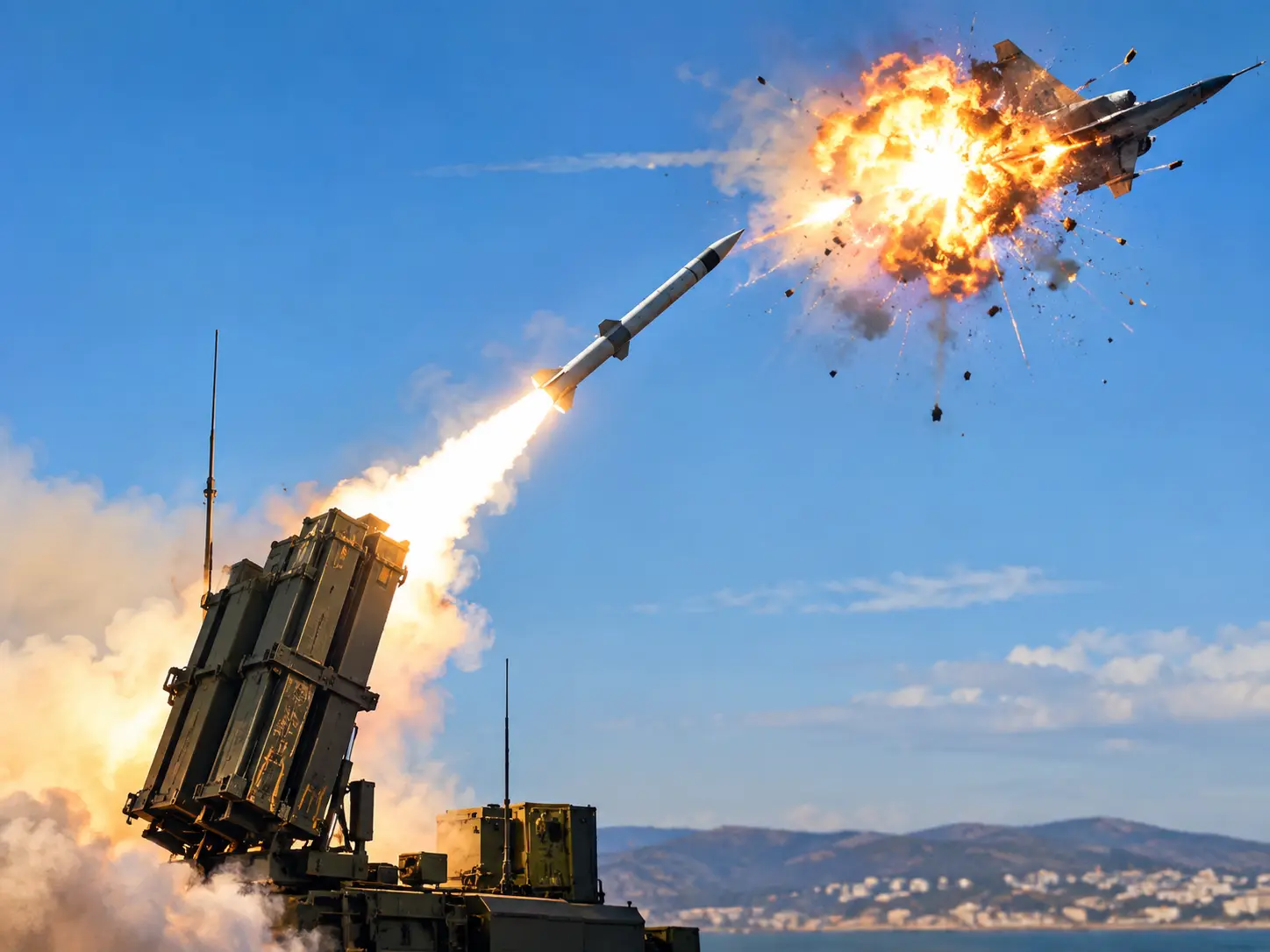
Why do air defence missiles explode near their target instead of hitting it?
&im=FitAndFill=(700,400))
Why Chinese PL-15 air-to-air missiles use dual-pulse motors compared to European interceptors
)
Ramanathaswamy temple takes centre stage as PM Modi welcomes world leaders at BRICS
)
BRICS Summit day 1: New Delhi declaration adopted with full consensus, big diplomatic win for India
)
Why dehydration is the hidden cause of travel fatigue on long flights
)
Did Iran President Pezeshkian touch feet of Hindu spiritual leader at Delhi event as shown in viral video?
)
Celine Dion makes emotional stage comeback after six years: 'I'm so delighted to see you'
&im=FitAndFill=(700,400))
Meet top 5 batters fastest to 3000 runs in T20Is
)
9-year-old Chennai prodigy clears Cambridge IGCSE grade 10 exams
)
Why do wild animals need quiet places to survive?
)
‘Partners, not rivals’: Xi outlines four point plan for stronger India-China ties
)
Why does your body need time to adjust after a long journey?
)
From severe mobility problems to recovery: Madhuri the elephant’s journey of wildlife care
Challenges ahead for Chinese firms
While China’s smaller oil firms are helping to drive down industry costs, there are concerns regarding transparency and the use of Chinese labour in Iraq. Former Basra Oil operations manager Muwafaq Abbas raised concerns about the technical standards and reliance on Chinese staff, which has often left local Iraqi workers in lower-paying positions. Despite these challenges, Iraq remains keen to bolster its oil output, with a goal of increasing production to over 6 million bpd by 2029.
Though Chinese companies are making significant strides in Iraq, some Western firms are returning to the market. TotalEnergies, for example, announced a $27 billion project in 2023, and BP is expected to invest up to $25 billion in the redevelopment of fields in the Kurdish region.