Iran feels the heat of fresh sanctions, Tehran says can withstand pressure

&imwidth=600&imheight=450&format=webp&quality=medium "Iran feels the heat of fresh sanctions, Tehran says can withstand pressure")
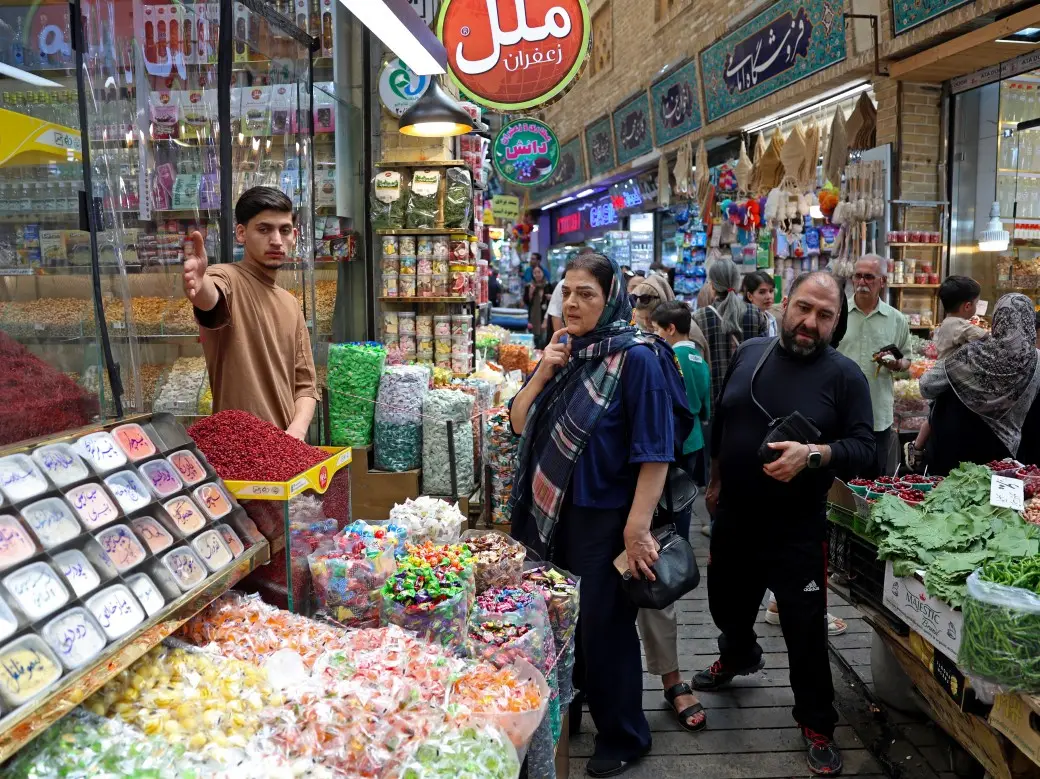
People shop for produce at the historic Tajrish bazaar in northern Tehran, on August 25, 2026. Photograph: (AFP)
For businesses in Iran, that uncertainty matters. Importers face higher costs, while retailers have to decide how much of that increase can be passed on to customers already dealing with economic pressure.
Iran is facing fresh US sanctions aimed at putting more pressure on its already strained economy. In the southern port city of Bandar Abbas, shopkeepers say the impact is being felt directly through higher exchange rates, rising costs and pressure on everyday livelihoods.
But Tehran says it can withstand the pressure, and is counting on major trading partners such as China and Russia to keep doing business with Iran. At the same time, the Strait of Hormuz remains at the centre of the crisis, disrupting a vital global shipping route.
For Iranian consumers, the sanctions story is ultimately about something much closer to home, the cost of living. Shopkeepers in Bandar Abbas say the fall in the value of the Iranian currency and restrictions on trade are making imported goods more expensive and putting pressure on household budgets.
Qasem Shoja, a home appliance salesperson, said, "Under any circumstances, sanctions do inflict blows. The rise in the exchange rate affects life and livelihood, but ultimately, we are Iranians, and Iranians know how to bypass sanctions well."
The latest US measures were announced on August 24 by Treasury Secretary Scott Bessent. Washington says countries that continue trading with Iran could eventually risk losing access to the dollar-based financial system.
But the new measures stopped short of the most severe options, and the US has not given a timeline or named countries that could be targeted.
Trending Stories
)
)
)
)
)
)
)
)
)
)
)
)
)
)
)
)
)
)
)
)
)
)
)
)
)
)
)
)
)
)
)
)
)
)
&im=FitAndFill=(700,400))
)
)
)
)
For businesses in Iran, that uncertainty matters. Importers face higher costs, while retailers have to decide how much of that increase can be passed on to customers already dealing with economic pressure.
Omid Baghapour Darayaee, a clothing store owner, said, "In the way that we are under pressure, we are 100% distressed. The youth have many grievances against the officials who, really, really in my opinion, they are traitors. Why? Because they truly do not attend to the people's suffering. To me, being a responsible official means that the person should not rest. They should have iron shoes on their feet and be in the middle of the field, alongside the people."
Iran, meanwhile, says sanctions will not force it into isolation. Officials have expressed confidence that major trading partners will resist Washington’s pressure, while shopkeepers say Iranians have learned to work around sanctions.
And there is another major economic pressure point: the Strait of Hormuz. Most shipping through the Strait has been disrupted during the conflict.
Iran and Oman said Tuesday they had discussed a joint temporary navigation corridor and a plan to clear mines from the Strait.
Qasem Shoja also said, "The Strait of Hormuz is our home. It must remain closed unless we permit it, unless it is with our cooperation. We are the ones who, throughout these many years, have demonstrated Islamic clemency to the world and they took their oil for free, they took their goods; now they must interact with us."
So, while the sanctions are designed as a tool of economic pressure on Tehran, their effects are also being felt by ordinary businesses and consumers, through currency volatility, trade disruptions and the rising cost of goods. And with Hormuz carrying such a large share of global energy shipments, what happens next could extend well beyond Iran’s borders.
