Intel gets $2 billion SoftBank lifeline as chipmaker struggles for AI relevance

&imwidth=600&imheight=450&format=webp&quality=medium "Intel gets $2 billion SoftBank lifeline as chipmaker struggles for AI relevance")
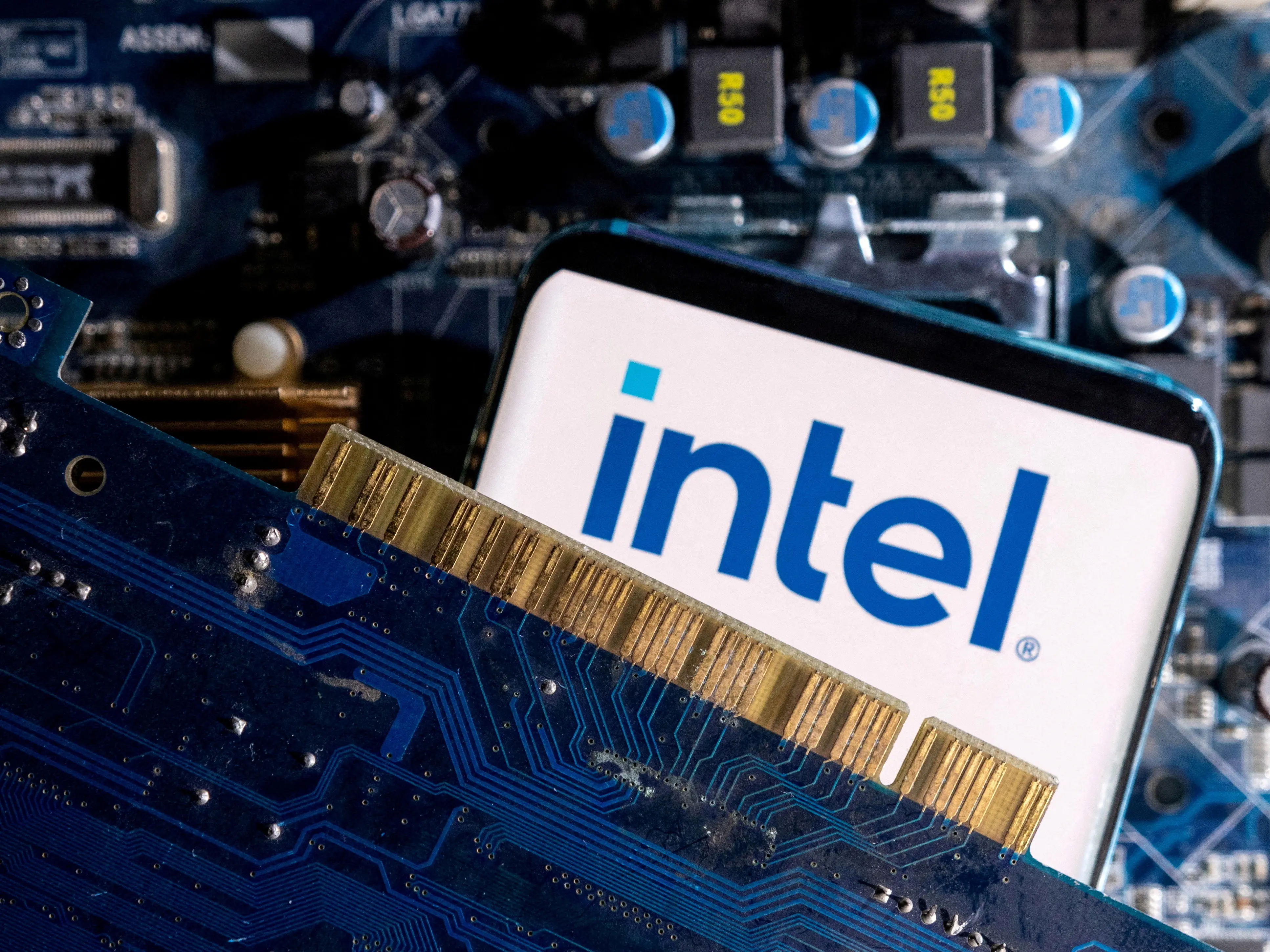
Intel logo seen between chips in this illustration. Photograph: (Reuters)
Intel has landed a $2 billion equity investment from Japan’s SoftBank Group, making the Japanese giant one of its top-10 shareholders.
Intel has secured a $2 billion equity investment from Japan’s SoftBank Group, marking a major vote of confidence in the US chipmaker’s turnaround efforts. The deal, announced on Monday, comes as Intel struggles to regain its footing in the artificial intelligence (AI) chip race after years of missteps. The fresh capital injection will make SoftBank one of Intel’s top-10 shareholders, according to Reuters. The Japanese investment giant is paying $23 per share, slightly below Intel’s Monday closing price of $23.66. Based on Intel’s market capitalisation, the purchase translates into a stake of just under 2 per cent, making SoftBank the company’s sixth-largest investor.
The deal adds to SoftBank’s sweeping AI ambitions, which include its $500 billion Stargate data centre project in the US. Despite the size of the investment, SoftBank will not take a board seat at Intel nor commit to buying its chips, Reuters reported.
Market reaction and White House backdrop
News of the deal pushed Intel shares up 5.6 per cent in after-hours trading, while SoftBank’s stock dropped more than 5 per cent on Tuesday.
The announcement also comes days after reports that the US government may itself buy a stake in Intel. Bloomberg reported that Washington is considering taking up to a 10 per cent holding after a recent meeting between Intel’s new CEO Lip-Bu Tan and President Donald Trump. Trump has been critical of Tan’s past ties to Chinese firms, though sources told Reuters that SoftBank’s investment is not connected to the White House’s discussions.
SoftBank CEO Masayoshi Son described the deal as a strategic bet on America’s semiconductor base, saying the group believes “advanced semiconductor manufacturing and supply will further expand in the United States, with Intel playing a critical role,” as quoted by Reuters.
Trending Stories
&imwidth=280&imheight=210&format=webp&quality=medium)
&imwidth=280&imheight=210&format=webp&quality=medium)
&imwidth=280&imheight=210&format=webp&quality=medium)
&imwidth=280&imheight=210&format=webp&quality=medium)
&imwidth=280&imheight=210&format=webp&quality=medium)
&imwidth=280&imheight=210&format=webp&quality=medium)
&imwidth=280&imheight=210&format=webp&quality=medium)
&imwidth=280&imheight=210&format=webp&quality=medium)
&imwidth=280&imheight=210&format=webp&quality=medium)
&imwidth=280&imheight=210&format=webp&quality=medium)
&imwidth=280&imheight=210&format=webp&quality=medium)
&imwidth=280&imheight=210&format=webp&quality=medium)
&imwidth=280&imheight=210&format=webp&quality=medium)
&imwidth=280&imheight=210&format=webp&quality=medium)
&imwidth=280&imheight=210&format=webp&quality=medium)
&imwidth=280&imheight=210&format=webp&quality=medium)
&imwidth=280&imheight=210&format=webp&quality=medium)
&imwidth=280&imheight=210&format=webp&quality=medium)
&imwidth=280&imheight=210&format=webp&quality=medium)
&imwidth=280&imheight=210&format=webp&quality=medium)
&imwidth=280&imheight=210&format=webp&quality=medium)
&imwidth=280&imheight=210&format=webp&quality=medium)
&imwidth=280&imheight=210&format=webp&quality=medium)
&imwidth=280&imheight=210&format=webp&quality=medium)
&im=FitAndFill=(700,400)&imwidth=280&imheight=210&format=webp&quality=medium)
&im=FitAndFill=(700,400)&imwidth=280&imheight=210&format=webp&quality=medium)
&imwidth=280&imheight=210&format=webp&quality=medium)
&imwidth=280&imheight=210&format=webp&quality=medium)
&imwidth=280&imheight=210&format=webp&quality=medium)
&imwidth=280&imheight=210&format=webp&quality=medium)
&imwidth=280&imheight=210&format=webp&quality=medium)
&imwidth=280&imheight=210&format=webp&quality=medium)
&imwidth=280&imheight=210&format=webp&quality=medium)
&imwidth=280&imheight=210&format=webp&quality=medium)
&imwidth=280&imheight=210&format=webp&quality=medium)
&imwidth=280&imheight=210&format=webp&quality=medium)
Intel’s mounting challenges
For Intel, the funding is a lifeline. The company posted a $18.8 billion loss in 2024, its first annual loss since 1986. Rival AMD has steadily chipped away at its dominance in the personal computer and server markets, while Taiwan’s TSMC continues to lead in contract chip manufacturing.
Intel’s costly plan to build a foundry business that could rival TSMC has struggled to take off. According to Reuters, the company is now considering a significant shift in its contract chip strategy in a bid to attract big customers, though such a move could be expensive.
Industry analysts say Intel’s position as both a designer and manufacturer of chips could still prove decisive. “Intel’s dual role as designer and manufacturer uniquely positions it as potentially the best platform in the US to compete with TSMC,” Charu Chanana, chief investment strategist at Saxo, told Reuters.
SoftBank’s AI spree
SoftBank’s investment in Intel is part of a larger wave of high-profile bets this year. The Japanese firm has already committed $30 billion to OpenAI and is backing the Stargate project, which will see massive data centres built across the US. As part of that project, Taiwan’s Foxconn said on Monday it would manufacture data centre equipment with SoftBank at its Ohio facility, formerly an electric vehicle plant.
Intel’s partnership with SoftBank offers short-term financial relief, but its long-term revival will hinge on whether it can finally compete in the AI chip market — a race where Nvidia and TSMC are already far ahead.
(With inputs from the agencies)