India's Education Budget: Can 2024 deliver on a decade of transformation?


FILE PHOTO
As India awaits its 2024 budget, all eyes are on the education sector. Will the decade-long transformation that has seen a 64% budget increase and a shift from teacher shortages to skill development, research, and internationalisation continue? Will it stay on track to fulfil the ambitious promise of the National Education Policy (NEP) 2020?
Since 2014, the Modi government's approach to education has evolved in three distinct phases:
Buildingfoundations(2014-2016)

The initial focus was on addressing immediate needs. Teacher training programs tackled the critical problem of staff shortages, while "CLICK" classrooms and the School Assessment Programme aimed to improve quality and access. Skill development initiatives like Pradhan Mantri Kaushal Vikas Yojana (PMKVY) laid the groundwork for future workforce preparedness.
Expanding horizons(2015-2019)
Higher education took centre stage with increased funding for research, new institutes, and the modernisation of secondary schools. The Higher Education Funding Agency (HEFA) and "Study in India" schemes aimed to strengthen infrastructure and attract foreign students. Initiatives like the National Testing Agency and online courses like SWAYAM emphasised quality control and digital access.
&imwidth=180&imheight=135&format=webp&quality=medium)
Arizona congressional candidate claims she was sexually assaulted while repairing signs
&imwidth=180&imheight=135&format=webp&quality=medium)
Thai Actors Fourth Nattawat, Gemini Norawit face racism accusations from Indian fans over viral Bollywood act
&imwidth=180&imheight=135&format=webp&quality=medium)
Russia president Putin promises to 'do everything' to help settle Middle East conflict as US-Iran negotiations stall
&imwidth=180&imheight=135&format=webp&quality=medium)
Pakistan denies reports of PAF jets being used in attacks against Iran-backed Houthis in Yemen
&imwidth=180&imheight=135&format=webp&quality=medium)
KATSEYE’s Sophia Laforteza to return in 2027 after hiatus, agency issues statement
&imwidth=180&imheight=135&format=webp&quality=medium)
Trump has a new 'enemy': Anyone who calls it 'artificial intelligence'. Here's what we wants instead
&imwidth=180&imheight=135&format=webp&quality=medium)
'Nidal Hasan's firing-squad execution to be livestreamed', says Pentagon; first US military execution since 1961
&imwidth=180&imheight=135&format=webp&quality=medium)
Atlantic hurricane Isaias could make landfall as a strong Category 2 storm, tornado warnings issued
&imwidth=180&imheight=135&format=webp&quality=medium)
‘Never-ending flow of cheap labour’: JD Vance hits back at Indian-origin Congresswoman over US green card curbs for major tech companies
&imwidth=180&imheight=135&format=webp&quality=medium)
Air India, Air India Express increase fuel surcharge on domestic, international flights amid rising ATF costs
&imwidth=180&imheight=135&format=webp&quality=medium)
AUS vs SA: 'That's fine,' says Cummins on Khawaja's book contents about Sandpapergate
&imwidth=180&imheight=135&format=webp&quality=medium)
'Understood consequences of a few mistakes': Ishan Kishan reflects on journey back to India team
&imwidth=180&imheight=135&format=webp&quality=medium)
India at UN: Pak allows terror groups to operate from its soil
&imwidth=180&imheight=135&format=webp&quality=medium)
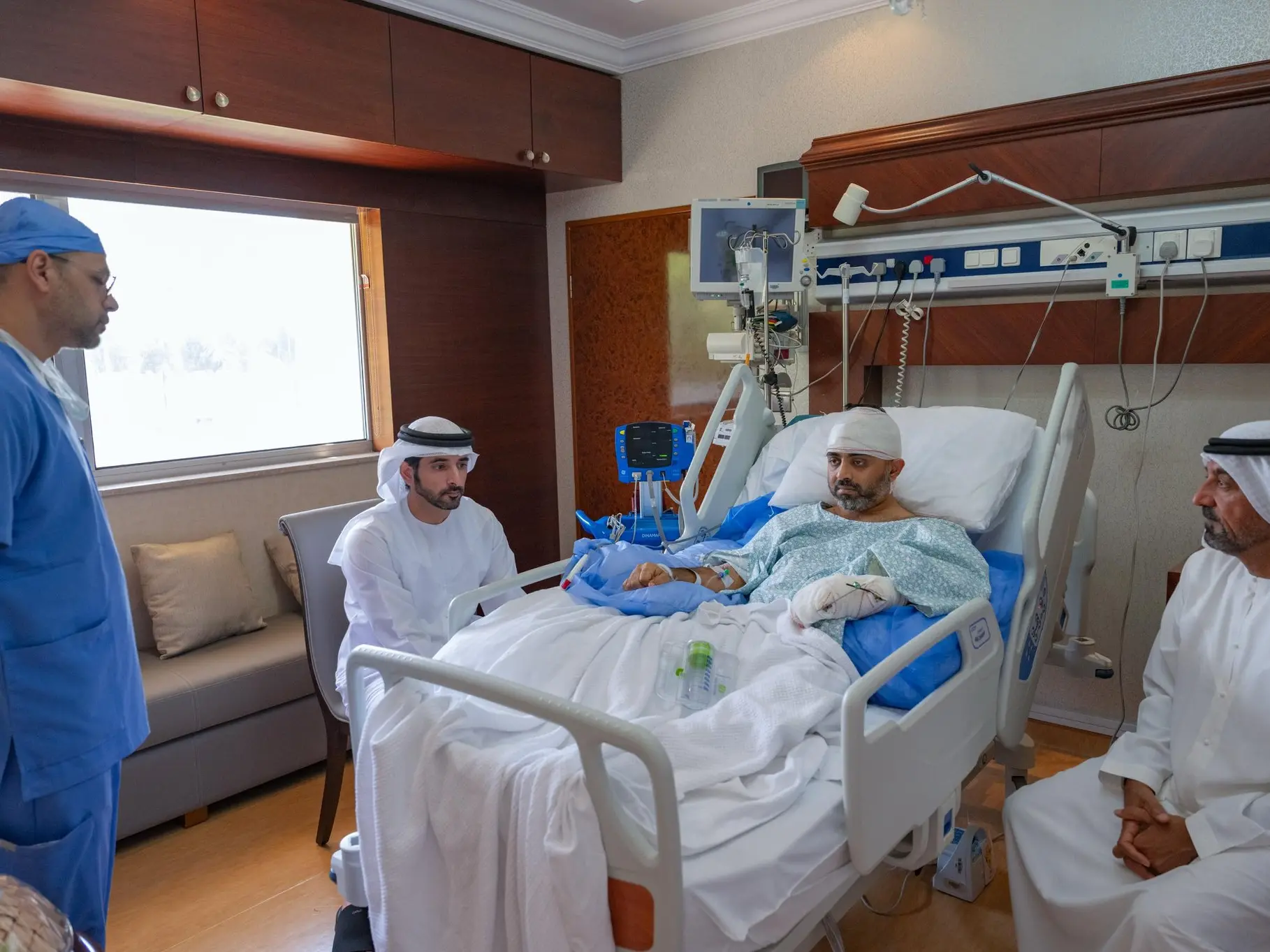
Flydubai flight attack: Indian pilot Smit Machchhar to receive Israel's highest civilian bravery award for saving 174 lives
&imwidth=180&imheight=135&format=webp&quality=medium)
Scientists find highly radioactive nuclear particles at Chernobyl 40 years after the disaster
&imwidth=180&imheight=135&format=webp&quality=medium)
Captain Smit Machchhar on feet again, walks 10 steps as recovery continues after Flydubai flight attack
&imwidth=180&imheight=135&format=webp&quality=medium)
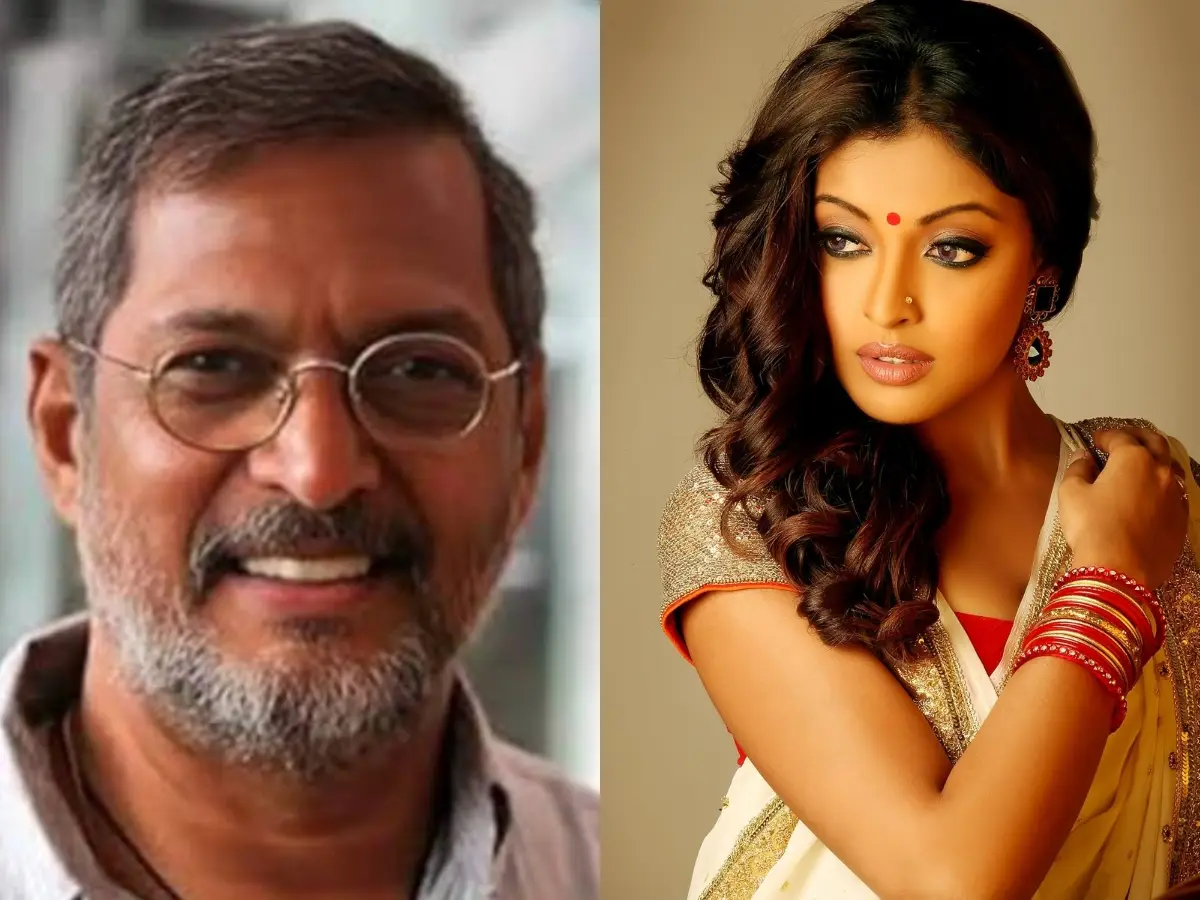
Nana Patekar's #MeToo controversy: From Tanushree Dutta’s allegations to court ruling
&imwidth=180&imheight=135&format=webp&quality=medium)
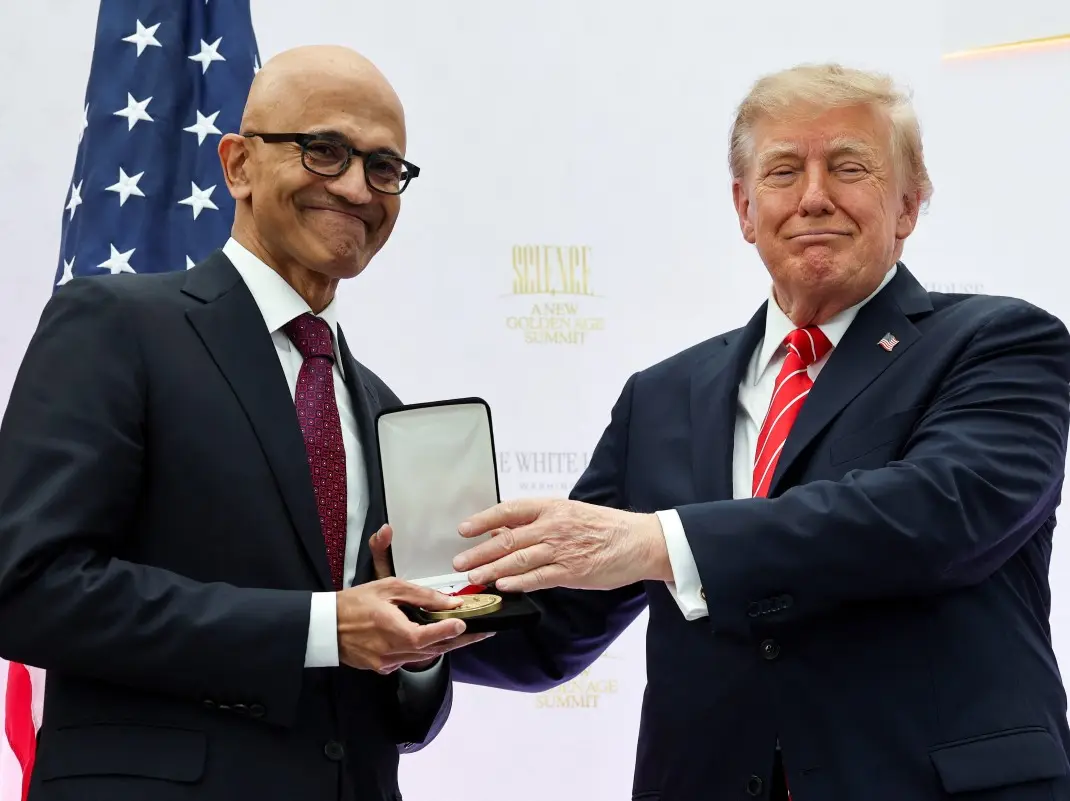
Trump honours Microsoft CEO Satya Nadella with top technology honour amid immigration scrutiny
&imwidth=180&imheight=135&format=webp&quality=medium)
SC asks Centre to frame mechanism against unethical pharma marketing practices
&imwidth=180&imheight=135&format=webp&quality=medium)
‘Wait till you discover the other guy’: Rahul Gandhi takes a swipe as Musk's 'Ambani real boss of India' remark triggers X subscription cancellations
&imwidth=180&imheight=135&format=webp&quality=medium)
Trump's naked 23-karat gold statue unveiled near European Parliament
&im=FitAndFill=(700,400)&imwidth=180&imheight=135&format=webp&quality=medium)
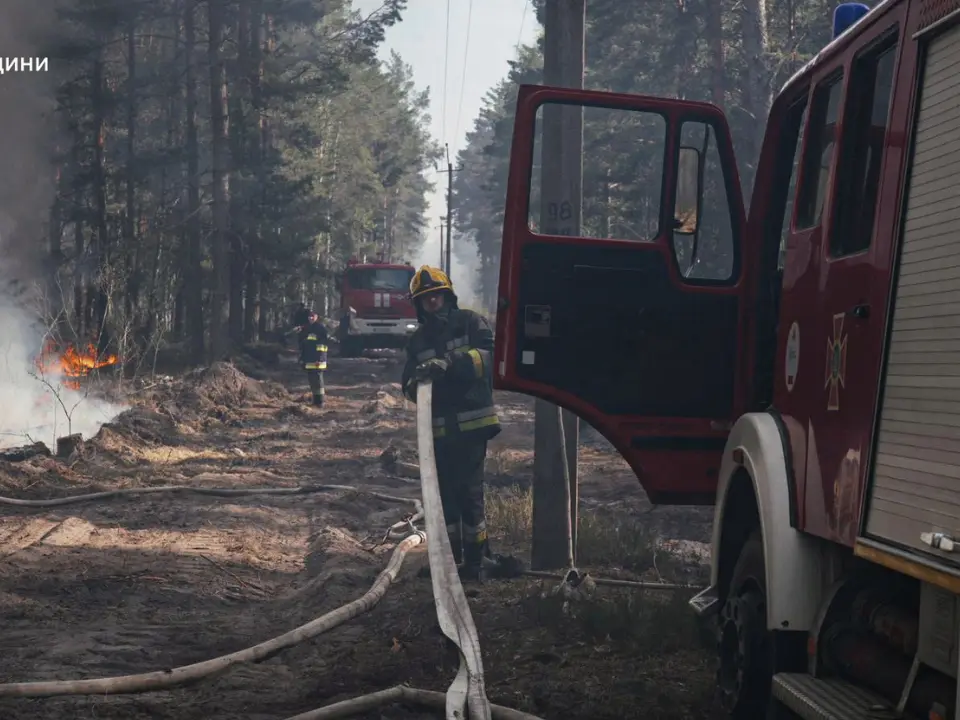
From Kramatorsk buses to Yandex fire: Russia-Ukraine war in the last 48 hours
&im=FitAndFill=(700,400)&imwidth=180&imheight=135&format=webp&quality=medium)
Fastest-growing Asian economies in 2026: Who tops the chart? Where does India rank?
&imwidth=180&imheight=135&format=webp&quality=medium)
OpenAI shuts down Russian, Iranian influence operations using ChatGPT to spread propaganda
&imwidth=180&imheight=135&format=webp&quality=medium)
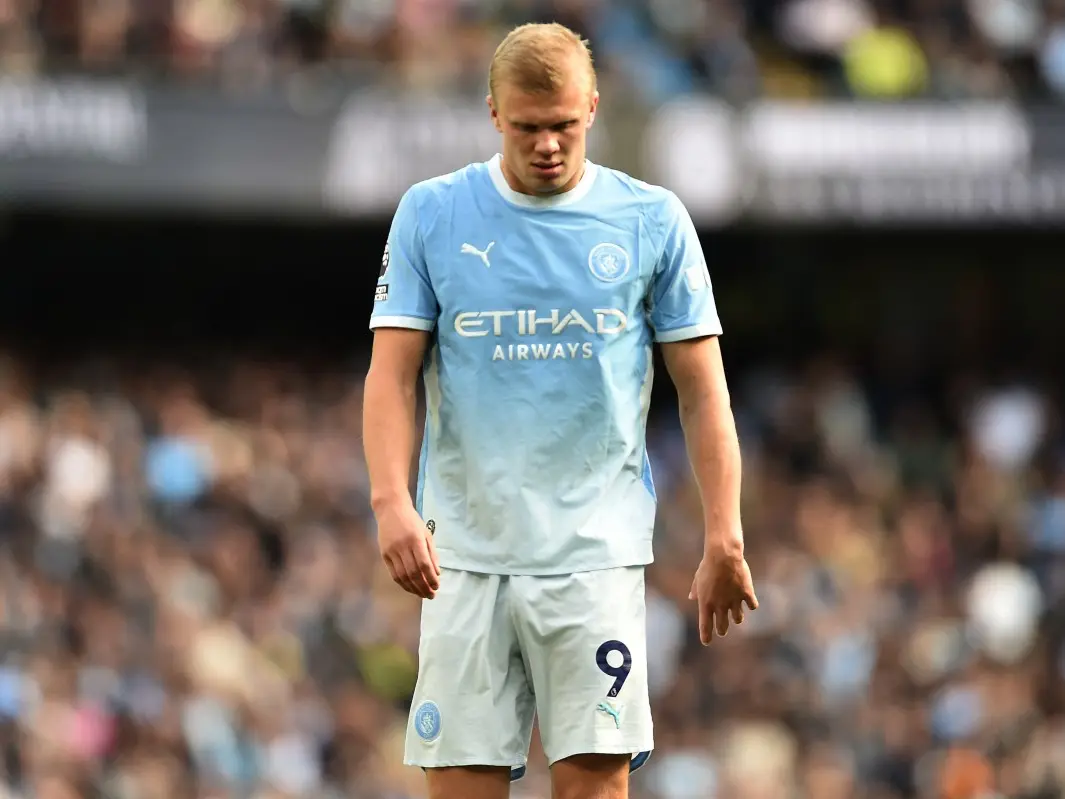
Premier League: Haaland wants Manchester City to 'try to enjoy the situation and win the game'
&imwidth=180&imheight=135&format=webp&quality=medium)
A Love Other Than Yours: The temptation to cheat and what pushes people over the edge
&imwidth=180&imheight=135&format=webp&quality=medium)
Who is Nana Patekar's wife Neelakanti? The bank officer who earned Rs 2,500 when he earned Rs 50
&imwidth=180&imheight=135&format=webp&quality=medium)
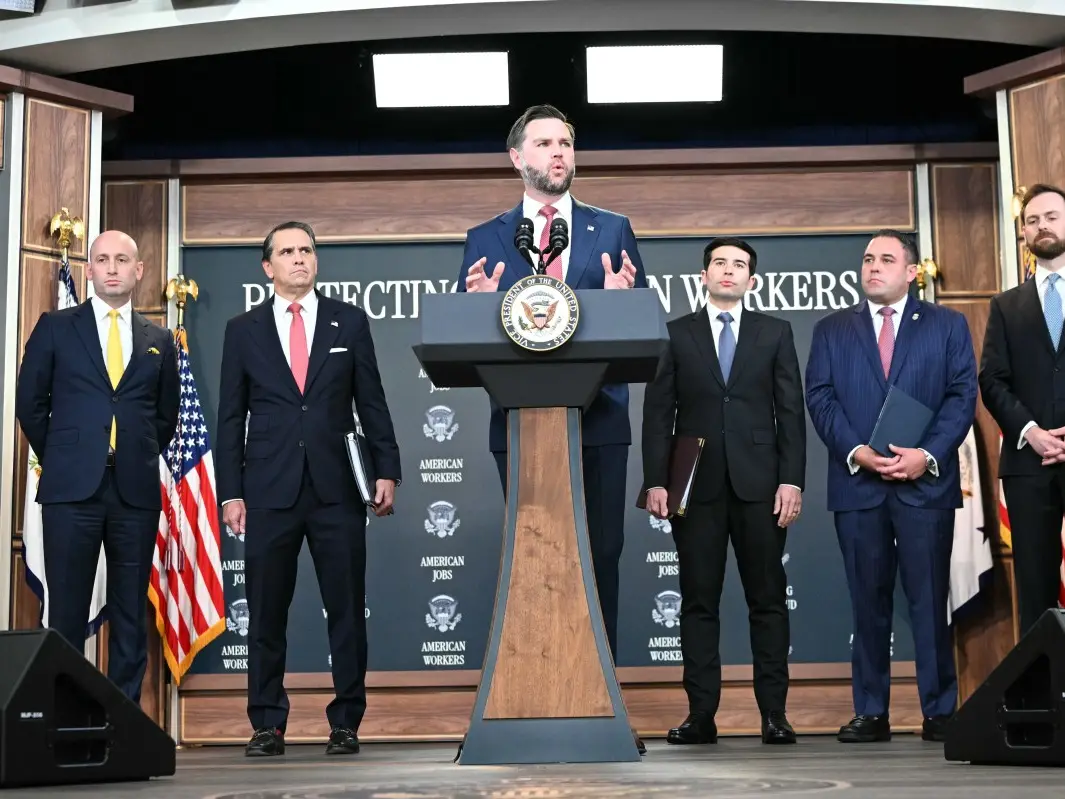
US suspends Microsoft, Infosys, Tata, Wipro from green card programme over alleged H-1B abuse
&imwidth=180&imheight=135&format=webp&quality=medium)
New York ICE shooting sparks protests as Mamdani to call on Trump to halt ICE operations
&imwidth=180&imheight=135&format=webp&quality=medium)
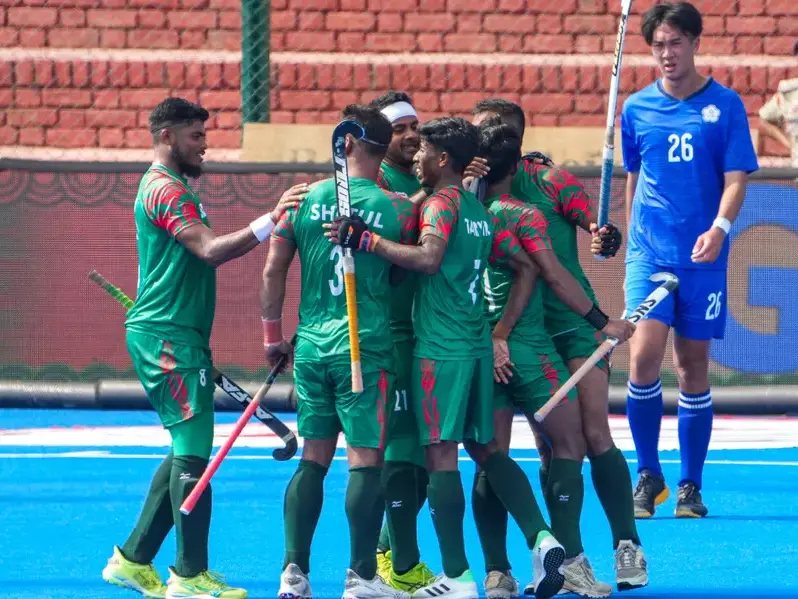
Bangladesh named as Pakistan’s replacement for Asian Hockey Champions Trophy
&imwidth=180&imheight=135&format=webp&quality=medium)
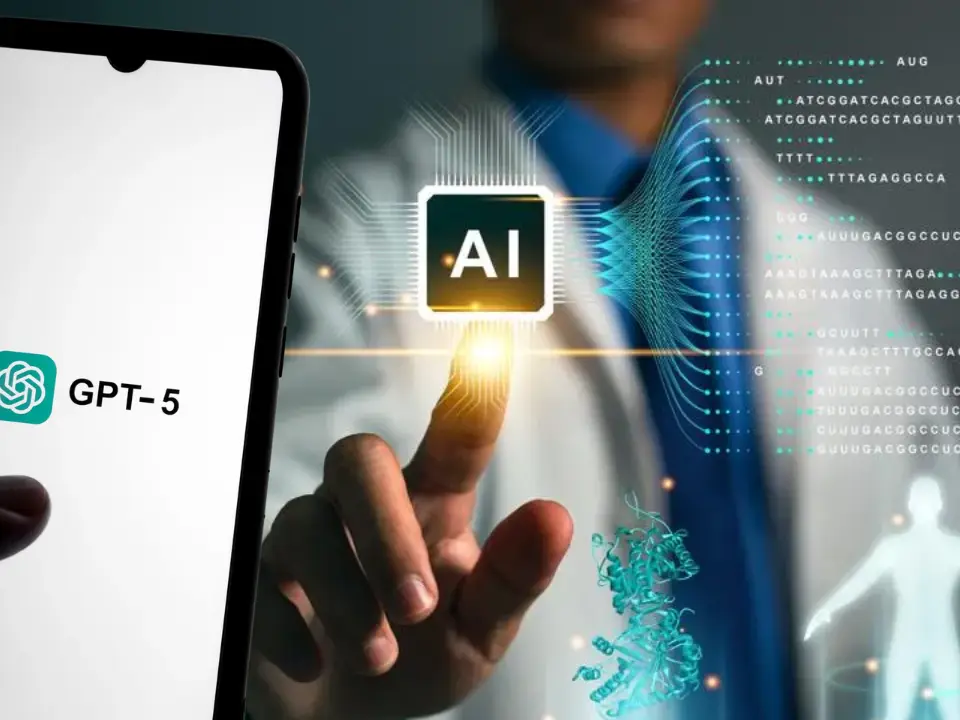
'Something truly catastrophic will happen': Former OpenAI researchers sound the alarm, claim they were fired for prioritising AI safety
&imwidth=180&imheight=135&format=webp&quality=medium)
BTS agency HYBE announces first-ever Weverse Con Festival in India
&imwidth=180&imheight=135&format=webp&quality=medium)
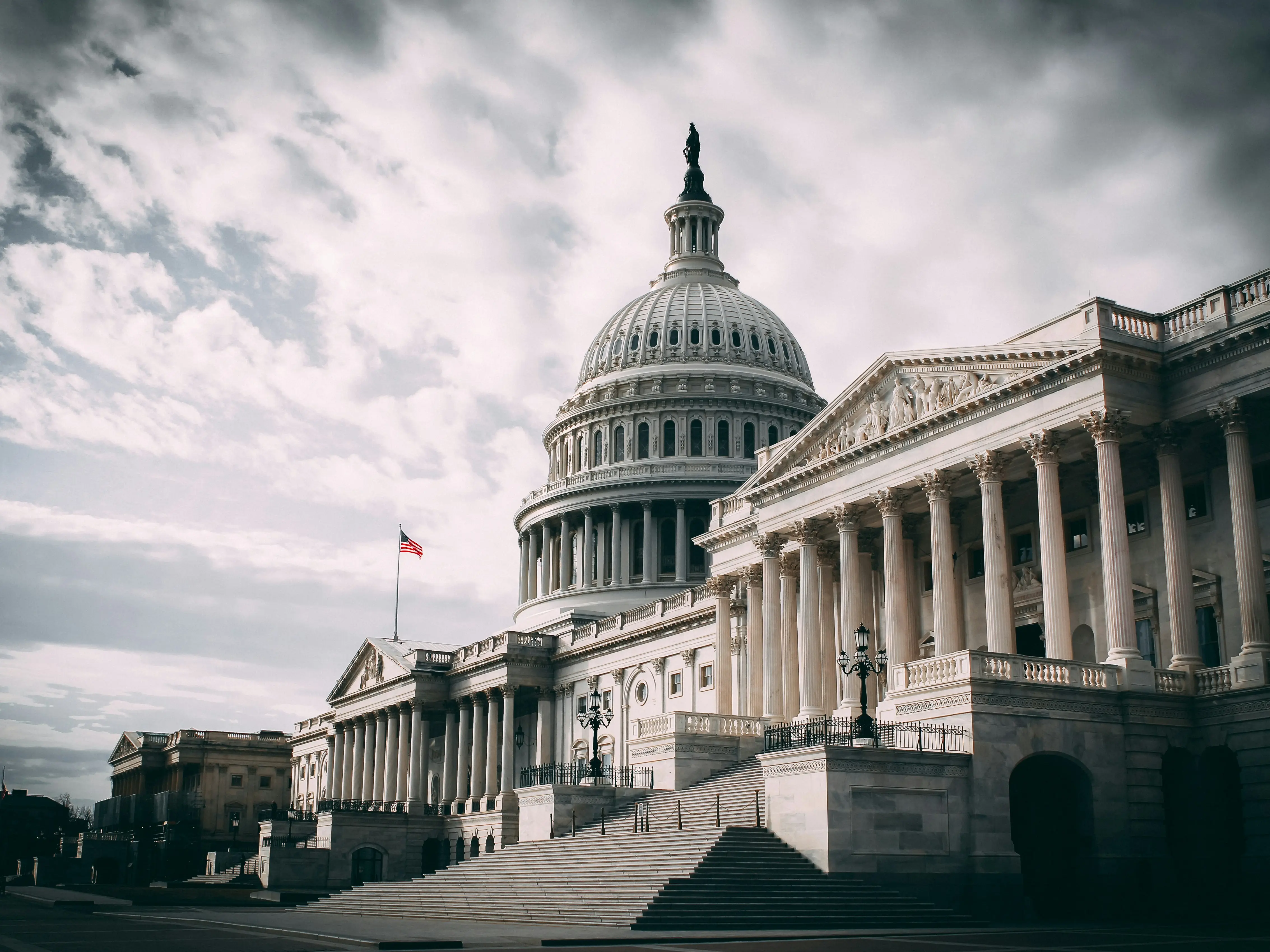
Nigeria govt rolls out 30-day NNPC petrol discount, insists it is not a subsidy
&im=FitAndFill=(700,400)&imwidth=180&imheight=135&format=webp&quality=medium)
435 House seats, 35 Senate races: The numbers behind US midterms 2026
&imwidth=180&imheight=135&format=webp&quality=medium)
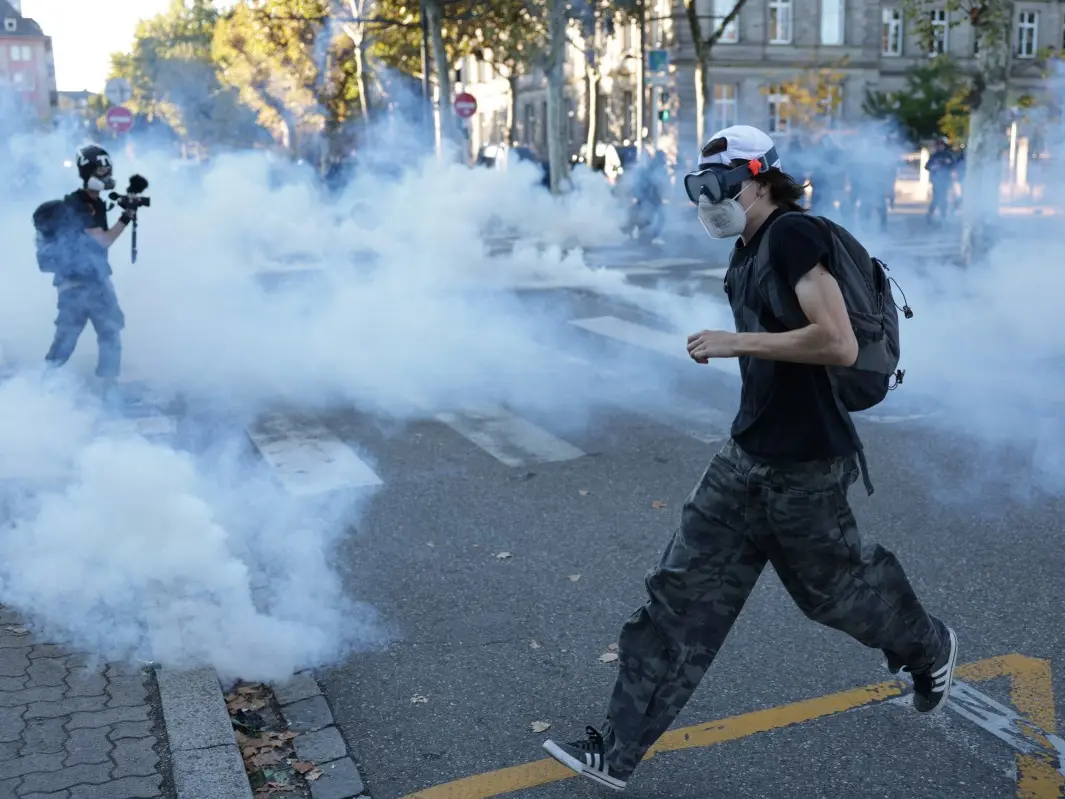
France student protests: Over 500 arrested, govt promises 3,000 substitute teachers
&imwidth=180&imheight=135&format=webp&quality=medium)
French students light European bonfire, protests erupt in Belgium, Italy & Greece | Gravitas
&imwidth=180&imheight=135&format=webp&quality=medium)
New Cold War: Why is China buying more gold? Explained
Embracing transformation(2020-present)
The National Education Policy 2020 has become the guiding light for education reforms. Early childhood education, vocational training, and online degree programmes have received significant funding boosts. Sports education through the National Sports Education Board and ventures into new domains like AI reflect the need for holistic development and future-proof skills.
Budget 2024: Building on the legacy
While progress is undeniable, challenges remain. Reaching the 6% of GDP target for education necessitates continued investment and innovative solutions. Bridging the digital divide and ensuring quality education for all, especially in rural areas and for underprivileged groups, needs focused attention.
The upcoming budget is an opportunity to build on the existing momentum and address these challenges. Will it further incentivise private participation in education? Will it prioritise teacher training and development alongside increased funding? Will it bridge the gap between education and employability through focused skill development initiatives?
As India stands poised to become a knowledge economy, the 2024 budget will shape the path of its education system. It will determine how effectively the nation equips future generations with the skills and knowledge needed to thrive in an ever-evolving world.