
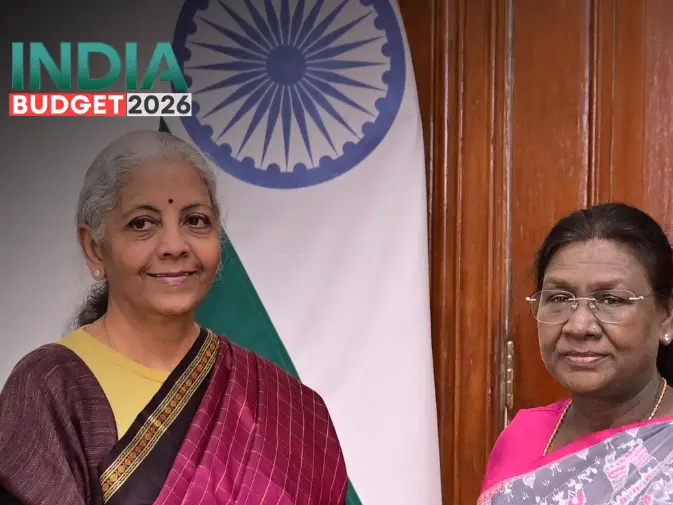
&imwidth=800&imheight=600&format=webp&quality=medium "India budget 2026: Single window customs clearance, export–import easing, cargo reforms to address supply chain issues amid global uncertainties")
Presenting India’s Union Budget 2026–27 in Parliament on Sunday (Feb 1), Finance Minister Nirmala Sitharaman made proposals on ease of doing business and tax cuts that are clearly aimed at reducing the burden on cargo handlers and those involved in export–import processes. These proposals come amid global uncertainties affecting supply chain management.
Single window clearance for cargo
As per the budget proposals, a single-window system will be introduced to handle approvals required for cargo clearance from various government agencies. This interconnected digital window for seamless processing of requests will be established by the end of the financial year.

But before that, by April this year, clearance of food, drugs, plant, animal and wildlife products will be operationalised on this system. These sectors account for around 70 per cent of interdicted cargo.
The new Customs Integrated System (CIS) will be rolled out over the next two years as a single, integrated and scalable platform for all customs processes.
Trending Stories
)
US Supreme Court backs Trump administration's use of SAVE database to check voter citizenship
)
Heart of the Beast review: Brad Pitt leads a gripping tale of survival and loyalty
)
Outrage erupts after 3-year-old is married to 60-year-old man in Pakistan, link to her sister's murder being probed
)
Pakistan deploys over 20,000 security personnel as PTI vows march for Imran Khan's release
)
Asian Games: Shooting spree continues as India win silver in women’s 50m rifle 3P team event
)
‘Not just a local tragedy’: Nepal PM Shah warns UN of growing climate threat, says Nepal floods were 'a warning to the world'
)
OpenAI AI Agents hacked 4 websites before Hugging Face, researchers reveal
)
Pentagon quietly adds 37 wounded troops to Iran war tally without explaining when or how
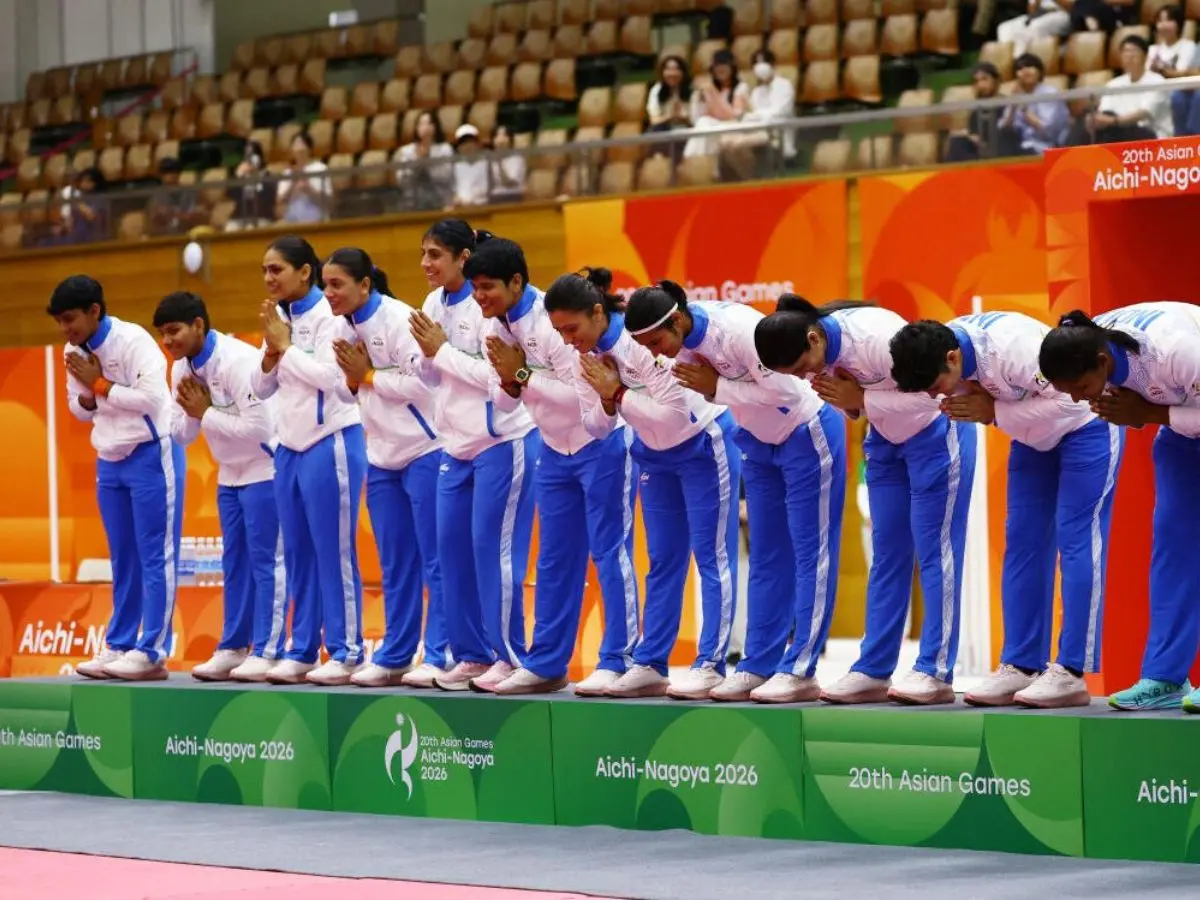)
Asian Games 2026: India women’s kabaddi team edge Iran 37-34 to clinch 3rd gold medal
&im=FitAndFill=(700,400))
New Friday OTT releases (September 25, 2026): Don’t Be Shy, Hunkkaar: The Roar, Mango Pachcha- 6 movies and TV shows on Netflix, Prime Video and more
)
Yemen's war escalates: Saudi-backed leader calls for general mobilisation against the Houthis
)
‘Attack on Mecca a red line for Pakistan’: Shehbaz Sharif warns Houthis at UN
)
Tesla is preparing something big for Optimus: new Gen 3 models surface in app
)
Bias or safety concerns? Bengaluru CEO says firm will not hire men from UP, Bihar, Rajasthan, MP. Here's why
)
Did Hitler kill his niece Geli Raubal? Newly found records reopen a 95-year-old mystery
)
Nigeria Navy moves to boost oil security, tackle crude theft and infrastructure threats
)
Indian diplomat Petal Gahlot raises deteriorating situation in Pakistan-occupied Kashmir in right of reply at UN
)
Scientists detect first radio signals directly from faraway planet
)
‘It is all possible’: Putin weighs next steps on Ukraine talks, rules out Europe conflict
)
10,000 gather in support of 87-year-old forcefully evicted from home of 71 years
)
OpenAI investigates leak of 53 images linked to ChatgGPT users
)
Trump rejects Iran's 7-day ceasefire proposal as US weighs renewed bombing after midterms: Report
)
Red Sea crisis: Houthis promise not to target European ships; UNSC condemns Saudi attacks
)
Gaza's war turned environmental damage into second crisis
)
Trump-Xi summit wrap: Big pageantry, Iran talks, few major developments and more meetings planned
)
'Making history': Xi Jinping praises Trump as US-China leaders dine at White House
)
India's UN Envoy slams Pakistan: 'They claim security by day, terrorism by night'
)
Bollywood mourns Mushtaq Khan: Sunny Deol, Rajpal Yadav and others pay tribute
)
Myanmar training camp case: US national, 6 Ukrainians allowed to meet their families abroad
)
'FIRST LOOK from inside Noah’s Ark': Researchers share video from inside mysterious mound in Turkey
)
Cindy Crawford’s son Presley Gerber cremated as death probe continues
)
WATCH | As Shehbaz Sharif claims Pakistan’s ‘victory’ during 2025 conflict, Indian diplomat R Srinivas laughs at UN
)
'A terrorist country is asking me that question?': Jaishankar hits back at Pakistani journalist at UN; flags attacks on commercial shipping
)
Army chief reviews operational preparedness along LoC, visits mega eye camp in Tangdhar
)
US court backs Pentagon's decision to exclude Anthropic over Claude AI restrictions
Customs duty exemptions amid tariff war
The budget proposed a basic customs duty exemption on components and parts required for the manufacture of civilian, training and other aircraft.
It also proposed concessional duty rates to facilitate sales by eligible manufacturing units in Special Economic Zones (SEZs) to the Domestic Tariff Area (DTA).
The limit will be increased for duty-free imports of some inputs used for processing seafood products for export. The duty will be reduced to 1–3 per cent of the FOB (free on board) value of the previous year’s export turnover.
Duty-free imports of specified inputs for the export of shoe uppers is another proposal.
Ease of doing business
As part of ease-of-doing-business measures, the current value cap of ₹1 million per consignment on courier exports will be removed completely.
Fish catch by an Indian fishing vessel in the Exclusive Economic Zone (EEZ) or on the high seas will be made duty-free too.
Energy sector to see customs duty and central excise duty easing
Customs duty exemption will be granted for capital goods used in the manufacture of lithium-ion cells for batteries and battery energy storage systems. Capital goods required for the processing of critical minerals in India will also receive duty relief. There will also be duty exemptions on imports of goods required for nuclear power projects until 2035.

