IMF raises China's 2023 and 2024 growth forecasts amid post-Covid recovery

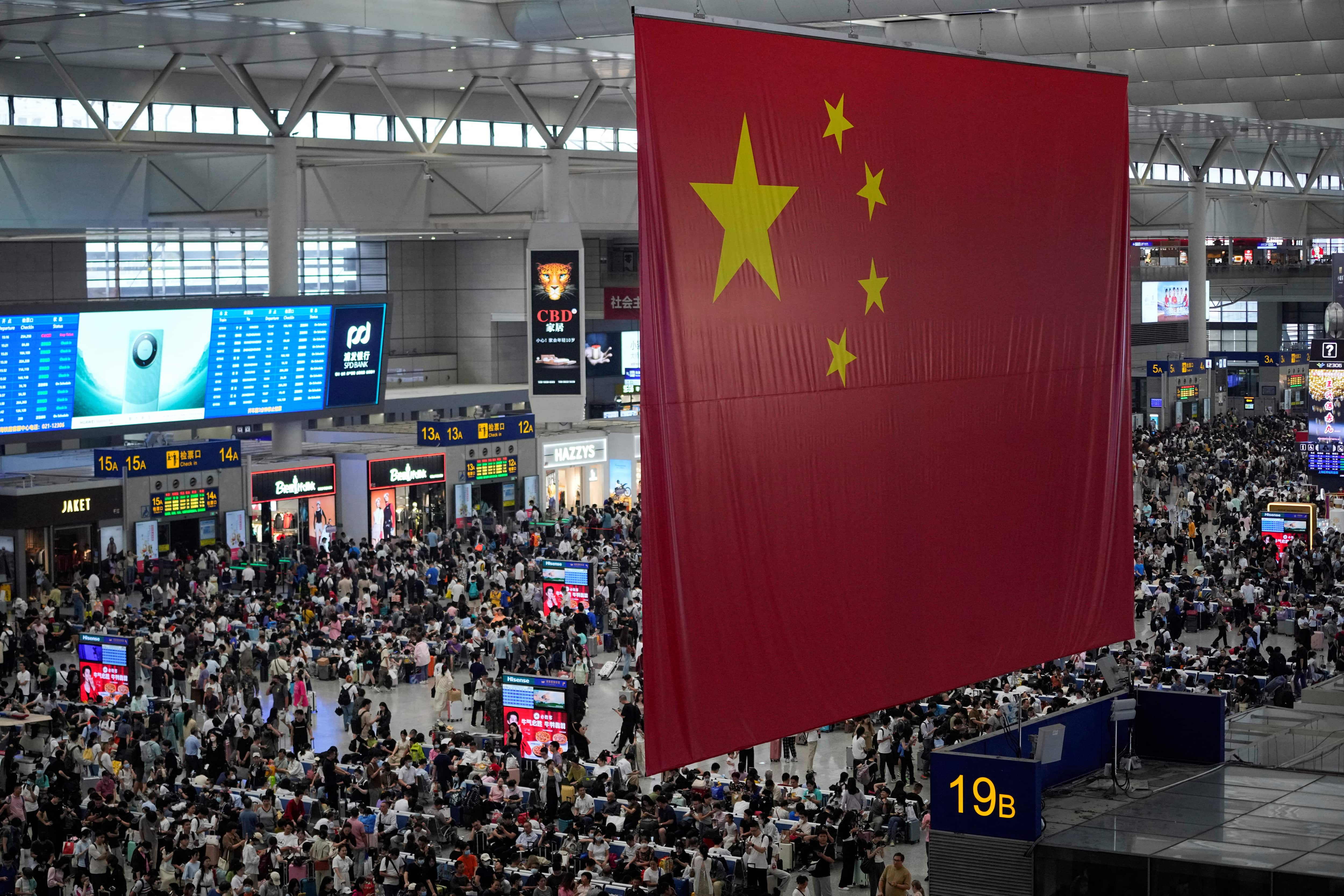
People wait to board trains at the Shanghai Hongqiao railway station
The International Monetary Fund (IMF) on Tuesdayupgraded its growth forecasts for China, indicating that the country's economy is set to expand by 5.4 per cent this year, reflecting a robust Post-Covid recovery.
This upward revision comes after the IMF's previous forecast of 5 per cent growth, Reuters reported.
However, the IMF anticipates slower growth in 2024, with concerns centred around the lingering weakness in the property sector and subdued external demand, potentially limiting gross domestic product (GDP) growth to 4.6 per cent. Nonetheless, this revised projection remains more favourable than the 4.2 per cent forecast in the IMF's World Economic Outlook (WEO) published in October.

The IMF's decision to upgrade China's growth prospects for 2023 and 2024 is influenced by recent policy actions taken by China, including the approval of a 1 trillion-yuan ($137 billion) sovereign bond issue and the facilitation of local governments to frontload a portion of their 2024 bond quotas.
These measures are aimed at providing additional support to the Chinese economy in its path to recovery.
Reuters quoted Gita Gopinath, the IMF's First Deputy Managing Director, as saying, "We have revised up growth by 0.4 percentage points in both years relative to our October WEO projections, reflecting stronger than expected growth in the third quarter and the new policy support that was recently announced."
)
What’s in a name? Trump’s 'Lake America' move gets a tit-for-tat response from Canada
)
Outrage erupts after 3-year-old is married to 60-year-old man in Pakistan, link to her sister's murder being probed
)
Trump gifts Xi a bald eagle sculpture at White House dinner: Here’s what it symbolises
)
‘Not just a local tragedy’: Nepal PM Shah warns UN of growing climate threat, says Nepal floods were 'a warning to the world'
)
Farhan, who went viral for AK47 celebration vs India in Asia Cup, hopes to lead Pakistan beyond Asian Games
)
CNN, Politico and MS NOW back in White House after judge blocks Trump’s media ban
)
India-New Zealand FTA is ‘an expression of trust’, NZ High Commissioner Patrick John Rata says
Don't Be Shy movie review: A frothy coming-of-age tale that is too shy to experiment
)
Park Ji Hyun makes history as first Korean actress nominated for International Emmy
)
Tesla is preparing something big for Optimus: new Gen 3 models surface in app
)
Bias or safety concerns? Bengaluru CEO says firm will not hire men from UP, Bihar, Rajasthan, MP. Here's why
)
Trump's welcome to Xi demonstrates 'attraction' to dictators: Chuck Schumer
)
Nations League: Germany draw on Klopp debut; Portugal, Norway win
)
WION Iconic Tourism Summit 2026: Union Minister Shekhawat on 'experiential travel', peace diplomacy
)
Scientists detect first radio signals directly from faraway planet
)
A seven-day roadmap? Iran proposes plan to end war, reopen Strait of Hormuz and resume nuclear talks
)
The Vvaan Review: This Ekta Kapoor's Tulsi Virani-coded world can't be saved by Sidharth Malhotra and Tamannaah Bhatia
)
China to test supersonic jet that moves at Mach 2, double the speed of sound
)
Xi Jinping's 'special plane' vs Trump's Air Force One: What's the difference?
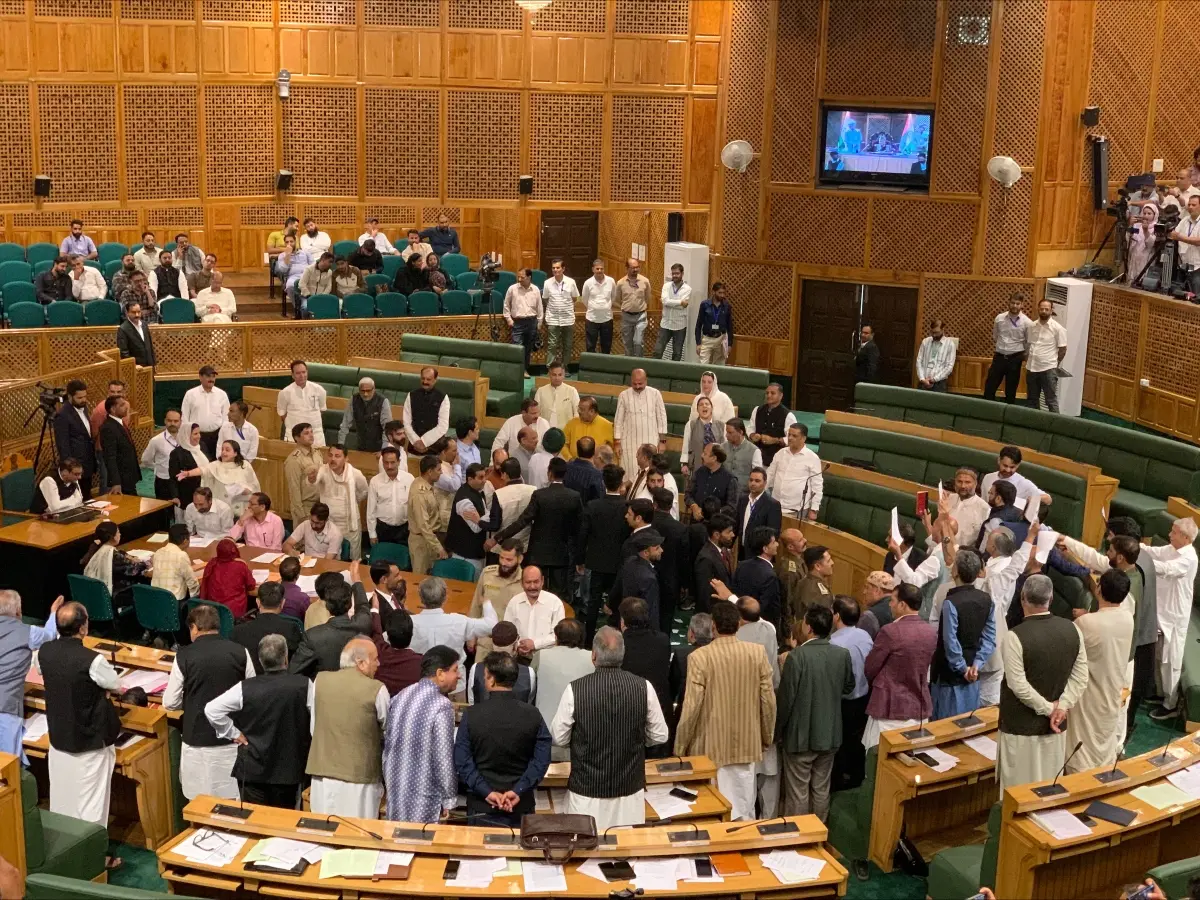)
Ruckus in J&K Assembly over statehood resolution; BJP leaders enter well of house
)
UNGA 2026: Israeli PM attacks Britain, France for past colonialism
)
West Indies coach Sammy looking at India series as opportunity to finetune ahead of ODI World Cup 2027 qualifiers
)
‘We’ve never gotten along better’: Trump praises Xi, jokes about White House ballroom at high-stakes state dinner
)
Air India pilot suspended after failing pre-flight alcohol test on Zurich-Delhi route
)
Yemen called Trump for US military support in fight against Houthis: Official
)
Meet Adrian Abraham: 9-year-old Indian-origin guitar prodigy aiming for a Guinness World Record
)
US faces fresh cost crunch as mortgage rates hit 7%, oil tops $107 and gas prices surge
)
'Blockbuster' nor'easter develops an eye similar to hurricanes as warnings are issued
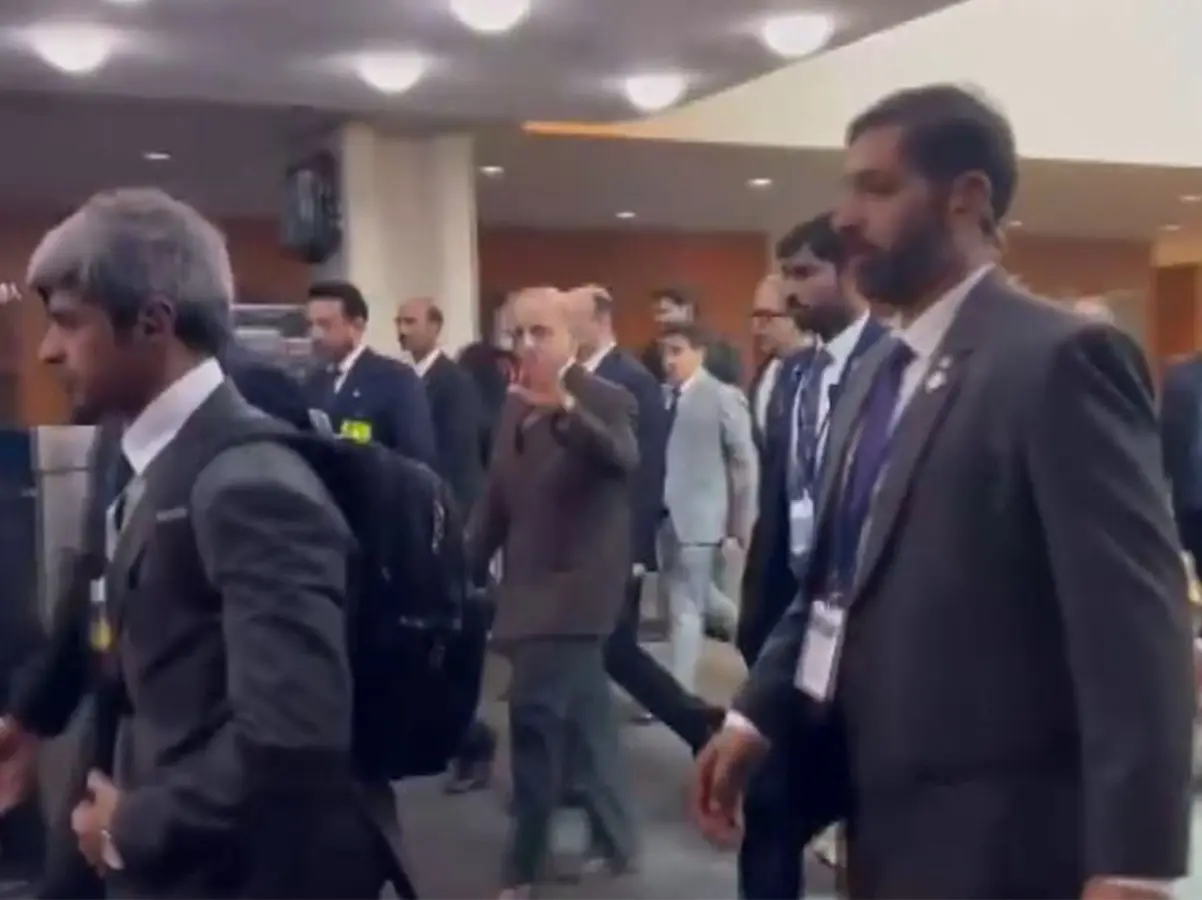)
WATCH: Pak PM Shehbaz Sharif refuses to answer on Hafeez Sayeed, walks away
)
OpenAI is building AI to fight cyber threats: What GPT-6 Cyber means for security
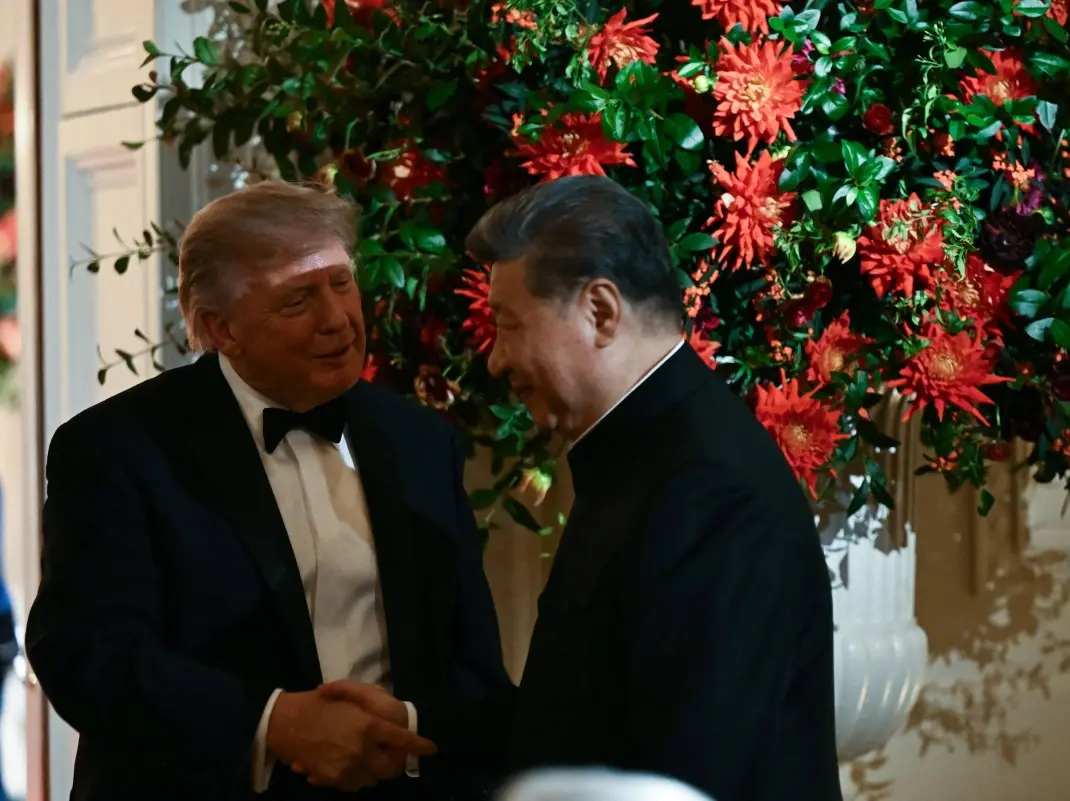)
'Making history': Xi Jinping praises Trump as US-China leaders dine at White House
)
'What kind of confession is this?': Pakistan PM Shehbaz Sharif’s 'terrorists would be roaming New York' remark goes viral, raises alarm online. Watch
&im=FitAndFill=(700,400))
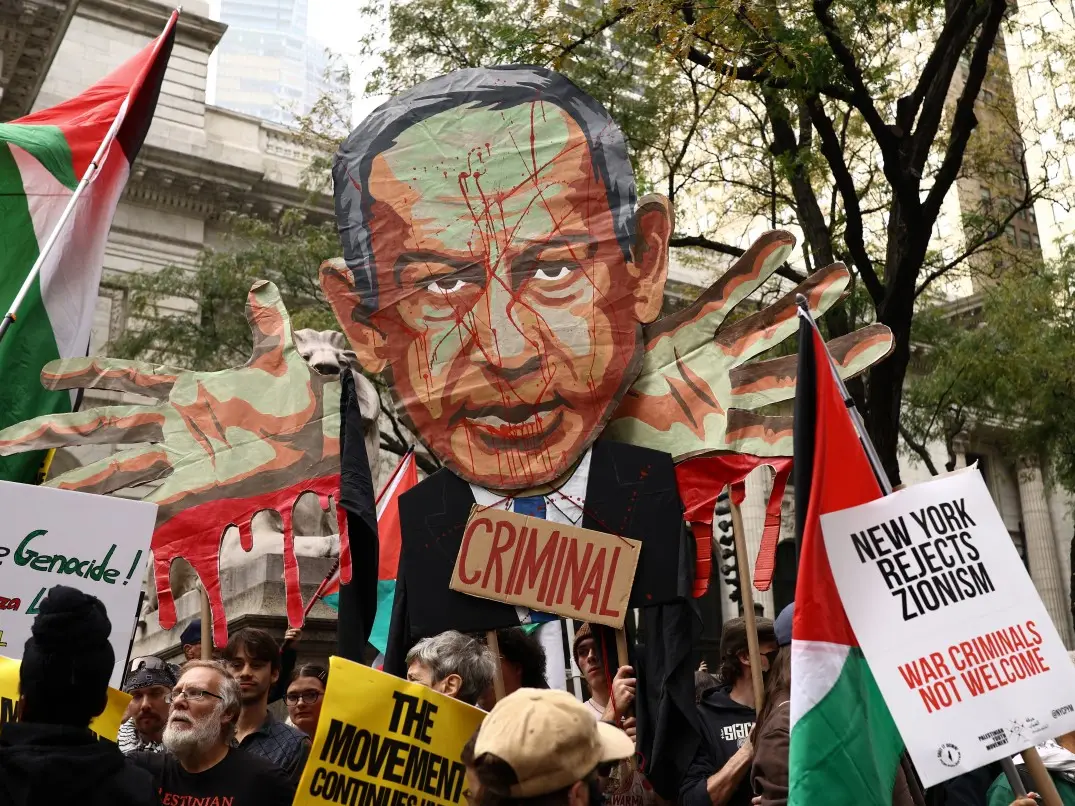
Netanyahu at UN: Mass walkout, attack on Mamdani and Iran threats | In Pics
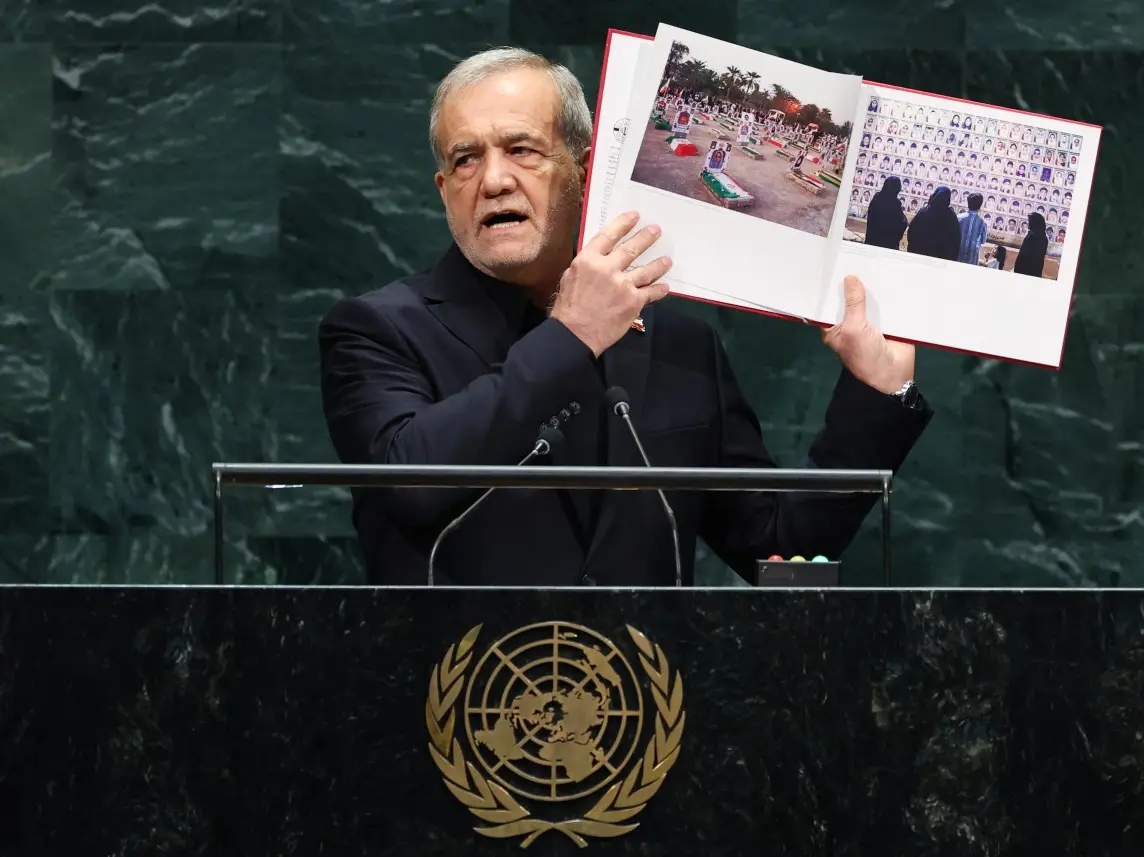)
'We do not wish to continue. It's America that must choose': Iran president Pezeshkian calls on US to end war
)
Bollywood mourns Mushtaq Khan: Sunny Deol, Rajpal Yadav and others pay tribute
)
Myanmar training camp case: US national, 6 Ukrainians allowed to meet their families abroad
)
'FIRST LOOK from inside Noah’s Ark': Researchers share video from inside mysterious mound in Turkey
)
'Fund people, not bombs': Hundreds take to New York streets as Netanyahu delivers speech at UN; dozens arrested
)
Susan Sarandon and Hannah Einbinder detained by NYPD outside UN Headquarters
)
While recognising China's strong economic recovery, Gopinath also emphasised the need for additional measures in the property sector to secure a quicker and more sustainable recovery. Addressing the real estate sector, she highlighted the importance of accelerating the exit of non-viable property developers, removing obstacles to housing price adjustments, and increasing central government funding for housing completion as part of the policy package.
These measures are seen as essential for bringing the property sector to a more sustainable size and minimising economic costs. The property sector, combined with the local government debt crunch, poses challenges to China's long-term growth potential, according to economists.
Local government debt in China has surged to 92 trillion yuan ($12.6 trillion), equivalent to 76 per cent of China's economic output in 2022, a significant increase from 62.2 per cent in 2019. In response, the Politburo, a top decision-making body of the ruling Communist Party, pledged in late July to introduce measures to reduce local government debt risks.
Gopinath called for coordinated fiscal framework reforms and balance-sheet restructuring at the central government level to address local government debt strains, close fiscal gaps, and control the flow of debt.
Furthermore, she stressed the necessity of a comprehensive strategy to reduce the debt level of local government financing vehicles (LGFVs), which were originally established to fund infrastructure investments but now present a substantial risk to China's slowing economy, with their combined debt reaching approximately $9 trillion.
To mitigate financial stability risks, Gopinath underlined the importance of improving fiscal transparency and risk monitoring at the local government level. She warned that "financial stability risks are elevated and still rising," highlighting the significance of proactive measures to prevent the emergence of new vulnerabilities in the Chinese economy.
(Inputs from Reuters)
WATCH WION LIVE HERE