
The International Monetary Fund (IMF) has commenced a fresh review of its $15.5 billion support programme for Ukraine, a country still reeling from over three years of war.
As per Reuters, an IMF delegation arrived in Kyiv on Tuesday to conduct the eighth assessment under its four-year Extended Fund Facility (EFF) arrangement.
The discussions will centre on Ukraine’s budgetary challenges, long-term economic reforms, and strategies to ensure debt sustainability.

Ukraine’s Central Bank Governor, Andriy Pyshnyi, described the talks as “constructive and substantive”, adding that the IMF programme remains a vital source of economic resilience during the ongoing conflict.
According to Reuters, the IMF team will also explore how Kyiv plans to fund its wartime budget, including through international assistance and domestic revenue mobilisation.
While Ukraine has secured the financial resources needed to cover its 2025 budget deficit, estimated at nearly $38 billion, questions remain over the availability of global aid beyond this year.
Trending Stories
)
Mushtaq Khan dies at 56: When Welcome actor opened up about his salary for iconic role Ballu
)
US Supreme Court backs Trump administration's use of SAVE database to check voter citizenship
)
Hawaii braces for Hurricane Nolo: NOAA warns of flash flooding and mudslides
)
Outrage erupts after 3-year-old is married to 60-year-old man in Pakistan, link to her sister's murder being probed
)
Donald Trump shares image of Xi's arrival in Washington, carries signs of AI
)
Pakistan deploys over 20,000 security personnel as PTI vows march for Imran Khan's release
)
Anthropic says Claude found a new gene-editing enzyme but science isn't confirmed
)
Prince Harry offers rare glimpse into Archie and Lilibet’s life after UK move
)
Farhan, who went viral for AK47 celebration vs India in Asia Cup, hopes to lead Pakistan beyond Asian Games
)
OpenAI AI Agents hacked 4 websites before Hugging Face, researchers reveal
)
LPU students go on rampage, vandalise campus amid widespread protest: What's happening
)
Pentagon quietly adds 37 wounded troops to Iran war tally without explaining when or how
&im=FitAndFill=(700,400))
New Friday OTT releases (September 25, 2026): Don’t Be Shy, Hunkkaar: The Roar, Mango Pachcha- 6 movies and TV shows on Netflix, Prime Video and more
)
Asian Games 2026: India face Afghanistan in quarterfinal on Sep 28; Pakistan clash with Hong Kong
)
‘Attack on Mecca a red line for Pakistan’: Shehbaz Sharif warns Houthis at UN
)
‘I rejected it’: Trump confirms turning down Iran’s proposal to reopen Hormuz, claims Tehran is losing ‘badly’
)
Did Hitler kill his niece Geli Raubal? Newly found records reopen a 95-year-old mystery
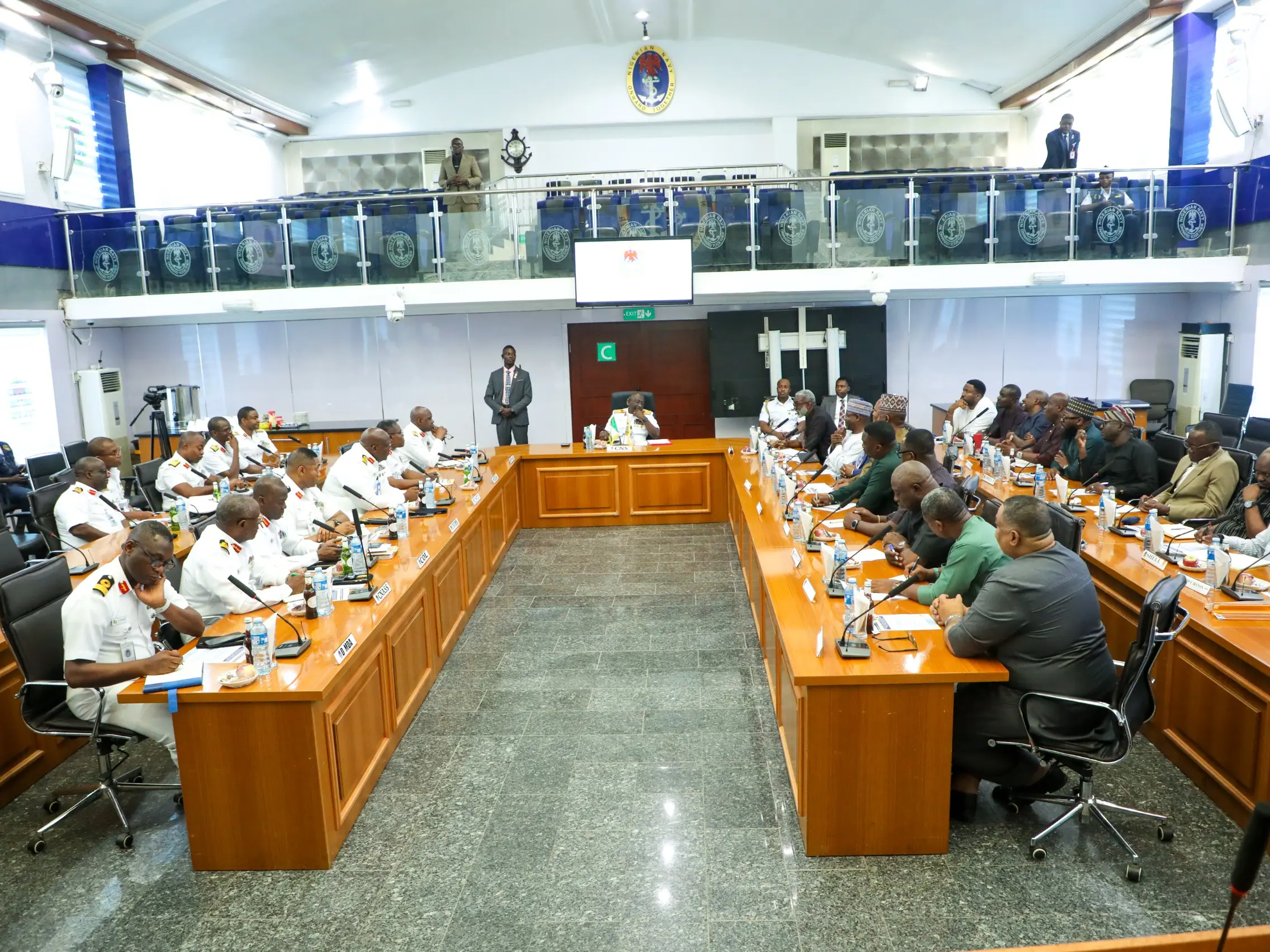)
Nigeria Navy moves to boost oil security, tackle crude theft and infrastructure threats
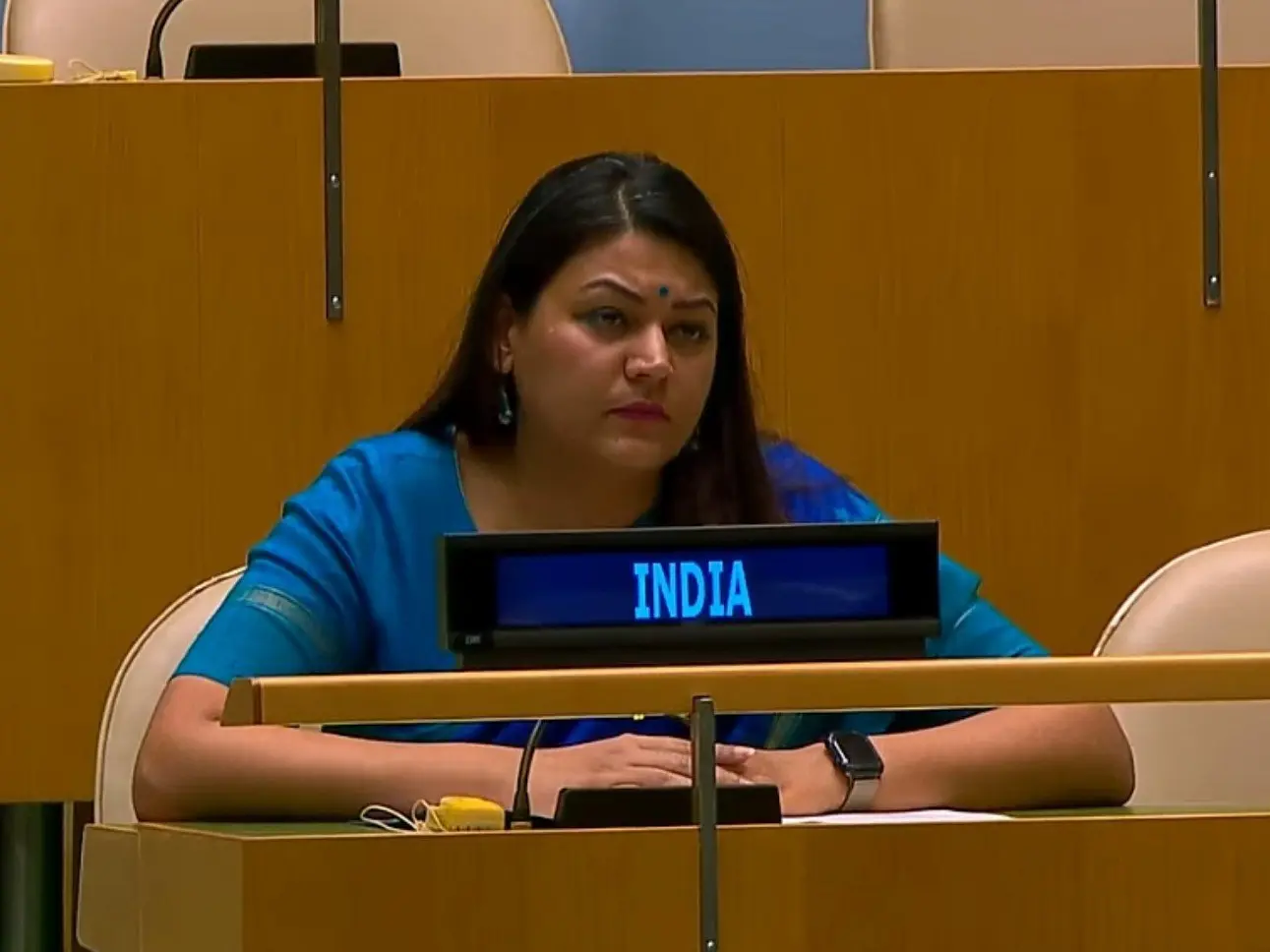)
Indian diplomat Petal Gahlot raises deteriorating situation in Pakistan-occupied Kashmir in right of reply at UN
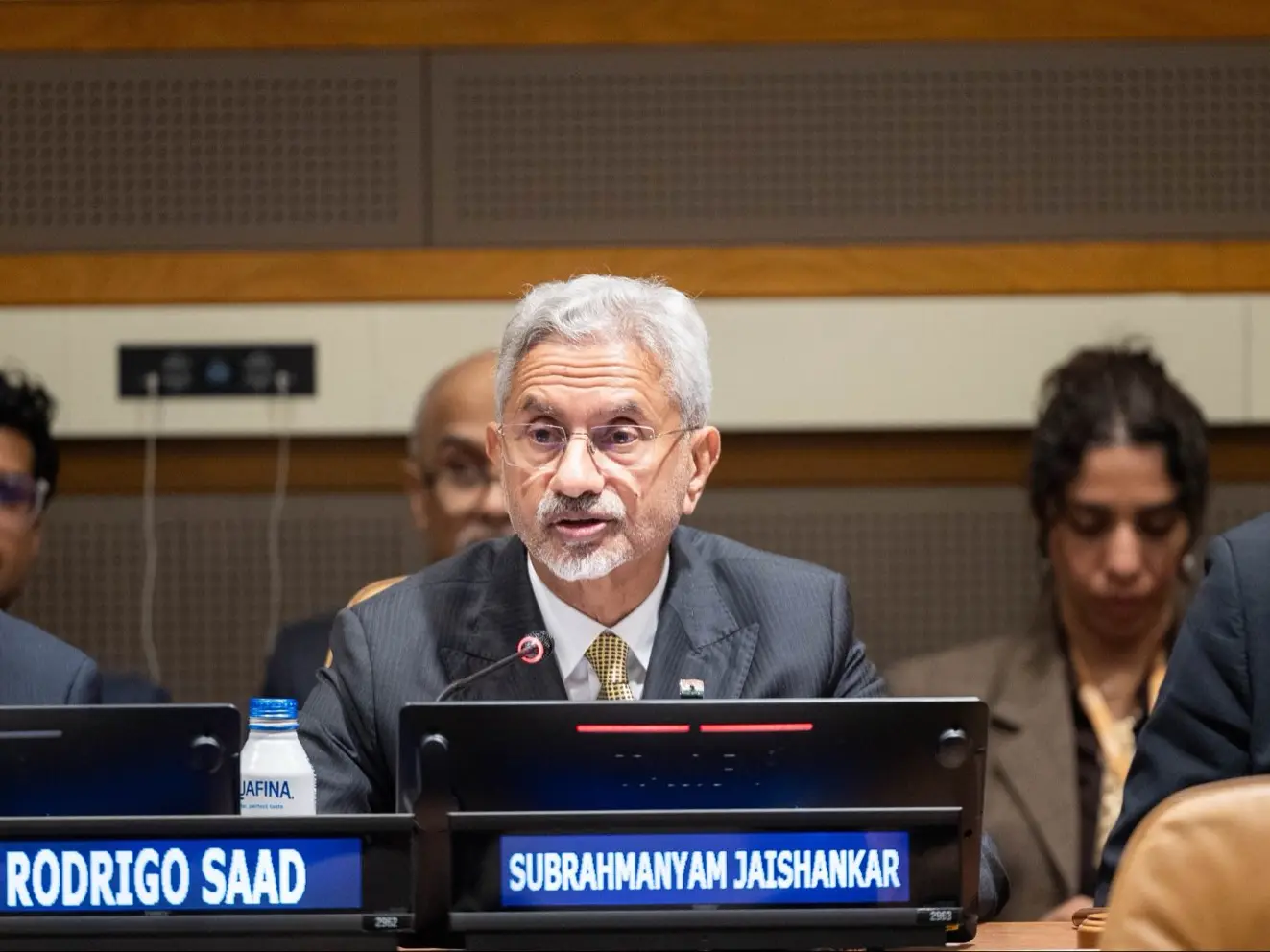)
'Countries far from conflict are penalised': Jaishankar calls for Gulf peace, seafarer safety at UN
)
Bigg Boss 20: Salman Khan schools Rhiti Tiwari over Qazi Touqeer clash, compares her to Dolly Bindra
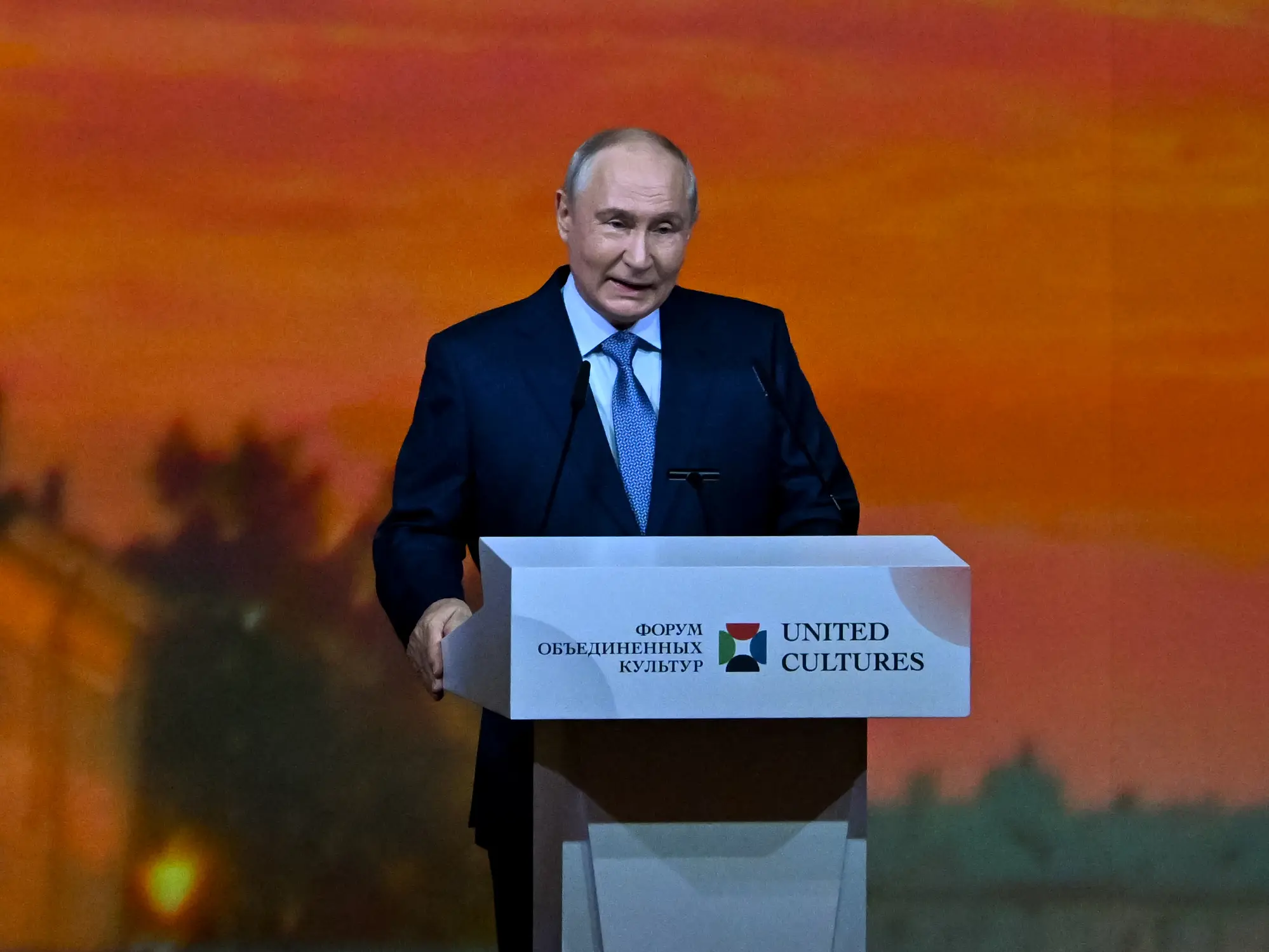)
‘It is all possible’: Putin weighs next steps on Ukraine talks, rules out Europe conflict
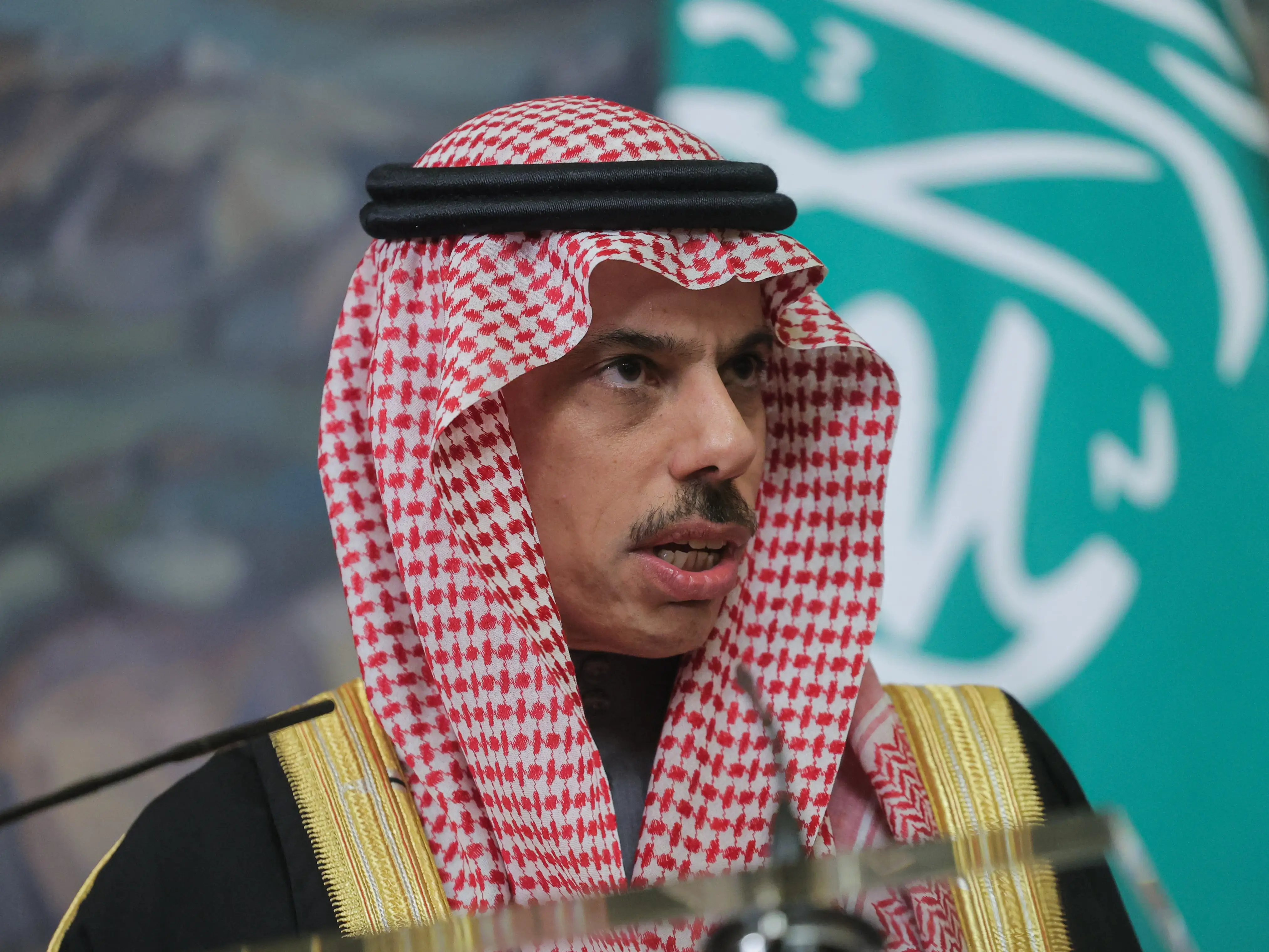)
Global community 'absent' in Gulf crisis: Saudi at UN calls for freedom of navigation, pre war status for Hormuz
)
Gaza's war turned environmental damage into second crisis
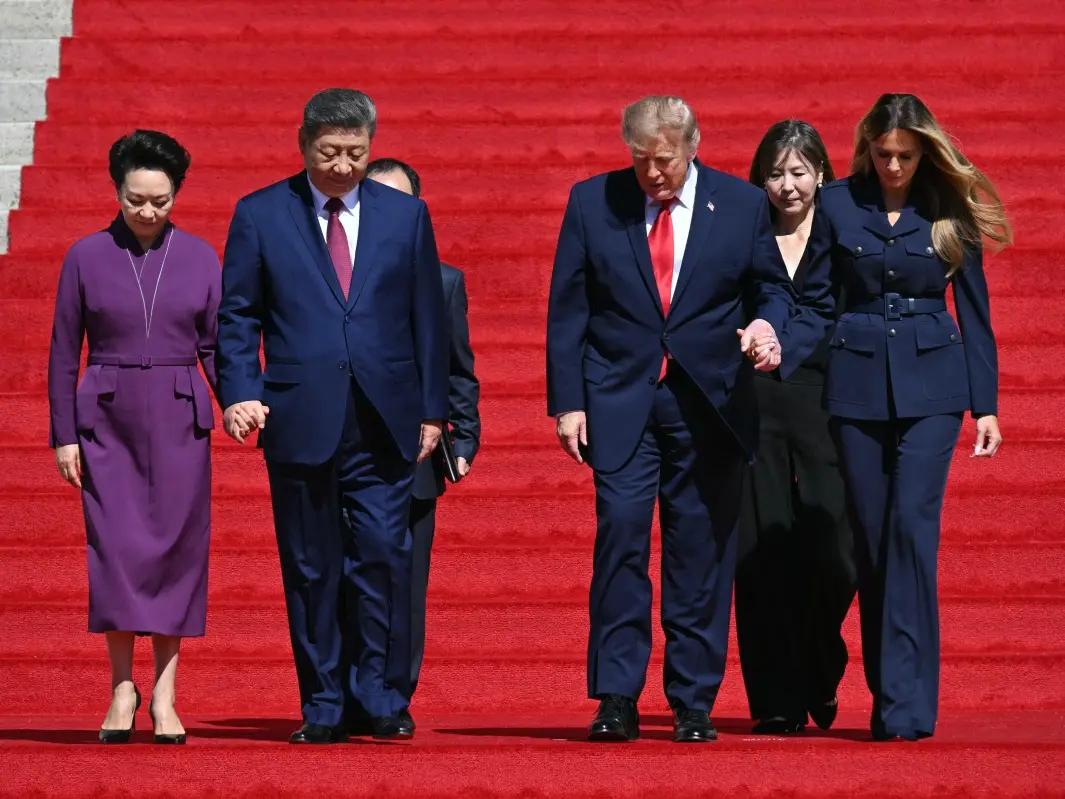)
Trump-Xi summit wrap: Big pageantry, Iran talks, few major developments and more meetings planned
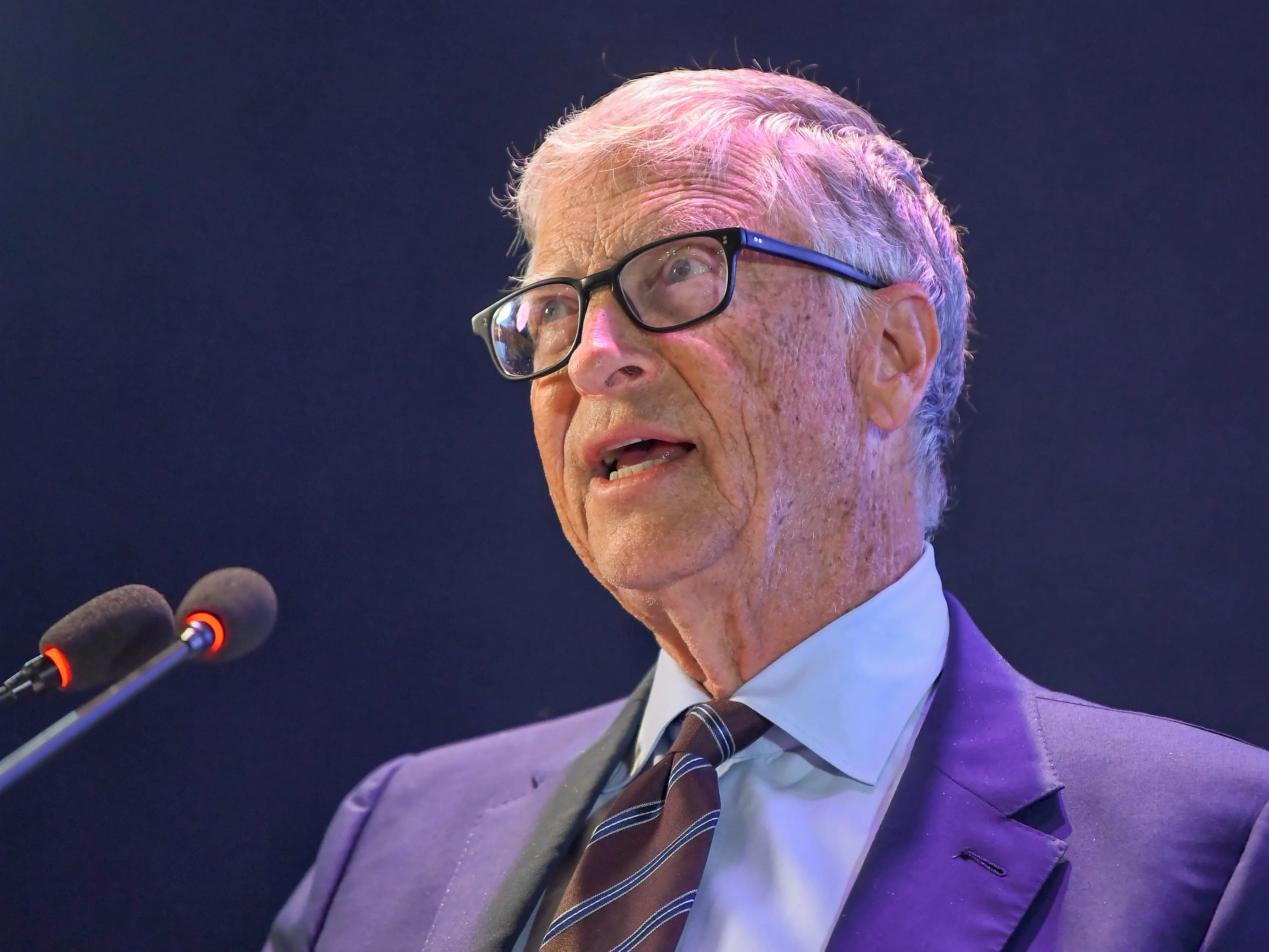)
‘Could kill billions...’: Bill Gates backs calls to slow AI development amid fears of catastrophe
)
Bollywood x K-pop crossover! LE SSERAFIM’s Kazuha charms fans with Shah Rukh Khan’s ‘Chammak Challo’ steps
)
US-Iran war: Trump rejects Iran's Hormuz proposal, reports suggest talks expected next week
)
'What kind of confession is this?': Pakistan PM Shehbaz Sharif’s 'terrorists would be roaming New York' remark goes viral, raises alarm online. Watch
)
Myanmar training camp case: US national, 6 Ukrainians allowed to meet their families abroad
)
'FIRST LOOK from inside Noah’s Ark': Researchers share video from inside mysterious mound in Turkey
)
Cindy Crawford’s son Presley Gerber cremated as death probe continues
)
WATCH | As Shehbaz Sharif claims Pakistan’s ‘victory’ during 2025 conflict, Indian diplomat R Srinivas laughs at UN
)
'A terrorist country is asking me that question?': Jaishankar hits back at Pakistani journalist at UN; flags attacks on commercial shipping
)
Russia will achieve Ukraine war aims; Europe doing everything to block peace talks: Lavrov at UN
)
‘Serial practitioner of terrorism’: Jaishankar calls out Pakistan’s ‘state-sponsored’ terror at UNGA
)
US court backs Pentagon's decision to exclude Anthropic over Claude AI restrictions
Most of the country’s domestic income is being used to fund defence operations, leaving Kyiv heavily dependent on Western partners to finance social and humanitarian spending.
In addition to budgetary matters, the IMF will also assess the strength of Ukraine’s financial sector. Pyshnyi noted that talks will include improving regulations governing credit bureaus and enhancing financial market infrastructure measures seen as essential to preserving monetary stability in wartime conditions.
Impact of war on Ukraine’s economy
The IMF’s latest review comes against the backdrop of a severely weakened economy. Since Russia launched its full-scale invasion in February 2022, Ukraine’s economic output has suffered a dramatic collapse.
As reported by Reuters, gross domestic product (GDP) dropped by nearly 30 per cent in the first year of the war.
Although modest growth was recorded in 2023 and 2024, Ukraine’s overall economic performance remains far below pre-war levels, according to World Bankestimates.
The toll of the war extends far beyond GDP figures. Millions of Ukrainians have been forced to flee their homes, either relocating abroad or becoming internally displaced.
The country’s physical infrastructure has also been severely damaged, with cities, industrial areas, transport networks, and energy systems targeted by missile strikes. The Kyiv School of Economics-estimatesthe total cost of war-inflicted damage to infrastructure and housing has exceeded $150 billion.
Once a major agricultural exporter, Ukraine has struggled to maintain its role as a global grain supplier due to damaged ports and disrupted trade routes.
These supply chain blockages have fuelled inflation and weakened government revenues.
Meanwhile, repeated attacks on the power grid have led to frequent electricity shortages, hindering industrial activity and daily life.
The war has also placed Ukraine’s banking sector under immense pressure. Challenges such as rising non-performing loans, capital flight, and inflationary instability have further underlined the importance of IMF support and broader international aid.
For now, financial assistance from partners remains Ukraine’s primary cushion against economic collapse.
With international focus shifting to other geopolitical flashpoints, concerns are growing over whether donors will maintain the same level of commitment to Ukraine in 2026 and beyond.
The outcome of this IMF review could play a decisive role in shaping Ukraine’s financial future, determining not only the sustainability of its public finances but also its ability to function as a stable state during wartime.