How global chip shortage is affecting the electric vehicle industry

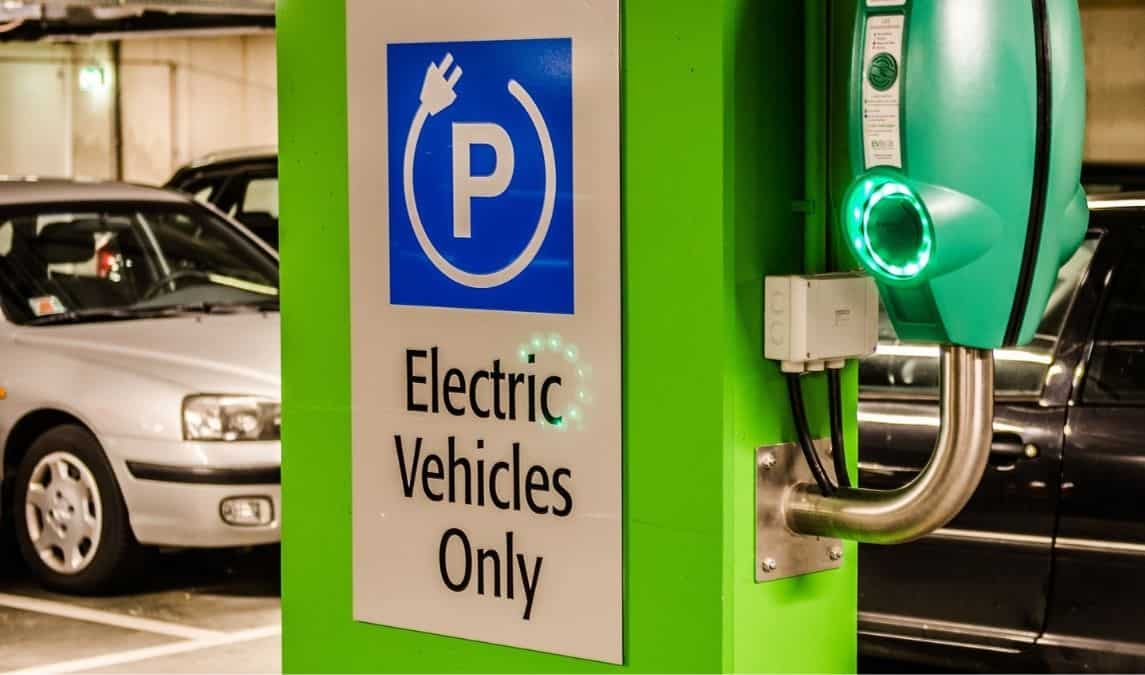
Electric Vehicles
Electric vehicle sales and registrations have skyrocketed in numbers in the last few years. There were more electric vehicle registrations in 2021 alone than in the previous five-year purchases combined.
All the leading automobile companies are coming up with their own models of electric cars. However, motor dealers are acutely struggling to complete their orders.
Challenges in the supply chain and the ongoing pandemic are causing trouble for carmakers globally. A global computer chip shortage has become the biggest worry for carmakers.

Elon Musk Tesla vehicles dominate the entire EV market, with over 79% of all EV purchases in the last year. Despite Tesla's popularity, it had to delay Cybertruck production and other upcoming electric cars.
Several industries face massive challenges as semiconductor chips are in short supply. Low investment in chip manufacturing globally adds to the crisis as the deficit is only growing with the increasing demand.
What’s with the global shortage?
&imwidth=180&imheight=135&format=webp&quality=medium)
Sri Lankan Tamil worker gets death sentence in Saudi Arabia over blasphemy, calls for pardon intensify
&imwidth=180&imheight=135&format=webp&quality=medium)
Atlantic hurricane Isaias could make landfall as a strong Category 2 storm, tornado warnings issued
&imwidth=180&imheight=135&format=webp&quality=medium)
US readying to strike Iran? Report suggests Trump preparing to put on show of strength ahead of US midterms
&imwidth=180&imheight=135&format=webp&quality=medium)
Captain Smit Machchhar on feet again, walks 10 steps as recovery continues after Flydubai flight attack
&imwidth=180&imheight=135&format=webp&quality=medium)
Narendra Modi Stadium bomb threat declared hoax; India & Australia U19 squads safe
&imwidth=180&imheight=135&format=webp&quality=medium)
France holds talks with Taliban government amid diplomatic outreach
&imwidth=180&imheight=135&format=webp&quality=medium)
Christa Pike 'angry' and 'confused' after failed execution; judge orders to preserve evidence
&imwidth=180&imheight=135&format=webp&quality=medium)
France protests: How a Gen Z school movement turned into a political war | The Verdict
&imwidth=180&imheight=135&format=webp&quality=medium)
Trump distances himself from senior political advisers over work for pro-Russian government
&imwidth=180&imheight=135&format=webp&quality=medium)
Trump's naked 23-karat gold statue unveiled near European Parliament
&imwidth=180&imheight=135&format=webp&quality=medium)
A Love Other Than Yours: The temptation to cheat and what pushes people over the edge
&imwidth=180&imheight=135&format=webp&quality=medium)
US midterms 2026: Why the Latino vote could shape control of Congress
&imwidth=180&imheight=135&format=webp&quality=medium)
Trump to honour Elon Musk, Sergey Brin and Jensen Huang with top science honour at White House. Check the full list here
&imwidth=180&imheight=135&format=webp&quality=medium)
Musk alleges ‘oligarchs’ blocking Starlink in India, here is what we know so far
&imwidth=180&imheight=135&format=webp&quality=medium)
Nicolas Maduro, wife likely to face new charges over alleged torture of US citizens: Report
&imwidth=180&imheight=135&format=webp&quality=medium)
Nana Patekar's #MeToo controversy: From Tanushree Dutta’s allegations to court ruling
&imwidth=180&imheight=135&format=webp&quality=medium)
Who is DogeDesigner? All we know about the X account that sparked India-Musk-Starlink ‘oligarchs’ controversy
&imwidth=180&imheight=135&format=webp&quality=medium)
US Midterms 2026: Barack Obama hits campaign trail to boost Democratic candidates
&imwidth=180&imheight=135&format=webp&quality=medium)
Thai Actors Fourth Nattawat, Gemini Norawit face racism accusations from Indian fans over viral Bollywood act
&imwidth=180&imheight=135&format=webp&quality=medium)
Nigerian President Bola Ahmed Tinubu hails Modi’s 25-year leadership milestone, calls for deeper Nigeria-India strategic ties
&imwidth=180&imheight=135&format=webp&quality=medium)
Christa Pike wakes after failed execution, asks 'Where am I and who are you?'
&imwidth=180&imheight=135&format=webp&quality=medium)
BTS agency HYBE announces first-ever Weverse Con Festival in India
&imwidth=180&imheight=135&format=webp&quality=medium)
‘Team first and team ahead’: India coach Gambhir pens heartfelt wish for chief selector Ajit Agarkar
&imwidth=180&imheight=135&format=webp&quality=medium)
IndiGo flight struck by lightning at 17,000 feet, nose of Patna-Lucknow flight damaged
&imwidth=180&imheight=135&format=webp&quality=medium)
Lightning strikes IndiGo Patna-Lucknow flight at 17,000 feet, damages nose; all 110 safe
&imwidth=180&imheight=135&format=webp&quality=medium)
‘You earned that love’: Messi’s wife shares heartfelt message as football icon bids farewell to international stage
&imwidth=180&imheight=135&format=webp&quality=medium)
Ronaldo sends 'a hug' after Messi says he misses 'wearing the blue and white'
&imwidth=180&imheight=135&format=webp&quality=medium)
Mall of America attack: FBI arrests man over alleged ISIS-inspired mass shooting plot with AK-47 and 200 rounds
&im=FitAndFill=(700,400)&imwidth=180&imheight=135&format=webp&quality=medium)
World’s top vehicle producers: Top 10 countries making the most cars. Check where India stands
&imwidth=180&imheight=135&format=webp&quality=medium)
Veteran actor Nana Patekar dies at 75 after suffering cardiac arrest
&imwidth=180&imheight=135&format=webp&quality=medium)
Nana Patekar: Remembering a legend of the Indian cinema
&imwidth=180&imheight=135&format=webp&quality=medium)
'Baseless and misconceived': India issues statement after Elon Musk's 'oligarchs' claim over Starlink delay
&imwidth=180&imheight=135&format=webp&quality=medium)
Shia LaBeouf and Mia Goth head for divorce after nearly 10 years
&imwidth=180&imheight=135&format=webp&quality=medium)
BJP chief Nitin Nabin calls Rahul Gandhi ‘anarchist’, says Oppn ‘spreading poison’ in society
&im=FitAndFill=(700,400)&imwidth=180&imheight=135&format=webp&quality=medium)
US midterms 2026: 10 leaders and candidates to watch in the battle for Congress
&imwidth=180&imheight=135&format=webp&quality=medium)
'We don't think so': Trump says Russian plague lab worker's death not linked to bio-weapon
The entire world is facing the consequences of various ongoing challenges affecting the supply chain. COVID hit every industry and caused a lot of unrest following the global shutdown.
Computer chip businesses' growth is on a steady rise even during the pandemic. Economic instability, the Ukraine-Russia conflict, and rising demand are major explanations for the global shortage.
Many leading automotive companies cancelled their previous chip orders because of the shutdown in the last two years. Chipmakers had to stall their production as the demand went down.
The semiconductor computer chip industry could not gauge the automobile demand recovery, and the supply eventually plummeted.
What is the take of carmakers on shortage?
A traditional Ford Focus needs roughly 300 chips, but electric cars can use up to 3000 semiconductor chips. But the scarcity of computer chips leaves EV carmakers struggling to make ends meet.
GM Motors had to shut down production at its Indiana plant amid the recent shortage. Ford also paused F-150 pickup production for a week, facing challenges in procuring enough semiconductors.
Tesla, being proactive, is sourcing in-house, so there is no dependency on other sectors for supplies. However, most carmakers anticipate shutting down the production line if the shortage persists.
Semiconductor demand around the world
Semiconductor industries face challenges in sourcing raw materials and low production infrastructure capacity. However, TSMC, a Taiwanese semiconductor maker, has recently posted a significant rise in its revenue, defying the challenges.
In 2020, the enormous demand for semiconductor chips was worth more than $439 billion.The automobile industry is not the only buyer of computer chips. Therefore, chip demand is only going to go up in the future.
All-electric automotive leaders like Ford, Tesla, Volkswagen, and GM Motors are delaying their electric vehicle production.
What will happen if the EV companies do not get enough chips?
Modern cars are equipped with autonomous driving programs, mobile apps, digital windshield displays, side-view cameras, etc. The use of advanced semiconductors made these things possible and still look seamlessly unnoticeable.
Tesla came up with a brilliant idea to reprogram their EVs to use fewer semiconductor chips and leave a few features out. However, it is still unsure how this will work out for the companies in the long run.
The current shortage is accounting for automakers' leaving several functions out of OEMs. Moreover, buyers are also not giving much thought to the lack of a few features to get their hands on EVs. It is also stated that an EV with fewer features is preferable to no car.
Companies are struggling to keep the production line operations going. China too houses a big chunk of semiconductor production companies, but the recent COVID outbreak has led to lockdowns again. The Shanghai Gigafactory of Tesla is also not operating due to the pandemic.
The worldwide shortage has led to a steep decline in EV production lines. Sourcing raw materials for semiconductor chips has become extremely difficult for the semiconductor industry. As a result, both the sectors' suppliers and automotive makers are struggling with the consequences.
Automobile companies' response to the shortage
Carmakers are struggling with their production being affected by the shortage of essential semiconductor chips. Numerous assembly lines are being affected, and companies are shipping cars without adding features based on additional chips.
Tesla sources its semiconductor chips directly from chip manufacturers. Therefore, the company does not necessarily rely on any third party or mediator for sourcing the raw materials.
Direct business is helping Tesla to enjoy better relationships with its suppliers and customers. Chip manufacturers also try to accommodate Tesla's requirements, as they see the market potential of the leading electric car maker.
Elon Musk is known for his witty responses to troubling issues, even for his company, Tesla. His engineering teams can gauge the supply chain issues like global chip shortages and promptly work on the problems. Tesla decided to draw back some features from their cars to make timely deliveries despite the shortage of semiconductor chips.
Tesla's clear mindset and robust technology make the company safe from any changes in EV future demands. It would be interesting to see how the company deals with the further global shortage of chips and other future challenges.
What to expect in the future?
Automobile makers are preparing for the challenges of raw materials and supplies. It would be worth waiting for the response, as some might even start building chips and other supplies in-house, as Tesla is doing.
The current shortage can lead to more delays and alternative automobile purchases. Buyers will have to wait longer for their Cybertruck delivery or get their hands on other EVs.
Used vehicle sales can go up as buyers will have no choice but to wait for production to resume to meet demand. However, buyers might turn to used EV cars while in the waiting period.
The Russia-Ukraine conflict, pandemic, supply challenges, tremendous demand, etcetera will put more pressure on chip suppliers. No matter how challenging the supply conditions are in the future, the demand for semiconductor chips seems to be growing.
New technology-driven innovative automobile designs would need additional fabrication of semiconductor chips. The global shortage indicates a massive expansion and investment in the semiconductor production industry.