High youth unemployment remains a challenge post Covid: Report

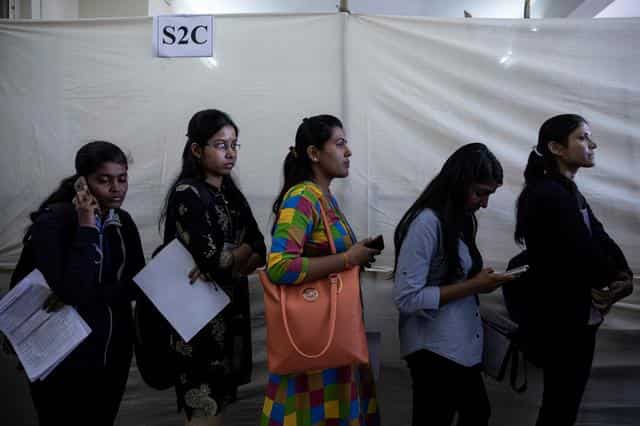
Unemployment in India
According to a recent report published by Bengaluru-based Azim Premji University, a significant 42 per cent of graduates under the age of 25 found themselves unemployed in the aftermath of the Covid-19 pandemic.
Thisfigure comes as the pace of job creation in the country slowed down due to the global economic downturn.
The report titled 'State of Working India 2023: Social Identities and Labour Market Outcomes,', is based on data from the Periodic Labour Force Survey (2021-22) conducted by the National Statistical Office (NSO). It highlights a notable disparity in unemployment rates among individuals with higher education. It revealed that "the unemployment rate falls from over 40 per cent for educated youth under 25 years of age to less than 5 per cent for graduates who are 35 years and above." However, the report emphasises the importance of understanding the quality and suitability of the jobs that graduates eventually secure.

The report also explores the connection between India's economic growth and job creation, concluding that this relationship remains weak.
It stated, "Since the 1990s, year-on-year non-farm GDP growth and non-farm employment growth are uncorrelated with each other, suggesting that policies promoting faster growth need not promote faster job creation." But it also noted that between 2004 and 2019, growth did translate into decent employment, with this trend disrupted by the pandemic, leading to an increase in distress employment.
This report arrives amidst upcoming state elections and the general elections scheduled for May 2024. It also comes amid protests by opposition parties regarding the persisting issue of joblessness. The university had previously released a report before the 2019 elections, indicating that five million jobs were lost during 2016-2018. While the report did not establish a direct link, it's worth noting that the government's demonetisation of Rs 500 and Rs 1,000 banknotes occurred in November 2016.
)
AI kill switch explained: Why shutting down a dangerous AI may not be as simple as pressing a button
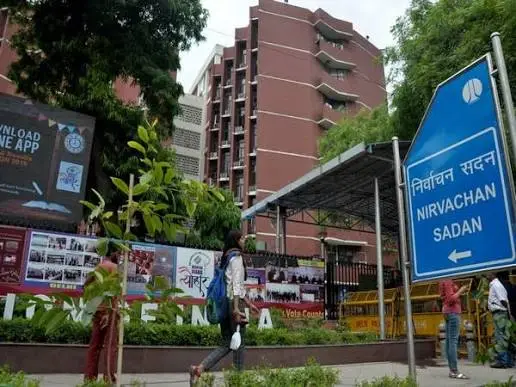)
'Does not mean name deletion': EC issues clarification after ex-Election Commissioner, former CM Kejriwal, EAM Jaishankar, others get SIR notices
)
US ships in Indian Ocean ‘will be attacked’ if war resumes, warns Iran
)
Delhi Air pollution: Strict crackdown on waste burning
)
SNL UK takes aim at Ed Sheeran with AI Princess Diana sketch
)
‘0% chance’: Nvidia CEO Jensen Huang dismisses AI extinction fears by 2030
)
Trump says he'll build an 'AI Force' and appoint a czar, for 'high IQ' people only
&im=FitAndFill=(700,400))
What TSMC's 2nm technology means for Apple
)
'Were you here to sell chickpeas?': Wasim Akram criticises Babar Azam's captaincy
)
Apple reportedly building AI server with M8 Ultra chips, may use Nvidia technology
)
TIFF 2026: Theja Rio’s Angh wins Platform Prize, puts Nagaland story on global stage
)
BTS' fans question iHeartRadio’s treatment of group after brief festival set
)
Glitch in the matrix caught on camera: Woman vanishes after talking to reporter
)
Samsung raises Galaxy S26 prices by Rs 20,000: Here’s what each model now costs
)
Fleming's aspirations as England Test coach include WTC, top ranking and Ashes
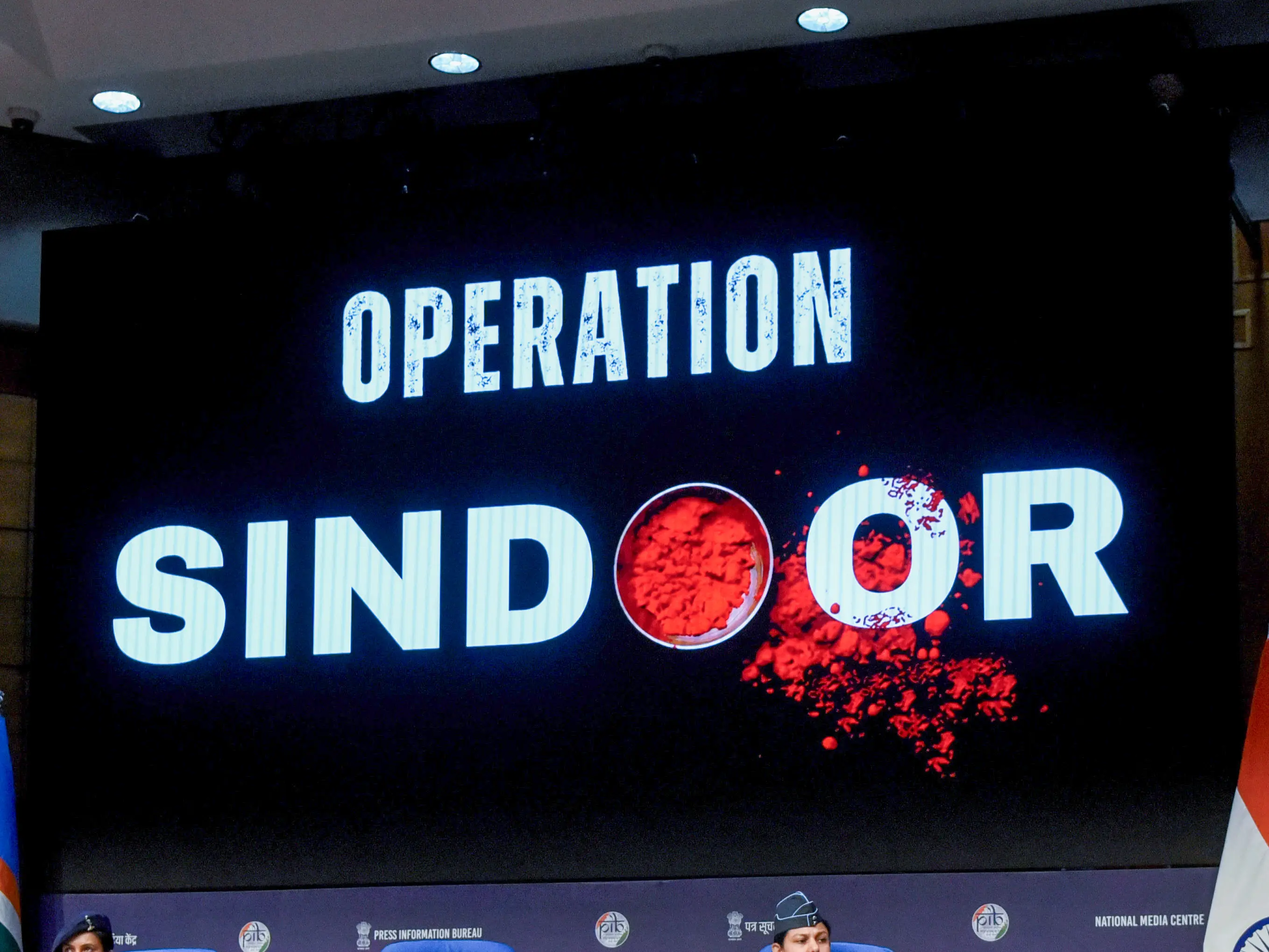)
Operation Sindoor’s hidden naval dimension | MoD reveals Indian Navy Special Forces joined May 7 strikes
)
Trump-Xi summit: US Treasury Secretary holds meeting with Chinese Vice Premier
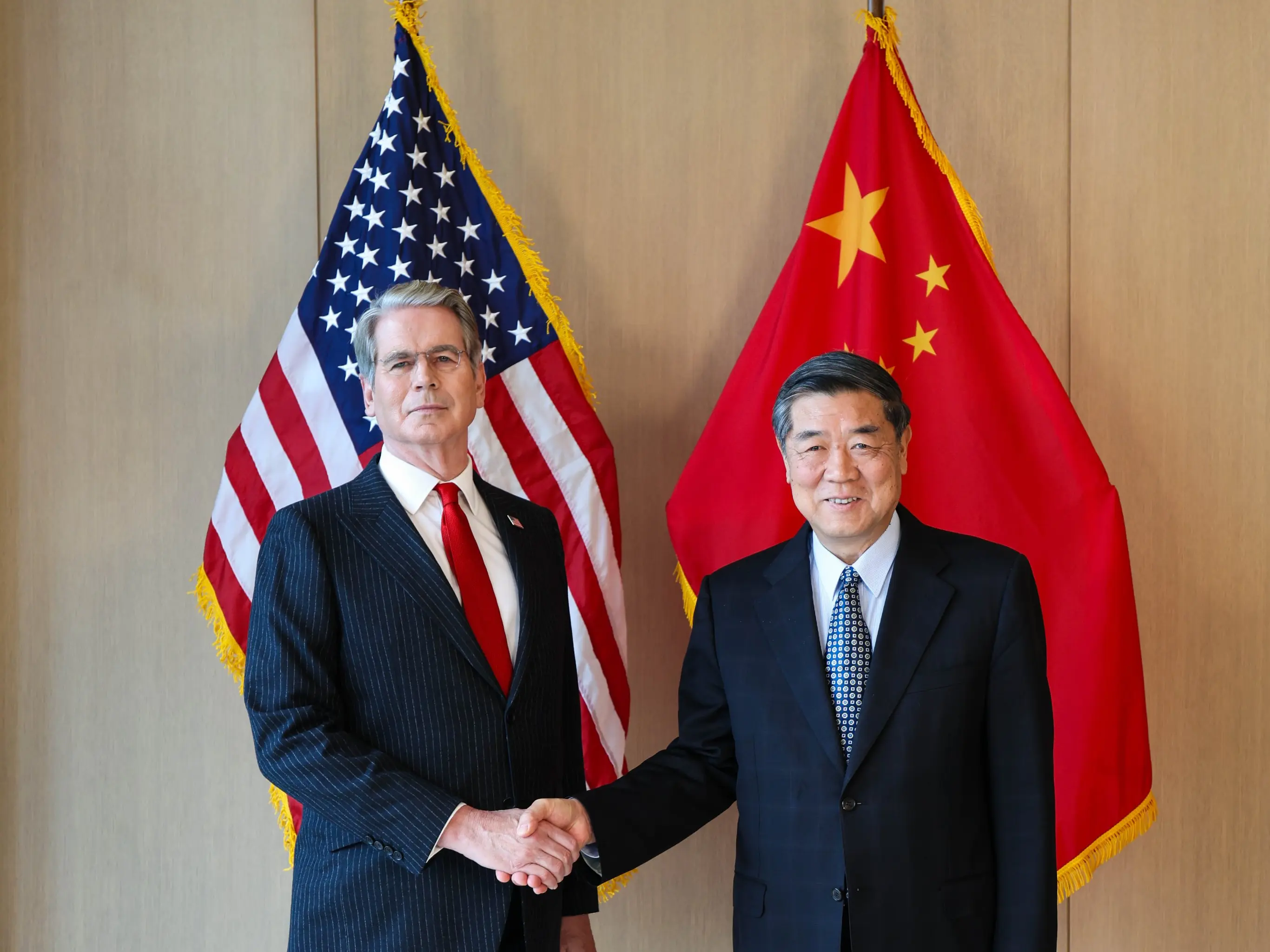)
Bessent meets China’s He Lifeng to prepare for Trump-Xi summit
)
S Jaishankar, former Army chief among high-profile names issued Delhi SIR notices
)
CDU suffers historic defeat in eastern Germany as AfD surges, Merz vows to stay on
)
Iran sets 7 conditions to end war with US: What are Tehran’s demands?
)
Arvind Kejriwal, family members, Delhi CM Rekha Gupta get SIR notices
)
AI actress Tilly Norwood glitches mid-interview, switches from English to Chinese | Watch
)
Saudi vs Houthis: Houthis claim missiles & drones used in attack on key Saudi sites
)
Ed Sheeran addresses Macklemore's removal, Gaza conflict during Philadelphia concert: 'I cannot hide how I feel'
)
Punjab man consumes poison outside DC office; Congress, BJP target AAP government
)
Saudi Arabia exits China-led mBridge digital currency platform amid Saudi-Houthi conflict
)
ICE shooting in Texas leaves man seriously injured; officials demand independent investigation and transparency
)
'Lot of things to learn from experienced players': Jayasuriya backs Rohit, Virat for 2027 ODI World Cup
)
Chancellor Friedrich Merz vows to stay on as exit polls signal major poll setback
)
Taylor Swift has a 'proud wife' moment as Travis Kelce scores first touchdown of season: 'That’s my husband!'
)
North Korea's nuclear tests triggered 1,399 earthquakes: Earth is still shaking | Gravitas
)
Several petrol pumps, other businesses to refuse UPI payments above Rs 2,000 from Oct 16: Is it legal?
&im=FitAndFill=(700,400))
New OTT releases this week (September 21-27, 2026): Shaque: Trust No One, Hunkkaar, Don’t Be Shy- 5 new titles coming to Netflix, Prime Video and more
&im=FitAndFill=(700,400))
Gulshan Grover turns 70: Ram Lakhan, Gangster, Hera Pheri- Must-watch movies of the actor on OTT platforms
)
Noel Tata challenges Chandrasekaran’s reappointment as Tata Sons chairman. What happened at the board meeting
&im=FitAndFill=(700,400))
Kareena Kapoor birthday special: Inside her net worth, best movies, luxurious lifestyle and love story with Saif Ali Khan
)
Delhi: Flagged voters remain on the draft roll but face hearings
)
China now makes advanced memory chips without the machines it was banned from buying
)
Jailer 2: Vidya Balan joins Rajinikanth's upcoming film as Kantha | Watch
)
Microsoft executive called AI training the ‘largest theft of labour in human history’
)
Italy moves to ban face veils in schools as Meloni pushes new integration measures
In August 2023, the Union government unveiled Rs 1.18 trillion worth of programs spanning various sectors, aiming to create jobs. Despite these efforts, the manufacturing sector, a significant source of employment in the economy, has struggled to expand. Informal services have taken the centre stage as the main job creators, presenting a challenge for policymakers.
The report further highlights the changing dynamics of employment in India. It stated, "On the one hand, the economy has grown rapidly since the 1980s, drawing millions of workers out of agriculture. And the proportion of salaried or regular wage workers has risen while that of casual workers has fallen." On the other hand, manufacturing has failed to significantly increase its share of GDP or employment, with construction and informal services emerging as the primary sources of job creation.
The report lastly, touches upon gender-based earnings disparities in India. It noted that over the past decades, these disparities have reduced, with salaried women workers earning 76 per cent of what their male counterparts earned in 2017, up from 70 per cent in 2004. This reduction in the gender pay gap has remained consistent through 2021-22.
WATCH WION LIVE HERE