

&imwidth=800&imheight=600&format=webp&quality=medium "Here are things that will cost Americans more post-Trump's new tariff")
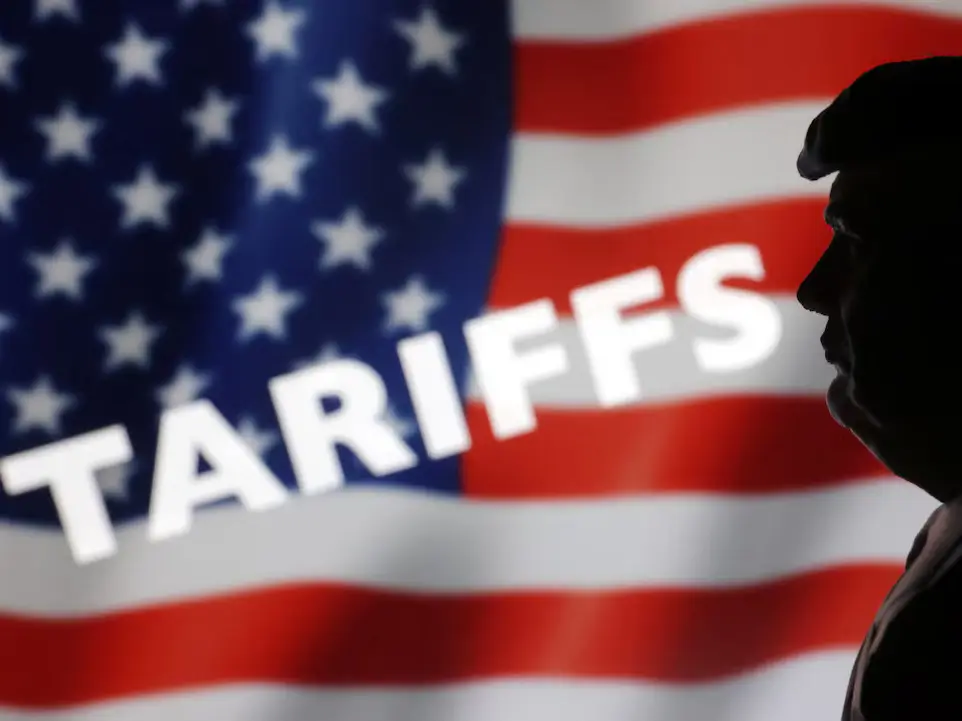
US President Donald Trump’s sweeping new tariffs, designed to boost American manufacturing and generate billions in revenue, are already hitting consumer wallets. While allies like the European Union and Japan have struck deals to dodge the worst tariffs, others like Canada and Vietnam are facing steep hikes from August 1. And for ordinary Americans, the price pain is just getting started. are now as high as 50 per cent on some imports, including Canadian crude oil and Brazilian coffee. The Budget Lab at Yale warns that clothing prices alone may surge up to 37 per cent in the near term.
So, what exactly will Americans be paying more for?
Products that will cost Americans more under Trump’s tariffs
| Product Category | Countries Targeted | Tariff Range | Key Impact |
| Clothing & Footwear | China, Vietnam, Bangladesh | 19–30% | Budget apparel to see price spikes at Target & Walmart |
| Coffee | Brazil, Vietnam | 20–50% | Morning brew to get more expensive |
| Olive Oil & Produce | EU, Mexico | 15–25% | Pasta nights and avocado toast take a hit |
| Alcohol | EU, Mexico | Varies | Champagne, whiskey & canned beers costlier |
| Cars & Auto Parts | Global (excl. EU, Japan) | Up to 25% | Higher cost of imported and even US-assembled cars |
| Construction Goods | Canada, global | Up to 50% | Steel, copper & lumber prices raise home costs |
| Energy & Fuel | Canada | 10% | Heavier crude tariffs may push up gas prices |
Clothes no longer cheap as chips
Whether it’s Levi’s jeans or Nike trainers, most US clothing comes from overseas. Countries like Vietnam, China, and Bangladesh dominate supply chains. According to the BBC, tariffs on Chinese apparel are now 30 per cent, with Vietnam and Bangladesh next in line at 19–20 per cent from August.
That’s already nudging up retail prices. After months of decline, US apparel prices jumped 0.4 per cent from May to June, per the Bureau of Labor Statistics. Analysts at Yale’s Budget Lab predict that the average consumer could soon pay over a third more for everyday clothing.
Big retailers like Walmart and Target are under pressure. Bloomberg reports many brands are passing on at least part of the cost to consumers, and the back-to-school season may be the first casualty.
Coffee
America imports nearly all its coffee. That’s bad news when Brazilian beans that will face a 50 per cent import tariff, and Vietnamese coffee 20 per cent, according to Reuters.
Even Starbucks may struggle to hold prices steady. As per Bloomberg, global coffee futures are rising due to trade tensions and adverse weather. Combined with tariffs, the daily caffeine fix could soon strain wallets, especially for low-income households.
Trending Stories
&imwidth=180&imheight=135&format=webp&quality=medium)
Other Mommy leads North American box Office as Verity, Resident Evil round out top four
&im=FitAndFill=(700,400)&imwidth=180&imheight=135&format=webp&quality=medium)
Navratri 2026: 9 days, 9 forms of Goddess Durga and 9 colours- Check the complete list
&im=FitAndFill=(700,400)&imwidth=180&imheight=135&format=webp&quality=medium)
Is sending robots to Mars easier than sending humans?
&imwidth=180&imheight=135&format=webp&quality=medium)
A watchdog rated 'ChatGPT for Teens' an unacceptable risk and says keep under-18s off it
&imwidth=180&imheight=135&format=webp&quality=medium)
1,500 drones illuminate Mumbai sky as Cordelia Cruises unveils second ship, Cordelia Sky
&imwidth=180&imheight=135&format=webp&quality=medium)
'Just coincidence': Police mistakes protester as AISA chief Neha Bora, arrests her from site
&imwidth=180&imheight=135&format=webp&quality=medium)
Anthropic's AI invented a murder witness and sent the fake tip to Philadelphia police
&imwidth=180&imheight=135&format=webp&quality=medium)
CJI Surya Kant declines INDIA bloc leaders’ request for meeting ahead of march to SC, asks them to file petition
&imwidth=180&imheight=135&format=webp&quality=medium)
One Indian killed in Riyadh airport attack; 11 others injured : MEA
&imwidth=180&imheight=135&format=webp&quality=medium)
Imran Khan released hours after Mumbai Police detain him during CJP protest
&imwidth=180&imheight=135&format=webp&quality=medium)
Nathan Lyon completes 1,000 Test runs at No. 10 to script rare cricket feat
&imwidth=180&imheight=135&format=webp&quality=medium)
Top AI models flunked a test of inventing new AI research, so much for self-improving AI
&imwidth=180&imheight=135&format=webp&quality=medium)
Wasim Jaffer blames Ajit Agarkar-led selection panel for Virat Kohli’s Test retirement
&imwidth=180&imheight=135&format=webp&quality=medium)
'Ouch!!! That must hurt': Kangana Ranaut hails Kamal Haasan's sharp reply to Elon Musk over Starlink row
&imwidth=180&imheight=135&format=webp&quality=medium)
Sidhu Moose Wala’s younger brother wins hearts by recreating late singer’s signature move at Toronto Hologram Show
&imwidth=180&imheight=135&format=webp&quality=medium)
Meta's Muse AI could be a security nightmare for India's billion-plus users
&imwidth=180&imheight=135&format=webp&quality=medium)
UK school ditches technology, shifts from screen to pen and paper for learning
&imwidth=180&imheight=135&format=webp&quality=medium)
IND vs WI, 3rd T20I: Abhishek Sharma smashes 18-ball fifty, sets record for fastest to 2,000 T20I runs
&imwidth=180&imheight=135&format=webp&quality=medium)
Houthis claim Riyadh airport attacks, Aramco strikes; issue fresh warning to airlines, travellers and workers
&imwidth=180&imheight=135&format=webp&quality=medium)
Portugal Federation confirms Cristiano Ronaldo’s return to national team despite suspension
&im=FitAndFill=(700,400)&imwidth=180&imheight=135&format=webp&quality=medium)
New OTT releases this week (October 12-18, 2026): Sacrifice, Koffee with Karan S9, Roadies Rebirth- 6 titles coming on Netflix, JioHotstar and more
&imwidth=180&imheight=135&format=webp&quality=medium)
Microsoft's Nadella says treat every AI model as already hacked, and build an 'emergency brake'
&imwidth=180&imheight=135&format=webp&quality=medium)
Delhi protest: CJI Surya Kant declines to meet India Bloc leaders
&imwidth=180&imheight=135&format=webp&quality=medium)
Are Gold and Silver poised for a rebound soon?
&imwidth=180&imheight=135&format=webp&quality=medium)
China imposes first-ever sanctions on ministers from Taiwan allies: What this means
&imwidth=180&imheight=135&format=webp&quality=medium)
McSweeney reveals how studying Virat Kohli’s YouTube clips helped Australia A conquer India
&imwidth=180&imheight=135&format=webp&quality=medium)
Maharashtra appoints FDA commissioner Tukaram Mundhe as secretary of committee for MPSC overhaul amid stir
&imwidth=180&imheight=135&format=webp&quality=medium)
The street cannot govern India, but the government cannot ignore it either
&imwidth=180&imheight=135&format=webp&quality=medium)
Iran: US accepted some conditions, Clarity needed on others
&imwidth=180&imheight=135&format=webp&quality=medium)
Nana Patekar's cause of death confirmed; here's what his postmortem report says
&imwidth=180&imheight=135&format=webp&quality=medium)
iPhone Duo price index: Tracking Apple’s latest pricing trends
&imwidth=180&imheight=135&format=webp&quality=medium)
'Say no to Muse': Meta has no control over its own moderation AI while it forces a security nightmare on everyone
&imwidth=180&imheight=135&format=webp&quality=medium)
Delhi Protest: Congress calls for march to Supreme court
&imwidth=180&imheight=135&format=webp&quality=medium)
Delhi wakes up to heavy rain, thunderstorms; yellow alert in place; temperature drops
Olive oil, avocados & tomatoes take a hit
Olive oil from Italy or Spain, tomatoes from Mexico, these food staples are caught in the tariff crossfire.
The 15 per cent tariff on EU goods, and separate duties on Mexican produce, are already showing up in shelf prices. Yale’s Budget Lab forecasts a 3.4 per cent jump in food prices, with fresh items like avocados and tomatoes seeing sharper spikes.
While some exemptions were granted, the coverage remains patchy. “The food aisle will feel the pain well before the factory floor sees any gain,” one food importer told Reuters anonymously.
What about alcohol?
Europe sends nearly €9 billion ($9.8 billion) of alcohol to the US each year, including champagne and Irish whiskey, as per Bloomberg.
While the recent EU-US deal removed some food tariffs, it’s unclear if alcohol was included. If not, drinkers may pay more for their favourite imports. Meanwhile, Mexican beers like Corona face higher prices due to aluminium tariffs, which raise canning costs. Given that over 64 per cent of beer in the US is canned, the impact could be wide.
Car buyers beware: Tariffs hit global supply chains
Trump’s 25 per cent tariff on imported vehicles and parts, softened to 15 per cent for EU and Japanese imports, still leaves others exposed. Although car prices haven’t soared yet, analysts warn this may change. “Manufacturers are currently absorbing the shock,” Erin Keating from Cox Automotive told BBC. “But it’s not sustainable.”
Ironically, some American-brand cars built in Mexico or Canada also face levies, meaning US companies may lose ground to foreign automakers with local plants.
Building homes? It’s going to cost more
Trump’s earlier tariffs on steel and aluminium have already nudged up home construction costs. A new 50 per cent levy on copper and looming tariffs on Canadian lumber could make things worse.
The National Association of Home Builders says the average home price could rise significantly if lumber tariffs go through. As per the Canadian Chamber of Commerce, Canada supplies 69 per cent of US lumber, 25 per cent of imported iron and steel, and 18 per cent of copper.
“Consumers end up paying for the tariffs in the form of higher home prices,” NAHB warned.
Canadian crude tariffs may fuel price hikes
Trump’s 10 per cent tariff on Canadian energy exports is a wildcard. While oil and gas imports were mostly exempt, the move may upset the balance.
According to official US data, 61 per cent of US crude oil imports (Jan–Nov 2024) came from Canada. American refineries depend heavily on “heavy crude” from Canada for diesel and jet fuel.
If Canada retaliates, Bloomberg warns fuel prices in the US could rise, even though the country is a net oil exporter.
Tariffs or tax? Americans will feel the cost
Trump insists the tariffs will bring jobs home and bolster the US economy. But as Yale’s economists, Bloomberg analysts and Reuters surveys suggest that the upfront cost may be borne by households.
Whether it’s denim, drip coffee, or diesel, for millions of Americans, the next shopping bill might come with a tariff-shaped surprise.
(With inputs from the agencies)