Global electric vehicle sales slow in July amid decline in China

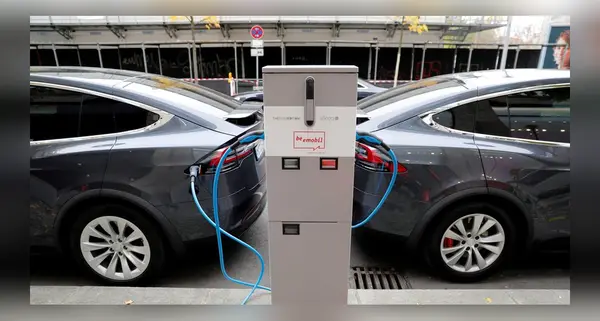
Tesla Model X electric cars recharge their batteries in Berlin, Germany, November 13, 2019. Photograph: (Reuters)
Despite the regional variations, Rho Motion maintains a positive outlook for global EV adoption, with the trajectory still expected to be strongly upward in the coming years. However, the market faces some challenges.
Global electric vehicle (EV) sales grew 21 per cent year-on-year in July, the slowest rate since January, according to market research firm Rho Motion. This growth rate was down from 25 per cent in June and highlights a slowdown in the booming EV sector. The decline was primarily driven by a significant dip in plug-in hybrid electric vehicle (PHEV) sales in China, the world’s largest car market, which accounts for more than half of global EV sales.
In July, China’s EV market saw its growth rate fall to 12 per cent from an average of 36 per cent per month in the first half of the year. Rho Motion’s data manager, Charles Lester, attributed this slowdown to a pause in government subsidies for EV and PHEV purchases, which had been a key driver for the market's rapid growth. Despite the slowdown, China remained the largest EV market, with sales reaching around one million units.
Europe and North America show resilient growth
While China’s market has cooled, other regions are compensating with impressive growth figures. In Europe, EV sales surged by 48 per cent year-on-year to approximately 390,000 units, fuelled by government incentives aimed at accelerating the decarbonisation of the automotive sector. North America also saw growth, with sales increasing by 10 per cent to over 170,000 units in July. Meanwhile, sales in other parts of the world grew by 55 per cent, reaching more than 140,000 units.
The growth in European markets like Germany, the UK, and Italy has been notable, with sales in these countries increasing by 43 per cent, 32 per cent, and 40 per cent, respectively. The European Union’s policies and tax incentives continue to drive the adoption of EVs as part of its broader climate goals.
Market outlook and challenges ahead
Trending Stories
)
)
)
)
)
&im=FitAndFill=(700,400))
)
)
&im=FitAndFill=(700,400))
)
)
)
)
)
)
)
)
)
)
)
)
)
)
)
)
)
)
)
)
)
)
&im=FitAndFill=(700,400))
&im=FitAndFill=(700,400))
)
&im=FitAndFill=(700,400))
)
)
)
)
)
Despite the regional variations, Rho Motion maintains a positive outlook for global EV adoption, with the trajectory still expected to be strongly upward in the coming years. However, the market faces some challenges. In China, the EV sector is expected to return to strong growth in August as new funds are made available for government subsidy schemes. On the other hand, a planned reduction in US tax credits for EV purchases, set to take effect by the end of September, could dampen demand in North America.
The slowdown in global EV sales in July reflects shifting dynamics in major markets. As countries continue to tweak policies to meet sustainability targets, the path forward for the EV industry is expected to be a mix of regional successes and challenges.
(With inputs from agencies)