

&imwidth=800&imheight=600&format=webp&quality=medium "Gen Z lifts UK consumer confidence to 2025 peak, will the BOE follow with a rate cut?")
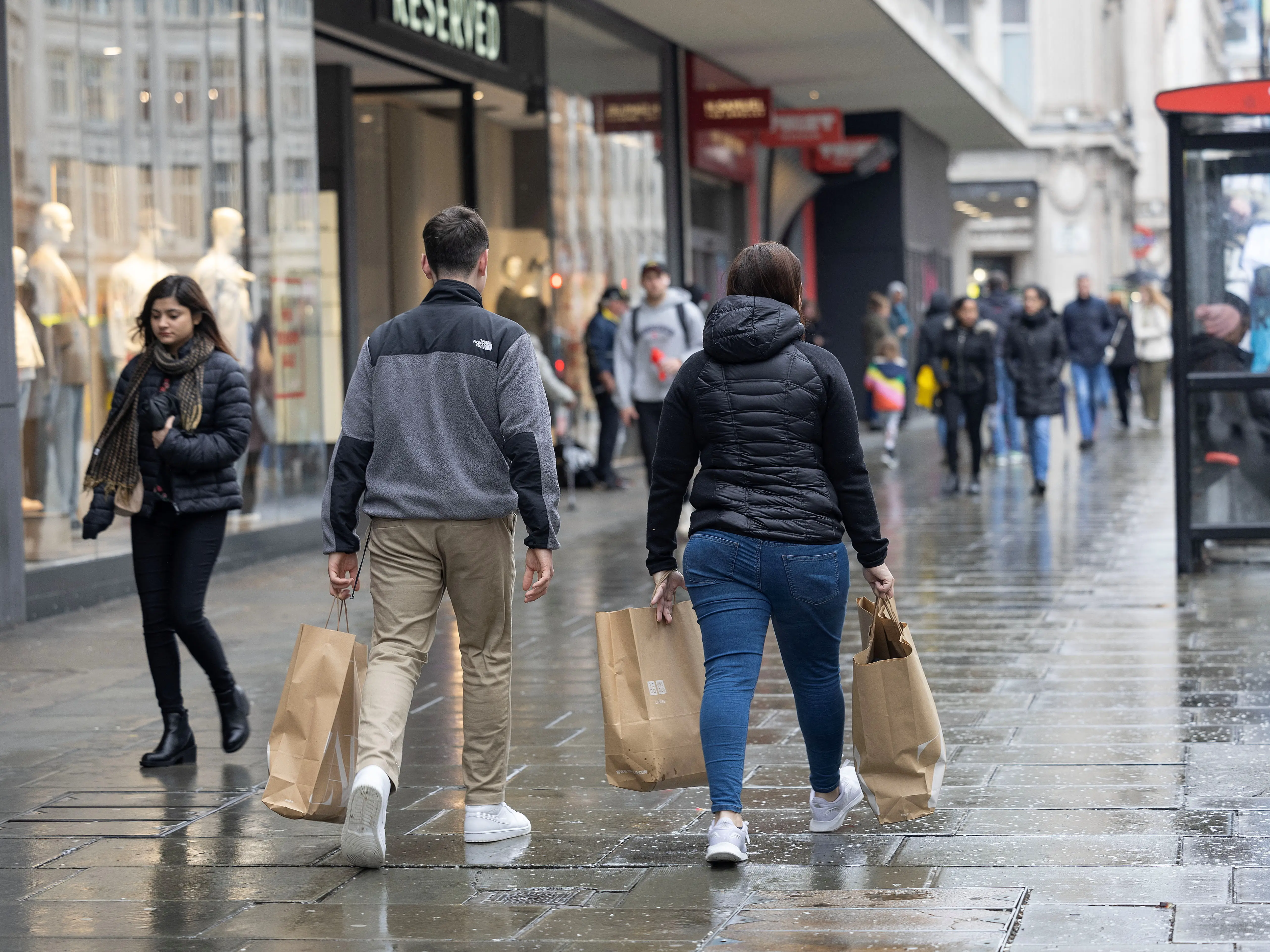
UK consumer confidence has hit its highest level this year, thanks largely to an upbeat shift among young people.
According to the British Retail Consortium (BRC), economic expectations for the next three months improved to minus 28 in June from minus 36 in May, the strongest reading since December.
Gen Z led the rebound, buoyed by April’s minimum wage hike. “This rising optimism may also reflect the increase in minimum wage from April, with many younger people expected to have seen a significant uplift in their pay packet,” said Helen Dickinson, chief executive of the BRC, as quoted by Reuters.
It marks a second consecutive monthly improvement after consumer sentiment slumped under Labour’s April tax hikes, rising inflation, and global uncertainty.
Spending power rises, but the economy stumbles
Despite improved sentiment, Britain’s broader economic picture remains fragile. GDP shrank by 0.3 per cent in April, according to official data from the Office for National Statistics (ONS), after a fresh round of business tax hikes and a drop in exports to the United States.
Trending Stories
&imwidth=180&imheight=135&format=webp&quality=medium)
'Nidal Hasan's firing-squad execution to be livestreamed', says Pentagon; first US military execution since 1961
&imwidth=180&imheight=135&format=webp&quality=medium)
'Baseless and misconceived': India issues statement after Elon Musk's 'oligarchs' claim over Starlink delay
&imwidth=180&imheight=135&format=webp&quality=medium)
Trump's naked 23-karat gold statue unveiled near European Parliament
&imwidth=180&imheight=135&format=webp&quality=medium)
Musk doubles down on Starlink India licence allegations; Rahul Gandhi says ‘wait till...’
&imwidth=180&imheight=135&format=webp&quality=medium)
Thai Actors Fourth Nattawat, Gemini Norawit face racism accusations from Indian fans over viral Bollywood act
&imwidth=180&imheight=135&format=webp&quality=medium)
Nigeria govt rolls out 30-day NNPC petrol discount, insists it is not a subsidy
&imwidth=180&imheight=135&format=webp&quality=medium)
Captain Smit Machchhar on feet again, walks 10 steps as recovery continues after Flydubai flight attack
&imwidth=180&imheight=135&format=webp&quality=medium)
‘Battlespace has expanded’: Wg Cdr Priti Ojha (Retd) reflects on changing face of air power on IAF Day
&imwidth=180&imheight=135&format=webp&quality=medium)
At least one plane ‘catastrophically damaged’ at Riyadh airport after Houthi strikes: Report
&imwidth=180&imheight=135&format=webp&quality=medium)
‘IPL franchises provided a big base’: SA20 commissioner Graeme Smith on league’s success
&imwidth=180&imheight=135&format=webp&quality=medium)
24-year-old Sri Lankan man sentenced to death for blasphemy in Saudi Arabia
&imwidth=180&imheight=135&format=webp&quality=medium)
A Love Other Than Yours: The temptation to cheat and what pushes people over the edge
&imwidth=180&imheight=135&format=webp&quality=medium)
Russia president Putin promises to 'do everything' to help settle Middle East conflict as US-Iran negotiations stall
&imwidth=180&imheight=135&format=webp&quality=medium)
Trend to replace mindless snacking with dark chocolate chunks
&imwidth=180&imheight=135&format=webp&quality=medium)
BTS agency HYBE announces first-ever Weverse Con Festival in India
&imwidth=180&imheight=135&format=webp&quality=medium)
Trump has a new 'enemy': Anyone who calls it 'artificial intelligence'. Here's what we wants instead
&imwidth=180&imheight=135&format=webp&quality=medium)
Paxton in leaked audio says Trump hurting his election chances
&imwidth=180&imheight=135&format=webp&quality=medium)
India at UN: Pak allows terror groups to operate from its soil
&im=FitAndFill=(700,400)&imwidth=180&imheight=135&format=webp&quality=medium)
Nana Patekar’s upcoming big-screen films: From Shakti Shalini to Eetha
&imwidth=180&imheight=135&format=webp&quality=medium)
Nobel Peace Prize 2026: Trump to Carney, who are the top contenders? Why the ISS is a surprise contender
&imwidth=180&imheight=135&format=webp&quality=medium)
Nana Patekar death: Doctor reveals cause of death, shares details of actor’s final moments
&imwidth=180&imheight=135&format=webp&quality=medium)
Flydubai flight attack: Indian pilot Smit Machchhar to receive Israel's highest civilian bravery award for saving 174 lives
&im=FitAndFill=(700,400)&imwidth=180&imheight=135&format=webp&quality=medium)
US midterms 2026: 10 leaders and candidates to watch in the battle for Congress
&imwidth=180&imheight=135&format=webp&quality=medium)
42 ex-judges write open letter, express concern over allegations against Election Commission
&im=FitAndFill=(700,400)&imwidth=180&imheight=135&format=webp&quality=medium)
From Kramatorsk buses to Yandex fire: Russia-Ukraine war in the last 48 hours
&imwidth=180&imheight=135&format=webp&quality=medium)
Pakistan denies reports of PAF jets being used in attacks against Iran-backed Houthis in Yemen
&imwidth=180&imheight=135&format=webp&quality=medium)
Man shot during encounter with federal agents in New York, ICE reportedly involved
&imwidth=180&imheight=135&format=webp&quality=medium)
Atlantic hurricane Isaias could make landfall as a strong Category 2 storm, tornado warnings issued
&imwidth=180&imheight=135&format=webp&quality=medium)
Nana Patekar's #MeToo controversy: From Tanushree Dutta’s allegations to court ruling
&imwidth=180&imheight=135&format=webp&quality=medium)
Who is Nana Patekar's wife Neelakanti? The bank officer who earned Rs 2,500 when he earned Rs 50
&imwidth=180&imheight=135&format=webp&quality=medium)
France student protests: Over 500 arrested, govt promises 3,000 substitute teachers
&imwidth=180&imheight=135&format=webp&quality=medium)
French students light European bonfire, protests erupt in Belgium, Italy & Greece | Gravitas
&imwidth=180&imheight=135&format=webp&quality=medium)
New Cold War: Why is China buying more gold? Explained
&imwidth=180&imheight=135&format=webp&quality=medium)
Zendaya gives The Odyssey white lace jacket a stylish twist at Paris Fashion Week 2026
&imwidth=180&imheight=135&format=webp&quality=medium)
US suspends Microsoft, Infosys, Tata, Wipro from green card programme over alleged H-1B abuse
&imwidth=180&imheight=135&format=webp&quality=medium)
Trump honours Microsoft CEO Satya Nadella with top technology honour amid immigration scrutiny
&imwidth=180&imheight=135&format=webp&quality=medium)
Sri Lankan Tamil worker gets death sentence in Saudi Arabia over blasphemy, calls for pardon intensify
Inflation also remains elevated. Consumer price inflation stood at 3.4 per cent in May, the highest in over a year, largely driven by food and essential goods, further tightening household budgets.
The economy is teetering between weak growth and persistent inflation, raising stagflation fears. “We forecast inflation to remain above 3 per cent for the remainder of the year amidst persistent wage growth and the inflationary effects from higher government spending,” said Monica George Michail of the National Institute of Economic and Social Research, as quoted by Bloomberg.
Bank of England expected to pause again at 4.25%
Against this backdrop, the Bank of England is widely expected to hold interest rates steady at 4.25 per cent when its Monetary Policy Committee (MPC) announces its decision at 12:00 BST on Thursday.
The Bank last cut rates in May, from 4.5 to 4.25 per cent, marking its fourth rate cut in a year. However, analysts believe further reductions are likely to be delayed until late 2025.
“We therefore expect the Bank of England to keep rates on hold this Thursday and implement just one further cut this year,” Michail added, as quoted by Bloomberg.
While policymakers had hinted at further easing, stubborn inflation, and external risks, such as rising oil prices from the Israel–Iran conflict and US import tariffs are forcing the Bank into a more cautious stance.
Trump tariffs, oil shocks muddy the outlook
Like the US Federal Reserve, the Bank of England is watching President Donald Trump’s trade moves closely.
The White House’s fresh tariff agenda has already disrupted UK–US exports and contributed to global inflation uncertainty.
Oil prices have also been on the rise amid the six-day-old Israel–Iran conflict. Any prolonged escalation could push fuel and transport costs even higher, complicating inflation control across Europe.
“The current tensions in the Middle East are causing greater economic uncertainty,” said Michail, noting that energy shocks typically feed through quickly to consumer prices.
How this affects UK's common man's mortgage or savings
For ordinary Britons, the Bank’s pause means borrowing costs will likely remain elevated. The Bank Rate used as a benchmark for everything from mortgage loans to savings returns has kept debt expensive but also improved interest for savers.
According to Moneyfacts, the average two-year fixed mortgage rate is currently 5.12 per cent, while five-year deals average 5.10 per cent. About 600,000 UK homeowners are on tracker mortgages tied directly to the Bank Rate, meaning any cut or hold immediately impacts monthly repayments.
More than 80 per cent of mortgage holders are on fixed-rate deals, many of which were set when rates were far lower. These households have faced steep increases in repayments upon renewal, with little relief in sight until the Bank resumes cutting.
Gen Z leads the rebound, but for how long?
While the minimum wage boost has improved sentiment, analysts warn that wage growth may not be enough to offset rising prices. Gen Z, although more optimistic, may feel the pinch later in the year if inflation remains sticky and job growth slows again.
Still, the recent confidence rebound could be an early sign of recovery. “There’s cautious hope that households are ready to spend again,” said a senior retail analyst at Capital Economics, as quoted by Bloomberg. “But it all depends on whether prices stabilise and the global picture clears.”
What happens next?
The Bank of England’s next big decision hinges on global risks, inflation data, and government spending trends. Most economists expect at least one more rate cut by December, but policymakers are likely to wait for clarity on tariffs and energy prices.
Markets will be watching closely as central banks on both sides of the Atlantic tread carefully.
(With inputs from the agencies)