From spaghetti to strike: Italy's national pasta protest amid rising food prices

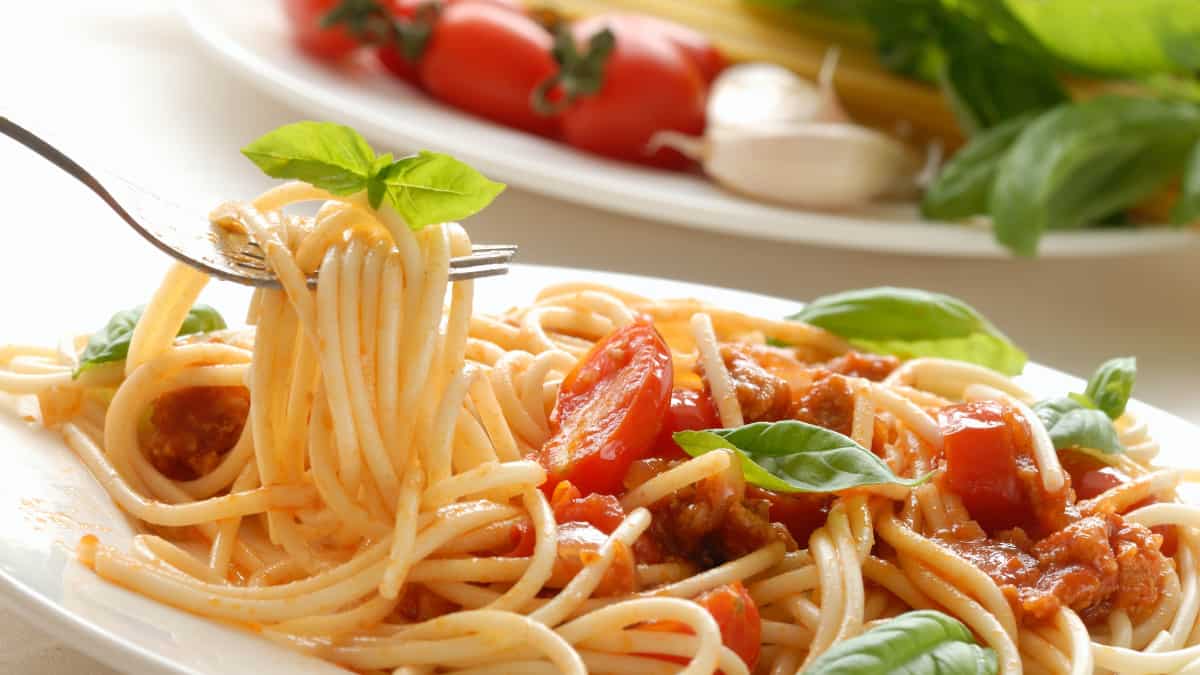
Pasta
Italians are preparing to take a stand against skyrocketing pasta prices as the cost of this beloved culinary staple has surged at a rate twice that of inflation, a report in the Associated Press said.
Frustrated with the lack of intervention from the government, a consumer advocacy group called Assoutenti has called for a weeklong national pasta strike set to commence on June 22nd.
This unprecedented move aims to bring attention to the disproportionate price-to-production cost ratio and force retailers to address the issue. Grocery prices have been rising across Europe due to various factors, including higher energy and labor costs, but the pasta price surge has hit Italian households particularly hard.

The ‘Macaroni’ Strike
Associated Press reported that the upcoming pasta strike, dubbed the 'Macaroni Strike' by Furio Truzzi, the president of Assoutenti, is inspired by the Anglo-Saxon tradition of boycotting goods.
Italians hope that the act of keeping pasta off the shelves will exert enough pressure on retailers to drive prices down. Assoutenti strongly believes that the current pricing of pasta is unjustifiably high and does not align with the actual production costs involved.
)
Oxford United's new clothing line featured 'United 93' phase
)
Pentagon revives mandatory testosterone testing for male troops aged 30 and above
)
Mark Carney mimics Trump in hilarious moment over C$70 billion clean-energy investment; room erupts in laughter
)
Iran rebuilding nuclear facilities? New satellite images show Tehran may be rapidly restoring bombed Parchin base
)
It's a girl! Deepika Padukone and Ranveer Singh welcome their second child
)
FACT CHECK: Why did PM Modi ask Xi ‘is it okay’ at BRICS Summit? New video reveals...
)
Putin: European leaders using war rhetoric to save falling ratings
)
China may have gained access to US's classified F-35 jets; parts meant for repairs diverted to Hong Kong, sparking Pentagon inquiry
)
Arvind Kejriwal, family members, Delhi CM Rekha Gupta get SIR notices
)
Russia election: Moscow voting system hit by ‘powerful, continuous’ cyberattacks, says official
)
Cochin shipyard starts building Indian Navy's next-gen missile vessels
)
Claude led 26% of Anthropic's AI R&D work
)
Brigitte Bardot’s private collection set for Paris auction; key items and prices revealed
)
Why Ranveer Singh’s Dhurandhar missed India’s Oscar entry; FFI jury member reveals what happened
)
‘Will go to any extent’: Pakistan vows to defend Saudi Arabia amid Houthi attacks
&im=FitAndFill=(700,400))
Ananya Panday to Sharvari: 5 actresses serving major princess vibes
66 years of the Indus Waters Treaty: How India and Pakistan settled a bitter river dispute
)
The Verdict | When precision fails: US commits war crime in Minab school strike, UN finds
Russia attacks Ukraine with 174 drones, kills 8; 2 vessels hit in Black Sea
)
Trump signs Russia sanctions bill into law, targets Moscow’s energy sector
)
Pak: A series of counter terrorism operations in Khyber Pakhtunkhwa
)
Ajit Agarkar’s future as chief selector to be decided at right time, says BCCI secretary
)
Flying cars in UAE: Ras Al Khaimah signs deal with Chinese company to test new transport
)
Reacher star Alan Ritchson opens up about alleged blackmail, suicide attempt during difficult period
)
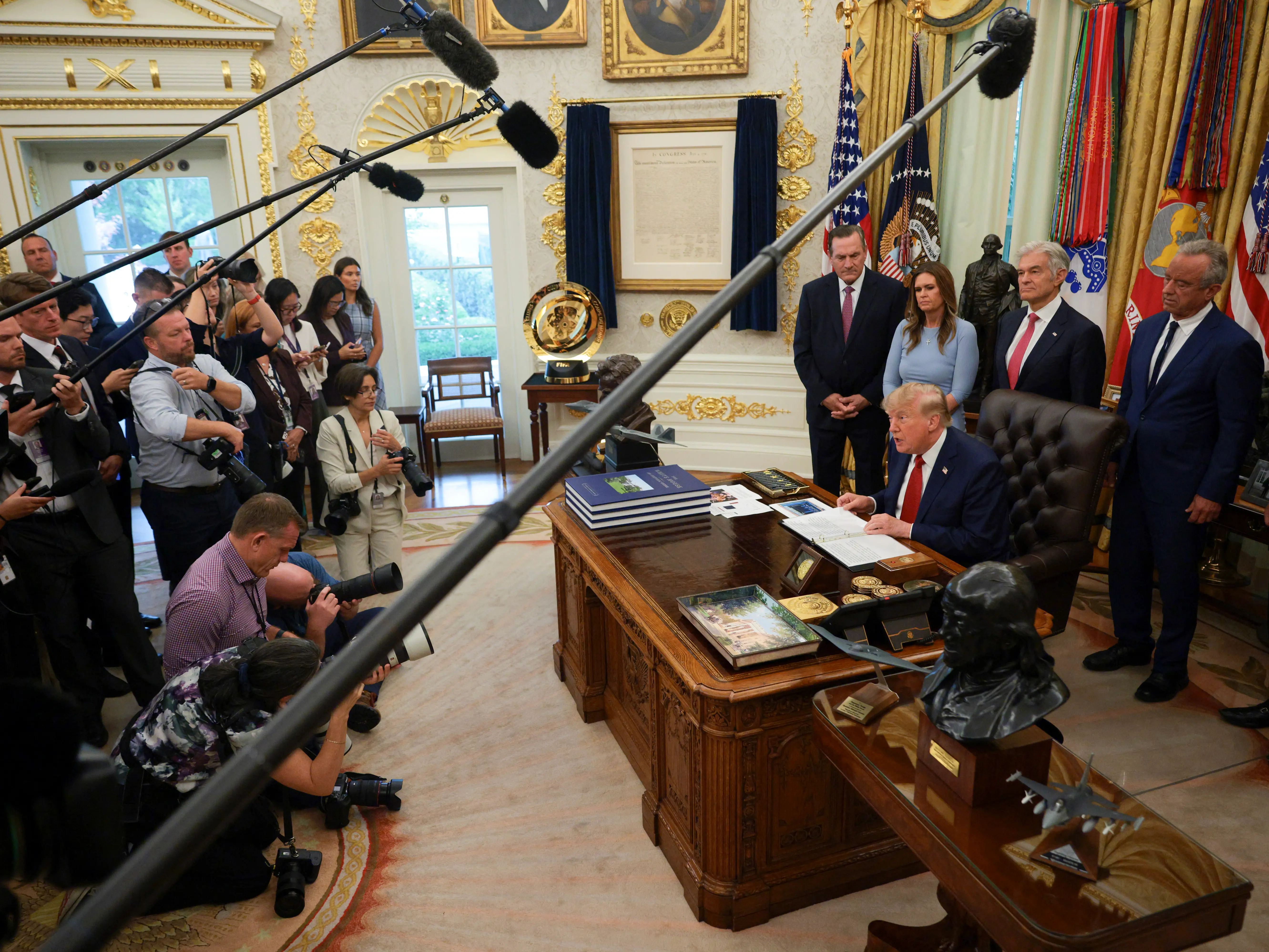
Africa is splitting, and a lot sooner than estimated, giving way to a new ocean
)
Trump bans CNN, MS NOW and Politico from White House over ‘FAKE NEWS’
)
Trump 2.0: Dark days ahead for America’s ‘imperial presidency’
)
New brain discovery could aid neurological disease studies
)
Drone strikes cooling tower at Russia's Kursk Nuclear Plant, IAEA confirms
&im=FitAndFill=(700,400))
How many F-35s does Britain, Japan and Israel have?
)
Tirupati Laddu ghee adulterated with chemicals, says ED, supplier arrested
)
IIT Bombay student dies by suicide, was caught seeking AI help during exams
)
Trump extends H-1B visa's $100,000 fee until September 2027: What it means for Indians?
)
Russia holds first parliamentary elections since the beginning of the Ukraine war
&im=FitAndFill=(700,400))
Meet top 5 Indian batters with fastest T20I centuries
)
Extreme warming in Indian Ocean added 695 billion tons of ice to Antarctica ice sheet
)
)
Government Response and Public Impact
While some European countries have implemented price controls or brokered agreements with grocery stores to alleviate the burden on consumers, the Italian government has chosen not to intervene directly in the market. Instead, they plan to enhance price monitoring and collaborate closely with the country's 20 regions. However, this decision has been met with disappointment from Italians who were hoping for more decisive action.
Italian families feel the strain of rising grocery costs, with an average yearly expenditure increase of €915 ($984). The impact extends beyond pasta, affecting other essential items such as sugar, rice, olive oil, and potatoes.
To cope with the situation, a significant portion of the population has resorted to reducing their grocery store spending and opting for discount stores. However, even discount prices are not as affordable as they used to be, exacerbating the challenges faced by pensioners and low-income individuals.
Implications and Demands
The pasta crisis in Italy highlights the growing divide between those who can afford everyday essentials and those who struggle to make ends meet. As food banks witness a surge in demand, the situation has drawn attention to the urgent need for relief measures.
Meanwhile, the French government has reached a three-month agreement with supermarket chains to reduce prices on hundreds of staple foods, which is expected to extend throughout the summer. Similar discussions have taken placein the United Kingdom, where food inflation has reached a 45-year high.
Some other countries likeHungary and Croatiahave resorted to mandating price controls on specific items like cooking oil, pork cuts, wheat flour, and milk. However, economists caution that such measures could potentially worsen food inflation by stimulating demand while discouraging new supply.
As Italy braces for the national pasta strike, the world's eyesare on this unique form of protest. The outcome remains uncertain, but one thing is clear: Italians are determined to bring about change and pasta back to their tables.
(With Inputs from agencies)