

&imwidth=800&imheight=600&format=webp&quality=medium "From bromance to breakup: The rise and ruin of Trump and Musk’s relationship")
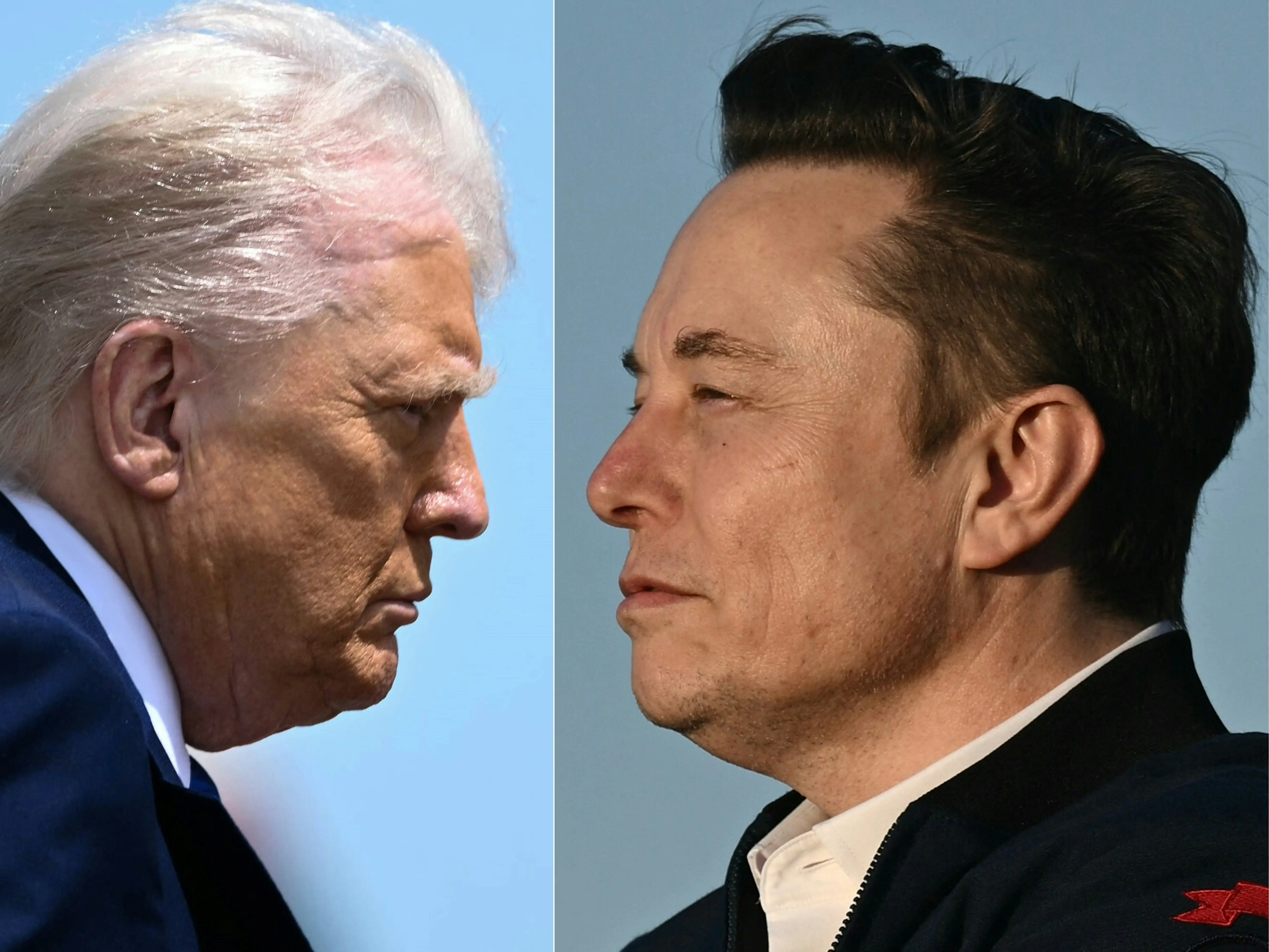
What began as one of the most powerful political-tech partnerships in modern American history has now devolved into an epic feud. The once-close relationship between President Donald Trump and billionaire Elon Musk has collapsed in spectacular fashion—publicly, bitterly, and with potentially far-reaching political and economic consequences.
Just a few months ago, Musk stood beside Trump on the steps of the US Capitol, lauded during the president’s second inaugural address as a “super genius” and “a star”. Today, their mutual admiration has turned into open hostility. Musk has called Trump’s spending bill a “disgusting abomination”, while Trump has threatened to revoke billions of dollars in government contracts with Musk’s companies.
It’s a rupture that feels both inevitable and tragic, a classic tale of egos too large to share the same spotlight.
A high-wattage beginning
The roots of the Trump-Musk alliance trace back to the summer of 2024, when Musk publicly endorsed Trump following an assassination attempt during a campaign rally. From there, the alliance deepened quickly.
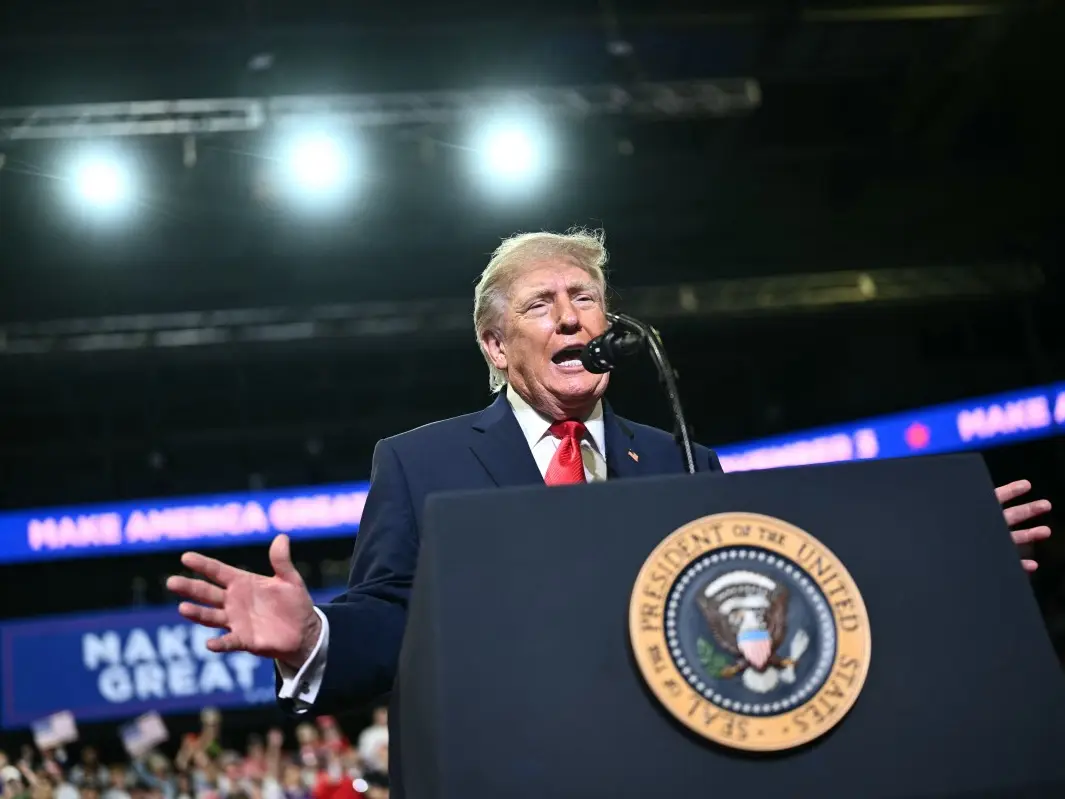
Musk appeared at Trump rallies, wore MAGA (Make America Great Again) hats, and declared the former president the only candidate who could “preserve democracy in America”.
Trending Stories
&imwidth=180&imheight=135&format=webp&quality=medium)
Brendan Taylor overtakes Andy Flower to become Zimbabwe’s leading ODI run-scorer
&im=FitAndFill=(700,400)&imwidth=180&imheight=135&format=webp&quality=medium)
What is the real meaning behind Pete Hegseth's tattoos?
&imwidth=180&imheight=135&format=webp&quality=medium)
Kenyan cult leader found guilty over starvation deaths of nearly 200 children
&imwidth=180&imheight=135&format=webp&quality=medium)
Flying car race: Alef Aeronautics welcomes Tesla Roadster '11 years' later, but are the two models the same?
&imwidth=180&imheight=135&format=webp&quality=medium)
France is burning. Trump blames immigrants. But who is answering Europe's real questions? | The Verdict
&imwidth=180&imheight=135&format=webp&quality=medium)
Shastri backs Shami comeback; lauds Bhuvi and warns Bumrah on format workload ahead of World Cup
&imwidth=180&imheight=135&format=webp&quality=medium)
Netanyahu rival Benny Gantz quits Israel election race, vows to push for unity government
&imwidth=180&imheight=135&format=webp&quality=medium)
US Midterm 2026: What do opinion polls and prediction markets say less than two weeks before voting
&imwidth=180&imheight=135&format=webp&quality=medium)
WATCH | Albania protesters set Supreme Court on fire as anti-Rama riots escalate
&imwidth=180&imheight=135&format=webp&quality=medium)
Trump Commerce Secretary Howard Lutnick’s family fortune more than doubles to $7.3 billion, outpacing his boss
&im=FitAndFill=(700,400)&imwidth=180&imheight=135&format=webp&quality=medium)
Ghaziabad is world's fastest-growing city; Surat, Patna, Rajkot also feature on list
&imwidth=180&imheight=135&format=webp&quality=medium)
‘Spare India from anarchy’: Over 400 Indian-origin academics from MIT, Oxford condemn anti-CEC protests
&imwidth=180&imheight=135&format=webp&quality=medium)
Haunting of a New York brewery: Apparition caught on camera at 160-year-old establishment
&imwidth=180&imheight=135&format=webp&quality=medium)
Pakistan betrays Iran, shuts border, trade as Trump moves towards new war
&imwidth=180&imheight=135&format=webp&quality=medium)
PCB omits Atherton, Hussain from tri-series commentary panel over Imran Khan interview row
&imwidth=180&imheight=135&format=webp&quality=medium)
US Congressman Raja Krishnamoorthi describes foiled temple attack as ‘divine intervention’, criticises Vance and MAGA rhetoric
&imwidth=180&imheight=135&format=webp&quality=medium)
9/11 case: US Supreme Court rejects plea deal appeal by alleged mastermind Khalid Sheikh Mohammed
&imwidth=180&imheight=135&format=webp&quality=medium)
Girl 'dead' for 8 hours wakes up at her own funeral, dad insists she wasn't breathing
&imwidth=180&imheight=135&format=webp&quality=medium)
Pujara says 'Samson and Vaibhav cannot be in Playing XI' for India on NZ tour
&imwidth=180&imheight=135&format=webp&quality=medium)
One dead after shooting near mosque in Columbus, Ohio. Here's what we know so far
&imwidth=180&imheight=135&format=webp&quality=medium)
Watch: Trump predicts Netanyahu’s victory, says ‘You’re the man I want by my side’
&im=FitAndFill=(700,400)&imwidth=180&imheight=135&format=webp&quality=medium)
New OTT releases this week (October 19-25, 2026): Gajab Raat to Chaar Yaar-8 titles to watch during Dussehra week on Netflix, Prime Video and more
&imwidth=180&imheight=135&format=webp&quality=medium)
US business activity grows in June, but tariffs and inflation cloud outlook
&imwidth=180&imheight=135&format=webp&quality=medium)
Baby orangutan rescued in India returns to Indonesia
&imwidth=180&imheight=135&format=webp&quality=medium)
India moves to buy 10,000 more AI chips for a national compute pool open to startups
&imwidth=180&imheight=135&format=webp&quality=medium)
'Whatever I can do to end this war': Trump floats China Summit with Putin and Xi, questions Zelensky's role in peace talks
&imwidth=180&imheight=135&format=webp&quality=medium)
WATCH | Viral video shows woman jogging past burning barricade amid Paris unrest, sparks online debate
&imwidth=180&imheight=135&format=webp&quality=medium)
'Close up your borders': Trump blames immigration for France unrest, urges Macron to tighten border policies
&imwidth=180&imheight=135&format=webp&quality=medium)
'We feel like Mr India': Gujarat’s undercover SHE team guard garba nights at Navratri
&imwidth=180&imheight=135&format=webp&quality=medium)
Cattle-feed bran in biscuits, detergent in milk: FSSAI acts against 3 companies
&imwidth=180&imheight=135&format=webp&quality=medium)
'It's a joy to see the makers bring it on such a grand scale': SS Rajamouli on Ramayana
&imwidth=180&imheight=135&format=webp&quality=medium)
Priest dies after crucifix falls on his head during livestreamed Mass in Ecuador | VIDEO
&imwidth=180&imheight=135&format=webp&quality=medium)
US midterm elections 2026: Early voting picks up pace ahead of November 3 polls
The tech mogul’s social media platform, X, became a digital megaphone for Trump’s re-election campaign. Musk’s political enthusiasm wasn’t limited to cheerleading; he reportedly poured more than $100 million into efforts to return Trump to the White House, emerging as a potent new kingmaker in Republican politics.
In return, Trump elevated Musk in ways no modern president has done for a private citizen. Following his election victory in November 2024, Trump appointed Musk to lead the newly created Department of Government Efficiency (DOGE), tasking him with cutting federal waste and reshaping the bureaucratic state.
Musk’s role was far from ceremonial. He took part in Cabinet meetings and oversaw budget cuts. Trump defended Musk during global backlash against Tesla, calling him a “patriot” and vowing to buy a Tesla himself.
The beginning of the end
Despite the theatrics and mutual praise, tensions began to bubble beneath the surface early in 2025. As DOGE aggressively pushed cost-cutting and return-to-office mandates, backlash from federal workers and agencies grew. Musk’s efforts to overhaul agencies like the US. The Institute of Peace sparked internal resistance and mounting political headaches for the administration.
By March, Trump made it clear to his Cabinet that Musk was not in charge of federal departments—a subtle but significant reassertion of executive authority. Musk, for his part, publicly claimed the meetings were “productive”, but behind the scenes, his influence was waning.
April brought more cracks. Tesla reported disappointing earnings, with shares down more than 40 per cent for the year amid growing investor concern that Musk was overextended. He pledged to reduce his involvement in DOGE, and by May, he had exited the administration altogether, citing frustration with government inefficiency and the administration’s direction.
Even then, both men maintained a facade of cordiality. Trump held a farewell event for Musk, calling him “not really gone”, and Musk continued to visit the White House sporadically. But the goodwill would not last.
A collision of titans
The final break came in June, triggered by Musk’s vocal opposition to Trump’s sweeping tax and spending bill. Musk called the legislation “a disgusting abomination” and accused lawmakers of stuffing it with wasteful “pork”. He argued it undermined the very efficient efforts he had championed at DOGE.
Trump initially tried to downplay the criticism but quickly turned combative. He accused Musk of being upset over the rollback of electric vehicle tax credits and dismissed his opposition as “personal”.
The response from Musk was swift and scathing. He denied being consulted on the bill, lambasted the rushed legislative process, and suggested that Trump’s leadership was flawed. In a particularly pointed jab, he claimed Trump would have lost the 2024 election without his help.
What followed was an extraordinary online brawl. Trump threatened to cancel federal contracts with Musk’s companies—Tesla, SpaceX, and Neuralink among them. Musk responded by threatening to phase out SpaceX’s Dragon spacecraft, which provides critical transport services for NASA. Tesla’s stock nosedived, shedding $150 billion in value in a single day.
Adding fuel to the fire, Musk reposted a meme calling for Trump’s impeachment and suggested the president’s name may appear in the sealed Jeffrey Epstein files. Trump retaliated by branding Musk “crazy” and dismissing his influence on the campaign as overblown.
Now, as their feud dominates headlines and rattles markets, analysts are left wondering what happens next. Trump remains president, but Musk is still one of the most powerful voices in American business. Despite the fallout, their political fates may remain inextricably linked.
Musk’s departure from Trump’s orbit doesn’t sever their shared legacy. From reshaping the Republican Party’s donor class to creating a new archetype of tech-political partnership, the pair have already altered the political landscape. And with Musk now hinting at forming a new political party and Trump eyeing legislative victories, their rivalry could shape not just the next election but the future of American governance itself.