Elon Musk threatens legal action against Apple over app store rankings

&imwidth=600&imheight=450&format=webp&quality=medium "Elon Musk threatens legal action against Apple over app store rankings")
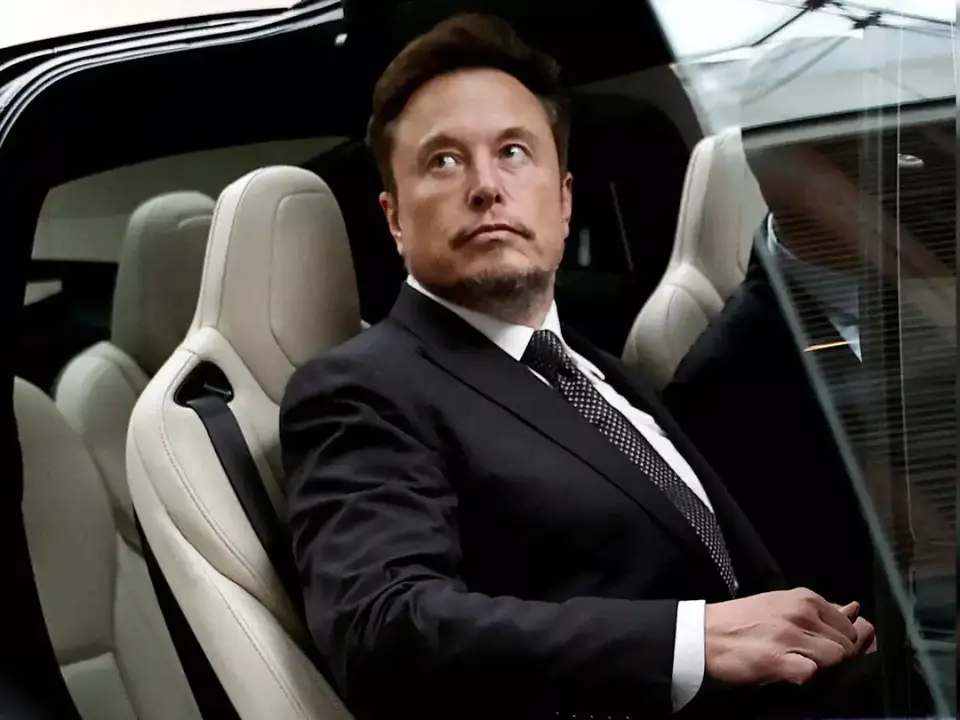
Elon Musk, founder of xAI. Photograph: (Reuters)
Elon Musk’s grievance is primarily that, despite good rankings, products like X and Grok are not receiving prominent placement in Apple's 'Must Have' section, despite their high popularity. He accused Apple of playing politics by ignoring the apps, which are top contenders in their categories
Elon Musk, the billionaire founder of xAI, has escalated his public feud with Apple, accusing the tech giant of antitrust violations in the way it manages its App Store rankings. Musk claimed on August 11 that Apple is deliberately hindering any AI company, except for OpenAI, from reaching the top spot in the App Store, describing it as an “unequivocal antitrust violation.” The outspoken entrepreneur posted the accusations on his social media platform, X, where he also vowed that xAI would take immediate legal action against Apple.
“Apple is behaving in a manner that makes it impossible for any AI company besides OpenAI to reach #1 in the App Store,” Musk said, adding that xAI would not stand for such “monopolistic behaviour”. Musk did not provide any concrete evidence to support these claims, and both Apple and xAI were unavailable for immediate comment on the matter. OpenAI, which has a close partnership with Apple to integrate its ChatGPT model into Apple devices, also did not respond to enquiries.
As of now, ChatGPT holds the top position in the US iPhone App Store’s “Top Free Apps” section, while Musk’s AI startup, xAI, ranks fifth with its Grok app. Google’s Gemini chatbot lags far behind in 57th place. ChatGPT also leads in rankings on the Google Play Store, according to Sensor Tower data. Musk’s grievance is primarily that despite these rankings, his own products, like X and Grok, are not receiving prominent placement in Apple's “Must Have” section, despite their high popularity. Musk has accused Apple of playing “politics” by ignoring these apps, which are top contenders in their categories.
The growing tensions between Musk and OpenAI
Musk’s comments come amid rising tension between his xAI and OpenAI, two major players in the AI industry. Musk's comments about Apple's bias have reignited the ongoing rivalry between the two companies, especially in the wake of OpenAI's recent launch of its GPT-5 model. In contrast, xAI launched its Grok 4 model last month and, according to Musk, continues to outperform OpenAI’s offerings despite GPT-5's recent release.
While Musk has not shared detailed evidence regarding his antitrust allegations against Apple, the criticism is not isolated. His remarks came shortly after OpenAI CEO Sam Altman hit back at Musk’s accusations, questioning Musk's own practices on social media. Altman criticised Musk's management of X, asserting that Musk manipulates the platform to benefit his own ventures and harm his competitors. In a pointed post, Altman suggested that Musk’s behaviour in controlling X’s algorithm has raised concerns regarding fairness in competition.
Trending Stories
)
)
)
)
)
)
)
&im=FitAndFill=(700,400))
)
)
)
)
)
)
)
)
)
)
)
)
)
)
)
)
)
)
)
)
)
)
)
&im=FitAndFill=(700,400))
)
)
&im=FitAndFill=(700,400))
)
)
)
)
)
)
)
“This is a remarkable claim given what I have heard alleged that Elon does to manipulate X to benefit himself and his own companies and harm his competitors and people he doesn’t like,” Altman wrote in a post on X. He added that OpenAI would stay focused on developing its AI products while also calling for “counter-discovery” regarding Musk’s claims of unfair practices.
Regulatory scrutiny of Apple's App Store
Musk’s accusations also coincide with growing scrutiny of Apple’s control over its App Store. In April, a US judge ruled that Apple had violated antitrust regulations and referred the company for a criminal contempt investigation in connection with a case brought by Epic Games, the creator of “Fortnite”. Furthermore, in the same month, the European Union fined Apple €500 million ($587 million) for restricting developers’ ability to direct users to cheaper deals outside the App Store, a practice that violated the Digital Markets Act.
As the battle between Musk’s xAI and OpenAI intensifies, so too does the scrutiny on Apple’s App Store practices. While Musk’s claims about a “monopolistic” approach to rankings remain unproven, they highlight the ongoing challenges faced by major tech platforms in navigating competition law and regulatory requirements.
(With inputs from agencies)