
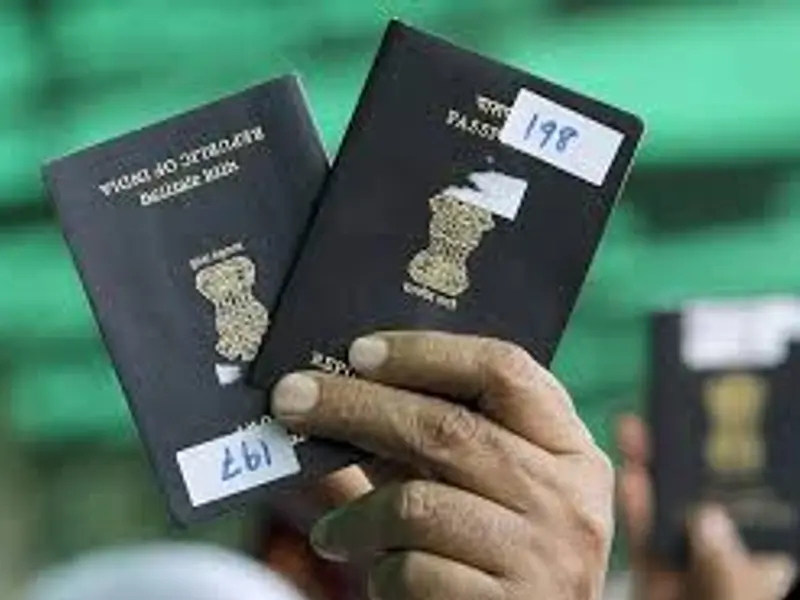
India has officially launched biometric e-passports in select cities, marking a significant advancement in travel document security and efficiency. This initiative, part of the Passport Seva Programme 2.0, aims to enhance international travel safety and streamline immigration processes for Indian citizens.
What Is an E-Passport?
An e-passport is a traditional passport booklet embedded with a Radio Frequency Identification (RFID) chip and antenna. This chip securely stores the holder’s personal and biometric information, including their photograph, fingerprints, passport number, and date of birth.

The data is encrypted and protected by international security standards such as Basic Access Control (BAC) and Extended Access Control (EAC), making it difficult to forge or tamper with.
Where Are E-Passports Being Issued?
As of now, e-passports are being issued in the following 13 cities:
Trending Stories
)
'She married her brother': Ilhan Omar faces criminal probe over immigration fraud claims
)
Bitter Zelensky snubs Trump for playing politics with Ukraine war | Gravitas
)
UPI rule change: 0.4% MDR on merchant payments above ₹2,000; consumers unaffected
)
India’s imports from Russia jump 57% in five months; China remains top import source
&im=FitAndFill=(700,400))
Why European Meteor missiles use ramjet engines compared to standard US solid rockets
)
‘US military task force aiding Saudi Arabia forces with intel, planning support’: Official
)
Top military commanders from US, Israel, and 7 Arab nations held secret meeting on Iran War
)
A big shift in modern air power & control
)
'Definitely feel bad for yourself': Kuldeep Yadav opens up on India Test snubs
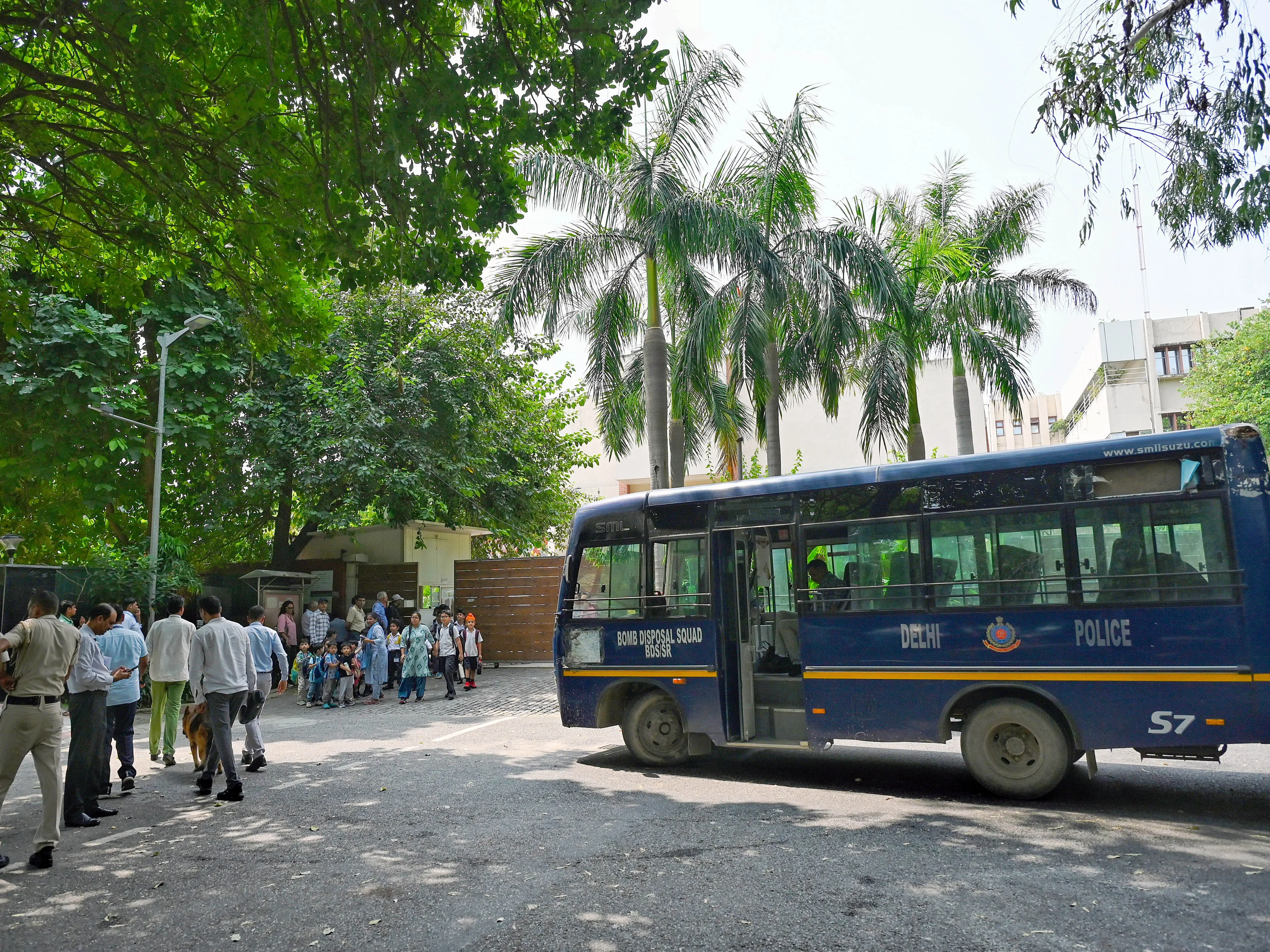)
Delhi schools receive bomb threats in Punjabi, security checks find nothing suspicious
&im=FitAndFill=(700,400))
Why Chinese PL-15 air-to-air missiles use dual-pulse motors compared to European interceptors
)
China's property crisis deepens as investment plunges nearly 20%
)
What is Hyrox, in news for athlete who soiled herself, but kept running and using common equipment?
)
‘We are sharing some difficult news’: Oracle begins fresh round of job cuts
)
800 million years old - Scientists discover 'fingerprints' of supercontinent Gondwana in ancient rocks
)
Russia proposes to build 360 kmph Ivolga FG trains in India: What happened on sidelines of BRICS
)
Saudi turns to Israel for intelligence help as Houthi attacks intensify: Report
)
Trump's name cannot return to Kennedy Center, US judge rules
)
Amid AI safety fears, OpenAI, Anthropic and Google move to create standards body
)
471 years ago, a prophecy warned of 'immortal lone brain'. Some think it was about AI
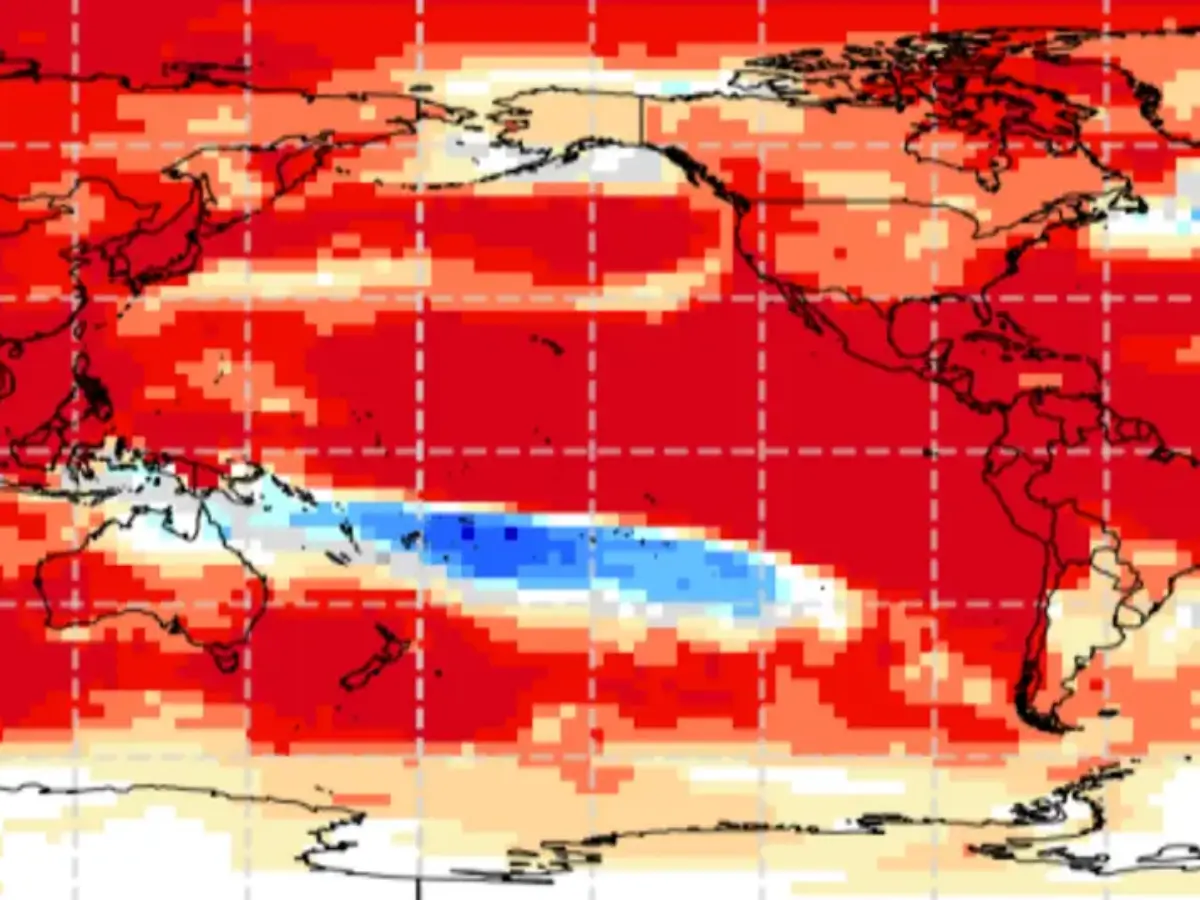)
2026 El Niño will create new extreme weather patterns. Worse, no one can predict them
)
1,200 Indian and US troops begin high-altitude and desert drills
)
Ex-CIA officer caught with gold bars worth $40 million seeks plea deal | Gravitas
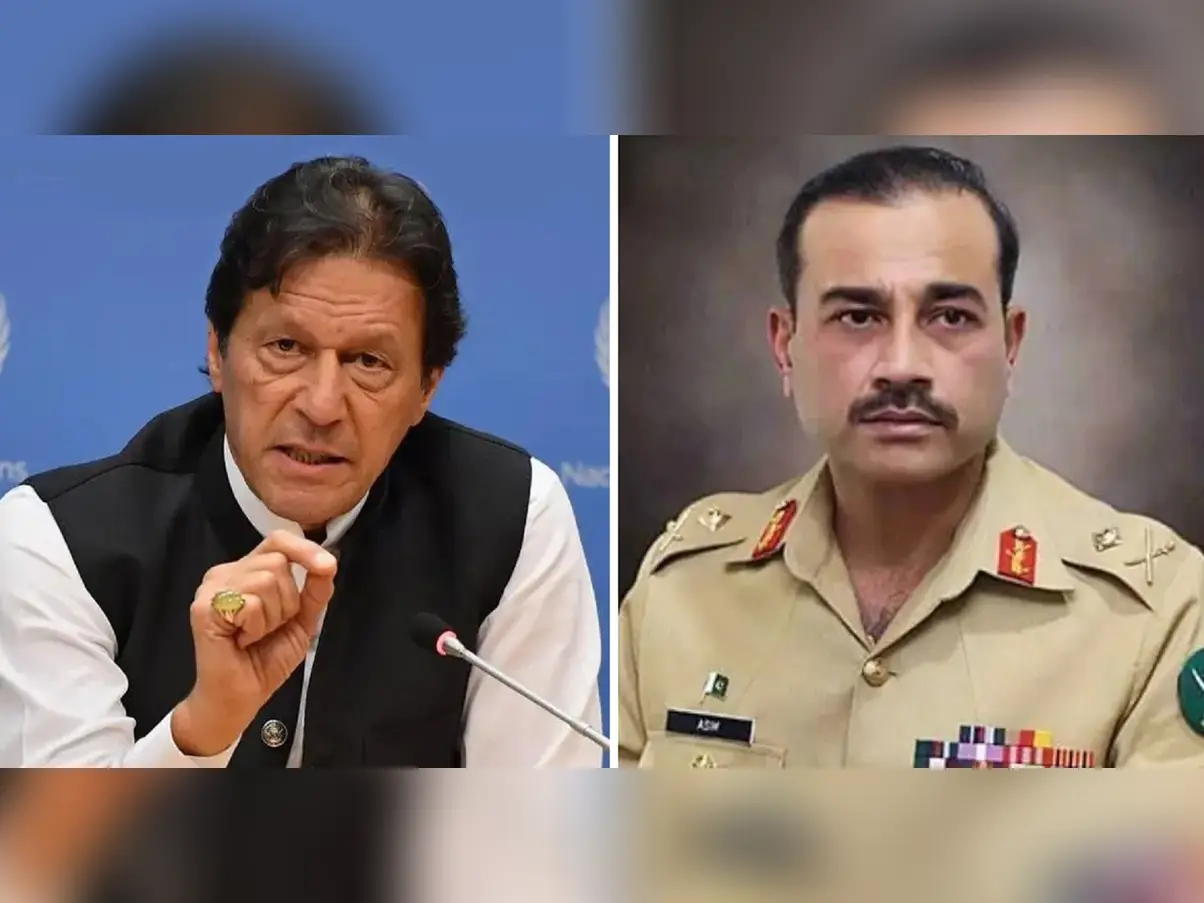)
Imran Khan’s sons accuse Asim Munir of holding ‘personal grudge’ against imprisoned father
)
Trump Calls AI Security Concerns A 'Hoax' | Verdict
&im=FitAndFill=(700,400))
New OTT releases this week (September 14-20, 2026): Lust Stories 3, Waiting Hai, Irumudi- 5 new titles coming on Netflix, Prime Video and more
)
US Treasury yields cross 5% as Scott Bessent warns of ‘global issues’ impacting bonds
)
Who is Kalyan Bainsla, accused in the Gurugram hit-and-run case involving woman biker?
)
Saudi Arabia discovers 110 million tonnes of Uranium-rich ore in Madinah region
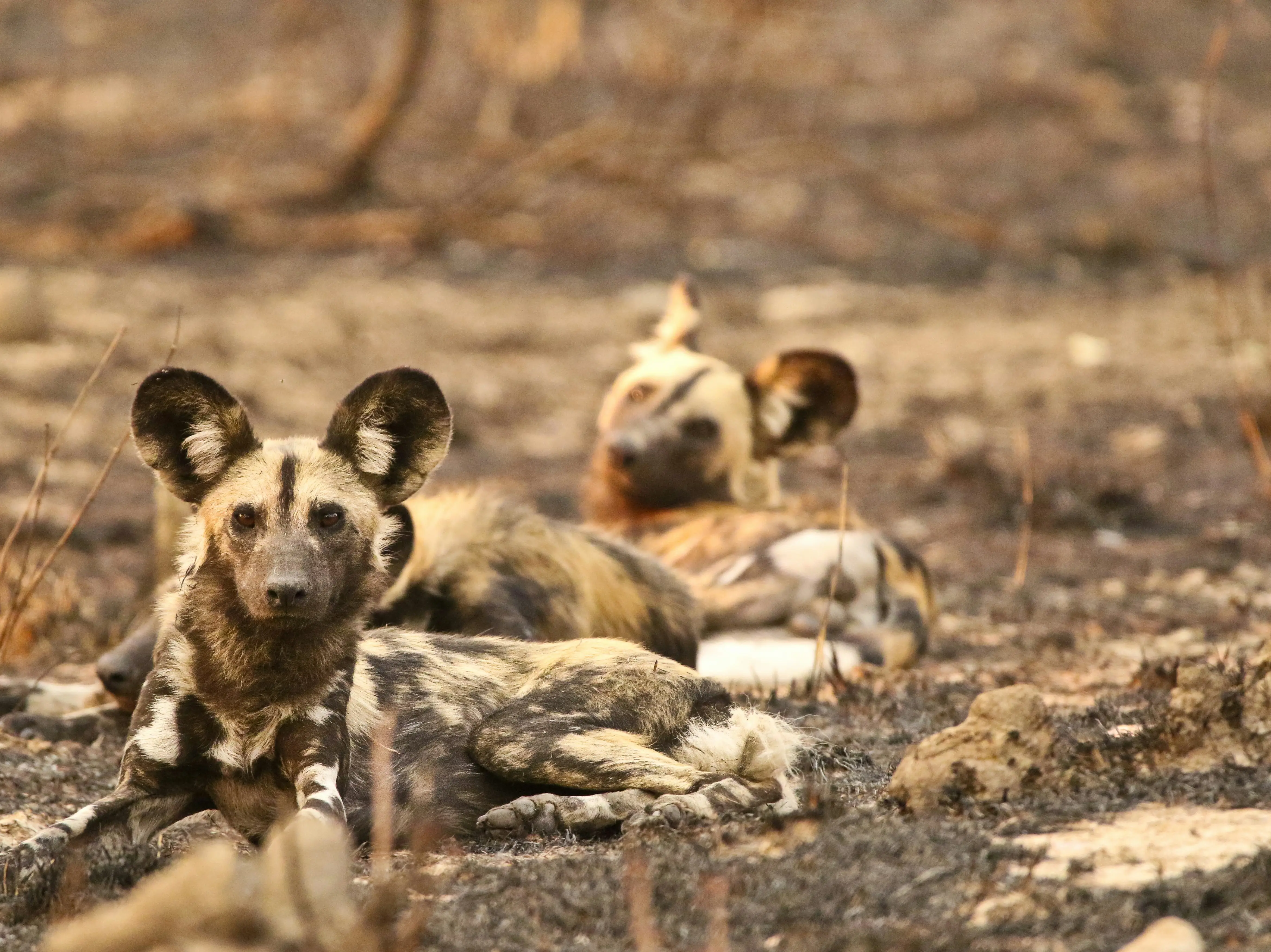)
3 wild dogs, 1 epic journey: African brothers trek 4,000 km through Zambia to find a partner
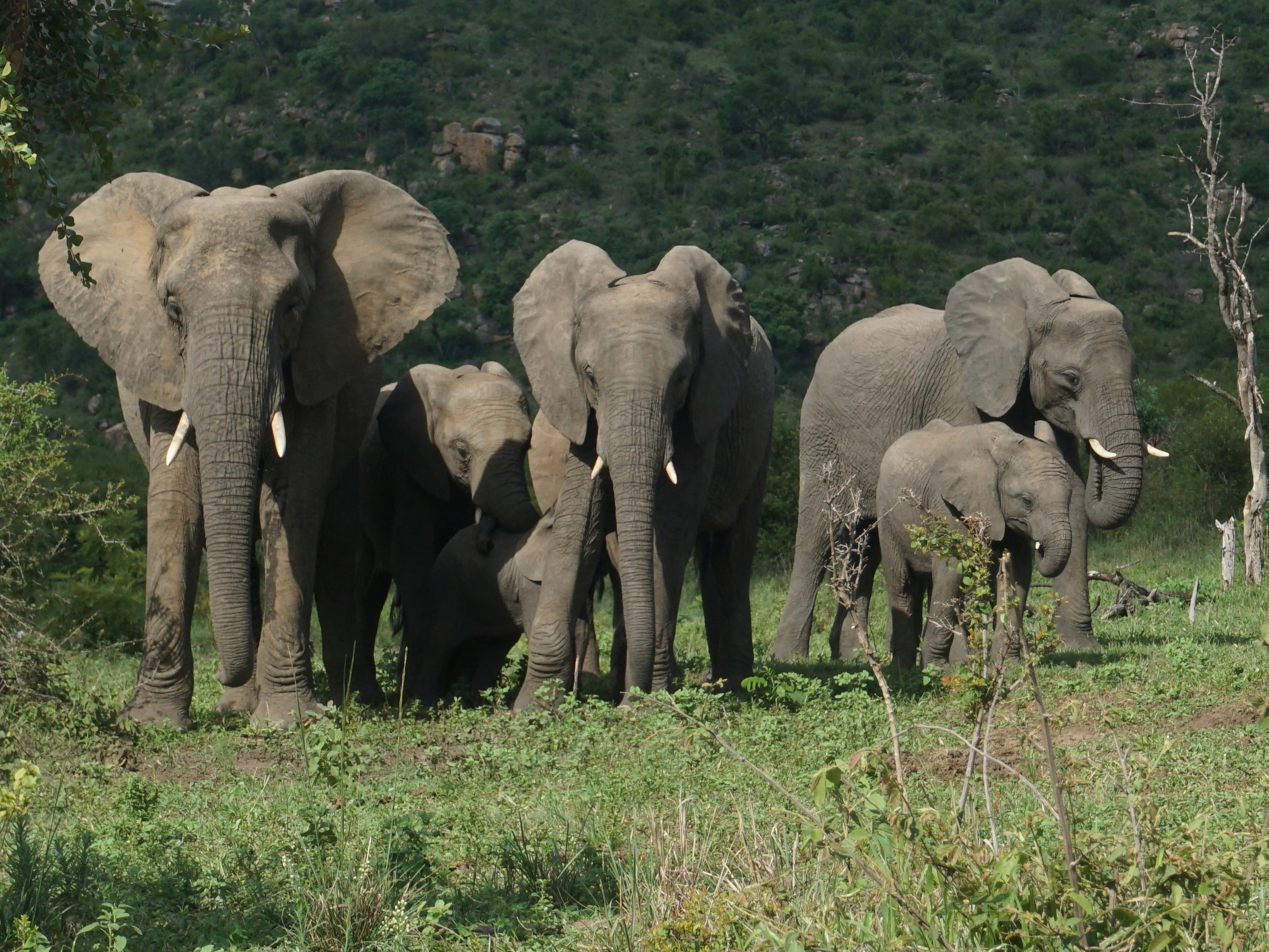)
Elephants hide behind trees, stage surprise attack on poachers targeting rhinos in South Africa
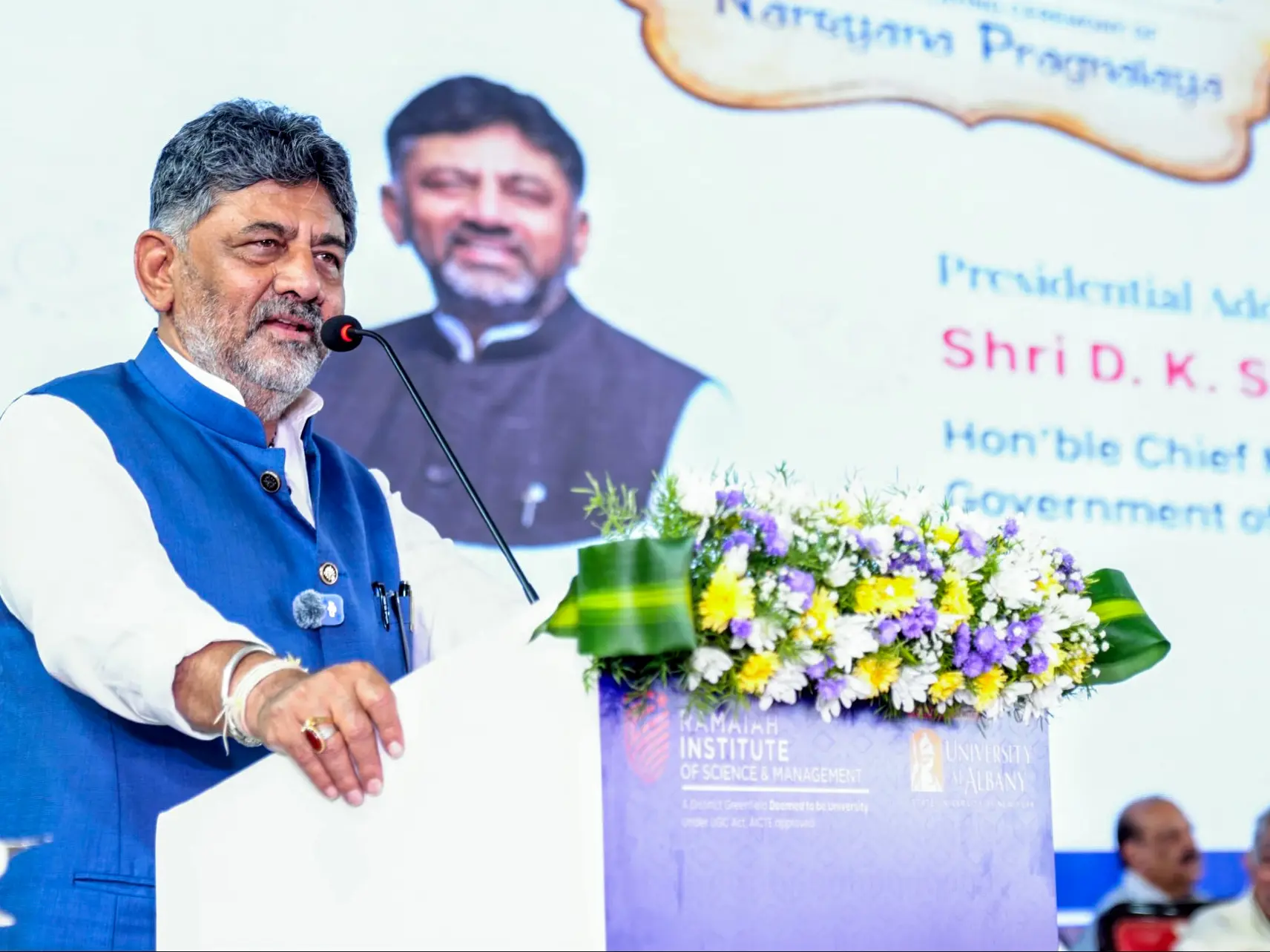)
'Now Trump is copying us': Shivakumar links US $5,000 plan to Congress guarantees
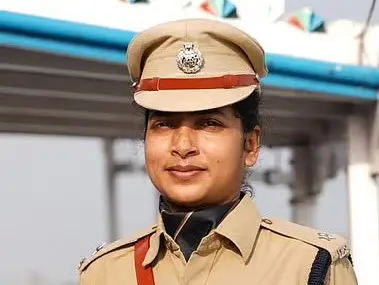)
West Bengal IPS officer Bushra Bano transferred after objections to ‘Assalamualaikum’, ‘Inshallah’
)
Spanish officer sent home from NATO base over affair with 'Russian spy' | Gravitas
)
IND vs AFG, 2nd T20I: Reddy, Samson shine as India defeat Afghanistan by 7 wickets to clinch series
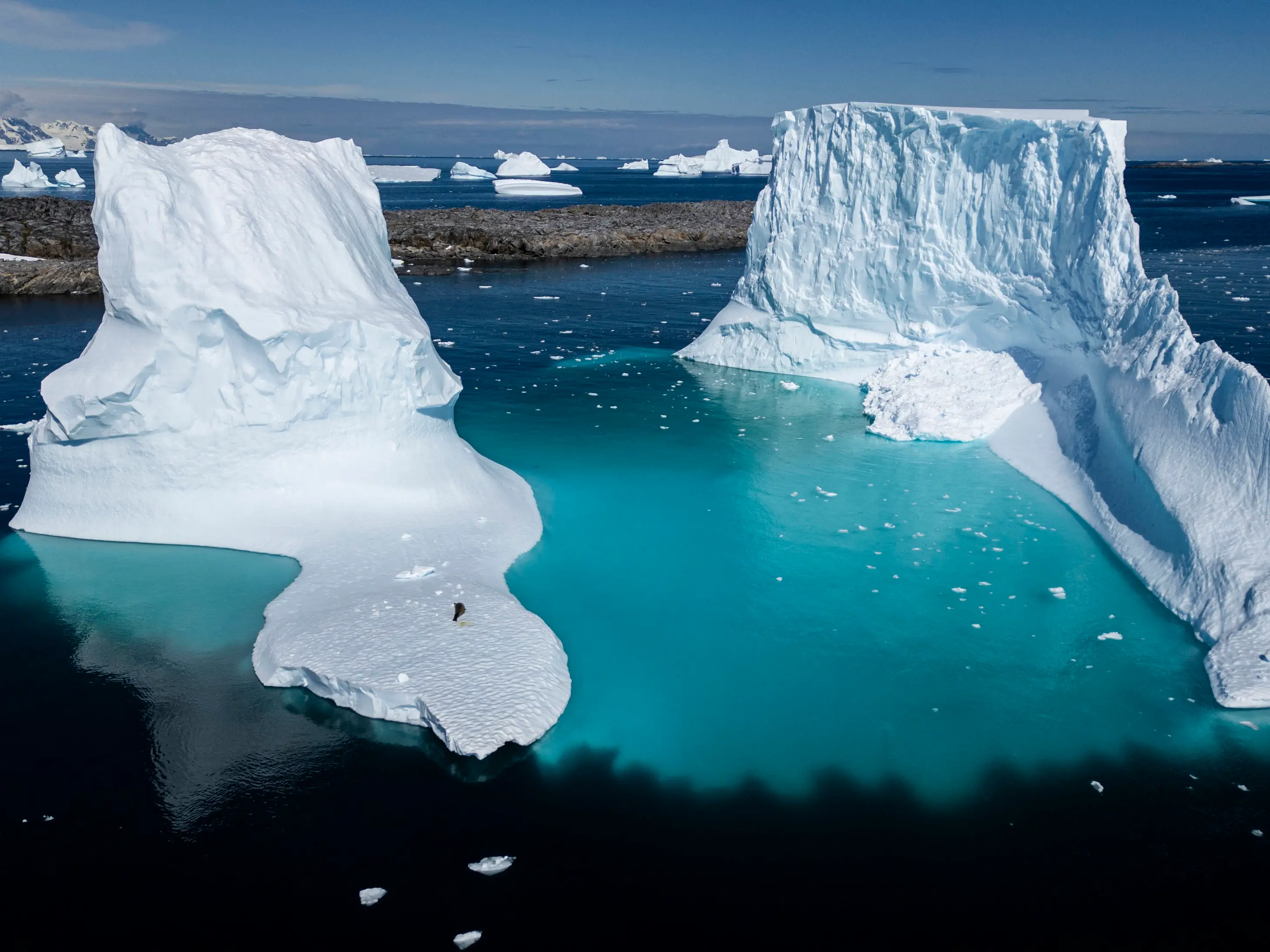)
Extreme warming in Indian Ocean added 695 billion tons of ice to Antarctica ice sheet
• Nagpur
• Bhubaneswar
• Jammu
• Goa
• Shimla
• Raipur
• Amritsar
• Jaipur
• Chennai
• Hyderabad
• Surat
• Ranchi
• Delhi
The Ministry of External Affairs plans to expand the issuance of e-passports to all Passport Seva Kendras across India by mid-2025.
Key Benefits for Travellers
Enhanced Security: The encrypted chip makes it significantly harder to forge or duplicate passports, thereby reducing identity fraud.
Faster Immigration Processing: E-passports facilitate quicker verification at immigration checkpoints, especially in countries equipped with automated e-gates that recognize ICAO-compliant documents.
Global Recognition: India joins over 120 countries that have adopted e-passport technology, aligning with international travel standards.
How to Apply for an E-Passport
The application process for an e-passport remains the same as that for a traditional passport:
1.Online Application: Register and apply through thePassport Seva Portal.
2.Appointment Booking: Schedule an appointment at your nearest Passport Seva Kendra.
3.Biometric Data Submission: Visit the selected center to submit your biometric data and complete the necessary formalities.
If your Regional Passport Office is equipped to issue e-passports, you will automatically receive one upon application or renewal.
What Happens to Existing Passports?
Existing traditional passports will remain valid until their expiry date. There is no immediate requirement to switch to an e-passport. The transition to e-passports will be gradual, ensuring a smooth changeover for all citizens.
The introduction of e-passports represents a significant step forward in enhancing security and efficiency of international travel. As the rollout continues, travellers can look forward to a more streamlined and secure travel experience.