Dollar rises as US-China relations worsen over Hong Kong and tariffs


Dollars
The dollar rose on Wednesday and trade-exposed currencies fell after the USpresident threatened a trade war escalation and China condemned a USsenate measure backing pro-democracy protesters in Hong Kong.
China's yuan slipped to a new two-week low in overnight trading after USPresident Donald Trump threatened to raise new tariffs on Chinese imports if ongoing trade negotiations fail.
China condemned the USlegislation aimed at protecting human rights in Hong Kong, saying that the USshould stop interfering.

After four days of falling, the dollar was up 0.1 per centagainst both the euro and a basket of currencies.
"Today the main focus is the trade talks between China and the USand we are seeing risk aversion," said Piotr Matys, currency strategist at Rabobank.
Matys said that the USsenate's bill in support of Hong Kong could complicate progress towards a preliminary trade deal.
)
Oxford United's new clothing line featured 'United 93' phase
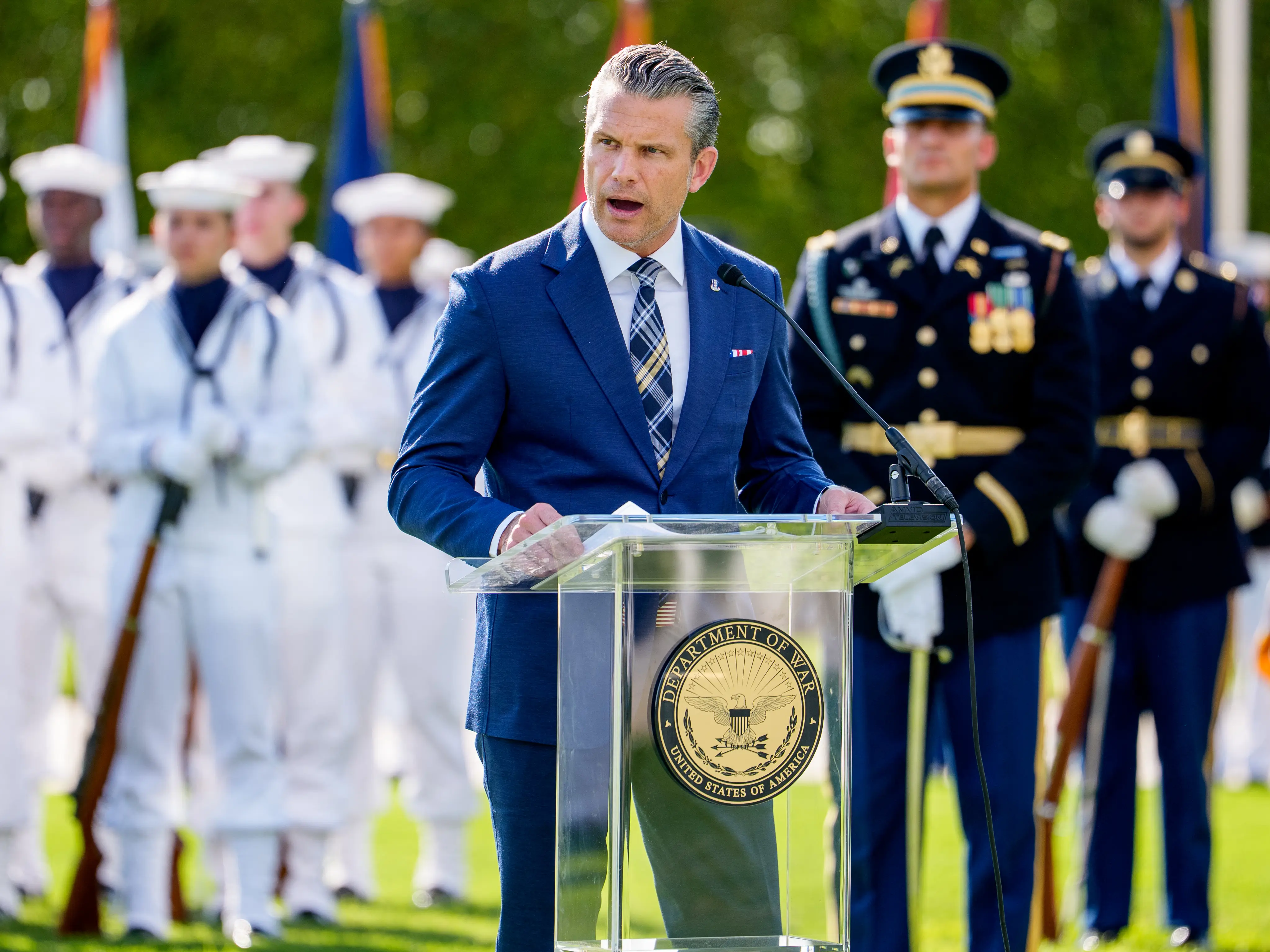)
Pentagon revives mandatory testosterone testing for male troops aged 30 and above
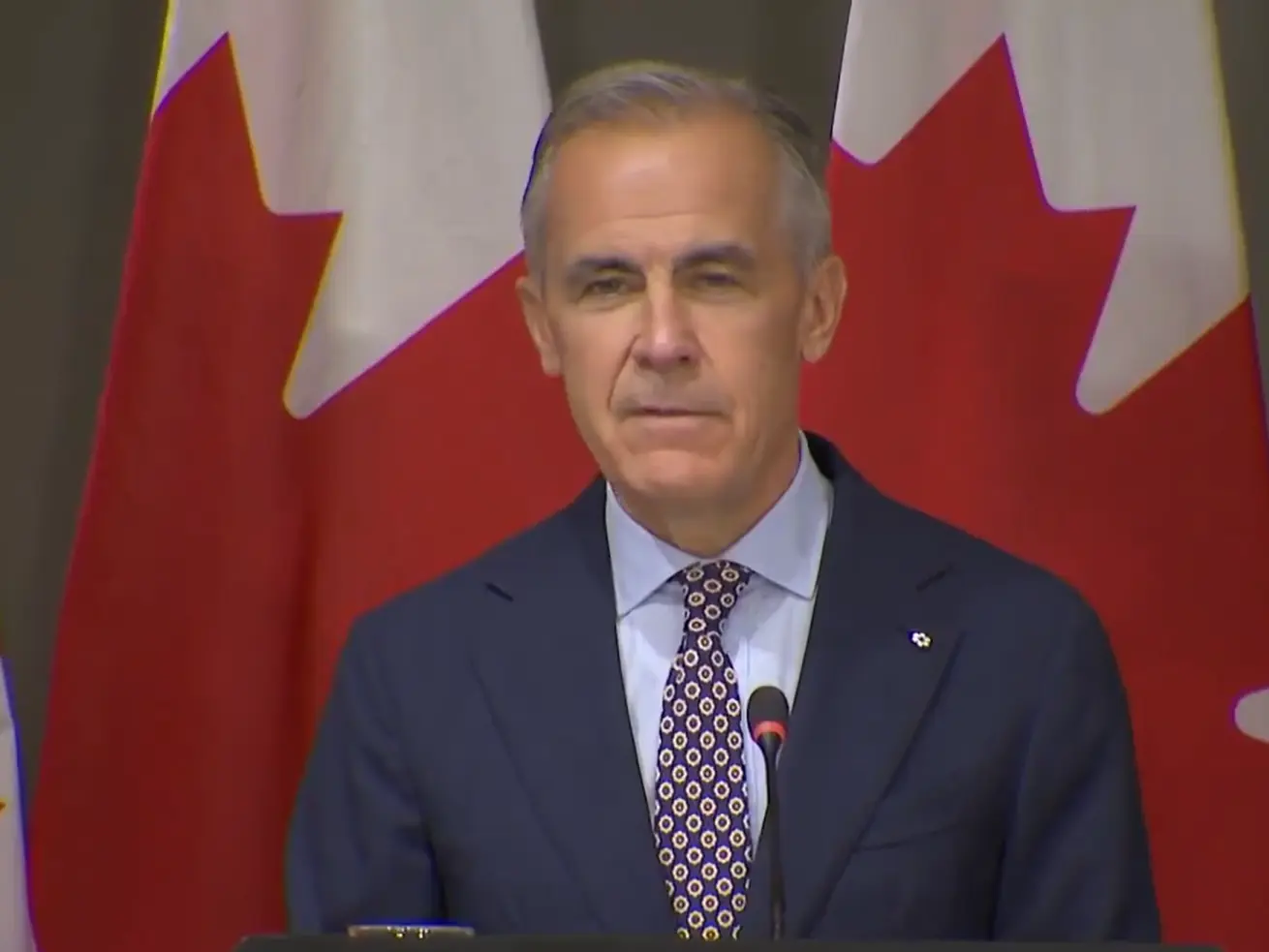)
Mark Carney mimics Trump in hilarious moment over C$70 billion clean-energy investment; room erupts in laughter
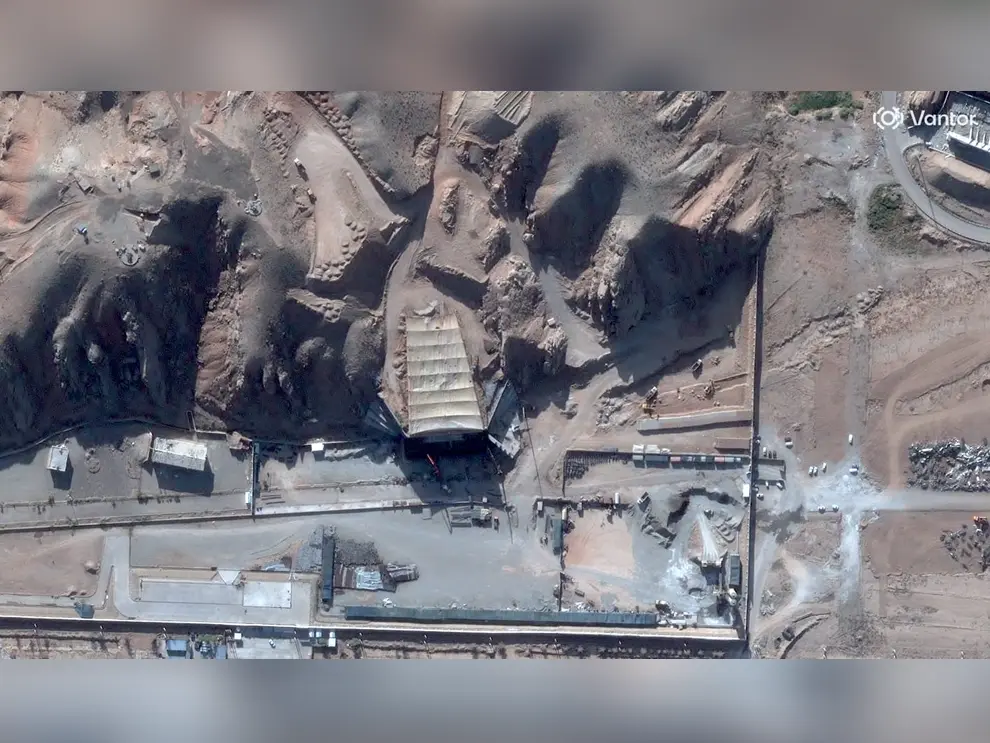)
Iran rebuilding nuclear facilities? New satellite images show Tehran may be rapidly restoring bombed Parchin base
)
It's a girl! Deepika Padukone and Ranveer Singh welcome their second child
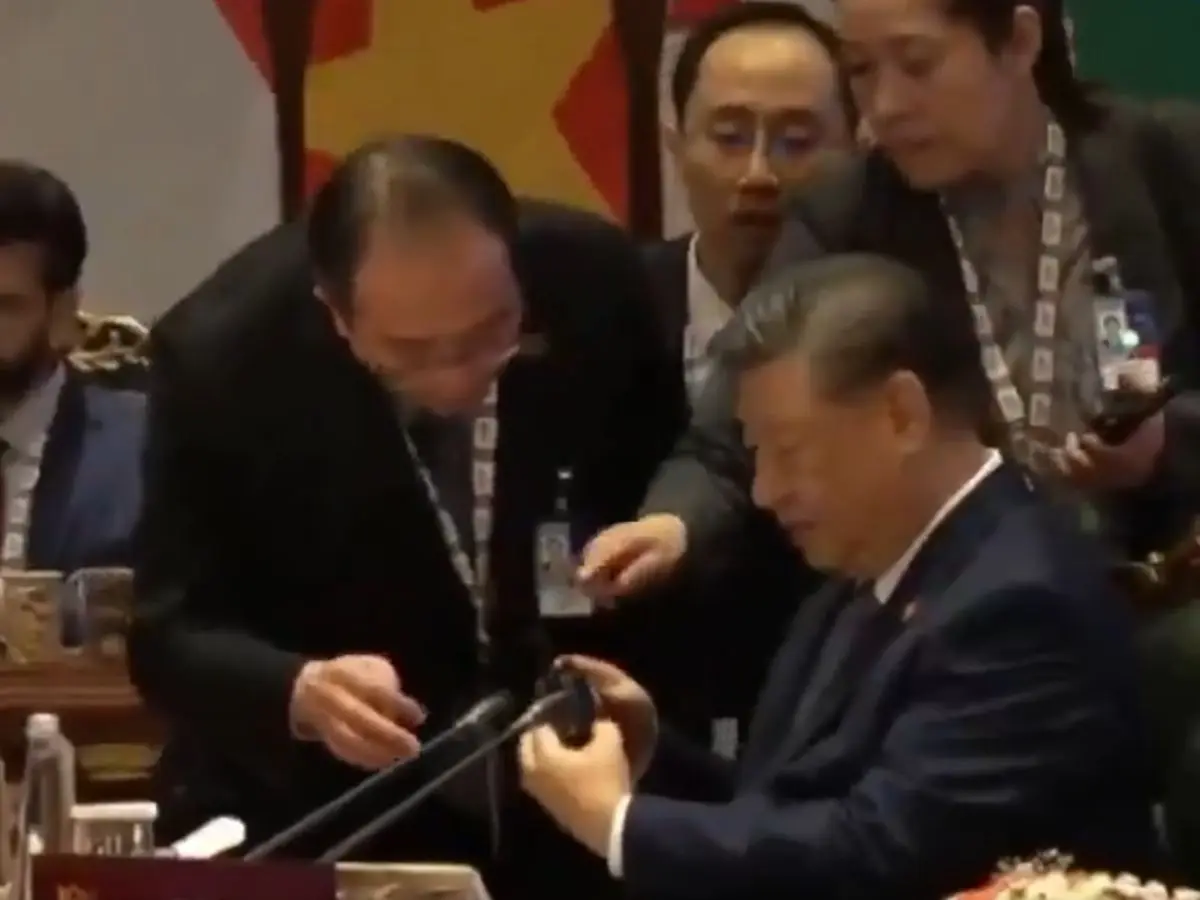)
FACT CHECK: Why did PM Modi ask Xi ‘is it okay’ at BRICS Summit? New video reveals...
)
Putin: European leaders using war rhetoric to save falling ratings
)
China may have gained access to US's classified F-35 jets; parts meant for repairs diverted to Hong Kong, sparking Pentagon inquiry
)
Cochin shipyard starts building Indian Navy's next-gen missile vessels
)
Claude led 26% of Anthropic's AI R&D work
)
Brigitte Bardot’s private collection set for Paris auction; key items and prices revealed
)
Why Ranveer Singh’s Dhurandhar missed India’s Oscar entry; FFI jury member reveals what happened
)
How did an Australian river with 500 crocodiles pass the Olympic test? Here's how
)
‘Will go to any extent’: Pakistan vows to defend Saudi Arabia amid Houthi attacks
&im=FitAndFill=(700,400))
Ananya Panday to Sharvari: 5 actresses serving major princess vibes
66 years of the Indus Waters Treaty: How India and Pakistan settled a bitter river dispute
)
The Verdict | When precision fails: US commits war crime in Minab school strike, UN finds
Russia attacks Ukraine with 174 drones, kills 8; 2 vessels hit in Black Sea
)
Trump signs Russia sanctions bill into law, targets Moscow’s energy sector
)
Pak: A series of counter terrorism operations in Khyber Pakhtunkhwa
)
Ajit Agarkar’s future as chief selector to be decided at right time, says BCCI secretary
)
Flying cars in UAE: Ras Al Khaimah signs deal with Chinese company to test new transport
)
Reacher star Alan Ritchson opens up about alleged blackmail, suicide attempt during difficult period
)
Africa is splitting, and a lot sooner than estimated, giving way to a new ocean
)
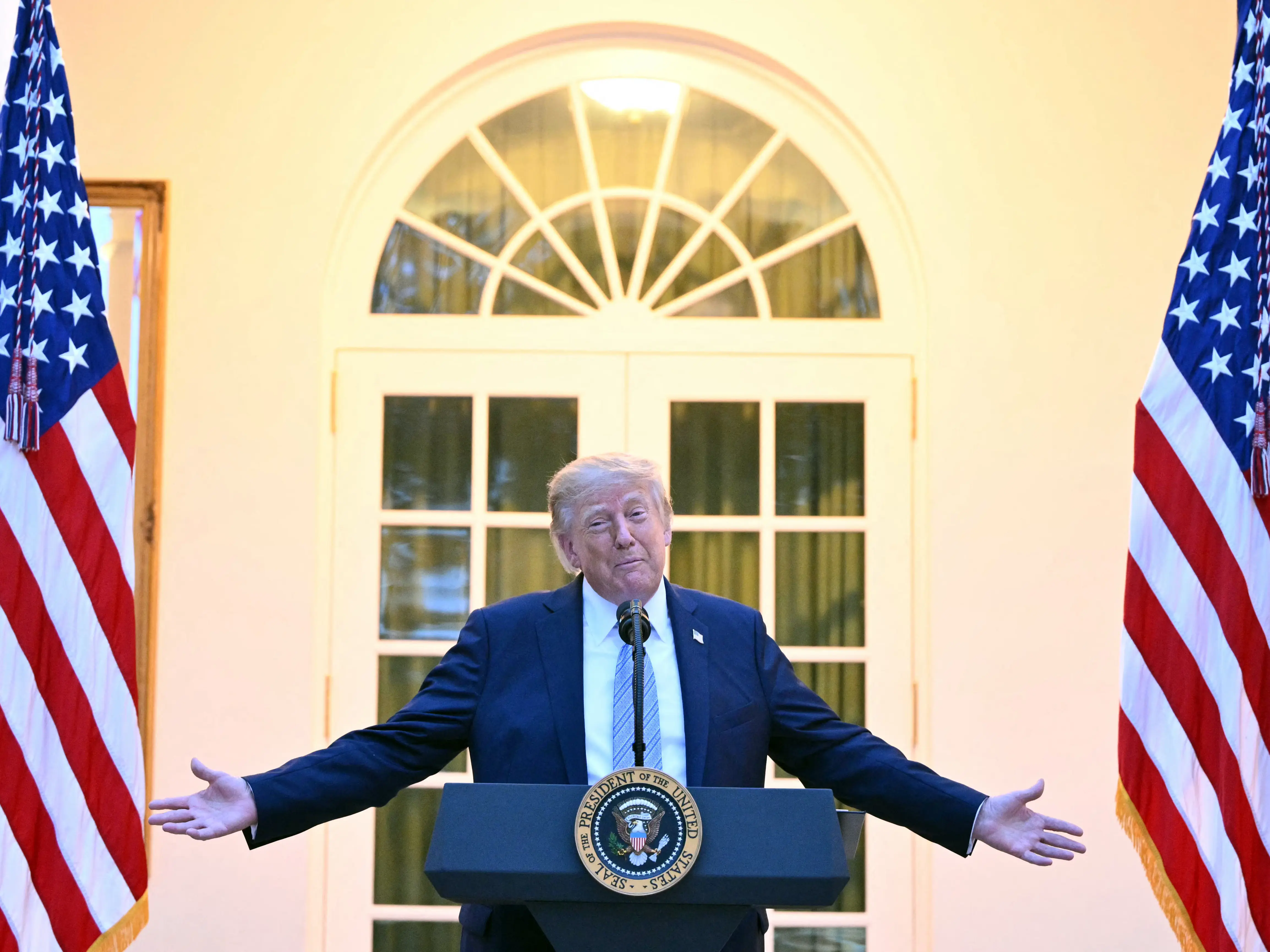
Trump bans CNN, MS NOW and Politico from White House over ‘FAKE NEWS’
)
Trump 2.0: Dark days ahead for America’s ‘imperial presidency’
)
New brain discovery could aid neurological disease studies
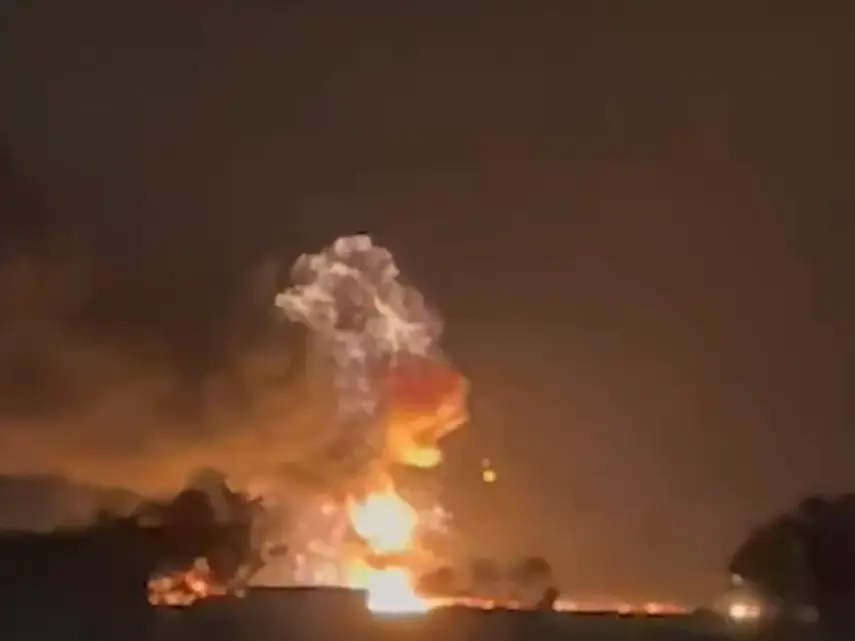)
Drone strikes cooling tower at Russia's Kursk Nuclear Plant, IAEA confirms
&im=FitAndFill=(700,400))
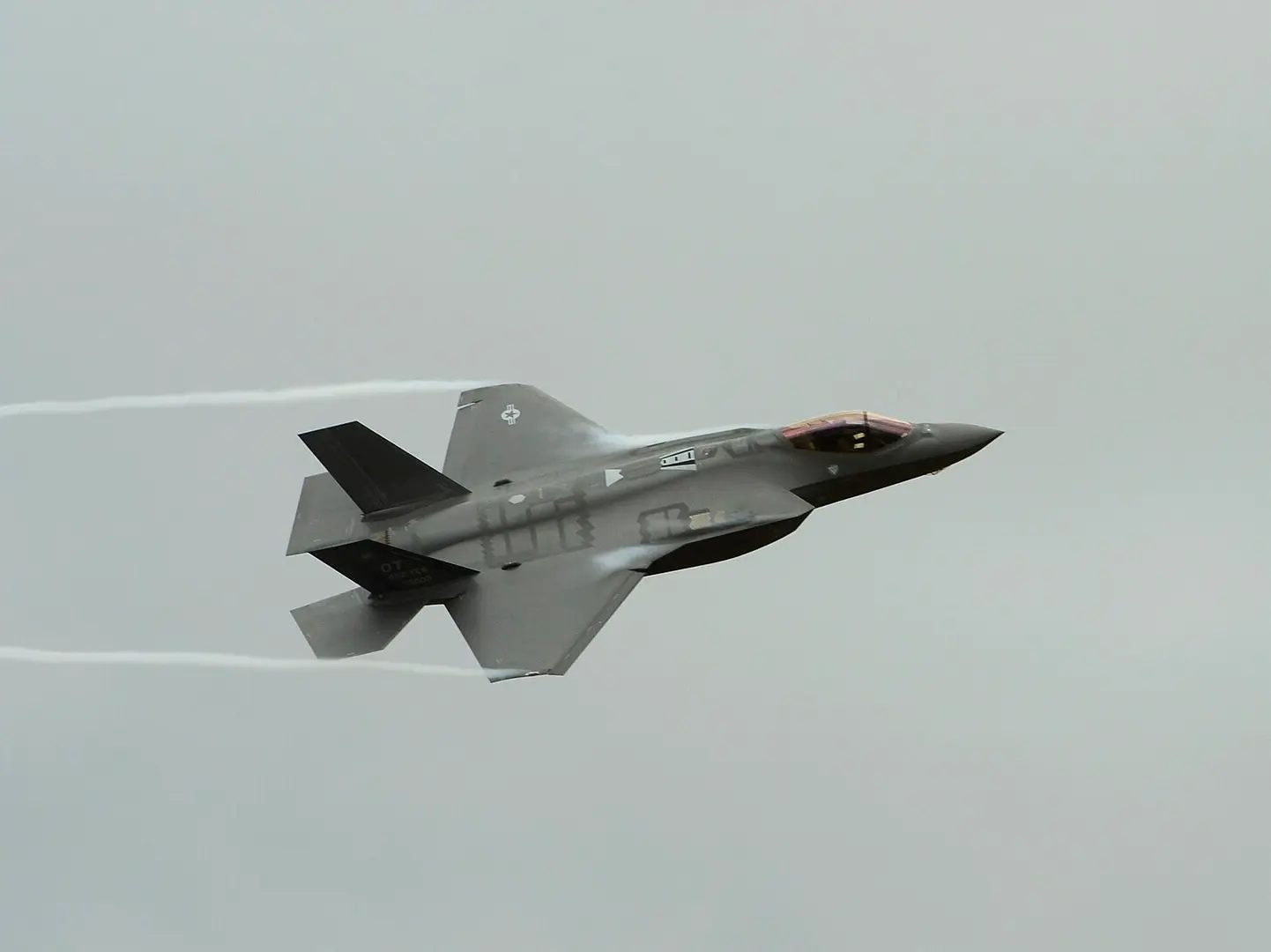
How many F-35s does Britain, Japan and Israel have?
)
Tirupati Laddu ghee adulterated with chemicals, says ED, supplier arrested
)
IIT Bombay student dies by suicide, was caught seeking AI help during exams
)
Trump extends H-1B visa's $100,000 fee until September 2027: What it means for Indians?
)
Russia holds first parliamentary elections since the beginning of the Ukraine war
&im=FitAndFill=(700,400))
Meet top 5 Indian batters with fastest T20I centuries
)
Extreme warming in Indian Ocean added 695 billion tons of ice to Antarctica ice sheet
)
)
Markets had hoped that a partial trade deal to end the 16-month US-China trade war could be signed at a summit in Chile, which was scheduled for mid-November. The summit was cancelled, leaving the outlook for a deal unclear.
Adam Cole, chief currency strategist at RBC Capital Markets said that a preliminary "phase one" trade deal could be reached by the end of the year.
"The prospect of a broader more all-encompassing deal will drag on well into next year," he added.
"The market is worrying (about) this sort of exogenous shock to the process by the build-up of tension in Hong Kong - I ultimately doubt that either side will allow that to delay the process," Cole said.
The Canadian dollar fell against the USdollar to its lowest since October11 after a speech by the Bank of Canada's senior deputy governor boosted the perceived likelihood of a rate cut.
Trade-exposed currencies took a hit from the worsening US-China relations. The Australian and New Zealand dollars were both down 0.4 per centversus the USdollar.
The Norwegian crown was down 0.9 per centversus the dollarand 0.7 per cent versus the euro.
The Swedish crown tracked these losses, but to a lesser extent, down 0.4 per centversus the dollarand 0.7 per centversus the euro.
Demand for safe-have currencies was relatively unchanged, with the Japanese yen up around 0.1 per centagainst the dollar and the Swiss franc flat around 0.9905.
Minutes from the USfederal reserve's FOMC meeting in October are due at 19.00 GMT. Analysts expect little impact.