Cruising is 'affordable luxury' for young Indians, says Cordelia Cruises chief

&imwidth=600&imheight=450&format=webp&quality=medium "Cruising is 'affordable luxury' for young Indians, says Cordelia Cruises chief")
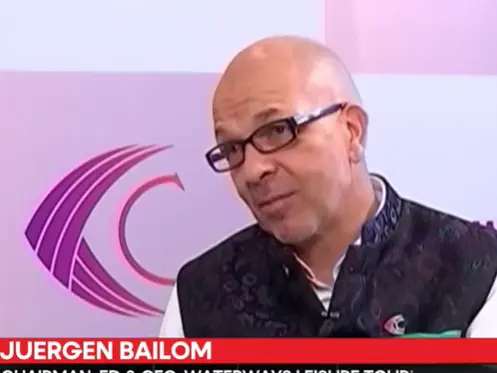
Waterways Leisure Chairman, Executive Director and Chief Executive Officer Jurgen Bailom. Photograph: (WION)
Cordelia Cruises CEO Jurgen Bailom states that India's cruise market attracts a younger demographic (average age 34) by offering "affordable luxury" with tailored Indian food, entertainment, and all-inclusive pricing.
India's cruise tourism market is being driven by a much younger demographic than global trends, according to Waterways Leisure Chairman, Executive Director and Chief Executive Officer Jurgen Bailom.
Speaking to Zee Business Managing Editor Anil Singhvi, Bailom said the average age of guests travelling on Cordelia Cruises is around 34 years, significantly lower than the global cruise industry average. "Crusing is affordable luxury," Bailom said, highlighting what he described as a major shift in consumer behaviour among younger Indian travellers.
Waterways Leisure, the company behind Cordelia Cruises, has built its business around Indian consumers, tailoring its offerings to local tastes rather than replicating international cruise models.
According to Bailom, Indian food, Bollywood-themed entertainment, regional language support and family-oriented experiences have helped attract a younger customer base. The company also follows an all-inclusive pricing model, with most onboard services included in the ticket price.
Bailom said India remains one of the world's most promising cruise markets despite being at a relatively early stage of development. He noted that cruising continues to be an underpenetrated segment even as rising incomes and changing travel preferences create new opportunities.
Trending Stories
)
)
)
)
)
)
)
)
)
)
)
)
)
)
)
)
)
)
)
)
)
)
)
)
)
)
)
)
&im=FitAndFill=(700,400))
)
)
)
)
)
)
)
)
Beyond leisure holidays, the company is also witnessing demand from weddings, corporate events and group travel segments, which Bailom identified as important growth drivers.
Waterways Leisure is preparing to raise around Rs 585 crore through an initial public offering. Bailom said the proceeds would largely be used to support growth initiatives, including fleet expansion.
The company has already made advance payments for two new ships and plans to utilise IPO proceeds towards future lease obligations and acquisition-related commitments.
"All the money is for growth," Bailom said, adding that only a small portion of the funds would be used for general corporate purposes.

