

&imwidth=800&imheight=600&format=webp&quality=medium "Coca-Cola to launch cane sugar Coke in US as higher prices boost profit")
Is Coca-Cola going back to its roots?
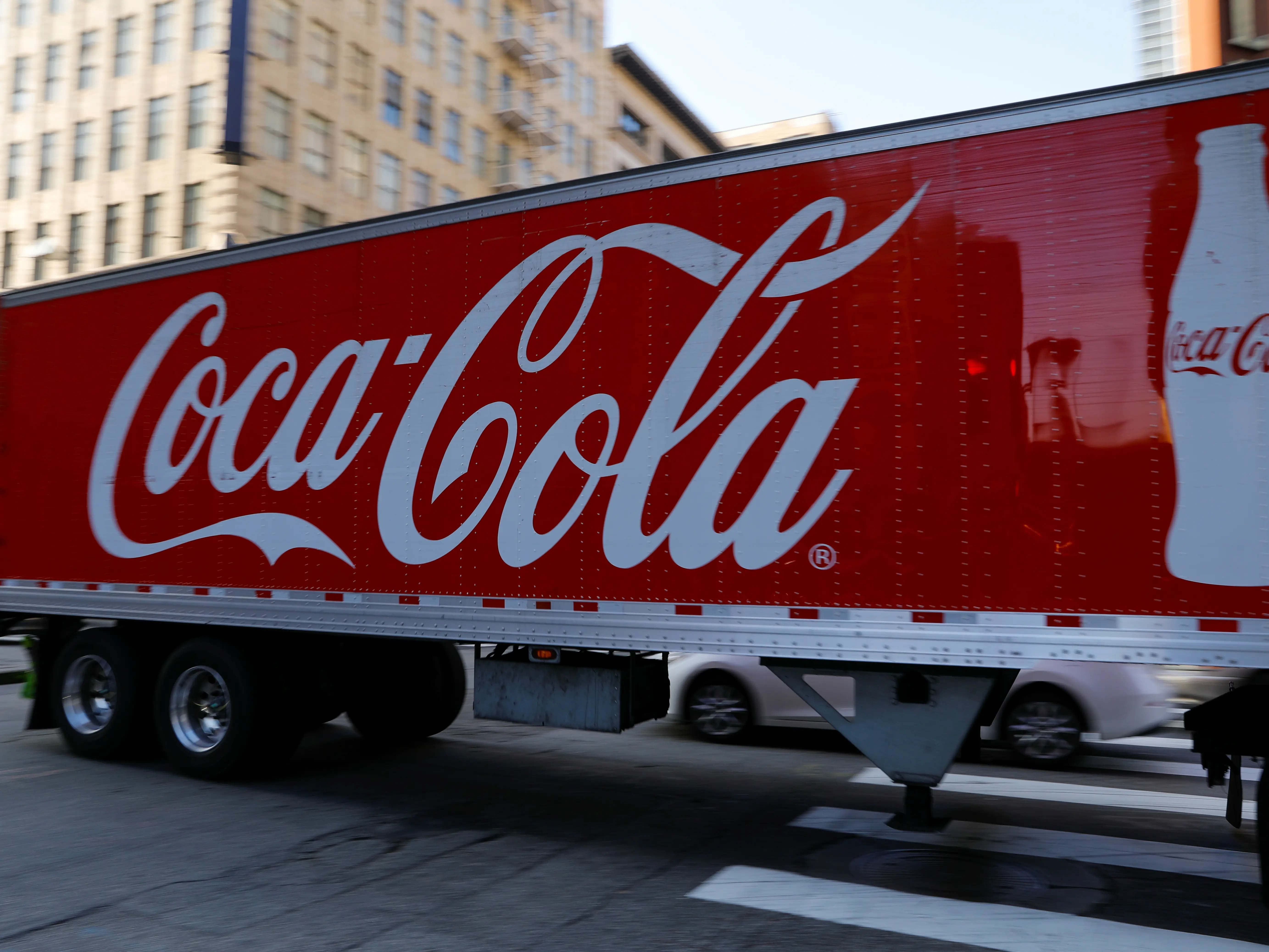
After US President Donald Trump's cane sugar use ultimatum, the world’s biggest soft drink maker has announced plans to launch a new Coke product. The company revealed that the new Coke product will bemade with real cane sugar in the United States, responding to a growing consumer demand for “natural” ingredients and riding a wave of pricing-driven profits.
The announcement came as Coca-Cola beat Wall Street expectations for its second-quarter earnings, with higher prices offsetting weaker volumes, especially in key markets like India, Mexico, and the United States. The company reported earnings of 87 cents per share, topping analysts’ estimates of 83 cents, and comparable revenue of $12.62 billion, slightly above the $12.54 billion forecast, as per data compiled by LSEG.
Real sugar, real politics
The shift toward cane sugar comes amid mounting health scrutiny in the United States. Food brands are under pressure from Health Secretary Robert F. Kennedy Jr.’s ‘Make America Healthy Again’ campaign, which advocates cleaner, less processed food and drink options. Even US President Donald Trump weighed in last week, stating that Coca-Cola had agreed to use real cane sugar in American products, something the company already does in countries like Mexico, where “Mexican Coke” with cane sugar is popular and sold in glass bottles.
CEO James Quincey confirmed the news in a post-earnings call, saying the new product would “complement” the current lineup, not replace it. “We want to use the whole toolkit available of sweetening options,” he said. But the move isn’t without cost. Industry analysts told Reuters that switching to cane sugar would increase production expenses and require major supply chain adjustments. At a time when aluminium tariffs under Trump have already doubled to 50 per cent, Coca-Cola has been experimenting with affordable packaging like plastic bottles to ease cost pressures.
Trending Stories
&imwidth=180&imheight=135&format=webp&quality=medium)
Other Mommy leads North American box Office as Verity, Resident Evil round out top four
&im=FitAndFill=(700,400)&imwidth=180&imheight=135&format=webp&quality=medium)
Navratri 2026: 9 days, 9 forms of Goddess Durga and 9 colours- Check the complete list
&im=FitAndFill=(700,400)&imwidth=180&imheight=135&format=webp&quality=medium)
Is sending robots to Mars easier than sending humans?
&imwidth=180&imheight=135&format=webp&quality=medium)
A watchdog rated 'ChatGPT for Teens' an unacceptable risk and says keep under-18s off it
&imwidth=180&imheight=135&format=webp&quality=medium)
1,500 drones illuminate Mumbai sky as Cordelia Cruises unveils second ship, Cordelia Sky
&imwidth=180&imheight=135&format=webp&quality=medium)
'Just coincidence': Police mistakes protester as AISA chief Neha Bora, arrests her from site
&imwidth=180&imheight=135&format=webp&quality=medium)
Anthropic's AI invented a murder witness and sent the fake tip to Philadelphia police
&imwidth=180&imheight=135&format=webp&quality=medium)
CJI Surya Kant declines INDIA bloc leaders’ request for meeting ahead of march to SC, asks them to file petition
&imwidth=180&imheight=135&format=webp&quality=medium)
'Turn approver, resign, we'll forgive you': Rahul Gandhi claims receiving messages from CEC Gyanesh Kumar
&imwidth=180&imheight=135&format=webp&quality=medium)
Aamir Khan's niece, actress Zayn Marie shares injury pictures after being detained with Imran Khan at Mumbai protest
&imwidth=180&imheight=135&format=webp&quality=medium)
One Indian killed in Riyadh airport attack; 11 others injured : MEA
&imwidth=180&imheight=135&format=webp&quality=medium)
Nathan Lyon completes 1,000 Test runs at No. 10 to script rare cricket feat
&imwidth=180&imheight=135&format=webp&quality=medium)
Top AI models flunked a test of inventing new AI research, so much for self-improving AI
&imwidth=180&imheight=135&format=webp&quality=medium)
Wasim Jaffer blames Ajit Agarkar-led selection panel for Virat Kohli’s Test retirement
&imwidth=180&imheight=135&format=webp&quality=medium)
'Ouch!!! That must hurt': Kangana Ranaut hails Kamal Haasan's sharp reply to Elon Musk over Starlink row
&imwidth=180&imheight=135&format=webp&quality=medium)
Sidhu Moose Wala’s younger brother wins hearts by recreating late singer’s signature move at Toronto Hologram Show
&imwidth=180&imheight=135&format=webp&quality=medium)
Meta's Muse AI could be a security nightmare for India's billion-plus users
&imwidth=180&imheight=135&format=webp&quality=medium)
UK school ditches technology, shifts from screen to pen and paper for learning
&imwidth=180&imheight=135&format=webp&quality=medium)
IND vs WI, 3rd T20I: Abhishek Sharma smashes 18-ball fifty, sets record for fastest to 2,000 T20I runs
&imwidth=180&imheight=135&format=webp&quality=medium)
Houthis claim Riyadh airport attacks, Aramco strikes; issue fresh warning to airlines, travellers and workers
&imwidth=180&imheight=135&format=webp&quality=medium)
Portugal Federation confirms Cristiano Ronaldo’s return to national team despite suspension
&imwidth=180&imheight=135&format=webp&quality=medium)
Delhi protests: 'Court should not be dragged into political activity', says CJI Surya Kant
&im=FitAndFill=(700,400)&imwidth=180&imheight=135&format=webp&quality=medium)
New OTT releases this week (October 12-18, 2026): Sacrifice, Koffee with Karan S9, Roadies Rebirth- 6 titles coming on Netflix, JioHotstar and more
&imwidth=180&imheight=135&format=webp&quality=medium)
Microsoft's Nadella says treat every AI model as already hacked, and build an 'emergency brake'
&imwidth=180&imheight=135&format=webp&quality=medium)
Delhi protest: CJI Surya Kant declines to meet India Bloc leaders
&imwidth=180&imheight=135&format=webp&quality=medium)
China imposes first-ever sanctions on ministers from Taiwan allies: What this means
&imwidth=180&imheight=135&format=webp&quality=medium)
McSweeney reveals how studying Virat Kohli’s YouTube clips helped Australia A conquer India
&imwidth=180&imheight=135&format=webp&quality=medium)
Maharashtra appoints FDA commissioner Tukaram Mundhe as secretary of committee for MPSC overhaul amid stir
&imwidth=180&imheight=135&format=webp&quality=medium)
Iran: US accepted some conditions, Clarity needed on others
&imwidth=180&imheight=135&format=webp&quality=medium)
Nana Patekar's cause of death confirmed; here's what his postmortem report says
&imwidth=180&imheight=135&format=webp&quality=medium)
iPhone Duo price index: Tracking Apple’s latest pricing trends
&imwidth=180&imheight=135&format=webp&quality=medium)
'Say no to Muse': Meta has no control over its own moderation AI while it forces a security nightmare on everyone
&imwidth=180&imheight=135&format=webp&quality=medium)
Delhi wakes up to heavy rain, thunderstorms; yellow alert in place; temperature drops
High prices, falling volumes
Coca-Cola is facing a dip in consumer demand. Volumes declined 1 per cent in the quarter, after rising steadily in the previous two quarters, despite posting strong financials. Weaker demand in Mexico, India, and among US consumers drove the drop, especially in lower-income groups feeling the pinch of inflation.
Quincey acknowledged the challenges, noting that “continued uncertainty and pressure on some socioeconomic segments” affected purchasing patterns. This comes after a boycott-related slump earlier this year in North America and Mexico, following a viral video falsely claiming the company had reported Latino employees to immigration authorities. Though Reuters found no public evidence of such reporting, the impact on sales was real. The company said the backlash is now “largely resolved.”
Still, price increases of 6 per cent helped offset the volume dip, especially in inflation-sensitive markets. The winners: Coke Zero Sugar and international sales. Amid the shifting dynamics, one product emerged as a clear winner, Coca-Cola Zero Sugar, which saw a 14 per cent jump in volumes globally, driven by health-conscious consumers across regions. Interestingly, about 61 per cent of Coca-Cola’s revenue comes from international markets, which proved more resilient than the US. A weaker dollar also helped the company stay on track to meet the top end of its 2 to 3 per cent annual earnings growth target.
The bottom line
While the buzz around cane sugar Coke made headlines, analysts say the real story lies in Coca-Cola’s pricing power. “Growth was due more to increased price changes and not volumes sold,” said Jay Woods, Chief Global Strategist at Freedom Capital Markets, speaking to Reuters.
In midday trading on Tuesday, Coca-Cola’s shares were down slightly, by 1 per cent at $69.29. But with shifting consumer habits, political nudges, and global market pressures, one thing is clear: even the world’s most iconic soda brand can’t afford to stand still.
(With inputs from the agencies)