China strengthens ties with Latin America amid growing uncertainties

Business & Economy: China to expand influence in the LAC region by offering about $9.2 billion credit line for development and allowing visa-free access to five countries
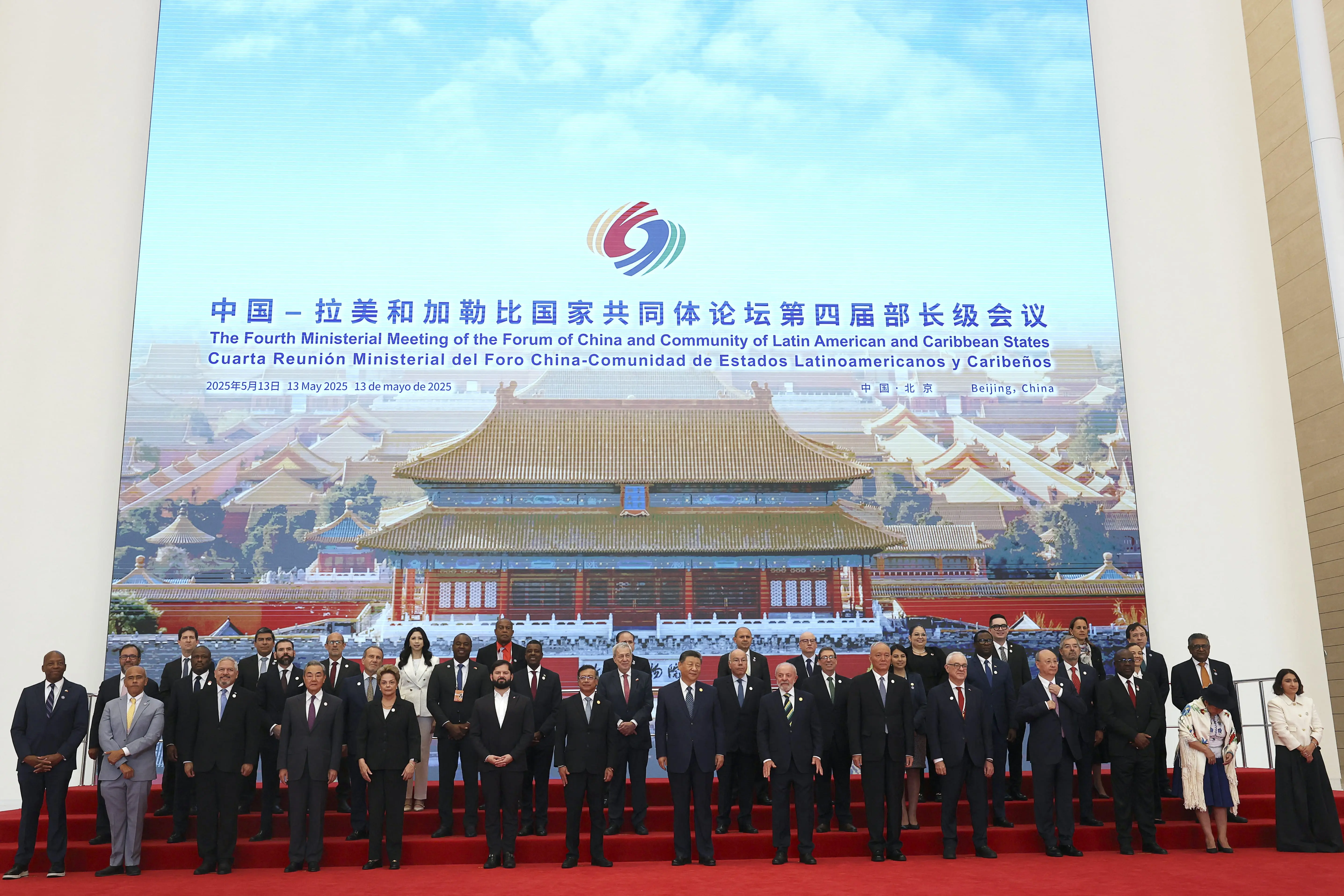
Chinese President Xi Jinping announced bold new initiatives aimed at deepening ties between China and Latin America and the Caribbean (LAC) nations during his address at the fourth ministerial meeting of the China-Community of Latin American and Caribbean States (CELAC) Forum in Beijing.
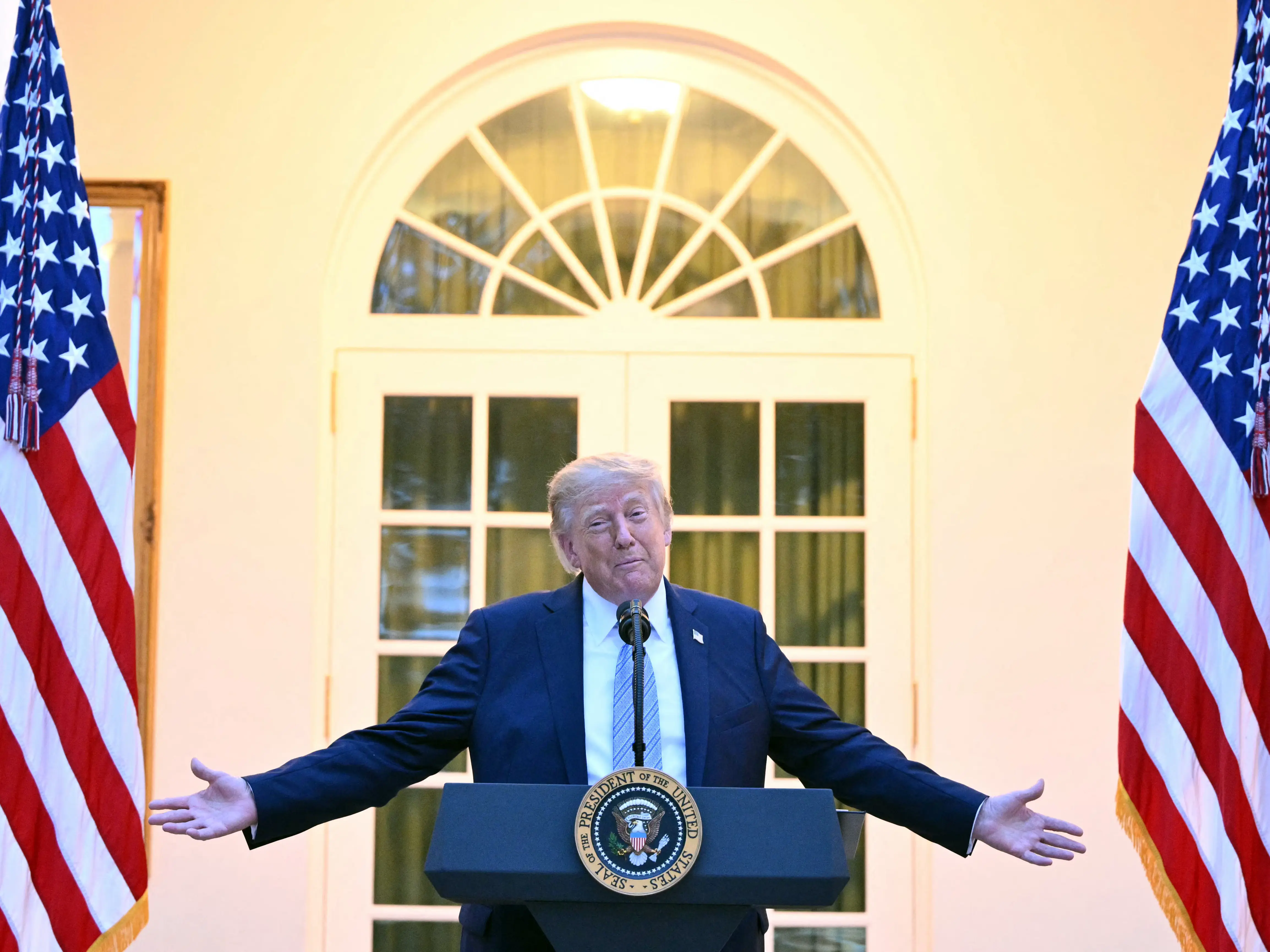
Xi’s remarks come at a time when the region is grappling with increased pressure from the United States, particularly under the Trump administration, as the US continues to intensify trade wars and regional influence efforts.
The developments at the CELAC forum came just one day after the US and China reached a 90-day truce on tariffs, which many analysts view as a significant de-escalation in the ongoing trade war between the two economic giants.

Xi's proposals, which include a substantial credit line and a push for stronger trade and economic partnerships, underscore China's growing ambition to be seen as a more reliable global partner than the US in a rapidly changing geopolitical environment.
A battle for influence
In his address, Xi vowed to expand China’s influence in the LAC region by offering a 66 billion yuan (approximately $9.2 billion) credit line to support LAC's development. He also announced visa-free access to five countries within the region, though he did not specify which nations would benefit. These moves are part of China’s broader strategy to fortify its presence in Latin America.
)
Nigeria: Protesters take to the streets, police fire shots
)
US-Iran war: Tehran draws red lines — seven demands before any peace talks
&im=FitAndFill=(700,400))
‘Not the US or China’: These are the countries leading the world in arable land
)
Mark Carney mimics Trump in hilarious moment over C$70 billion clean-energy investment; room erupts in laughter
)
Pentagon revives mandatory testosterone testing for male troops aged 30 and above
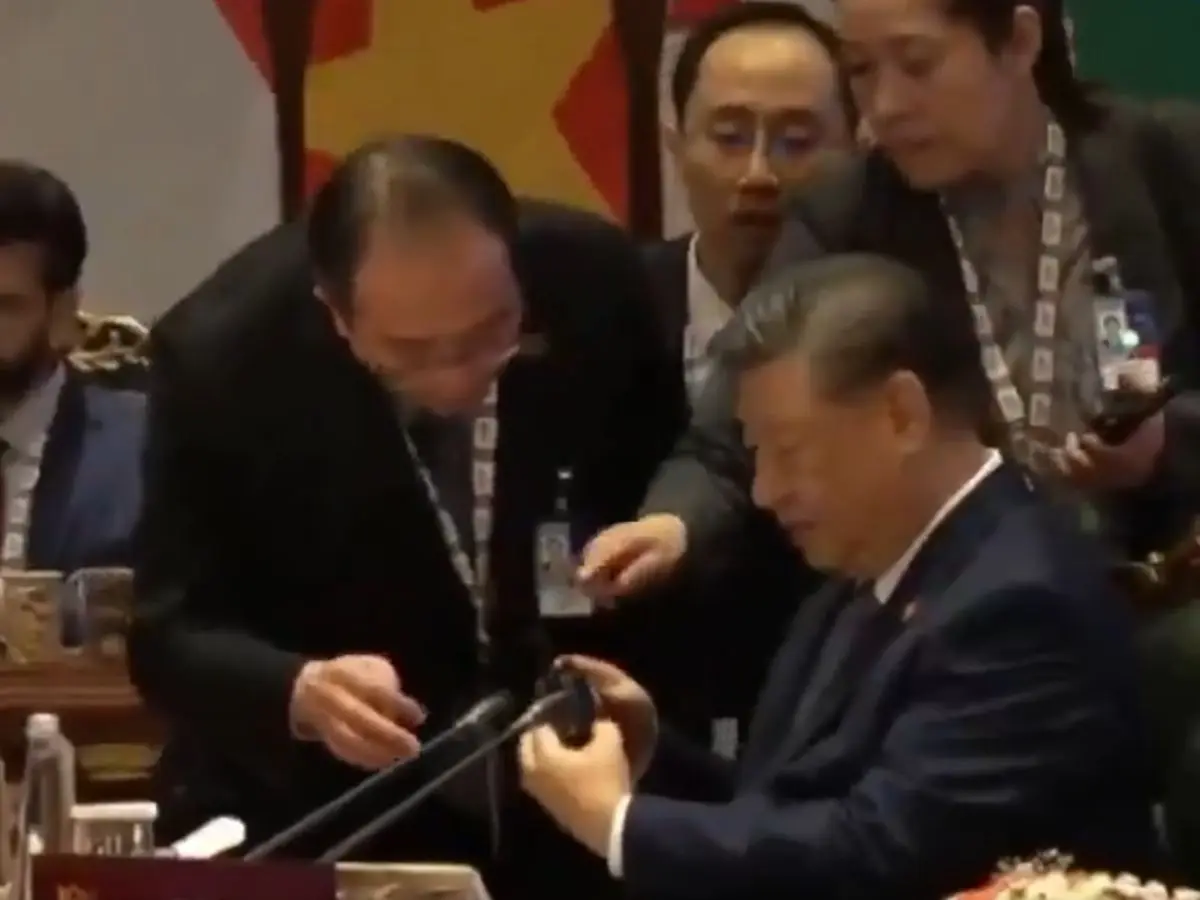)
FACT CHECK: Why did PM Modi ask Xi ‘is it okay’ at BRICS Summit? New video reveals...
)
Trump defends AI amid growing alarm, announces new 'AI force' and promises an 'AI czar'
)
Trump announces ‘AI Force’ as debate grows over AI risks and regulation
)
Iran sets 7 conditions to end war with US: What are Tehran’s demands?
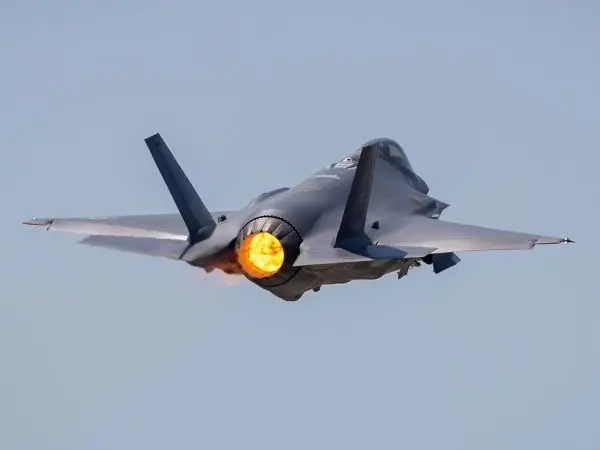)
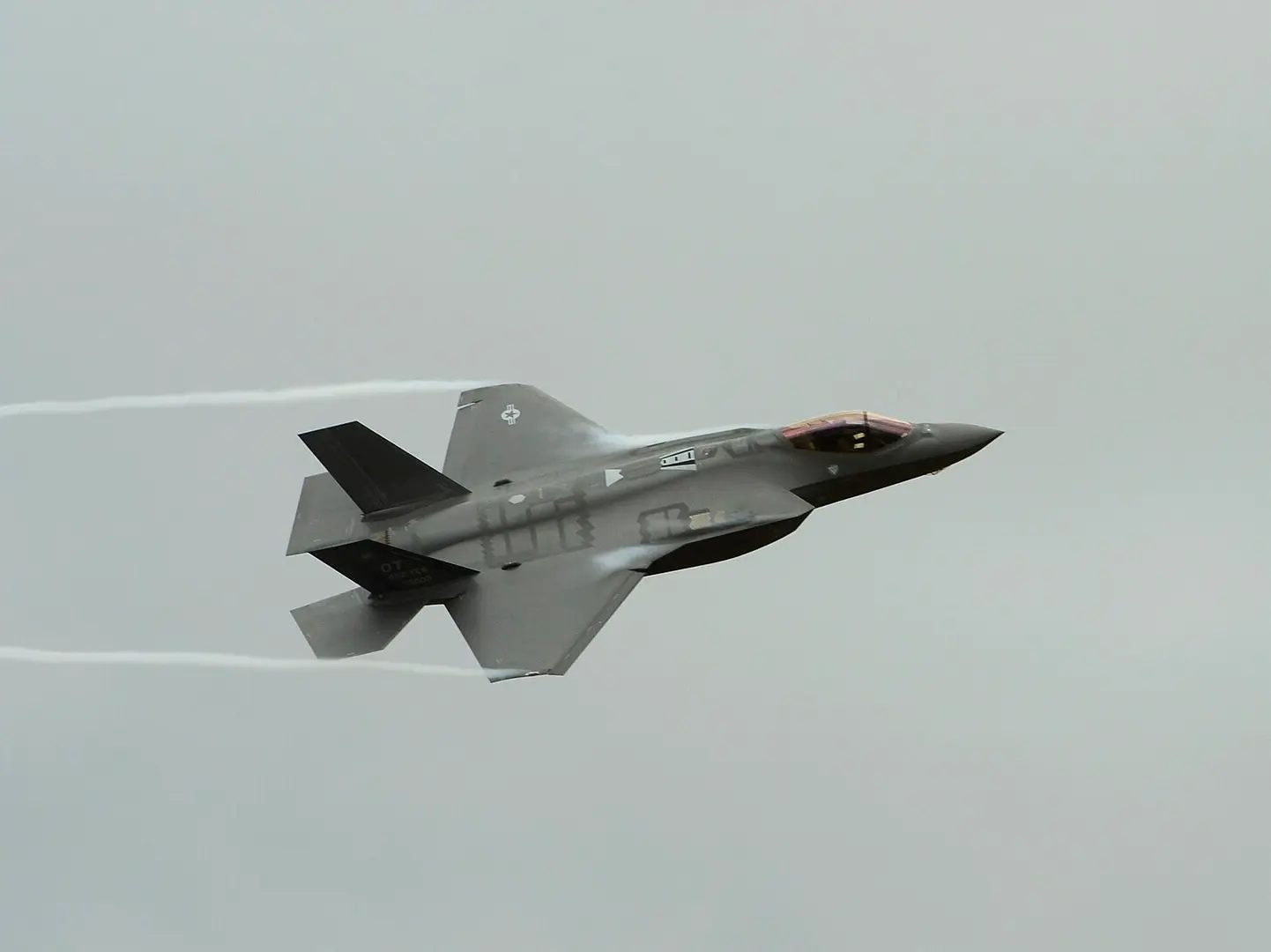
China may have gained access to US's classified F-35 jets; parts meant for repairs diverted to Hong Kong, sparking Pentagon inquiry
)
Gaza under attack: Health chief's son killed in IDF strikes
)
Arvind Kejriwal, family members, Delhi CM Rekha Gupta get SIR notices
)
Cochin shipyard starts building Indian Navy's next-gen missile vessels
)
Russia extends ban on Western food imports for two more years in extended sanctions countermeasure
)
Ed Sheeran addresses Macklemore's removal, Gaza conflict during Philadelphia concert: 'I cannot hide how I feel'
)
Brigitte Bardot’s private collection set for Paris auction; key items and prices revealed
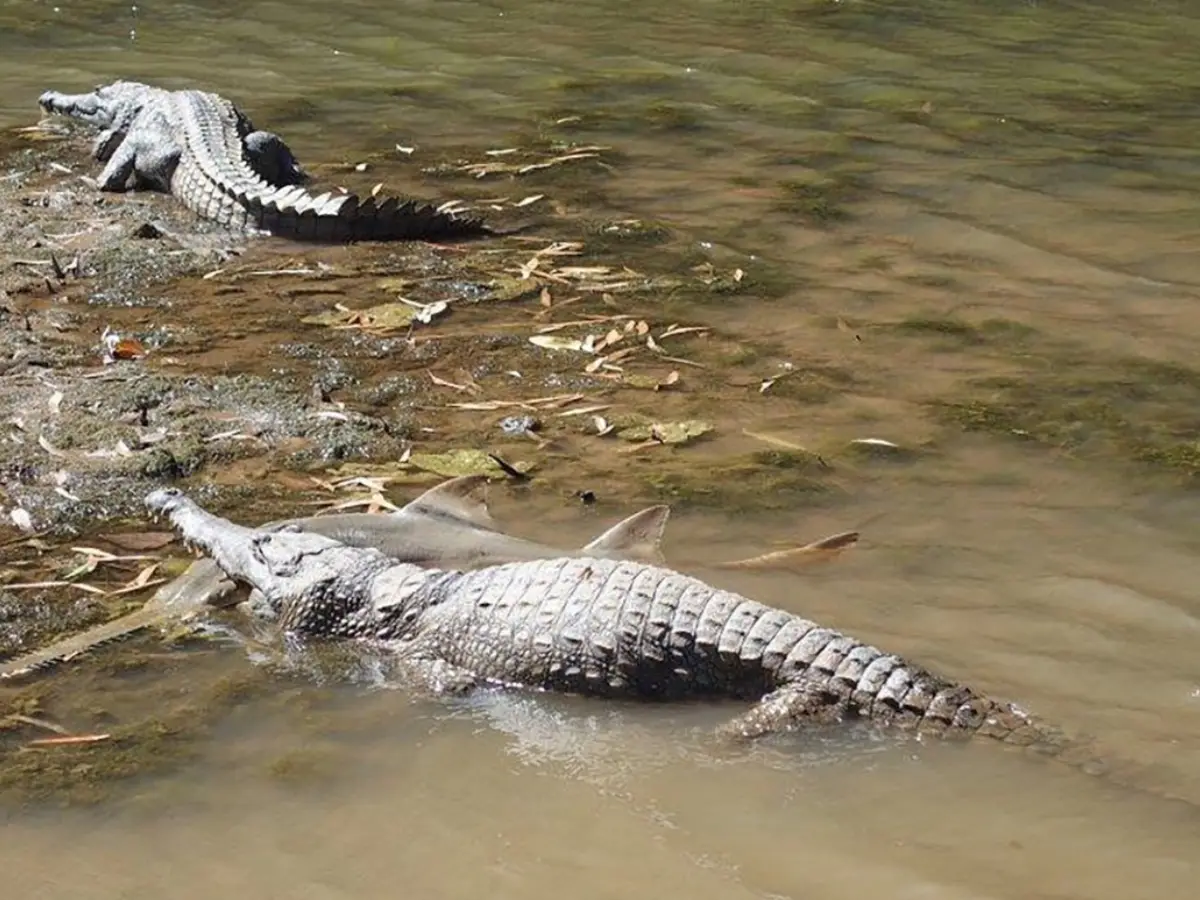)
How did an Australian river with 500 crocodiles pass the Olympic test? Here's how
)
‘Will go to any extent’: Pakistan vows to defend Saudi Arabia amid Houthi attacks
&im=FitAndFill=(700,400))
Ananya Panday to Sharvari: 5 actresses serving major princess vibes
66 years of the Indus Waters Treaty: How India and Pakistan settled a bitter river dispute
)
The Verdict | When precision fails: US commits war crime in Minab school strike, UN finds
)
9 women found dead near Johannesburg: South Africans rally, demand 'enough' to femicide
)
Pak: A series of counter terrorism operations in Khyber Pakhtunkhwa
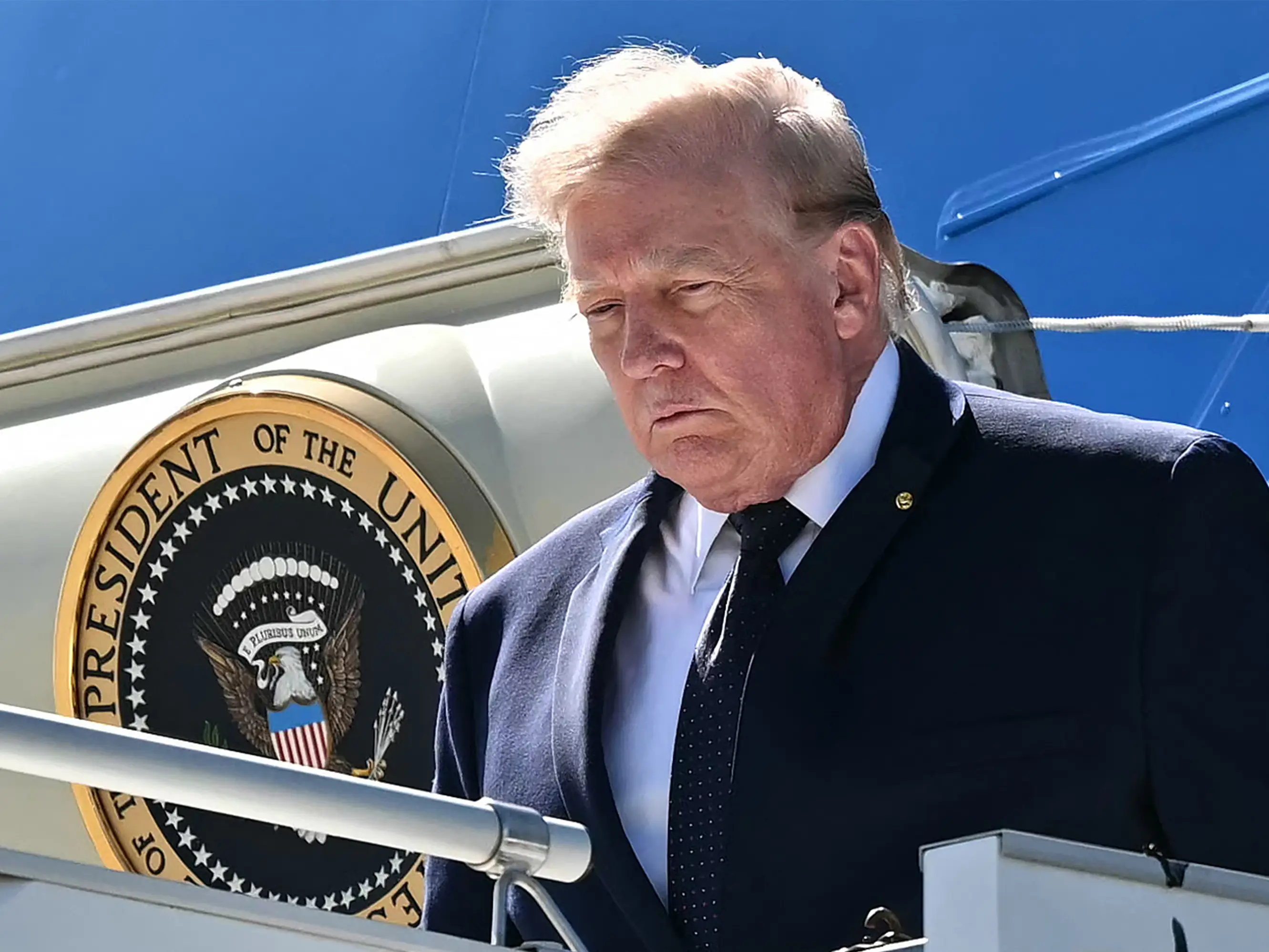)
Trump wants to rename ‘Artificial Intelligence’, gives 3 options: Which one would you pick?
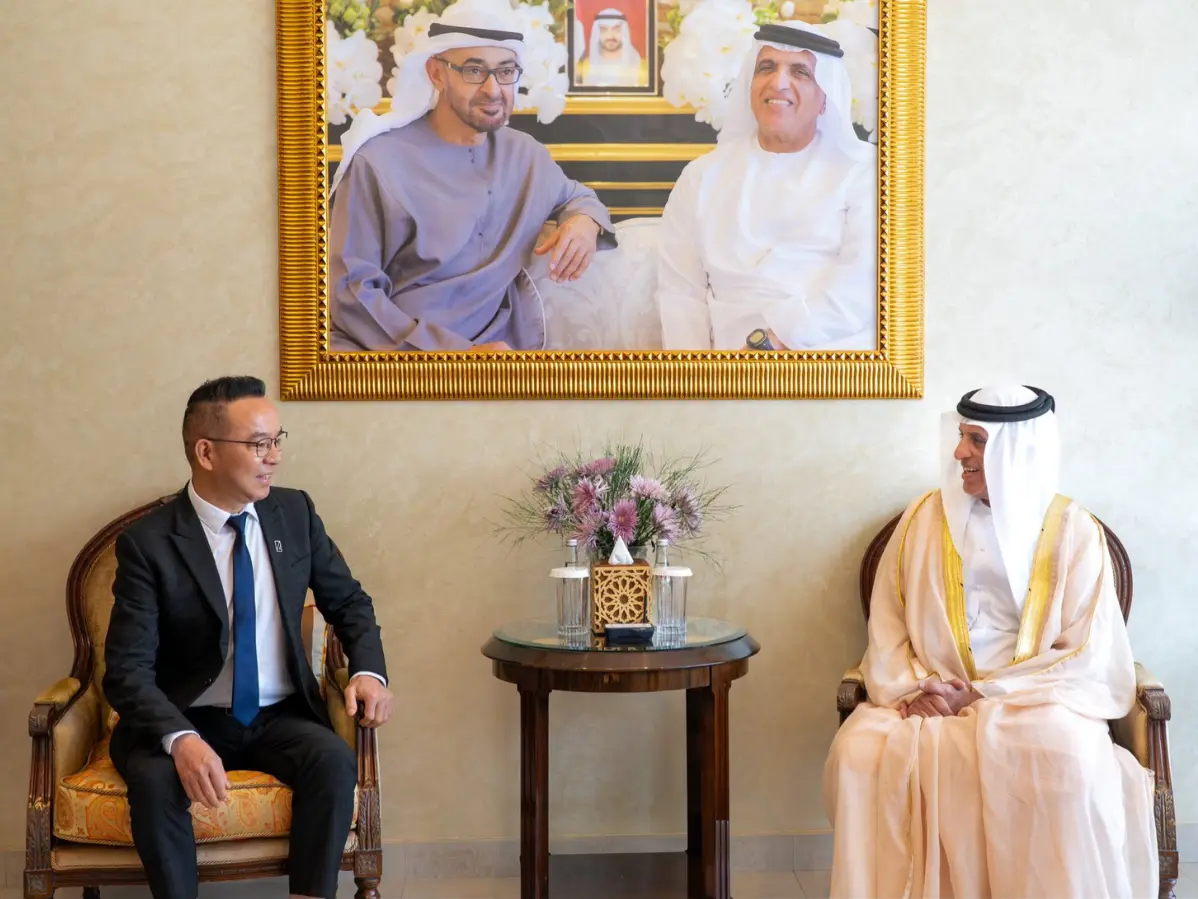)
Flying cars in UAE: Ras Al Khaimah signs deal with Chinese company to test new transport
)
Reacher star Alan Ritchson opens up about alleged blackmail, suicide attempt during difficult period
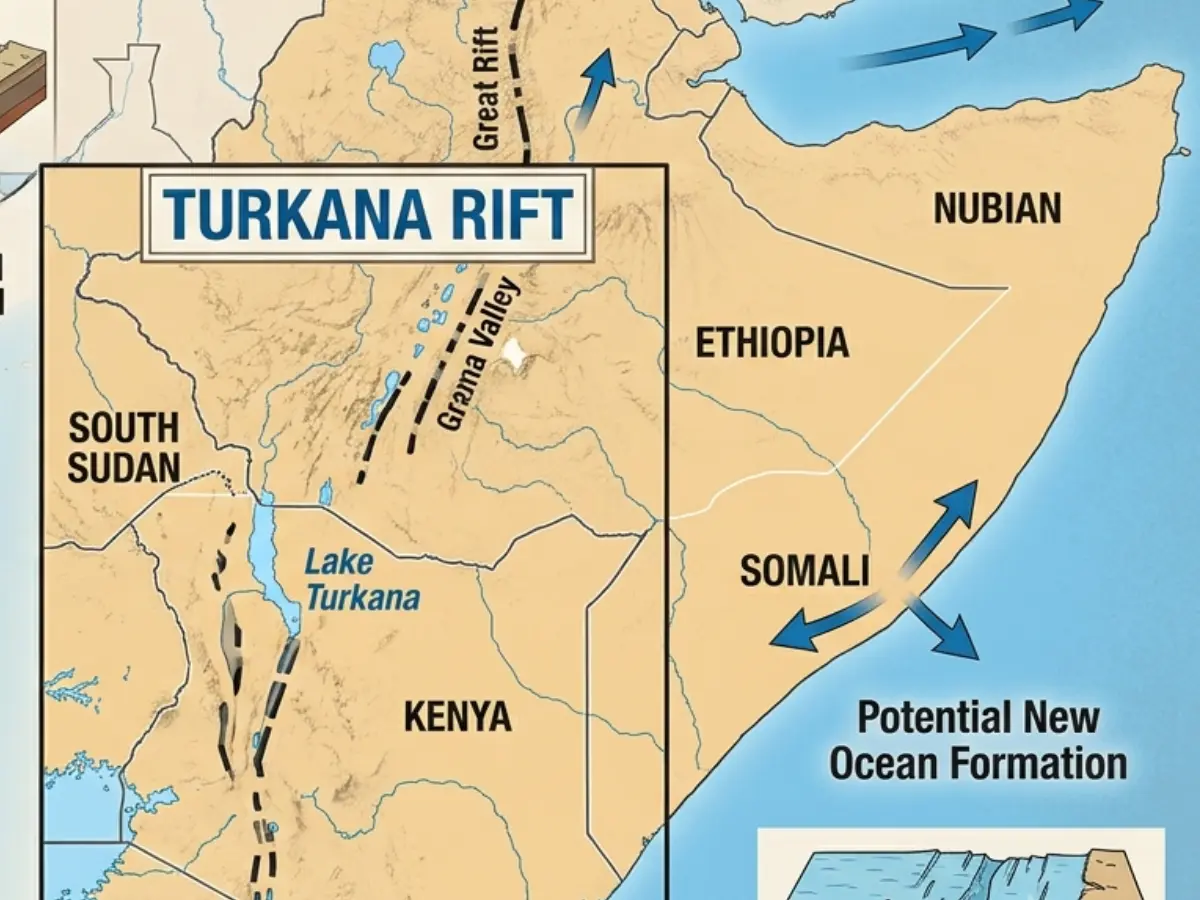)
Africa is splitting, and a lot sooner than estimated, giving way to a new ocean
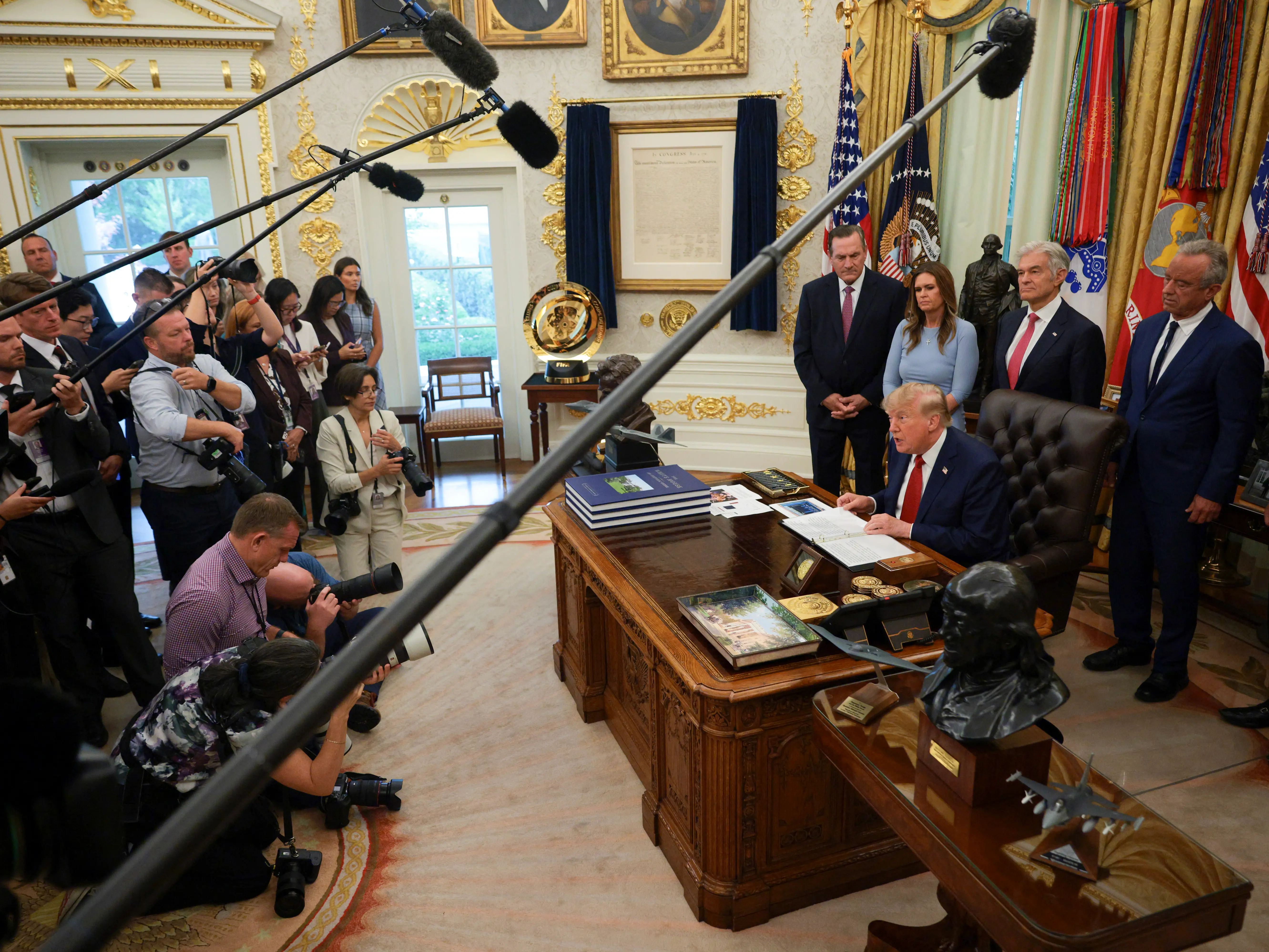)
Trump bans CNN, MS NOW and Politico from White House over ‘FAKE NEWS’
)
Trump 2.0: Dark days ahead for America’s ‘imperial presidency’
&im=FitAndFill=(700,400))
How many F-35s does Britain, Japan and Israel have?
)
Harry Brook targets long reign at top of T20I rankings after Sri Lanka sweep
)
Tirupati Laddu ghee adulterated with chemicals, says ED, supplier arrested
)
Russia holds first parliamentary elections since the beginning of the Ukraine war
&im=FitAndFill=(700,400))
Meet top 5 Indian batters with fastest T20I centuries
)
Raphinha hat-trick powers Barcelona to 3-1 win over Sevilla in La Liga
)
The Chinese president emphasised that trade wars are counterproductive, stressing that “there are no winners in tariff wars” and highlighting China’s role as an advocate for multilateralism and international fairness. As Latin American nations struggle with the fallout from rising US tariffs under President Trump, Xi’s statements underscored Beijing’s effort to position itself as a counterweight to Washington’s increasingly aggressive and protectionist stance.
Xi also outlined measures to increase Chinese imports of goods from Latin America, especially high-quality products, in an effort to support the region’s diverse economies beyond traditional resource exports like oil, iron ore, and soybeans. China has increasingly invested in sectors such as clean energy, telecommunications, and artificial intelligence (AI), sectors where Xi is keen to expand cooperation with LAC countries.
In a nod to the growing demand for infrastructure investments, Xi reiterated China's commitment to supporting regional development projects, with a particular focus on clean energy. China’s Belt and Road Initiative (BRI), which has already seen multiple Latin American countries join, was positioned as an opportunity for LAC nations to modernise and diversify their economies.
China’s growing presence irks US
The US has ramped up efforts to curtail China’s growing influence in Latin America. Notably, US Secretary of State Marco Rubio has visited multiple countries in the region, urging governments to limit their ties with Beijing. Meanwhile, US President Donald Trump has accused China of manipulating the region’s strategic assets, particularly the Panama Canal, and has sought to restrict Chinese investments in infrastructure projects across the continent.
China’s involvement in Latin America, particularly its investments in key infrastructure projects, has become a point of contention in Washington. However, Beijing’s expanded role in the region continues to grow.
In his remarks, Xi refrained from directly mentioning President Trump or his administration, but his criticism of unilateralism and protectionism made his stance clear. "Only through unity and cooperation can countries safeguard global peace and stability and promote worldwide development and prosperity," Xi said.
The trade war between the US and China has spilled into Latin America, forcing countries in the region to navigate a delicate balancing act. Many Latin American nations rely heavily on exports to both China and the US, making them vulnerable to the impacts of tariffs and trade restrictions.
One of the most striking elements of Xi’s speech was his strong condemnation of "bullying" in international relations. Xi’s declaration that “there are no winners in tariff wars” was a pointed critique of President Trump’s aggressive trade policies, which have rattled markets and strained global supply chains.
“Bullying and hegemony will only lead to self-isolation,” Xi said, emphasising that such tactics were not conducive to long-term global stability. The Chinese leader's remarks echoed the sentiments of many Latin American officials who have grown weary of US economic pressure and political interference. By framing China as an alternative to US economic dominance, Xi aims to offer Latin American nations a pathway toward greater autonomy and prosperity.
This message was further underscored by the participation of prominent Latin American leaders such as Brazilian President Luiz Inácio Lula da Silva, Chilean President Gabriel Boric, and Colombian President Gustavo Petro, all of whom were present at the forum. These leaders have voiced their support for deeper economic cooperation with China, and some have even joined the Belt and Road Initiative (BRI), which seeks to improve infrastructure and trade connectivity across continents.
Boric, in particular, emphasised the need for a “horizontal” dialogue between civilizations, one that moves away from authoritarianism and imperialism. His comments reflect the sentiment in many parts of Latin America, where there is growing frustration with US dominance in the region and a desire for more equitable partnerships.
A new chapter for Latin America-China ties
The strengthening of economic ties between China and Latin America is poised to continue, especially as many LAC countries seek to diversify their trade partnerships and reduce their reliance on the US amid growing uncertainties in its policies and its protectionist stance. With the expansion of infrastructure projects and increasing Chinese investment in key industries, the relationship between China and Latin America is evolving rapidly.
Xi’s speech also highlighted the role of China as a global leader in emerging sectors like clean energy and high-tech industries. As part of its broader diplomatic outreach, China has sought to position itself as a champion of multilateralism, offering an alternative to US protectionism and isolationism.
In the face of rising US tariffs and mounting pressures, Latin America now finds itself at a crossroads. As China offers financial support, new trade opportunities, and a more multilateral approach, it seems clear that many countries in the region will continue to look eastward for new opportunities.
(With inputs from agencies)