China seeks relaxation of AI chip export controls ahead of US-China trade talks

&imwidth=600&imheight=450&format=webp&quality=medium "China seeks relaxation of AI chip export controls ahead of US-China trade talks")
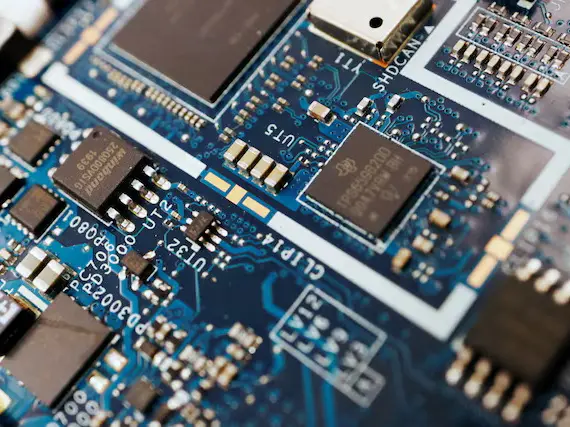
Semiconductor chips are seen on a circuit board of a computer in this illustration picture taken February 25, 2022. Photograph: (Reuters)
Chinese officials have argued that these restrictions are unfair and impede their legitimate access to the global market. In discussions with US negotiators, China has reportedly emphasised the critical nature of HBM chips for the development of its AI capabilities.
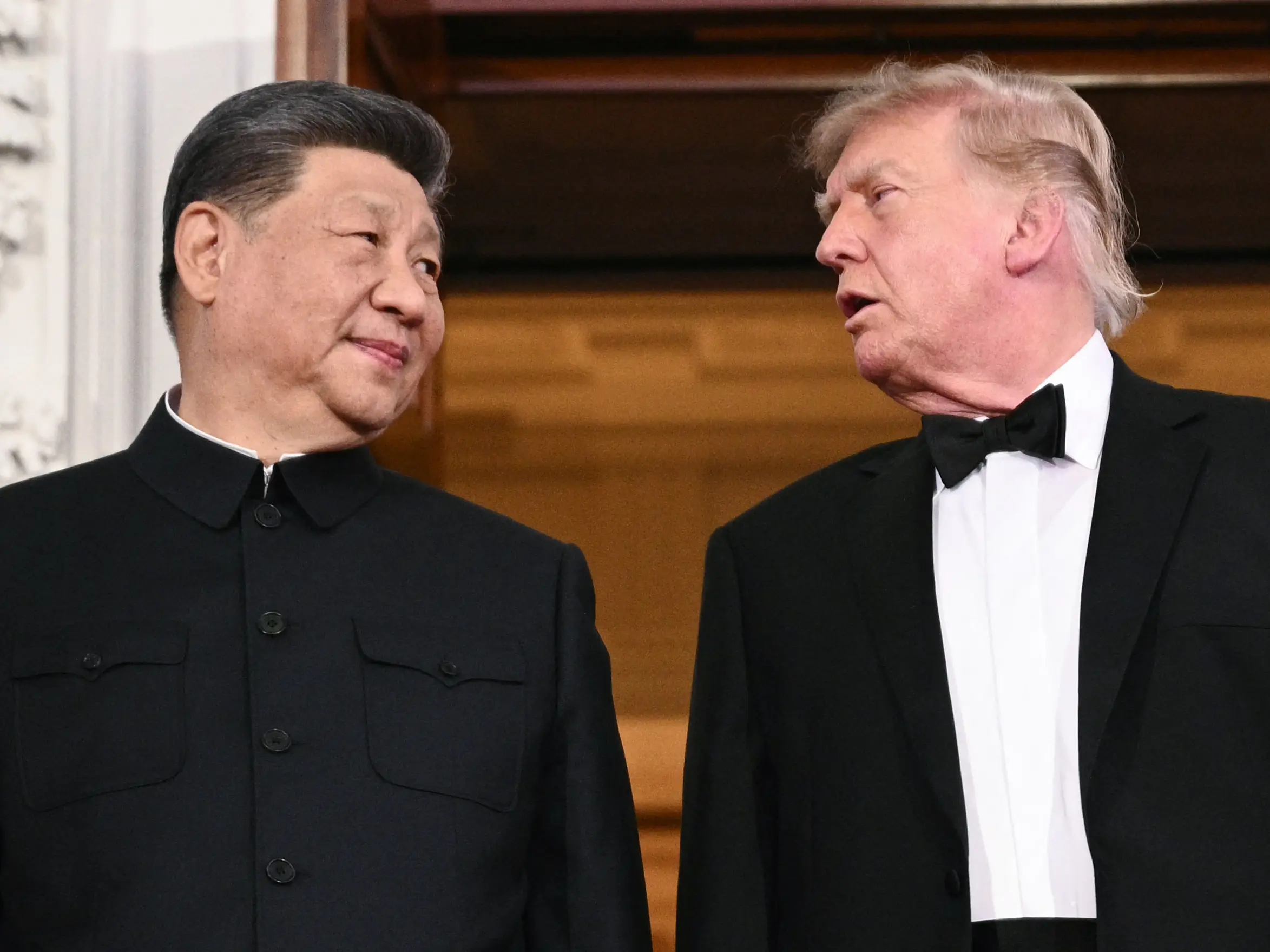
Ahead of a potential summit between US President Donald Trump and Chinese President Xi Jinping, China is reportedly pushing the United States to ease export restrictions on critical artificial intelligence (AI) components, specifically high-bandwidth memory (HBM) chips. The Financial Times reported on Sunday that Chinese officials have raised this issue in trade talks with US experts, seeking to relax the restrictions imposed by Washington on HBM exports to China. HBM chips are integral to the rapid processing of data-heavy AI tasks, enabling advanced AI chipsets to function at scale. China’s push for access to these chips comes as Chinese tech giants like Huawei struggle to develop their own AI chips in the face of US export controls. These restrictions, which were escalated in 2024 under President Joe Biden’s administration, have hindered the growth of Chinese companies in both the AI and semiconductor sectors.
Impact of US export controls on China’s AI progress
Since 2022, successive US administrations have imposed increasingly stringent controls on the export of advanced chips to China, citing national security concerns over Beijing’s AI and defence ambitions. In particular, the Biden administration’s 2024 ban on the export of HBM chips to China has dealt a significant blow to Chinese efforts to develop sophisticated AI chips at scale. The controls also affect major Chinese tech companies like Huawei and Semiconductor Manufacturing International Corporation (SMIC), which rely on access to such components to compete globally.
Chinese officials have argued that these restrictions are unfair and impede their legitimate access to the global market. In discussions with US negotiators, China has reportedly emphasised the critical nature of HBM chips for the development of its AI capabilities, noting that these chips are indispensable for combining memory and logic components in AI chip production. The recent focus on HBM controls has intensified as Beijing seeks to gain a strategic advantage in the global AI race.
Concerns in Washington over potential relaxation of export controls
The push for relaxed HBM controls comes as President Trump prepares for a possible summit with President Xi. However, many in Washington are concerned that such a move could benefit Chinese companies like Huawei and SMIC by enabling them to produce more AI chips, potentially giving them an edge over US competitors such as Nvidia. Some experts have warned that relaxing these controls could open the floodgates for China to rapidly scale its AI chip production and disrupt the US semiconductor market.
Trending Stories
)
)
)
)
)
)
&im=FitAndFill=(700,400))
)
)
)
)
)
)
)
)
)
)
)
)
)
)
)
)
)
)
)
)
)
)
)
)
)
)
)
)
&im=FitAndFill=(700,400))
)
AI experts cautioned that lifting the HBM ban would effectively assist Chinese companies in replacing US chipmakers in the AI sector. And relaxing these controls would be a gift to Huawei and SMIC. The growing scrutiny on companies like Nvidia, which has been selling gaming chips to China, also raises concerns over potential loopholes in US export control enforcement. Despite these chips not being marketed for AI, Chinese companies have reportedly found ways to repurpose them for AI applications. US lawmakers, such as John Moolenaar, have called for stronger enforcement to prevent the smuggling of advanced chips into China.
(With inputs from agencies)