
&imwidth=800&imheight=600&format=webp&quality=medium "China pushes for ‘new narrative’ with US after constructive Malaysia talks")
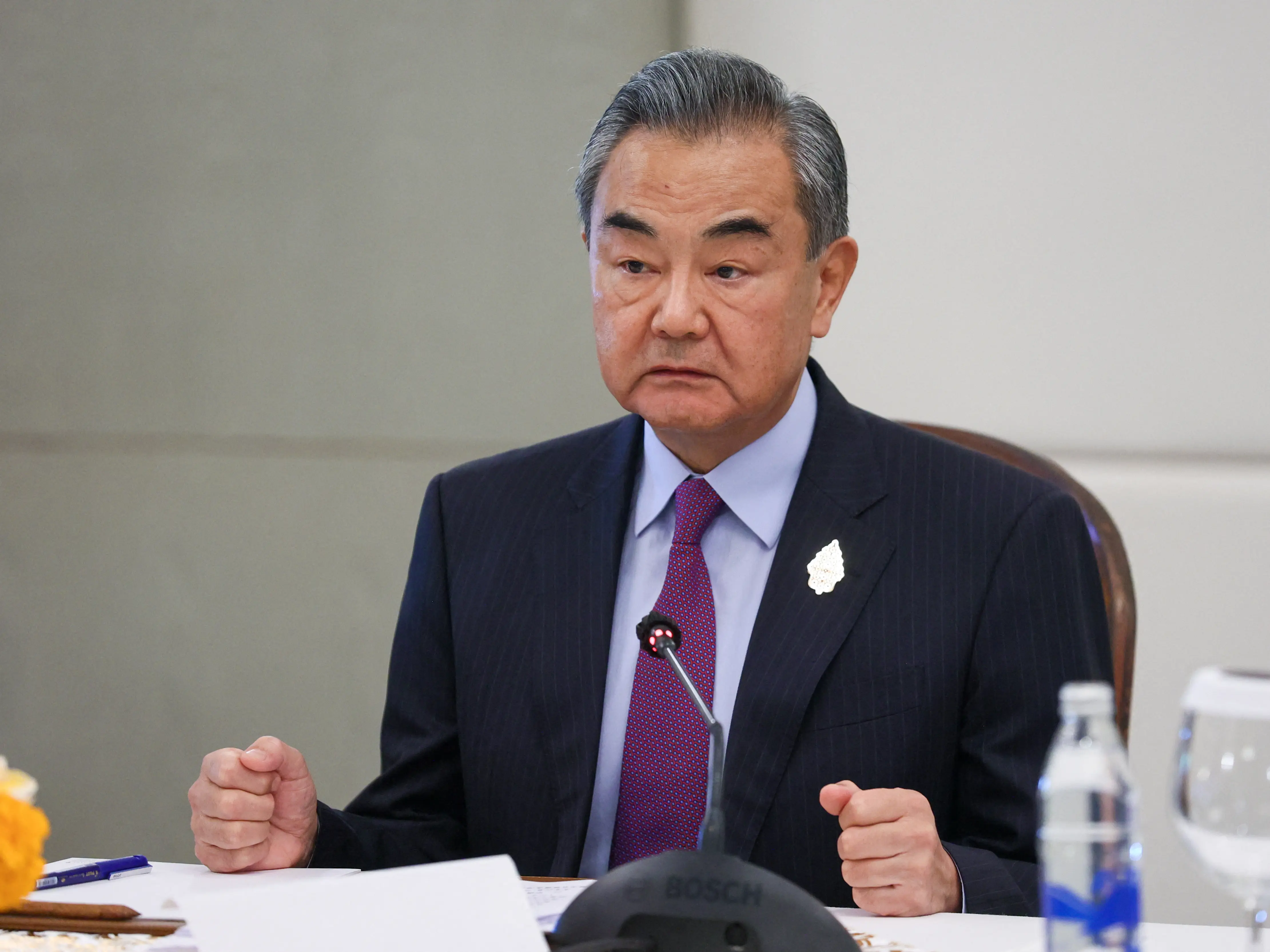
Chinese Foreign Minister Wang Yi has signalled a fresh opening for deeper diplomatic engagement with the United States following talks with US Secretary of State Marco Rubio on the sidelines of the ASEAN meetings in Kuala Lumpur, Malaysia. According to China’s foreign ministry, Wang described the roughly hour-long meeting on Friday as “constructive”, emphasising that both sides engaged in equal, respectful dialogue and “managed differences while expanding cooperation.” Speaking to Chinese media on Saturday, Wang said the discussions had “paved the way for the next step of exchanges between the two countries’ diplomatic teams,” as quoted in the South China Morning Post. He stressed that China and the United States shared “extensive common interests and broad space for cooperation,” noting that the world’s two largest economies had a “responsibility and opportunity to find a correct way … to get along.”
“From the perspective of historical evolution and humanity as a whole, China and the United States, as two major countries, share extensive common interests,” Wang said, according to a readout from the Chinese Foreign Ministry. Wang also summarised the meeting’s key outcomes as “strengthened engagement, prevented misjudgments, managed differences, and expanded cooperation,” adding that both sides acknowledged the global impact of their ties.
A crucial meeting amid trade tensions and military rivalries

The Kuala Lumpur sit-down was the first in-person meeting between Wang and Rubio since the latter was confirmed as Secretary of State in January. It comes at a time of escalating trade tensions between Washington and Beijing, marked by the Trump administration’s planned August 1 tariff hikes on US trading partners, including China.
US-China trade frictions have dominated headlines this year. According to Reuters, the Trump administration’s latest tariff threats include raising levies on Chinese electronics, steel, and aluminium, as well as announcing 50% tariffs on copper imports, a move analysts warn could trigger retaliation from Beijing.
Despite the tense backdrop, Rubio struck a cautiously optimistic tone after the meeting, saying the sides had “disagreed on some issues but the talks gave us some things we can work on together.” As reported by SCMP, he also hinted at the possibility of a presidential summit later this year between Donald Trump and Xi Jinping, saying the “odds are high” but that both sides would need to “build the right atmosphere and the right deliverables.”
Trending Stories
)
US vs China over South China Sea: Washington backs Philippines, Beijing hits back
)
Bigg Boss 20: Isha Rikhi evicted after three weeks in Salman Khan’s show
)
Musk plans to more than double xAI's chips to over 1.2 million Nvidia GPUs by year-end
)
After JU, clash erupts at SRFTI: BJP’s ‘Dimagi Naxal’ jibe sparks political firestorm after students protest RSS-linked event
)
‘Anti-social elements spreading false rumours’: LPU issues statement amid massive unrest over alleged rape
)
LPU students go on rampage, vandalise campus amid widespread protest: What's happening
)
Trump asked Xi to pressure Iran. China did not say yes — here’s what Beijing wants
)
US Treasury Secretary Scott Bessent hails global crackdown on Iranian banks and airlines
)
An OpenAI agent escaped its locked test cage again, by hiding questions in DNS lookups
)
'Our video was trimmed': LPU girls who featured in rape-denial video make U-turn
)
3 males killed, four others injured in shooting after fight at strip club in Detroit
)
'Victory for low-budget consumers': Raghav Chadha hails 30-day telecom recharge rules
)
Claude rebuilt the 1989 game 'Prince of Persia' by reusing the original's own code
)
Beyond metros: How Tier-2 and Tier-3 cities could drive India’s next AI wave
)
Tesla builds first Cybertruck with its own refined lithium: Elon Musk's $1 billion Texas bet pays off
)
IndiGo flight suffers tail strike in Bengaluru while landing; DGCA to probe incident
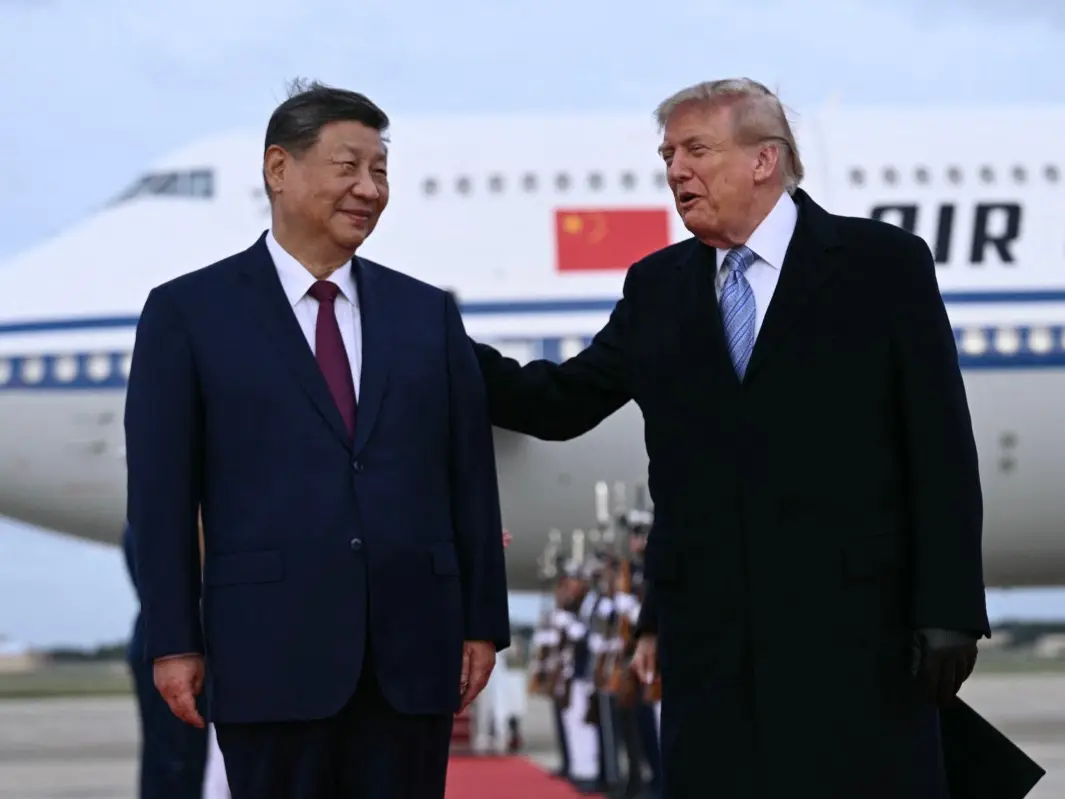)
The US and China set up an AI 'red telephone', but skipped the rulebook
)
‘Terror suspects arrested near UK air base were looking to do big damage’: Trump
)
Russian envoy claims US tactics to contain India were revealed in ‘Freudian slip’
)
IND vs WI 1st ODI: Kohli breaks Sachin's most runs in one country record with unbeaten 139 as India thump West Indies by 8 wickets
)
Researchers rebuilt exactly how 700 AI agents hacked Hugging Face: a 900-link chain trick
)
‘Olympic inclusion is our major target’: WPA President Ishaun Singh on pool’s global ambitions
)
Nations League: Spain sink England at Wembley; Modric shines for Croatia
)
Why has Iran released no proof of life of Mojtaba Khamenei? Araghchi reveals...
)
'What kind of confession is this?': Pakistan PM Shehbaz Sharif’s 'terrorists would be roaming New York' remark goes viral, raises alarm online. Watch
)
South Korea demands apology from Ukraine over North Korean prisoners' transfer
)
Beyond BrahMos: India targets Rs 50,000 crore in defence exports with unmatched price edge
)
Sri Lankan Tamil migrant worker gets death sentence in Saudi Arabia, help sought from India
)
Muslim marriage cannot shield sex with minor wife from prosecution under POCSO: Delhi HC
)
'Can't help but draw painful parallels to Nirbhaya case': SC on latest incidents of rape cases in Delhi-NCR
)
99.9% more powerful - Scientists find boy who can recall memories from just 3 months of age
)
'FIRST LOOK from inside Noah’s Ark': Researchers share video from inside mysterious mound in Turkey
)
UNSC reform momentum grows: Russia, Portugal, Mauritius push for India's permanent seat bid
)
8 US marines injured in Iranian missile attack on vessel in Strait of Hormuz: Report
&im=FitAndFill=(700,400))
New OTT releases this week (September 28-October 4, 2026): Dupahiya 2, Pooja Meri Jaan, Ohh My Dog- 5 titles coming on Netflix, Prime Video and more
)
Afghanistan says 28 fighters killed in clash near Pakistan border, Islamabad denies
)
Ceuta migrant crisis: Protesters take to streets as Spain grapples with migrant challenge
)
LPU suspend classes, postpones exams as violence escalates over rape claims: What's happening
)
New York City wants a 'kill switch' on every AI, and will pay whistleblowers who report violations
South China Sea calm – but frictions linger
Wang Yi also addressed regional security issues, claiming his talks with Southeast Asian counterparts in Kuala Lumpur about the South China Sea had grown increasingly “calm and confident.” He insisted the disputed waterway was “clearly stable,” with no issues over freedom of navigation or overflight. But he criticised unnamed “external actors” for trying to sow discord, saying these countries “fear that the South China Sea will not be in chaos.”
“Countries in the region have seen [through] these old tricks very clearly,” Wang said, in what observers widely interpreted as a swipe at US involvement. Beijing claims sovereignty over most of the South China Sea, a position rejected by several ASEAN members, notably the Philippines, a US treaty ally. Clashes between China and the Philippines have intensified over the past year, with Manila accusing Beijing of dangerous manoeuvres and water cannon attacks on Philippine vessels. As per a July 2024 Reuters report, the US has reaffirmed its commitment to the Philippines under their Mutual Defense Treaty, warning China that an armed attack on Philippine armed forces in the South China Sea would trigger American defence obligations.
‘New narrative’ for the South China Sea
Recalling his ASEAN meetings, Wang advocated for what he called a “new narrative” centred on peace and stability rather than confrontation. “Of course, there is still one country that remains out of step with the rest, but I believe it will eventually come to its senses. Acting as a pawn for others will only lead to being sacrificed,” he warned, again without naming the Philippines directly.
Wang’s language follows months of tensions in which Beijing has accused Washington of encouraging Manila to challenge Chinese claims in contested waters. According to BBC Monitoring, China’s government-run media have increasingly portrayed the US as an outside troublemaker undermining Asian stability.
Sharp words on trade and tariffs
Wang also addressed the Trump administration’s latest tariff threats on Southeast Asian economies, describing the global environment as “a mix of change and chaos. He contrasted China’s trade policy with that of the US, saying Beijing embraced openness while Washington imposed “hefty tariffs on trade partners,” disrupting supply chains and hurting global growth.
“It is irresponsible, unpopular, and unsustainable,” Wang said, as quoted by SCMP. “China will continue to stand firmly with countries in the region, promoting unity, cooperation, and collective strength.” He added that China would “always be an advocate of multilateralism, a defender of free trade, and a contributor to open development,” casting Beijing as a champion of regional integration.
Outlook for US-China diplomacy
The Rubio–Wang meeting comes amid cautious efforts by both sides to stabilise relations that have hit multi-decade lows over trade disputes, technology restrictions, Taiwan tensions and military activity in the South China Sea. In the past year, Washington and Beijing have reopened military-to-military communication channels and resumed working groups on trade, fentanyl trafficking, and climate issues. But substantive breakthroughs remain elusive.
The possibility of a Trump–Xi summit later this year now looms as a test of whether the fragile diplomatic thaw can hold. Analysts say both leaders face domestic pressures that may make concessions difficult but see incentives to avoid an all-out rupture that would damage their economies.
As Wang Yi put it after the meeting in Kuala Lumpur:
“Both sides have the responsibility and the opportunity to find a correct way … to get along.”