
&imwidth=800&imheight=600&format=webp&quality=medium "China faces deepening factory-gate deflation as trade war with US bites")
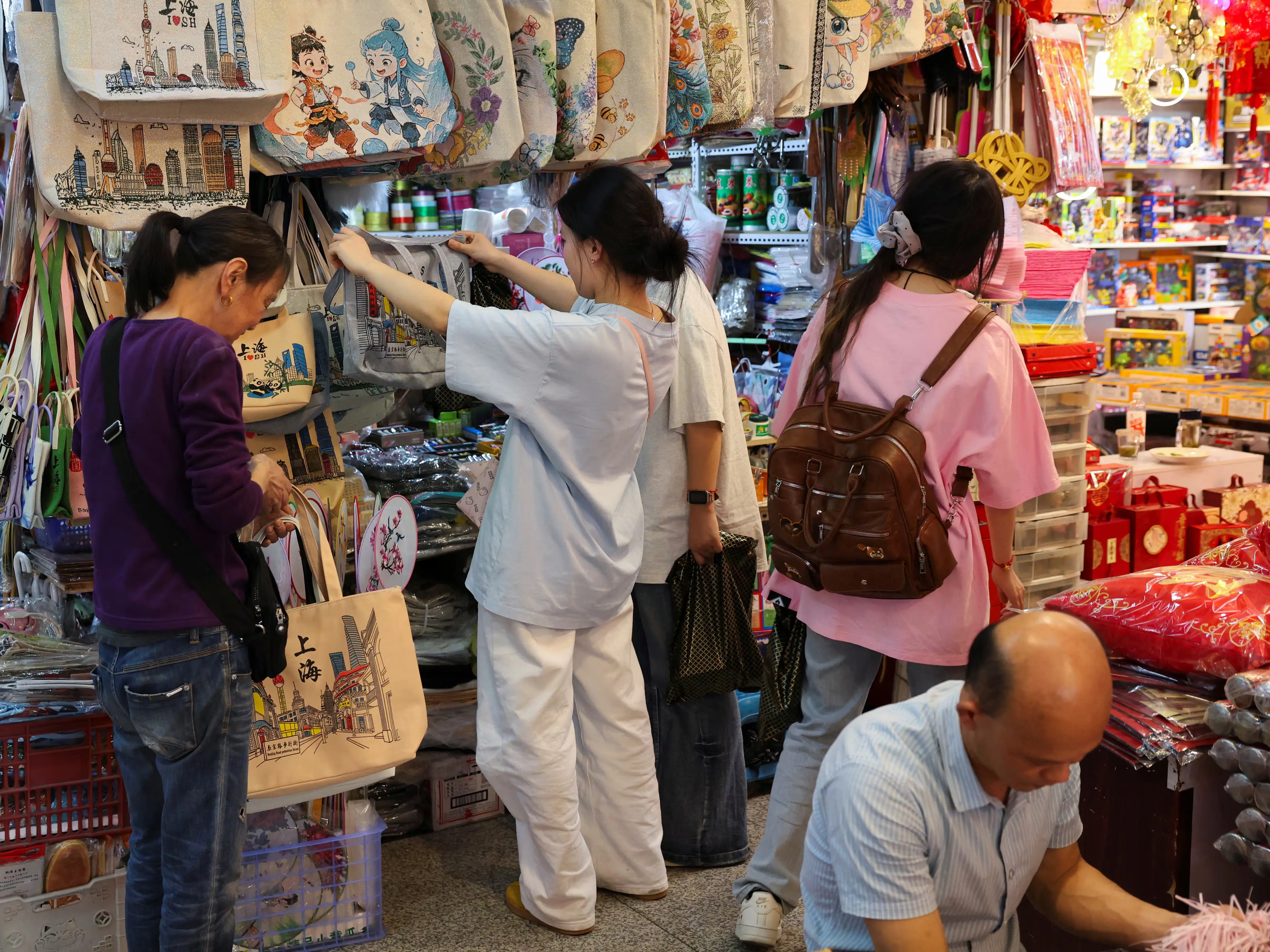
China’s manufacturing sector is under fresh strain as factory-gate prices fell at their steepest rate in almost two years in June, highlighting the mounting economic challenges posed by weak domestic demand and an intensifying trade dispute with the United States.
According to Reuters, the latest figures show a worrying combination for Beijing’s policymakers: industrial deflation that risks squeezing company profits and dampening investment, coupled with only marginal consumer price growth that underscores ongoing fragility in household spending.
As President Donald Trump pushes ahead with a broadening tariff campaign, tensions between the world’s two largest economies threaten to further complicate China’s efforts to stabilise growth and avert a deeper slowdown.

Producer prices fall at fastest pace since 2023
Data from China’s National Bureau of Statistics (NBS), reported by Reuters, showed the country’s producer price index (PPI) declined 3.6 per cent in June compared with a year earlier. This drop was steeper than May’s 3.3 per cent fall and marked the largest decline since July 2023.
Dong Lijuan, an NBS statistician quoted by Reuters, said weaker demand for exports was a key driver. “The uncertainty in the global trade environment has affected the export expectations of enterprises,” Dong noted, pointing directly to the chilling effect of Trump’s tariff threats on business confidence.
Trending Stories
)
Mushtaq Khan dies at 56: When Welcome actor opened up about his salary for iconic role Ballu
)
US Supreme Court backs Trump administration's use of SAVE database to check voter citizenship
)
Heart of the Beast review: Brad Pitt leads a gripping tale of survival and loyalty
)
Outrage erupts after 3-year-old is married to 60-year-old man in Pakistan, link to her sister's murder being probed
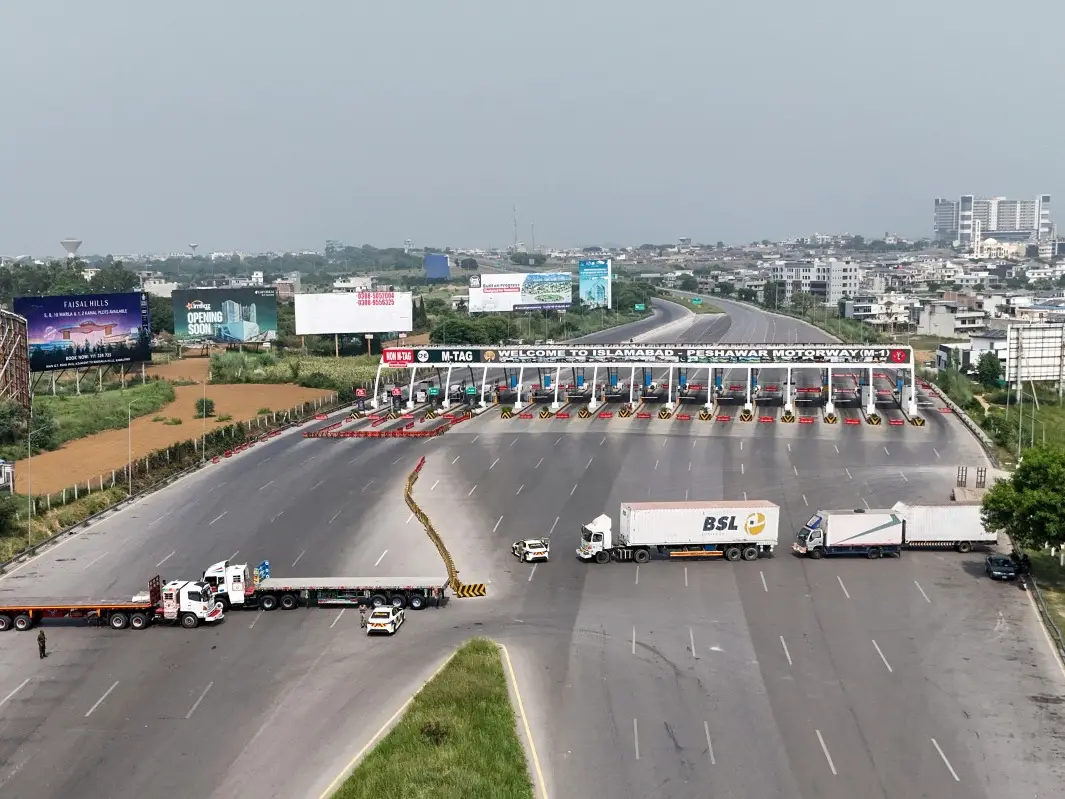)
Pakistan deploys over 20,000 security personnel as PTI vows march for Imran Khan's release
)
Asian Games: Shooting spree continues as India win silver in women’s 50m rifle 3P team event
)
‘Not just a local tragedy’: Nepal PM Shah warns UN of growing climate threat, says Nepal floods were 'a warning to the world'
)
OpenAI AI Agents hacked 4 websites before Hugging Face, researchers reveal
)
Pentagon quietly adds 37 wounded troops to Iran war tally without explaining when or how
)
Asian Games 2026: India women’s kabaddi team edge Iran 37-34 to clinch 3rd gold medal
)
Saudi Arabia still harbours intent to develop nuclear weapons, reveals US intelligence: Report
&im=FitAndFill=(700,400))
New Friday OTT releases (September 25, 2026): Don’t Be Shy, Hunkkaar: The Roar, Mango Pachcha- 6 movies and TV shows on Netflix, Prime Video and more
)
Yemen's war escalates: Saudi-backed leader calls for general mobilisation against the Houthis
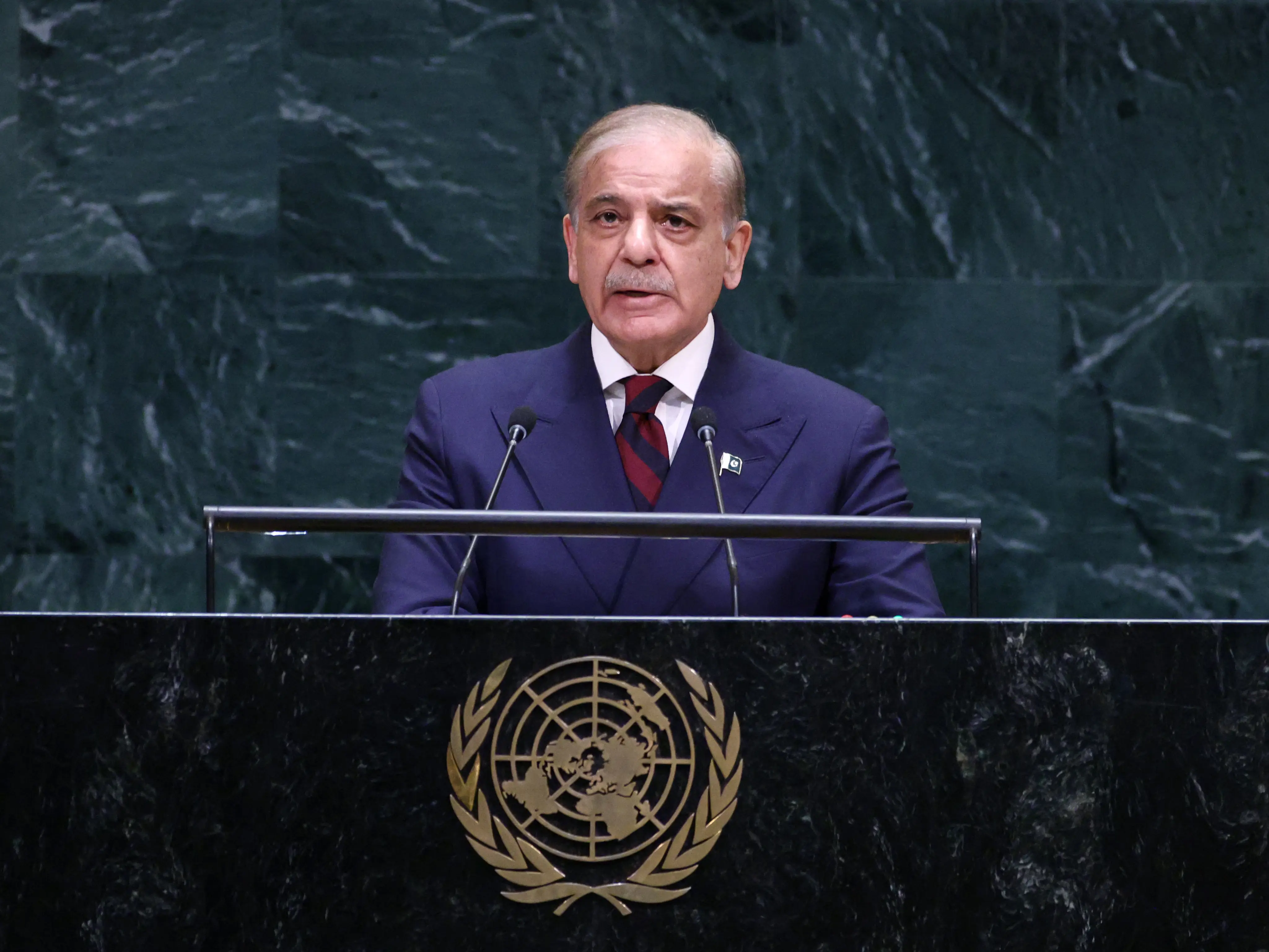)
‘Attack on Mecca a red line for Pakistan’: Shehbaz Sharif warns Houthis at UN
)
Tesla is preparing something big for Optimus: new Gen 3 models surface in app
)
Did Hitler kill his niece Geli Raubal? Newly found records reopen a 95-year-old mystery
)
Indian diplomat Petal Gahlot raises deteriorating situation in Pakistan-occupied Kashmir in right of reply at UN
)
Nigeria Navy moves to boost oil security, tackle crude theft and infrastructure threats
)
Scientists detect first radio signals directly from faraway planet
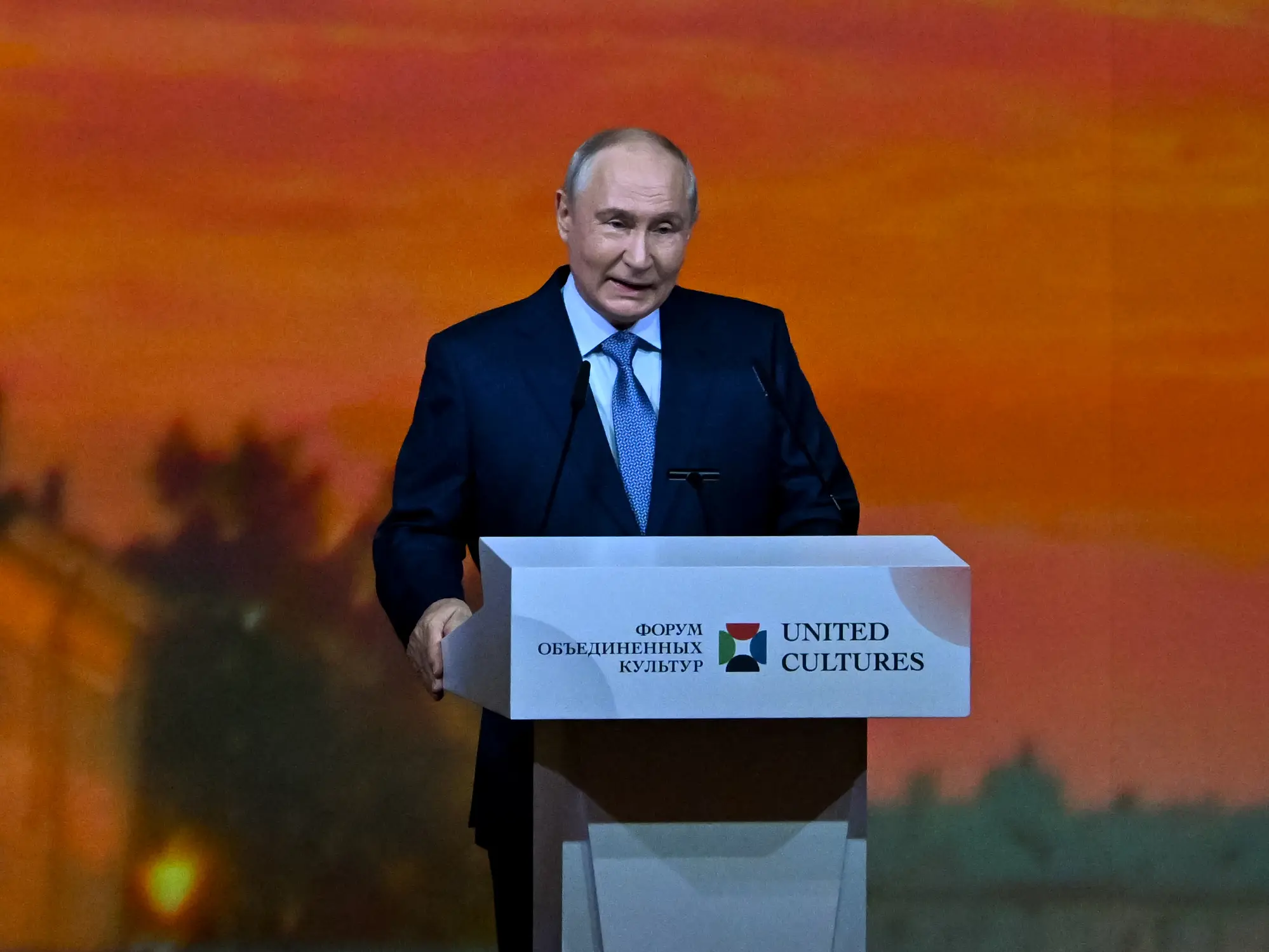)
‘It is all possible’: Putin weighs next steps on Ukraine talks, rules out Europe conflict
)
10,000 gather in support of 87-year-old forcefully evicted from home of 71 years
)
India flags brutal violence in Pak-occupied Jammu Kashmir
)
Trump rejects Iran's 7-day ceasefire proposal as US weighs renewed bombing after midterms: Report
)
Gaza's war turned environmental damage into second crisis
)
Saudi oil exports surge despite Iran war
)
Trump-Xi summit wrap: Big pageantry, Iran talks, few major developments and more meetings planned
)
'Making history': Xi Jinping praises Trump as US-China leaders dine at White House
)
India's UN Envoy slams Pakistan: 'They claim security by day, terrorism by night'
)
Jay-Z rape case: Accuser says allegations were false, never met rapper
)
Myanmar training camp case: US national, 6 Ukrainians allowed to meet their families abroad
)
Trump-Xi summit: Xi wraps up us visit with 21-gun salute as Trump, Xi lock in 'strategic stability'
)
'FIRST LOOK from inside Noah’s Ark': Researchers share video from inside mysterious mound in Turkey
)
Cindy Crawford’s son Presley Gerber cremated as death probe continues
)
India's insurance regulator overhauls policies
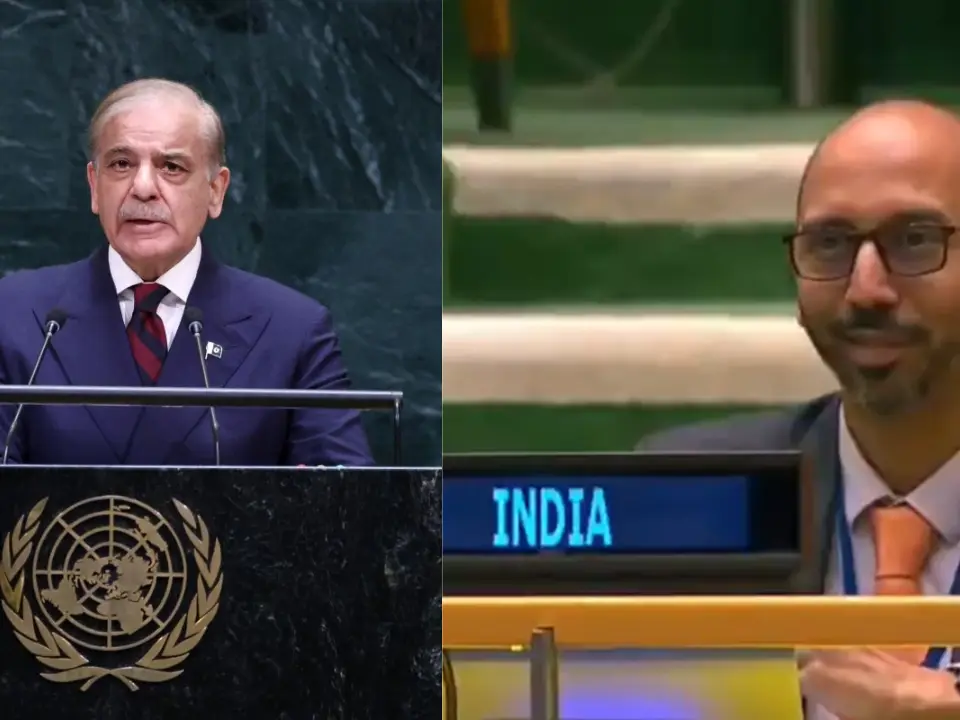)
WATCH | As Shehbaz Sharif claims Pakistan’s ‘victory’ during 2025 conflict, Indian diplomat R Srinivas laughs at UN
)
‘Goal is to win it’: Virat Kohli confirms 2027 ODI World Cup will be his final tournament for India
)
'A terrorist country is asking me that question?': Jaishankar hits back at Pakistani journalist at UN; flags attacks on commercial shipping
)
US court backs Pentagon's decision to exclude Anthropic over Claude AI restrictions
Trade tensions cast a long shadow
This latest data arrives as US President Donald Trump accelerates his aggressive tariff agenda, rolling out steep new levies on products ranging from copper to semiconductors. The White House argues these moves will bolster US industry and jobs, but the immediate impact has been to inflame tensions with major trade partners, including China.
Reuters highlighted that China’s factory activity shrank for a third consecutive month in June, although at a slower pace than in May. Employment and new export orders remained weak, underscoring the strain on manufacturers already battling fierce global competition and rising input costs. Zichun Huang, China economist at Capital Economics, told Reuters that demand was likely to weaken further in the months ahead as export growth slows and the benefits of domestic stimulus measures fade.
Consumer inflation remains subdued
China’s consumer price index (CPI) offered little sign of relief. According to Reuters, CPI rose just 0.1 per cent in June from a year earlier, reversing May’s 0.1 per cent decline but falling short of signalling any robust rebound in household spending. Dong of the NBS said the marginal rise was “mainly due to a rebound in industrial consumer goods prices.” On a monthly basis, CPI was down 0.1 per cent, matching economist expectations and showing that overall demand remained fragile.
Core inflation, which excludes volatile food and fuel prices stood out slightly by climbing 0.7 per cent year-on-year in June, the highest in 14 months, according to Reuters. However, analysts warned that this was unlikely to signal a lasting shift in consumption trends.
Price wars and policy dilemmas
Domestic demand weakness is reflected in aggressive discounting campaigns across key sectors. Reuters reported that automakers have been locked in bruising price wars, prompting authorities to call for restraint to avoid destabilising the industry further.
E-commerce giants Alibaba and JD.com have also rolled out heavy subsidies in recent months in a bid to boost market share in rapid delivery services, a sign that even China’s powerful consumer tech sector is feeling the pinch of cautious household spending.
Market reaction and the path ahead
Markets responded warily to the latest data. Reuters reported that the Shanghai Composite Index rose 0.3 per cent by the midday break on Wednesday, suggesting some hope that policymakers will step in with further support. Meanwhile, Hong Kong’s Hang Seng Index slipped 0.7 per cent, reflecting ongoing investor anxiety over Trump’s expanding tariff threats and their impact on trade flows.
Lynn Song, chief economist for China at ING, told Reuters that the persistently soft inflation data gave the People’s Bank of China room to cut interest rates further. While there is no immediate sense of crisis, Song suggested the next rate cut might come in the fourth quarter as authorities look to shore up activity.
A test of China’s resilience
The deepening producer deflation and feeble consumer price growth leave Beijing with a complex balancing act. Policymakers must weigh the need for further stimulus against fears of fuelling debt risks or property bubbles.
As Reuters noted, with the US ramping up tariffs and China’s export orders still struggling, the world’s second-largest economy faces a difficult path forward, trying to sustain growth while bracing for more volatility in an increasingly unpredictable global trade environment.