China bolsters Yuan Support amidst record fixing gap


People's Bank of China, Beijing
The People's Bank of China (PBOC) has set a daily reference rate for the yuan at 7.0968 per dollar, a move indicating the country's efforts to support its currency while the dollar gains strength.
According to Bloomberg, this rate was set within the recent trading range, after the offshore yuan experienced its most a major weakening in three weeks.
The fixing, set by the PBOC at 9:15 a.m. local time, determines the range within which the yuan can trade, a range limited to 2 per cent.

The gap between the set fixing and the market's expectations reached 1597 pips, marking the widest disparity recorded since Bloomberg began its daily survey in 2018.
“The strong fix simply underscores policymakers’ desire and will to pursue RMB stability,” Bloomberg quoted Christopher Wong, an FX strategist at Oversea-Chinese Banking Corp, as saying.
He further added, “Clearly the fix is outside of consensus estimates, but the strong fix shows that policymakers want to send a strong message to markets.”
)
Asian Games: Shooting spree continues as India win silver in women’s 50m rifle 3P team event
)
Bollywood mourns Mushtaq Khan: Sunny Deol, Rajpal Yadav and others pay tribute
)
'A terrorist country is asking me that question?': Jaishankar hits back at Pakistani journalist at UN; flags attacks on commercial shipping
&im=FitAndFill=(700,400))
New Friday OTT releases (September 25, 2026): Don’t Be Shy, Hunkkaar: The Roar, Mango Pachcha- 6 movies and TV shows on Netflix, Prime Video and more
)
India's UN Envoy slams Pakistan: 'They claim security by day, terrorism by night'
)
10,000 gather in support of 87-year-old forcefully evicted from home of 71 years
)
Indian diplomat Petal Gahlot raises deteriorating situation in Pakistan-occupied Kashmir in right of reply at UN
)
US court backs Pentagon's decision to exclude Anthropic over Claude AI restrictions
)
OpenAI AI Agents hacked 4 websites before Hugging Face, researchers reveal
)
Yemen's war escalates: Saudi-backed leader calls for general mobilisation against the Houthis
)
'FIRST LOOK from inside Noah’s Ark': Researchers share video from inside mysterious mound in Turkey
)
Army chief reviews operational preparedness along LoC, visits mega eye camp in Tangdhar
)
Pentagon quietly adds 37 wounded troops to Iran war tally without explaining when or how
)
Heart of the Beast review: Brad Pitt leads a gripping tale of survival and loyalty
)
Myanmar training camp case: US national, 6 Ukrainians allowed to meet their families abroad
)
Scientists detect first radio signals directly from faraway planet
)
Did Hitler kill his niece Geli Raubal? Newly found records reopen a 95-year-old mystery
)
Bias or safety concerns? Bengaluru CEO says firm will not hire men from UP, Bihar, Rajasthan, MP. Here's why
)
Gaza's war turned environmental damage into second crisis
)
Trump rejects Iran's 7-day ceasefire proposal as US weighs renewed bombing after midterms: Report
)
‘Not just a local tragedy’: Nepal PM Shah warns UN of growing climate threat, says Nepal floods were 'a warning to the world'
)
Nigeria Navy moves to boost oil security, tackle crude theft and infrastructure threats
)
WATCH | As Shehbaz Sharif claims Pakistan’s ‘victory’ during 2025 conflict, Indian diplomat R Srinivas laughs at UN
)
Jay-Z rape case: Accuser says allegations were false, never met rapper
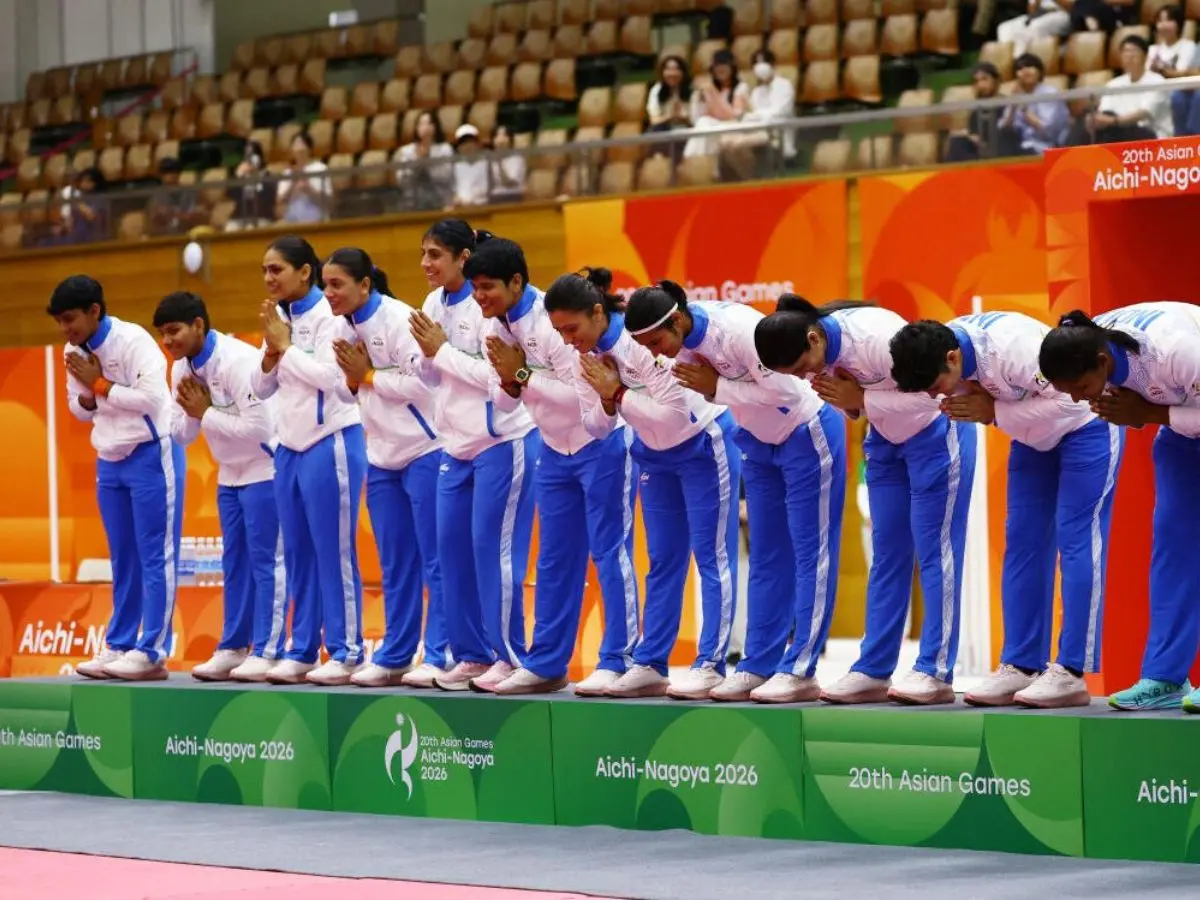)
Asian Games 2026: India women’s kabaddi team edge Iran 37-34 to clinch 3rd gold medal
)
Cindy Crawford’s son Presley Gerber cremated as death probe continues
)
Pakistan deploys over 20,000 security personnel as PTI vows march for Imran Khan's release
)
Saudi oil exports surge despite Iran war
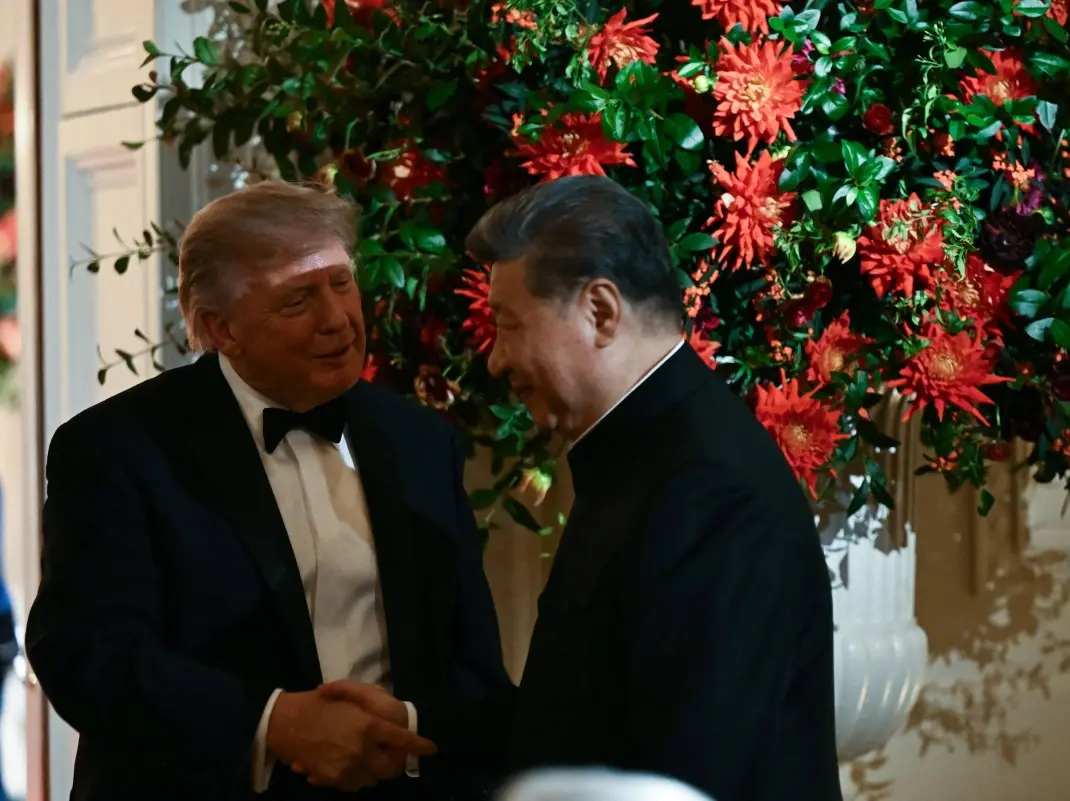)
'Making history': Xi Jinping praises Trump as US-China leaders dine at White House
)
Tesla is preparing something big for Optimus: new Gen 3 models surface in app
)
US Supreme Court backs Trump administration's use of SAVE database to check voter citizenship
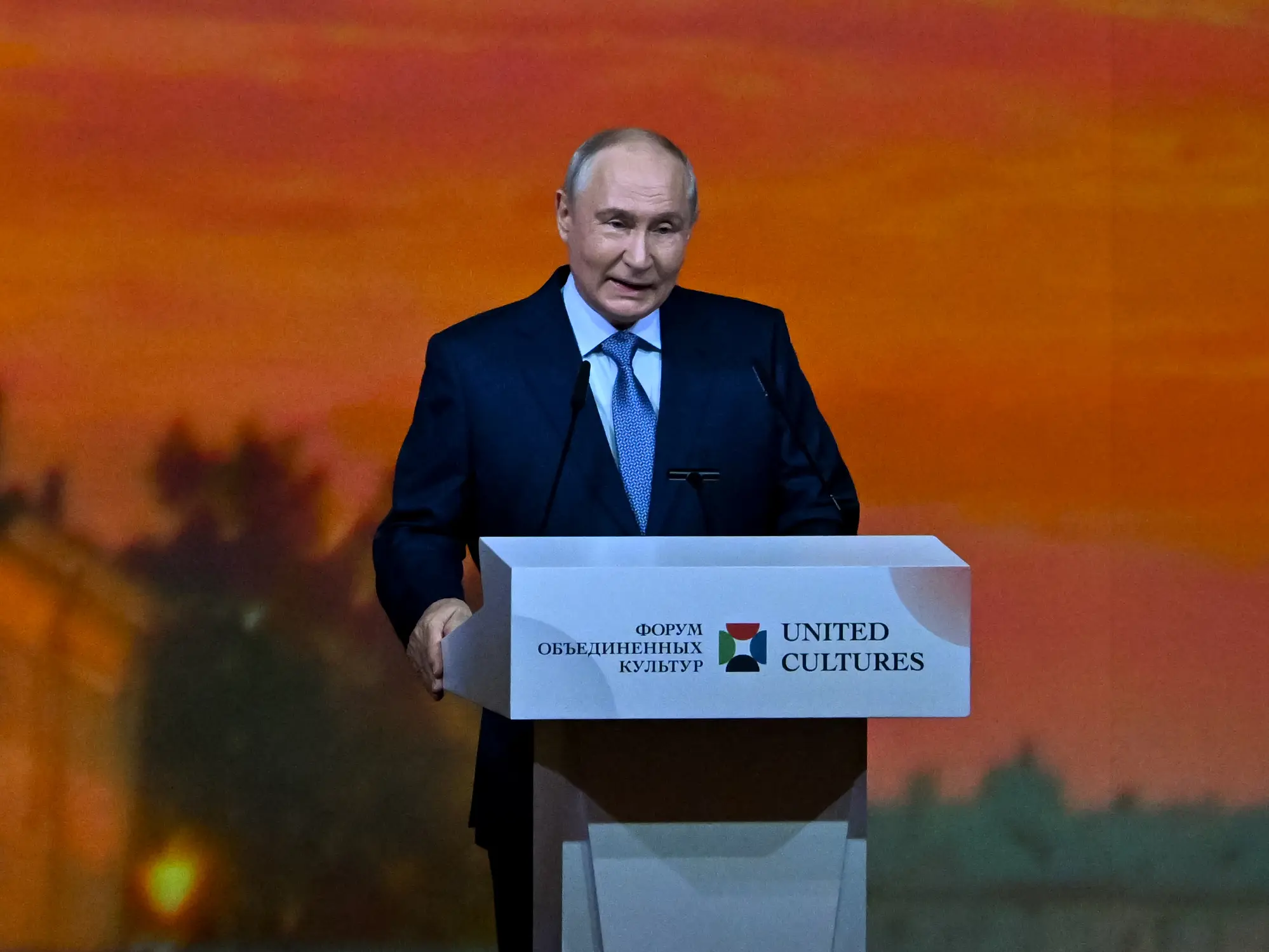)
‘It is all possible’: Putin weighs next steps on Ukraine talks, rules out Europe conflict
)
Outrage erupts after 3-year-old is married to 60-year-old man in Pakistan, link to her sister's murder being probed
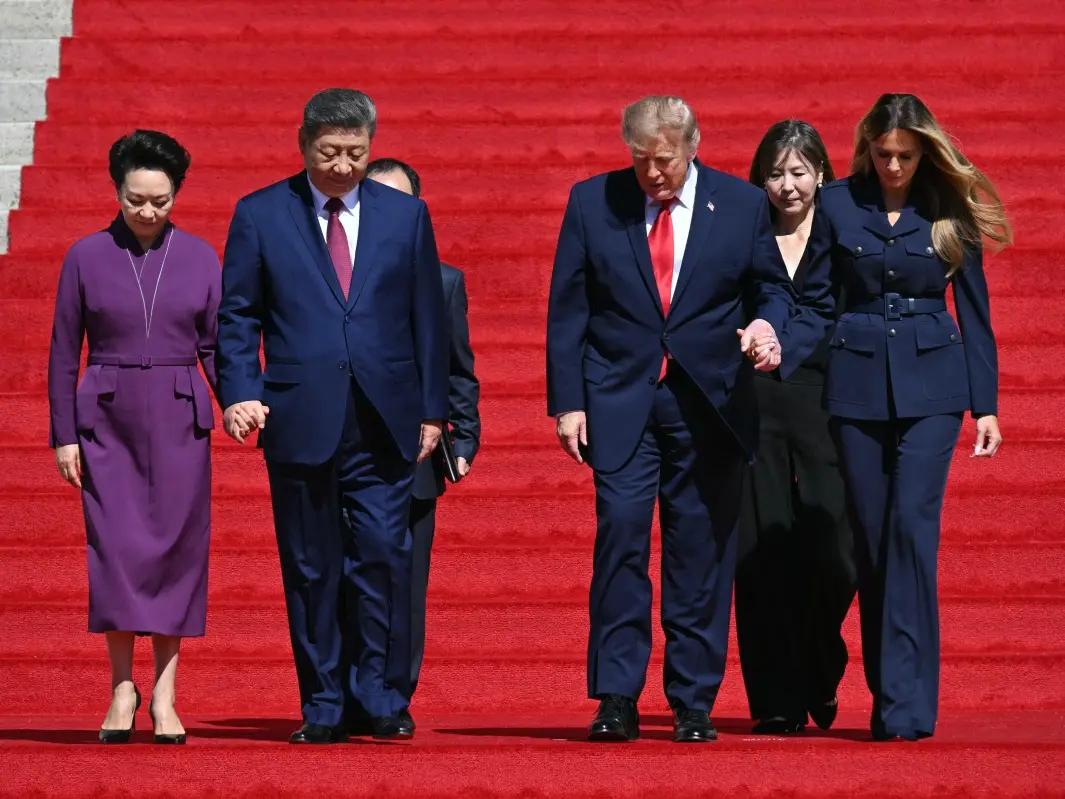)
Trump-Xi summit wrap: Big pageantry, Iran talks, few major developments and more meetings planned
)
Red Sea crisis: Houthis promise not to target European ships; UNSC condemns Saudi attacks
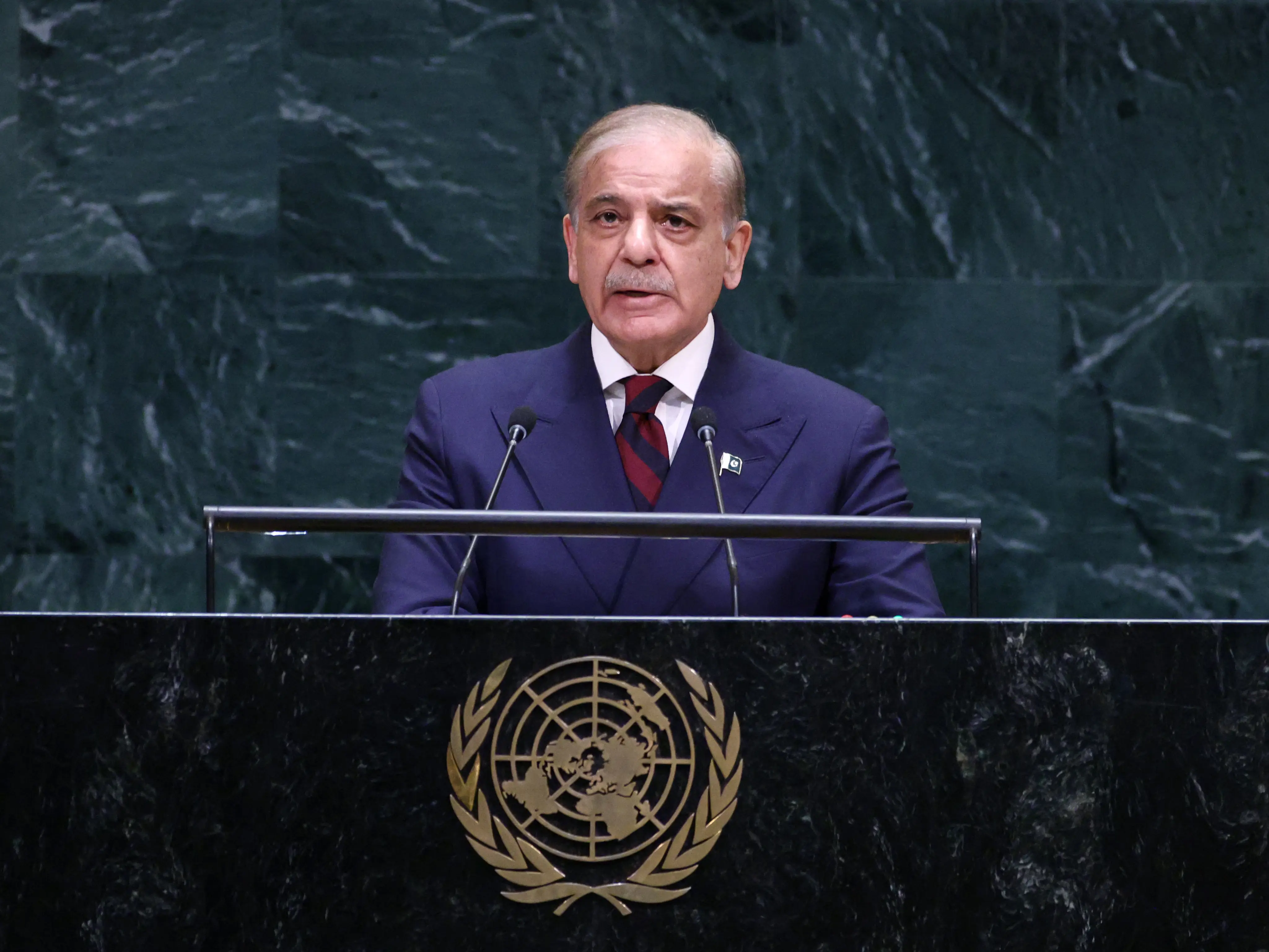)
‘Attack on Mecca a red line for Pakistan’: Shehbaz Sharif warns Houthis at UN
The daily reference rate has been under scrutiny by China watchers, aiming to discern Beijing's intentions regarding the yuan's direction.
This scrutiny comes as the yuan wobbled close to the lower boundary of its trading range.
Despite the possible benefits a weaker currency could offer to the country's exporters, officials remain vigilant against yuan pressures that could adversely affect local stocks and bonds.
On Wednesday, the offshore yuan concluded trading at a two-week low, influenced by a surge in US inflation that bolstered the dollar and Treasury yields.
According to derivative markets, there are indications that the Federal Reserve might reduce interest rates only twice this year, with the first cut expected in September.
Following the fixing, the offshore yuan saw a modest rise of 0.1 per cent.
The PBOC's emphasis on yuan stability is rooted in the belief that abrupt drops in the yuan could trigger a vicious cycle of capital outflows and further currency devaluation.
As the yuan serves as a stabilising force in the global foreign exchange market and acts as an anchor for regional currencies, heightened yuan volatility could potentially affect other currencies, including the dollar.
(With inputs from Bloomberg)