Budget 2024: Sitharaman unveils India's plan to achieve net zero target by 2070 with focus on green energy


Budget 2024: Nirmala Sitharaman announces plans to achieve net zero by 2070 target
Indian Finance Minister Nirmala Sitharaman on Thursday (Feb 1) announced a number of plans to steer the country towards its commitment of net zero target by 2070 as the interim budget2024was tabled in the Parliament.
‘Viksit Bharat’
“Our vision for Viksit (Advanced) Bharat is that of a prosperous Bharat…in harmony with nature and modern infrastructure, and providing opportunities for all to reach their potential,” said Sitharaman, during her speech.

WATCH |FM Nirmala Sitharaman: Next five years will see unprecented development
This was in line with Prime Minister Narendra Modi'svision for ‘Viksit Bharat’which involves several aspects of development, including economic growth and environmental sustainability.
)
Mushtaq Khan dies at 56: When Welcome actor opened up about his salary for iconic role Ballu
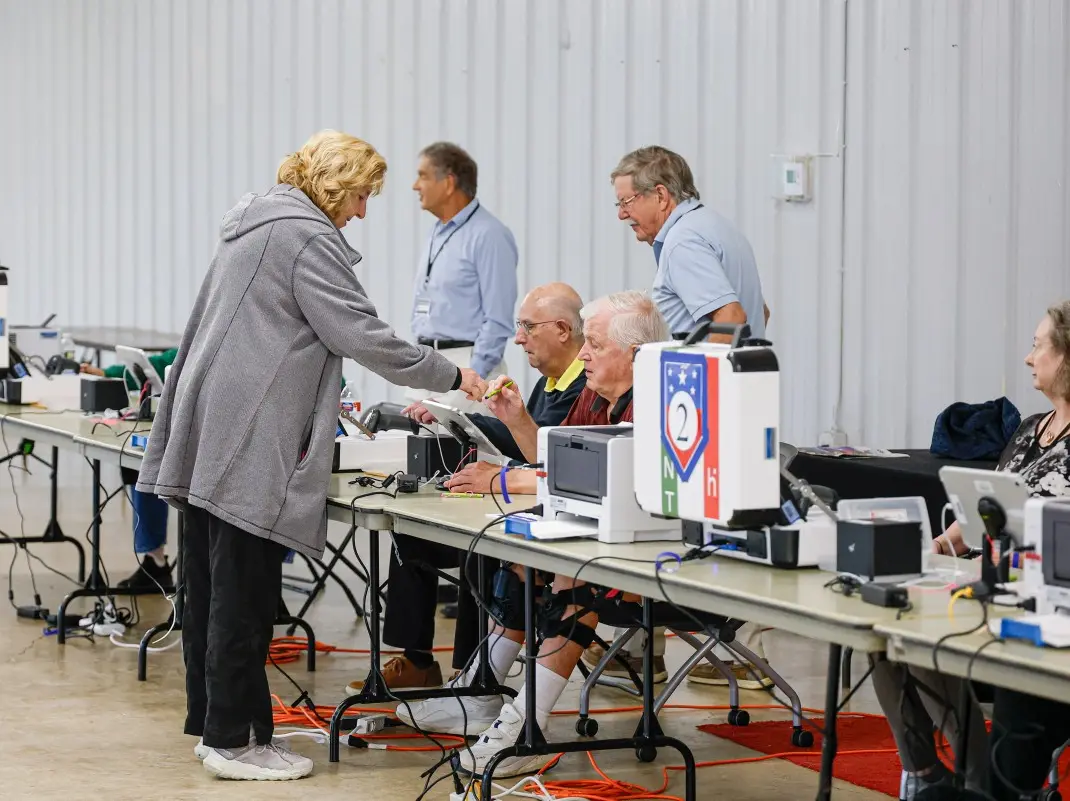)
US Supreme Court backs Trump administration's use of SAVE database to check voter citizenship
)
Heart of the Beast review: Brad Pitt leads a gripping tale of survival and loyalty
)
Outrage erupts after 3-year-old is married to 60-year-old man in Pakistan, link to her sister's murder being probed
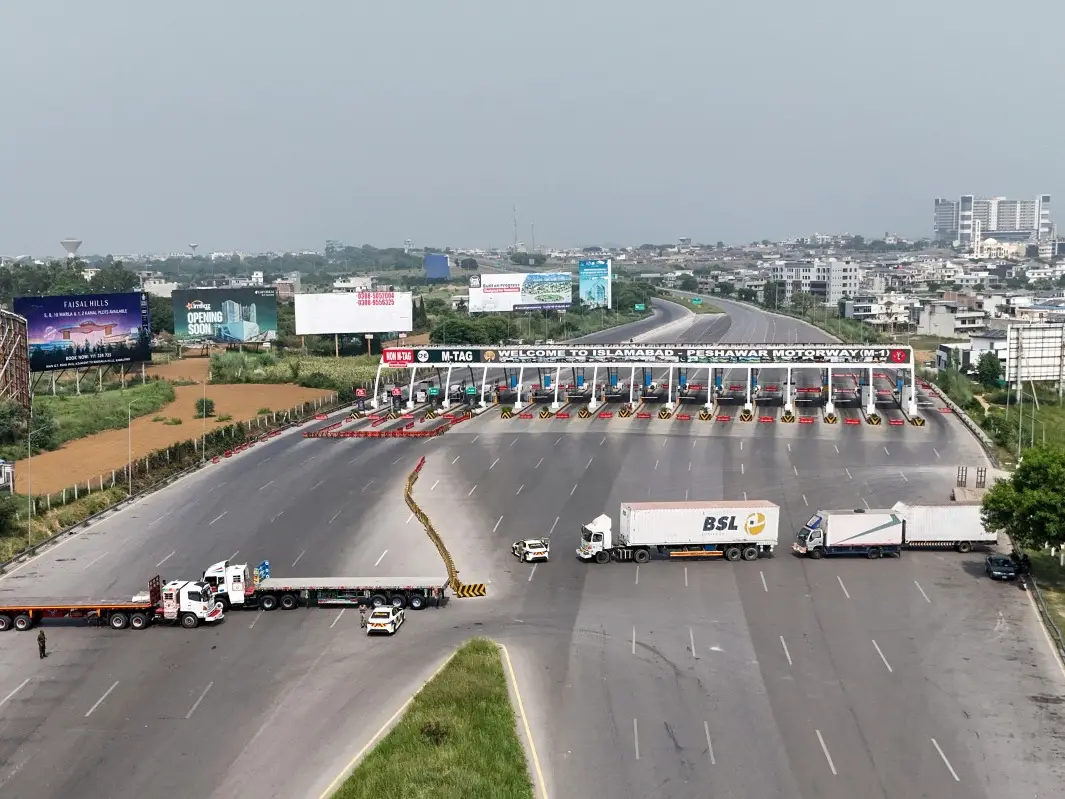)
Pakistan deploys over 20,000 security personnel as PTI vows march for Imran Khan's release
)
Asian Games: Shooting spree continues as India win silver in women’s 50m rifle 3P team event
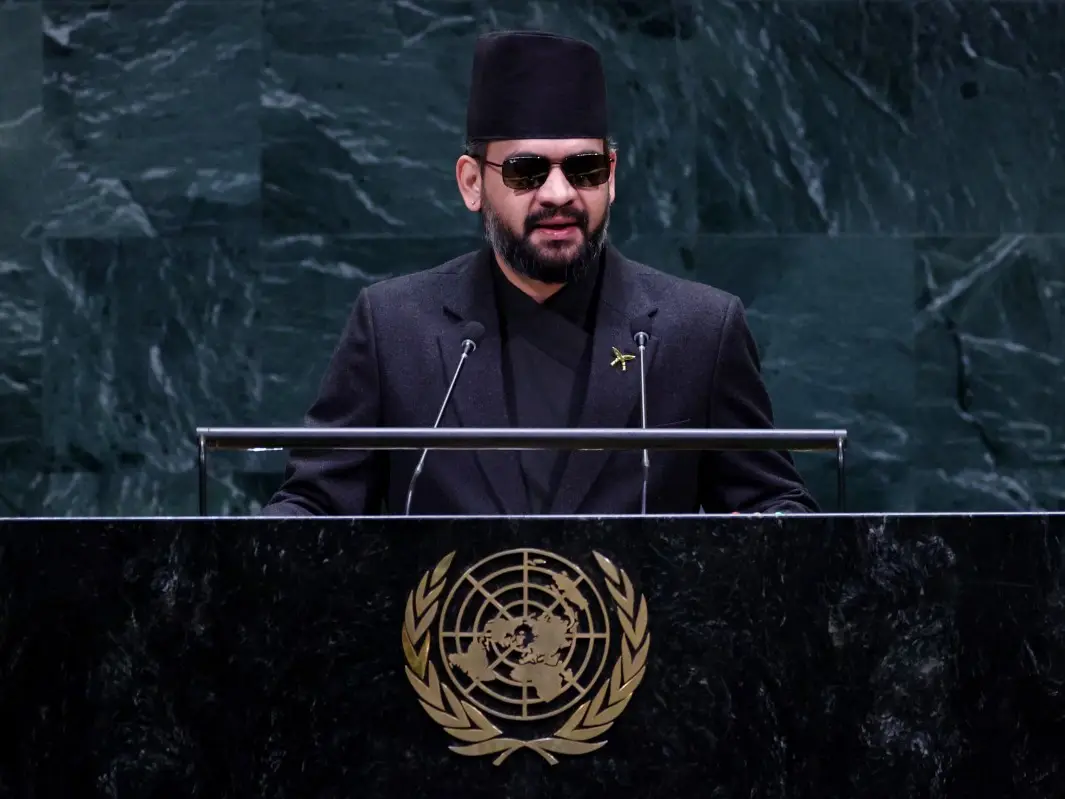)
‘Not just a local tragedy’: Nepal PM Shah warns UN of growing climate threat, says Nepal floods were 'a warning to the world'
)
OpenAI AI Agents hacked 4 websites before Hugging Face, researchers reveal
)
Pentagon quietly adds 37 wounded troops to Iran war tally without explaining when or how
)
Asian Games 2026: India women’s kabaddi team edge Iran 37-34 to clinch 3rd gold medal
)
Saudi Arabia still harbours intent to develop nuclear weapons, reveals US intelligence: Report
&im=FitAndFill=(700,400))
New Friday OTT releases (September 25, 2026): Don’t Be Shy, Hunkkaar: The Roar, Mango Pachcha- 6 movies and TV shows on Netflix, Prime Video and more
)
Yemen's war escalates: Saudi-backed leader calls for general mobilisation against the Houthis
)
‘Attack on Mecca a red line for Pakistan’: Shehbaz Sharif warns Houthis at UN
)
Tesla is preparing something big for Optimus: new Gen 3 models surface in app
)
Bias or safety concerns? Bengaluru CEO says firm will not hire men from UP, Bihar, Rajasthan, MP. Here's why
)
Did Hitler kill his niece Geli Raubal? Newly found records reopen a 95-year-old mystery
)
Indian diplomat Petal Gahlot raises deteriorating situation in Pakistan-occupied Kashmir in right of reply at UN
)
Nigeria Navy moves to boost oil security, tackle crude theft and infrastructure threats
)
Scientists detect first radio signals directly from faraway planet
)
‘It is all possible’: Putin weighs next steps on Ukraine talks, rules out Europe conflict
)
10,000 gather in support of 87-year-old forcefully evicted from home of 71 years
)
Trump rejects Iran's 7-day ceasefire proposal as US weighs renewed bombing after midterms: Report
)
Red Sea crisis: Houthis promise not to target European ships; UNSC condemns Saudi attacks
)
Gaza's war turned environmental damage into second crisis
)
Saudi oil exports surge despite Iran war
)
Trump-Xi summit wrap: Big pageantry, Iran talks, few major developments and more meetings planned
)
'Making history': Xi Jinping praises Trump as US-China leaders dine at White House
)
India's UN Envoy slams Pakistan: 'They claim security by day, terrorism by night'
)
Jay-Z rape case: Accuser says allegations were false, never met rapper
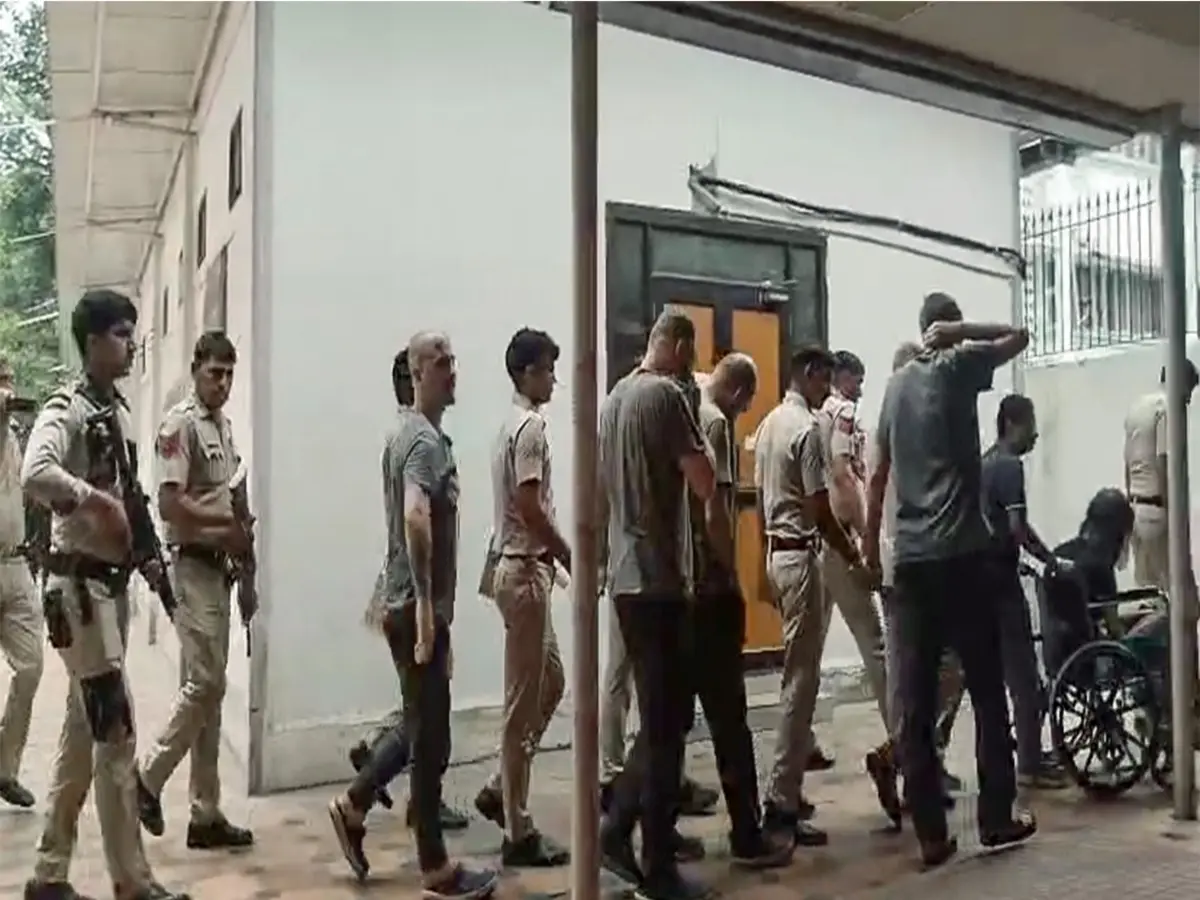)
Myanmar training camp case: US national, 6 Ukrainians allowed to meet their families abroad
)
'FIRST LOOK from inside Noah’s Ark': Researchers share video from inside mysterious mound in Turkey
)
Cindy Crawford’s son Presley Gerber cremated as death probe continues
)
India's insurance regulator overhauls policies
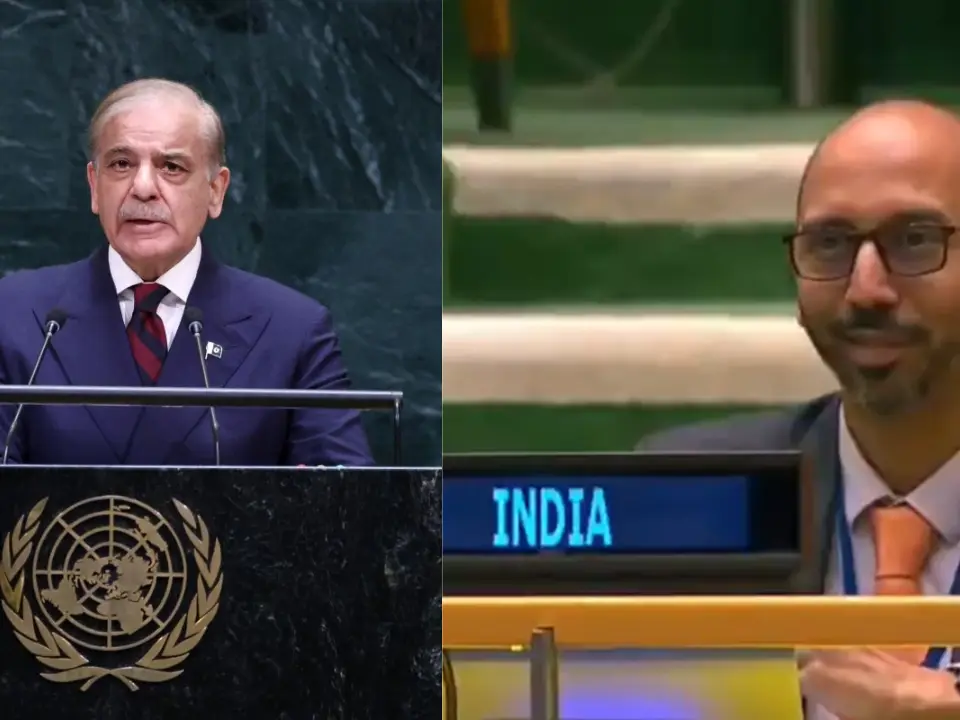)
WATCH | As Shehbaz Sharif claims Pakistan’s ‘victory’ during 2025 conflict, Indian diplomat R Srinivas laughs at UN
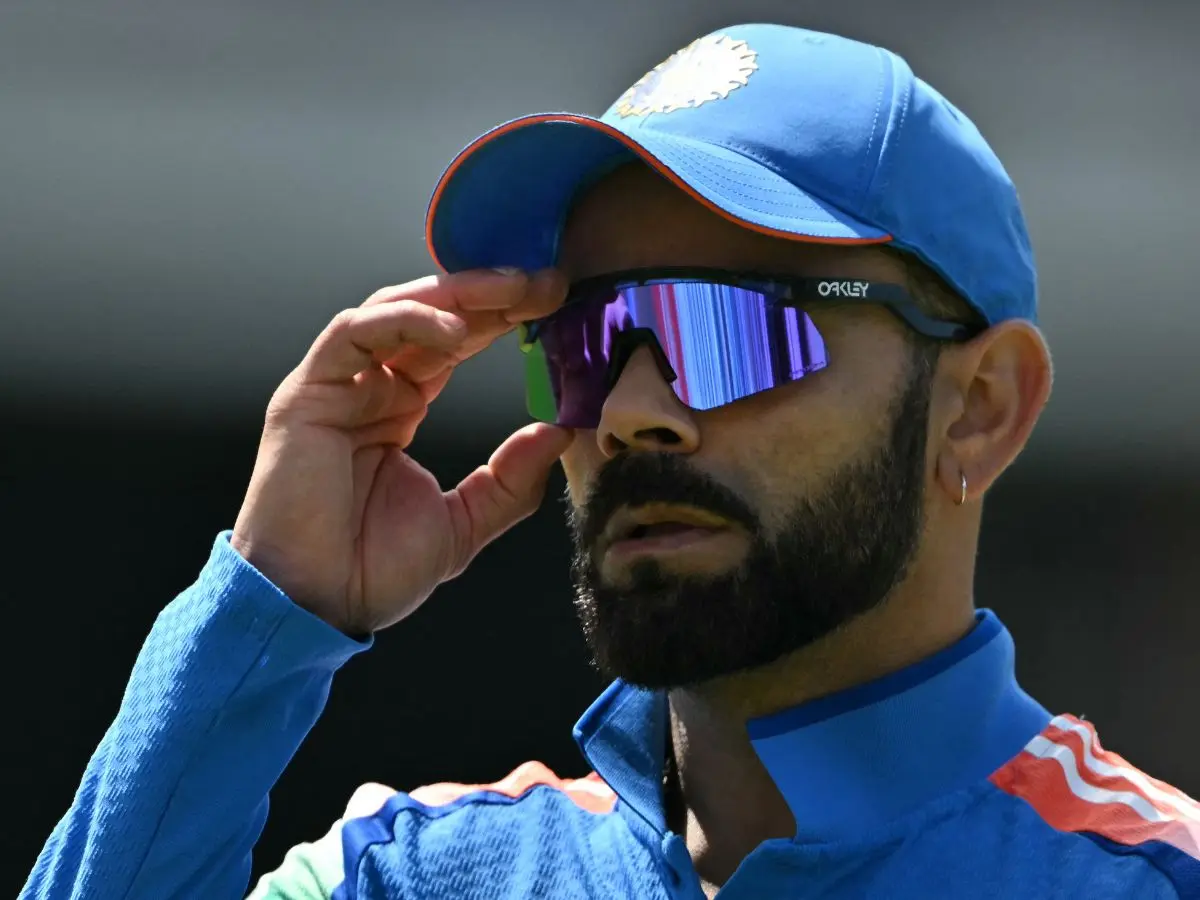)
‘Goal is to win it’: Virat Kohli confirms 2027 ODI World Cup will be his final tournament for India
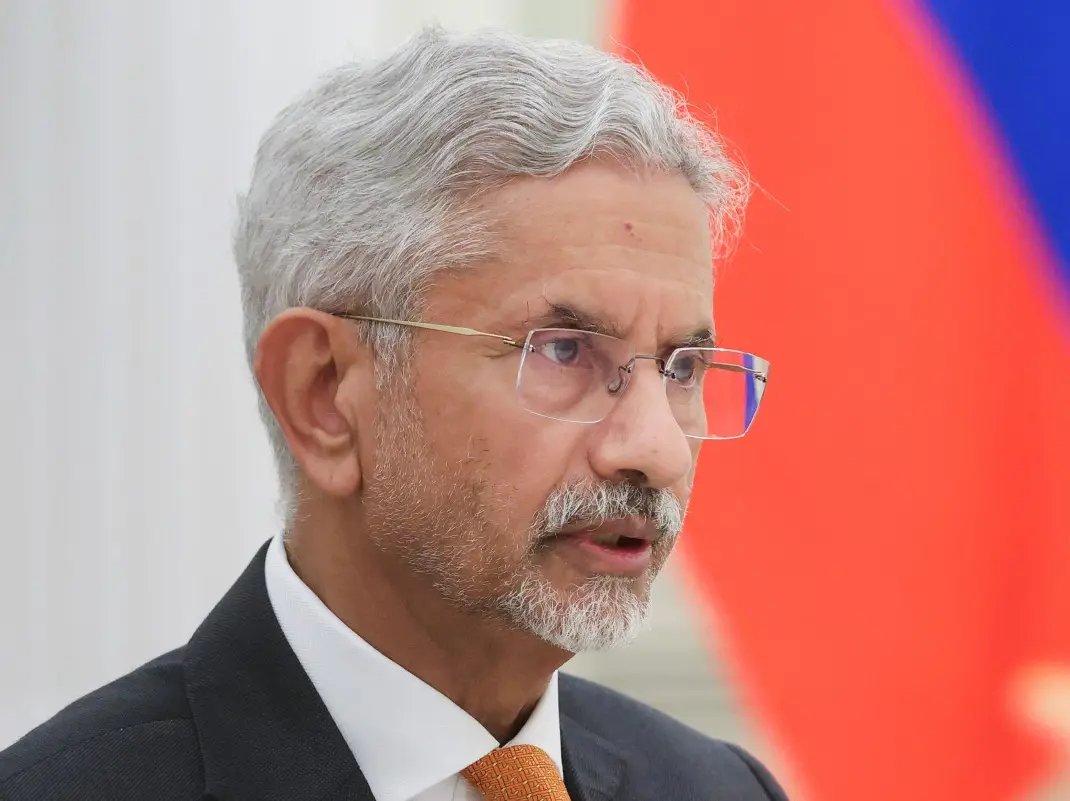)
'A terrorist country is asking me that question?': Jaishankar hits back at Pakistani journalist at UN; flags attacks on commercial shipping
)
US court backs Pentagon's decision to exclude Anthropic over Claude AI restrictions
The Indian finance minister also spoke about how the government will adopt economic policies that foster and sustain growth and facilitate inclusive and sustainable development.
Focus on green energy
In the interim Budget, the finance minister has allocated significant resources to bolster the green energy sector including a viability gap funding to harness offshore wind energy, setting up coal gasification and liquefaction projects, and so on.
The gap funding would be used for the development of one gigawatt (GW) of offshore wind energy, which would reduce India’s reliance on fossil fuels.
Additionally, the Indian government also plans to set up coal gasification and liquefaction projects capable of processing 100 metric tonnes (MT) by 2030, which will help reduce imports of natural gas, methanol, and ammonia.
The government has said that it would mandate the blending of Compressed BioGas (CBG) in Compressed Natural Gas (CNG) for transportation and Piped Natural Gas (PNG) for domestic use. These measures are aimed at reducing carbon emissions and improving air quality.
Financial assistance would be provided for the procurement of biomass aggregation machines to support collection, which could help ramp up the production of bioenergy – a renewable energy derived from biomass, which also contributes to climate change mitigation.
The interim Budget also includes the introduction of a new scheme of bio-manufacturing and bio-foundry to promote green growth. This, Sitharaman said “will provide environment friendly alternatives such as biodegradable polymers, bio-plastics, bio-pharmaceuticals and bio-agri-inputs.”
Additionally, the scheme would also help transform “today’s consumptive manufacturing paradigm to the one based on regenerative principles.”
The government has also announced plans toexpand and strengthen the e-vehicle ecosystem by supportingmanufacturing and charging infrastructure in the country.
According toSitharaman,through rooftop solarisation more than 10 million (one crore)households will be enabled to obtain up to 300 units of free electricity every month.
What is Blue Economy 2.0?
During her speech, the Indian finance minister unveiled plans for the launch of Blue Economy 2.0 which is aimed at promoting climate-resilient activities and sustainable development in coastal areas.
ALSO READ |India Interim Budget 2024: This is what is in store for jobs in tourism, infra, and deep tech
The scheme will focus on “restoration and adaptation measures” and the expansion of coastal aquaculture and mariculture with an integrated and multi-sectoral approach.
Notably, the Blue Economy, which involves sustainable use of ocean resources and coastal areas for economic growth has emerged as a new area of focus in sustainable development.
(With inputs from agencies)