Brazilian retail sector faces challenges amidst rising debt and online competition


People walk at the 25 de Marco popular shopping street before Christmas
Brazilian retailers are grappling with a challenging landscape as they contend with mounting debt and increasing competition from online giants like Amazon. A complex combination of factors, including high debt levels for both retailers and consumers, rising yields, and a recent accounting scandal at Americanas SA, has created a challenging environment for the retail sector in Brazil, Bloomberg reported.
The retail industry in Brazil is already exhibiting cracks, with established retailers facing significant hurdles.
Casas Bahia, a well-known retail chain, had to issue equity at a substantial discount to manage its debt load. Similarly, Tok&Stok, a furniture retailer, announced a debt restructuring of around 350 million reais and received a capital addition of 100 million reais after failing to meet some obligations. Other retailers, such as Magazine Luiza and C&A Modas, have seen risk premiums on their local bonds increase.

Bloomberg quoted Thiago Macruz, retail analyst and head of Brazil equity research at Itau BBA SA, as saying, "We're talking about maybe the worst moment for Brazil retail since I started covering the sector a decade ago. It has been super-challenging for retailers, especially those that cater to lower-income customers."
Brazil's central bank has attempted to alleviate some of the pressure on borrowers by reducing interest rates, and further cuts are anticipated. However, it might not provide immediate relief to retailers who are burdened by debt.
Brazilian retailers had ramped up their debt levels prior to the pandemic, driven by falling interest rates and strong local demand for bonds. Retailers also extended credit to customers, expanding their in-house lending, often taking on the risks associated with defaults. In the near term, this facilitated revenue growth, but it isnow raising concerns as customers face mounting debt levels.
)
'Blockbuster' nor'easter develops an eye similar to hurricanes as warnings are issued
)
US faces fresh cost crunch as mortgage rates hit 7%, oil tops $107 and gas prices surge
)
'Fund people, not bombs': Hundreds take to New York streets as Netanyahu delivers speech at UN; dozens arrested
)
UNGA 2026: Israeli PM attacks Britain, France for past colonialism
)
Alarming video emerges as landslide damages houses in Sikkim’s Rimbi village. Watch
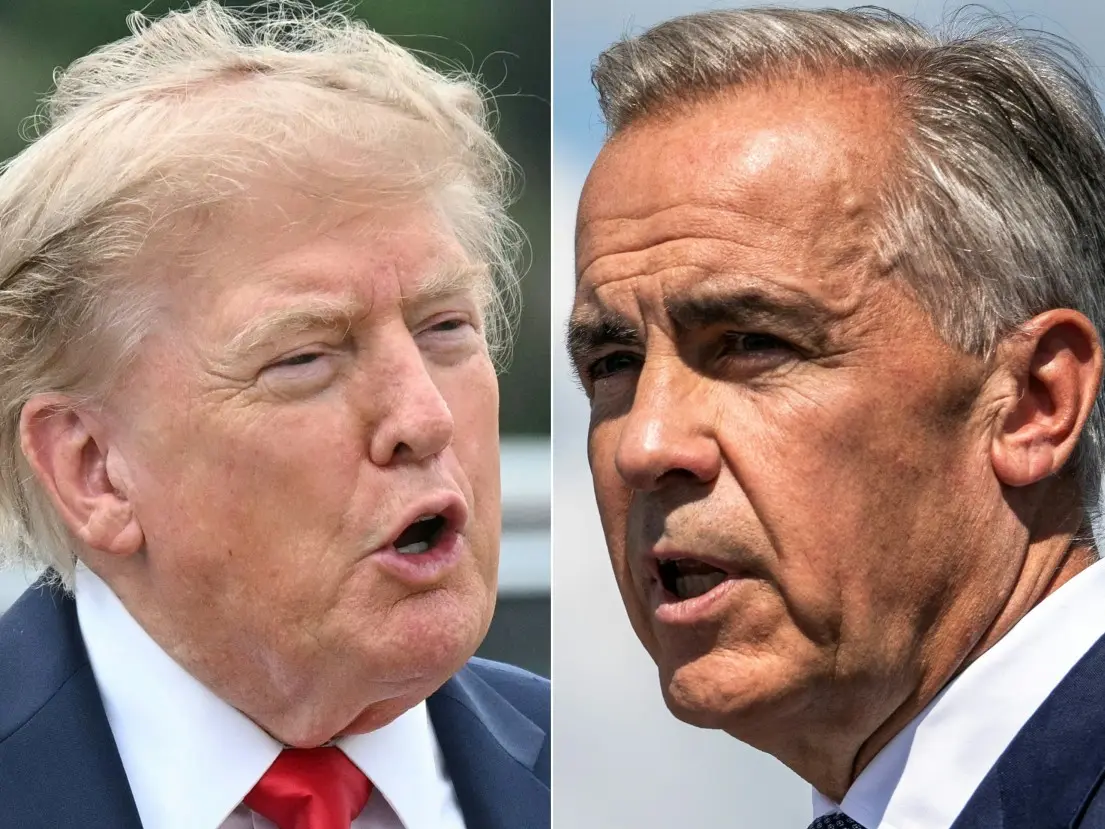)
What’s in a name? Trump’s 'Lake America' move gets a tit-for-tat response from Canada
&im=FitAndFill=(700,400))
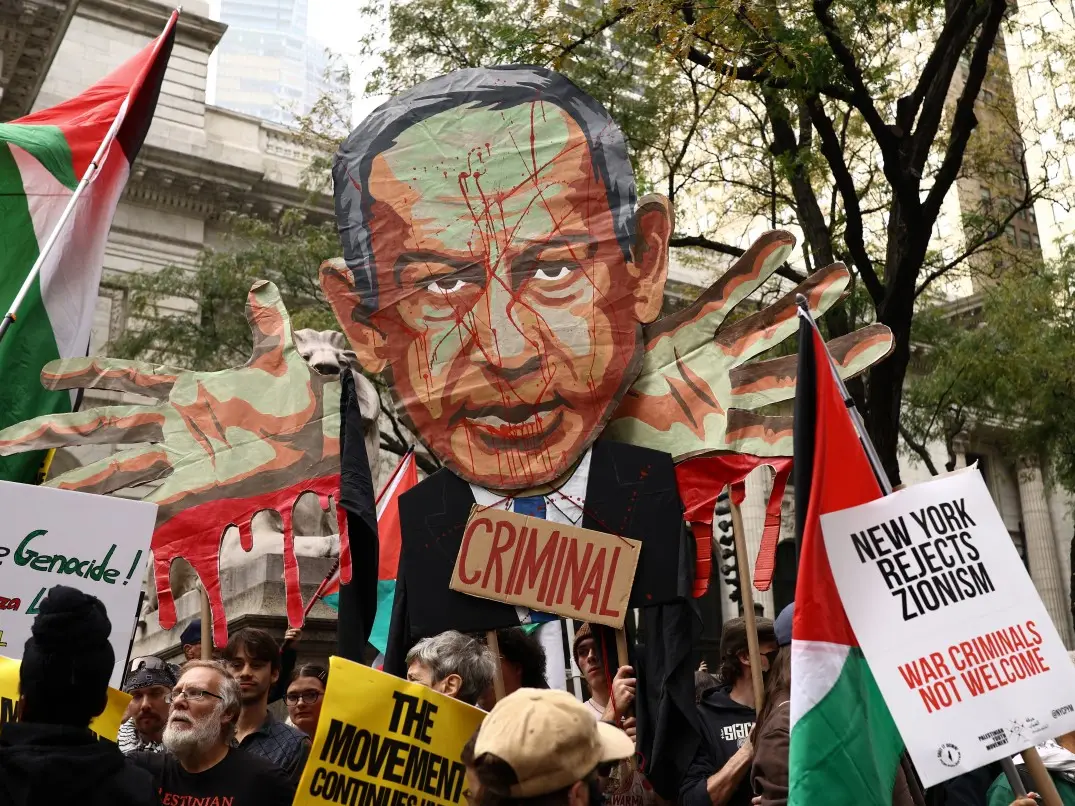
Netanyahu at UN: Mass walkout, attack on Mamdani and Iran threats | In Pics
)
Susan Sarandon and Hannah Einbinder detained by NYPD outside UN Headquarters
)
Air India pilot suspended after failing pre-flight alcohol test on Zurich-Delhi route
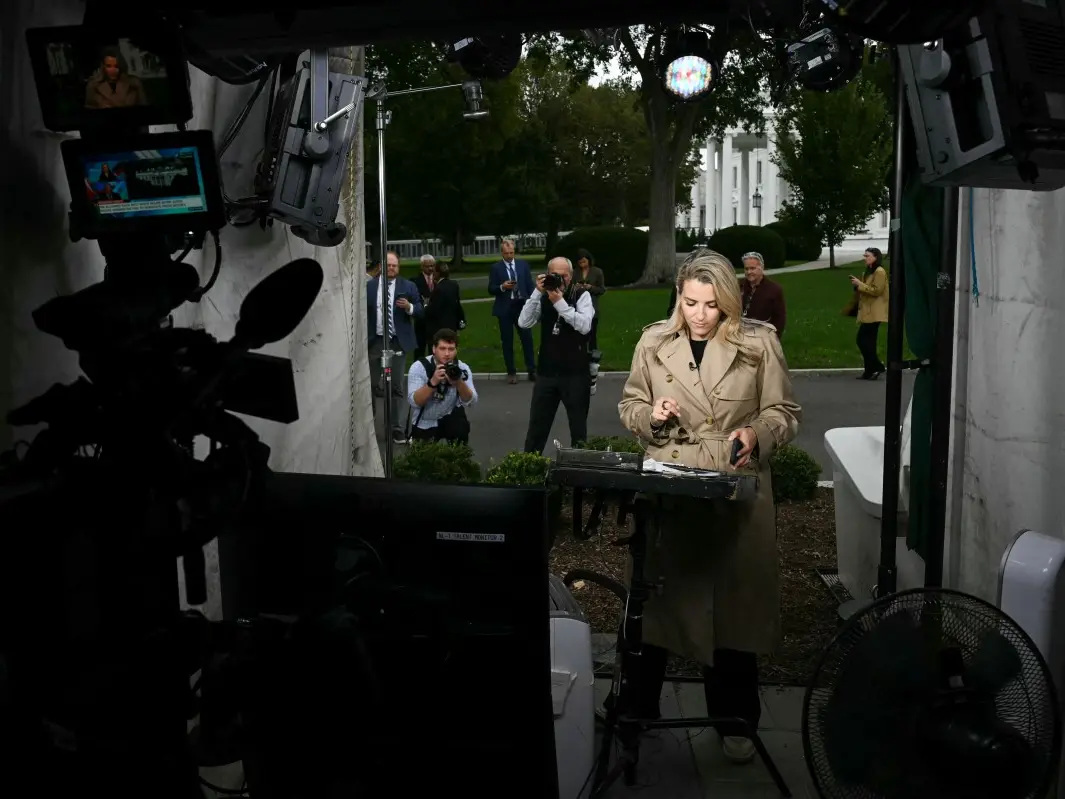)
CNN, Politico and MS NOW back in White House after judge blocks Trump’s media ban
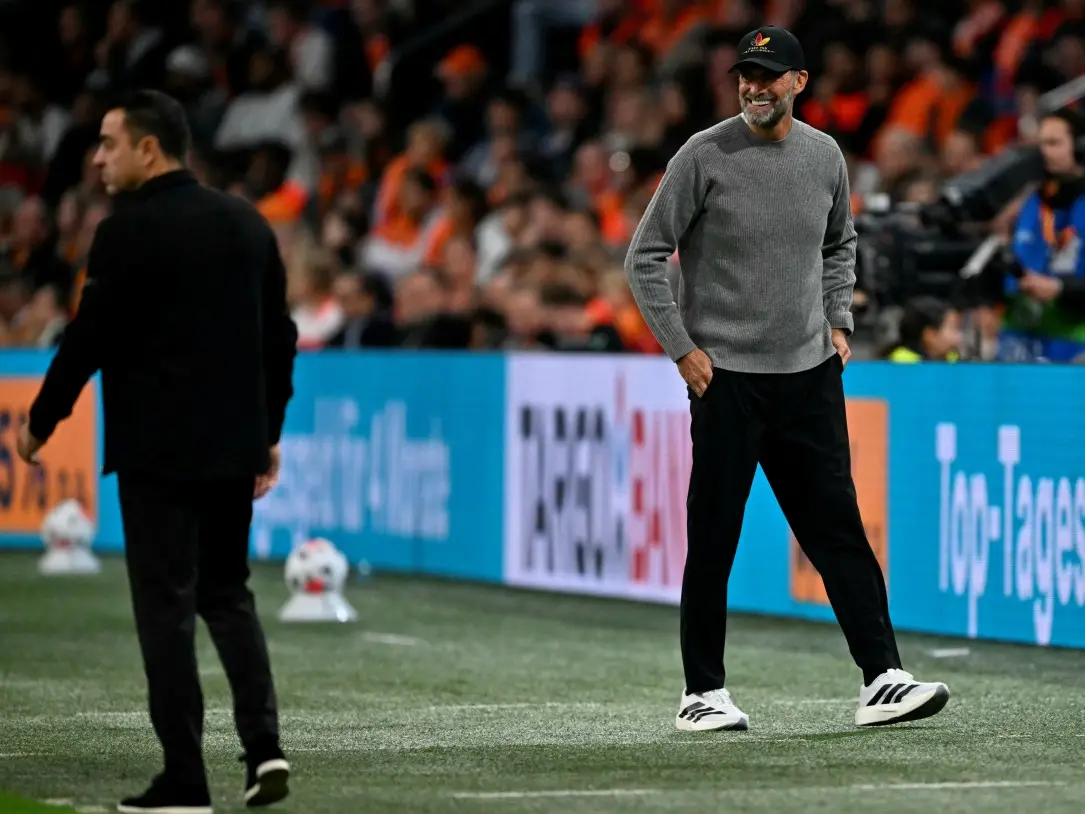)
Nations League: Germany draw on Klopp debut; Portugal, Norway win
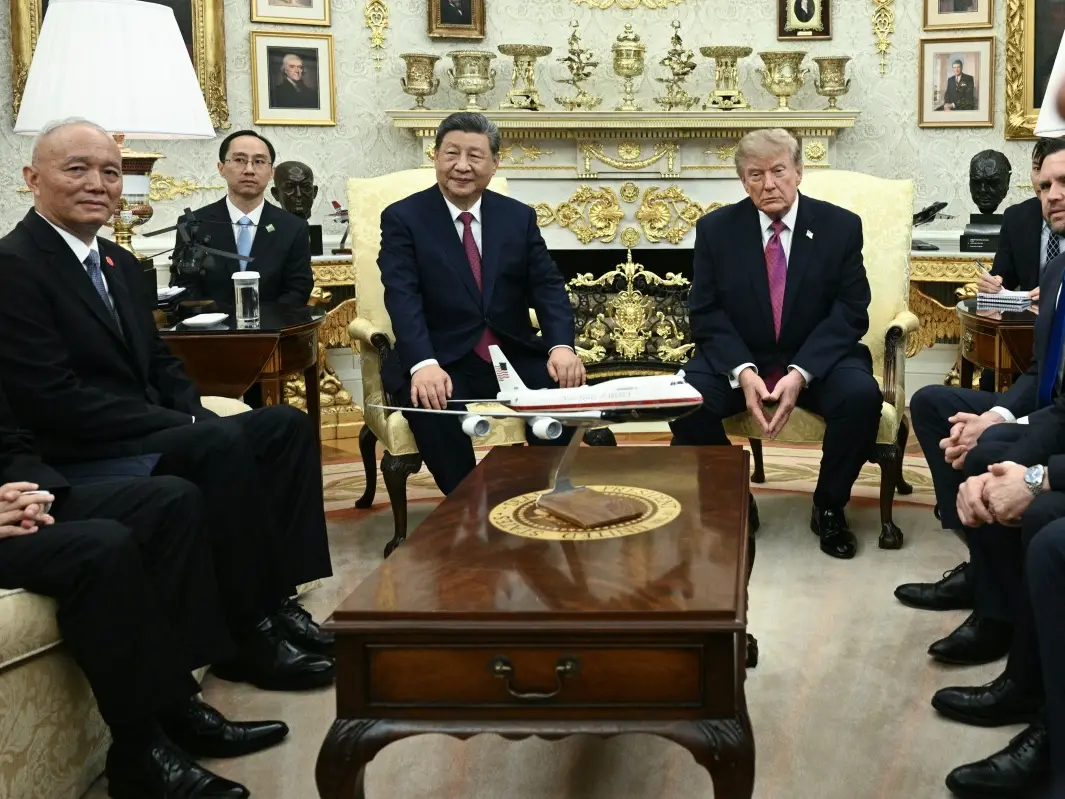)
Trump's welcome to Xi demonstrates 'attraction' to dictators: Chuck Schumer
)
Yemen called Trump for US military support in fight against Houthis: Official
)
Bollywood mourns Mushtaq Khan: Sunny Deol, Rajpal Yadav and others pay tribute
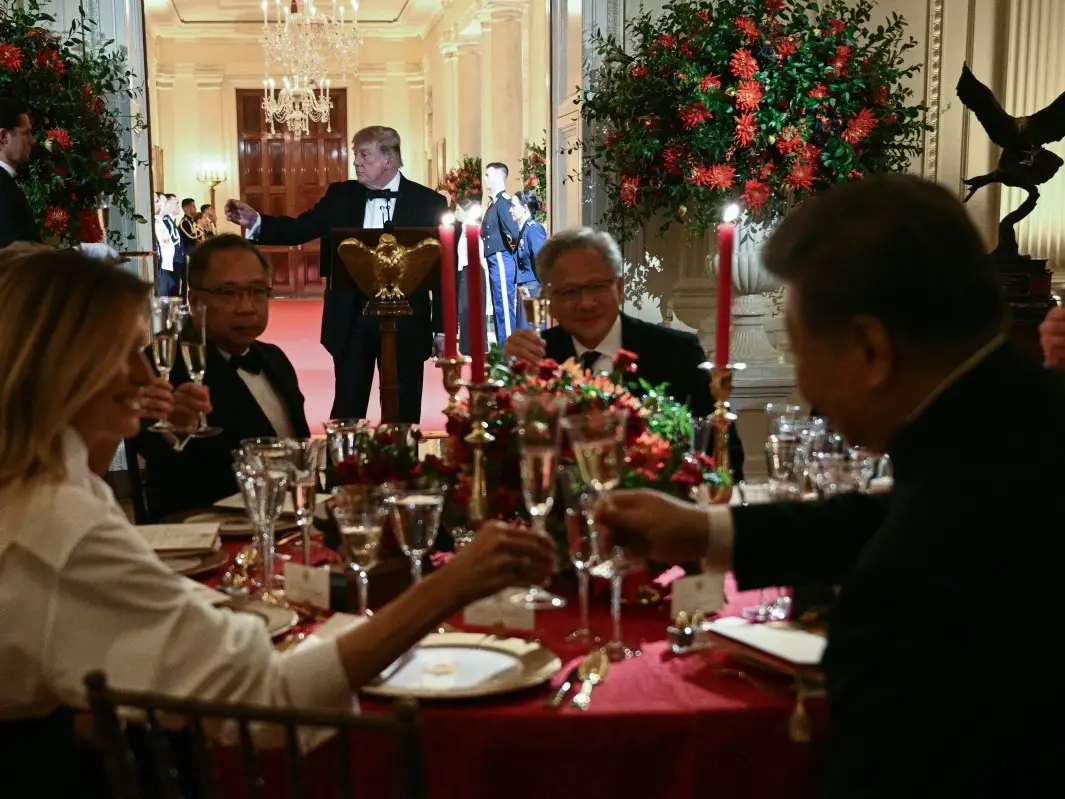)
‘We’ve never gotten along better’: Trump praises Xi, jokes about White House ballroom at high-stakes state dinner
Don't Be Shy movie review: A frothy coming-of-age tale that is too shy to experiment
)
Scientists detect first radio signals directly from faraway planet
)
OpenAI is building AI to fight cyber threats: What GPT-6 Cyber means for security
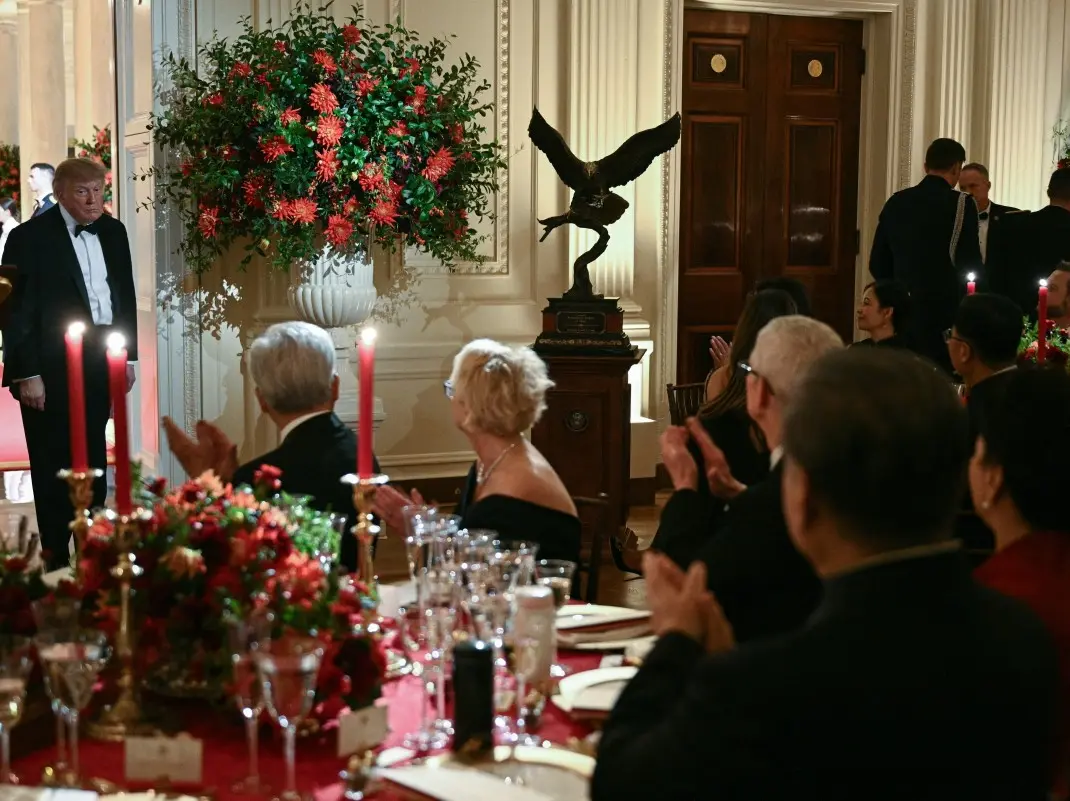)
Trump gifts Xi a bald eagle sculpture at White House dinner: Here’s what it symbolises
)
Tesla is preparing something big for Optimus: new Gen 3 models surface in app
)
Bias or safety concerns? Bengaluru CEO says firm will not hire men from UP, Bihar, Rajasthan, MP. Here's why
)
Xi Jinping's 'special plane' vs Trump's Air Force One: What's the difference?
)
'What kind of confession is this?': Pakistan PM Shehbaz Sharif’s 'terrorists would be roaming New York' remark goes viral, raises alarm online. Watch
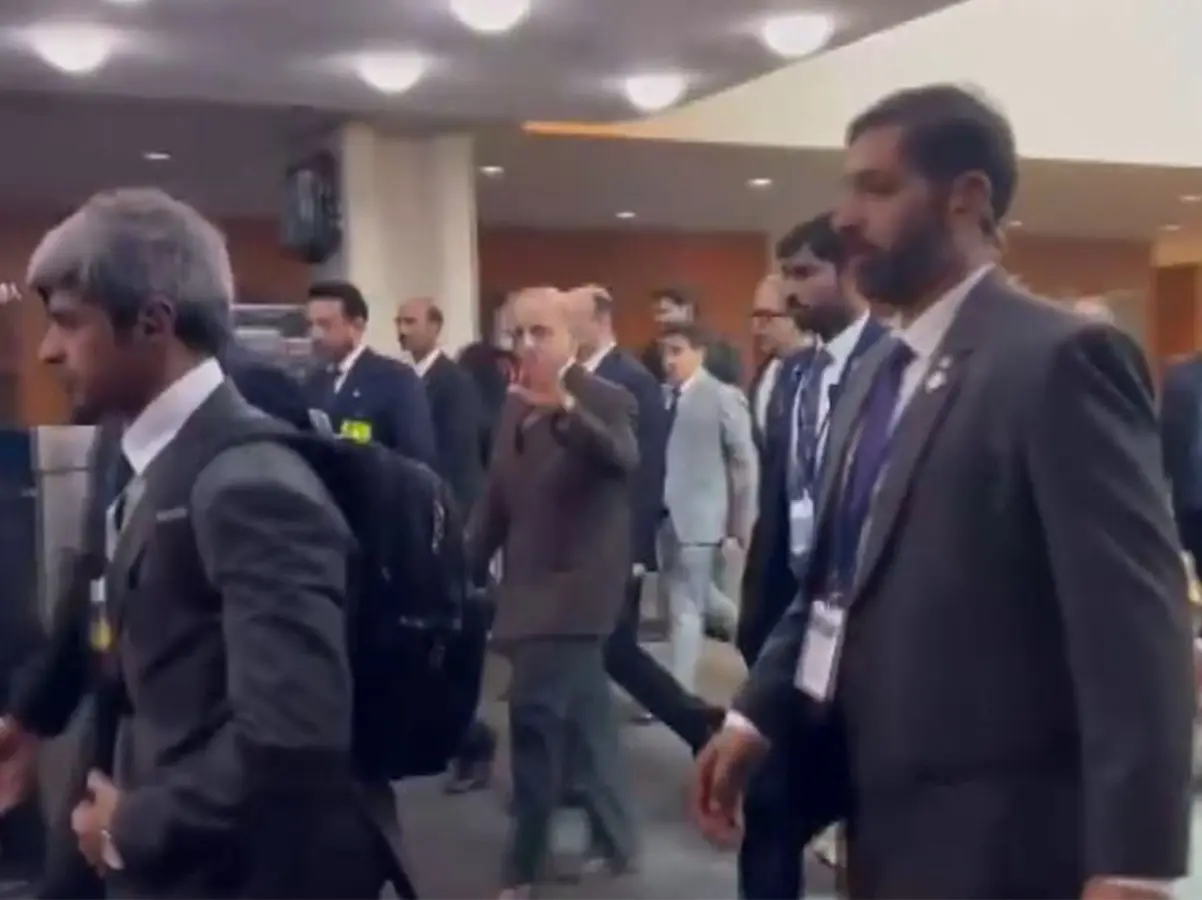)
WATCH: Pak PM Shehbaz Sharif refuses to answer on Hafeez Sayeed, walks away
)
WION Iconic Tourism Summit 2026: Union Minister Shekhawat on 'experiential travel', peace diplomacy
)
Israeli envoy to US Yechiel Leiter’s son critically injured in West Bank ramming attack
)
Meet Adrian Abraham: 9-year-old Indian-origin guitar prodigy aiming for a Guinness World Record
)
Outrage erupts after 3-year-old is married to 60-year-old man in Pakistan, link to her sister's murder being probed
)
The Vvaan Review: This Ekta Kapoor's Tulsi Virani-coded world can't be saved by Sidharth Malhotra and Tamannaah Bhatia
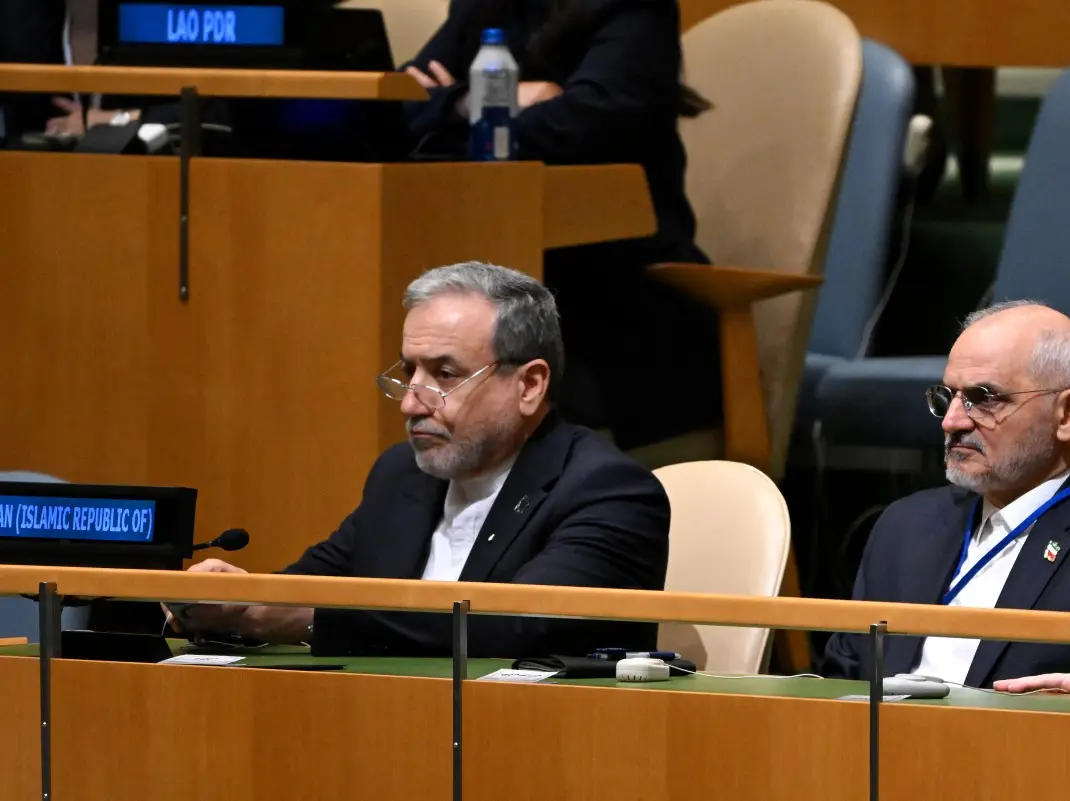)
A seven-day roadmap? Iran proposes plan to end war, reopen Strait of Hormuz and resume nuclear talks
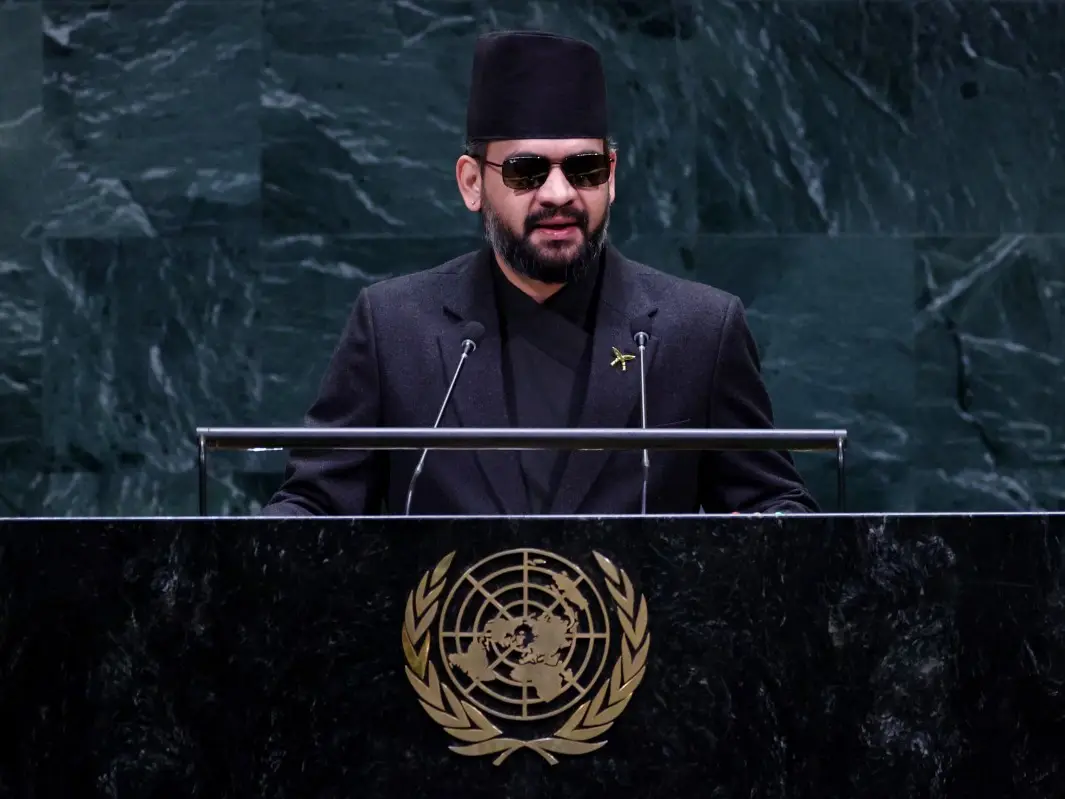)
‘Not just a local tragedy’: Nepal PM Shah warns UN of growing climate threat, says Nepal floods were 'a warning to the world'
)
China to test supersonic jet that moves at Mach 2, double the speed of sound
)
West Indies coach Sammy looking at India series as opportunity to finetune ahead of ODI World Cup 2027 qualifiers
)
'FIRST LOOK from inside Noah’s Ark': Researchers share video from inside mysterious mound in Turkey
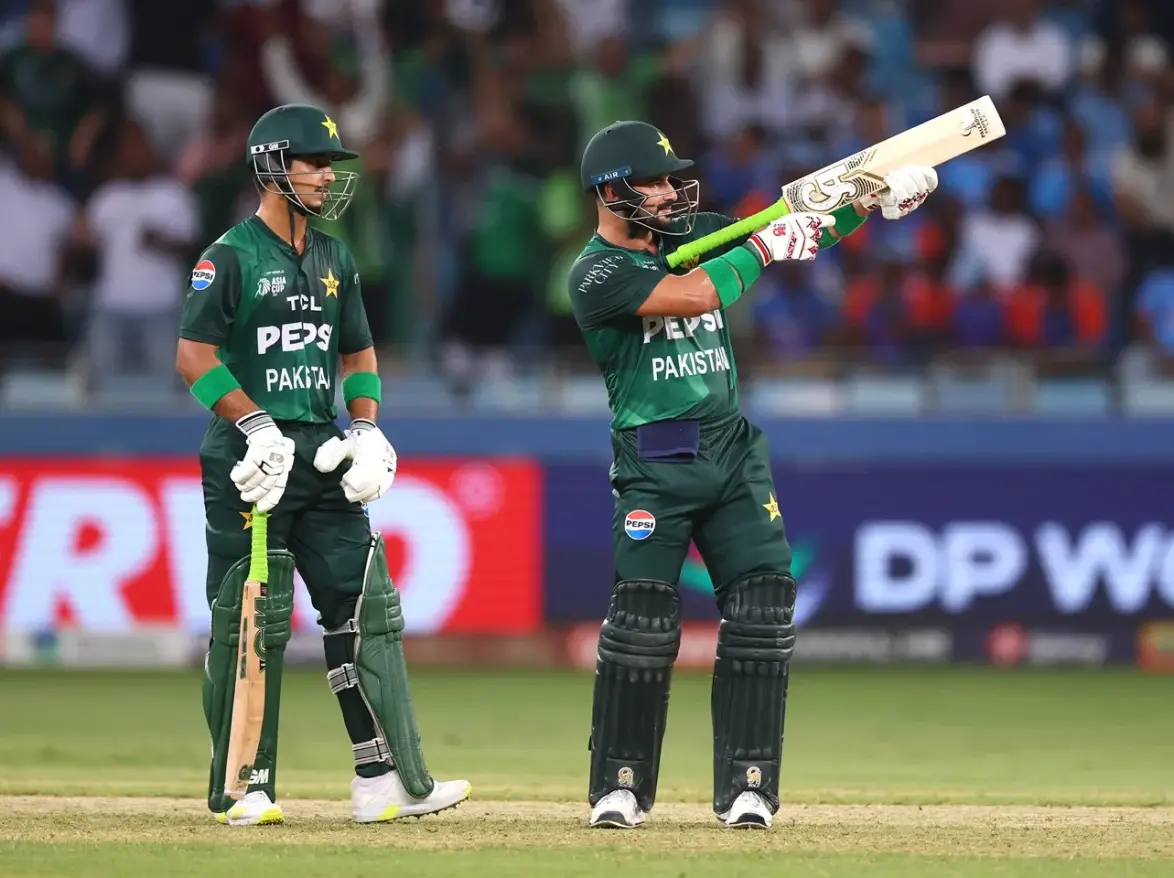)
Farhan, who went viral for AK47 celebration vs India in Asia Cup, hopes to lead Pakistan beyond Asian Games
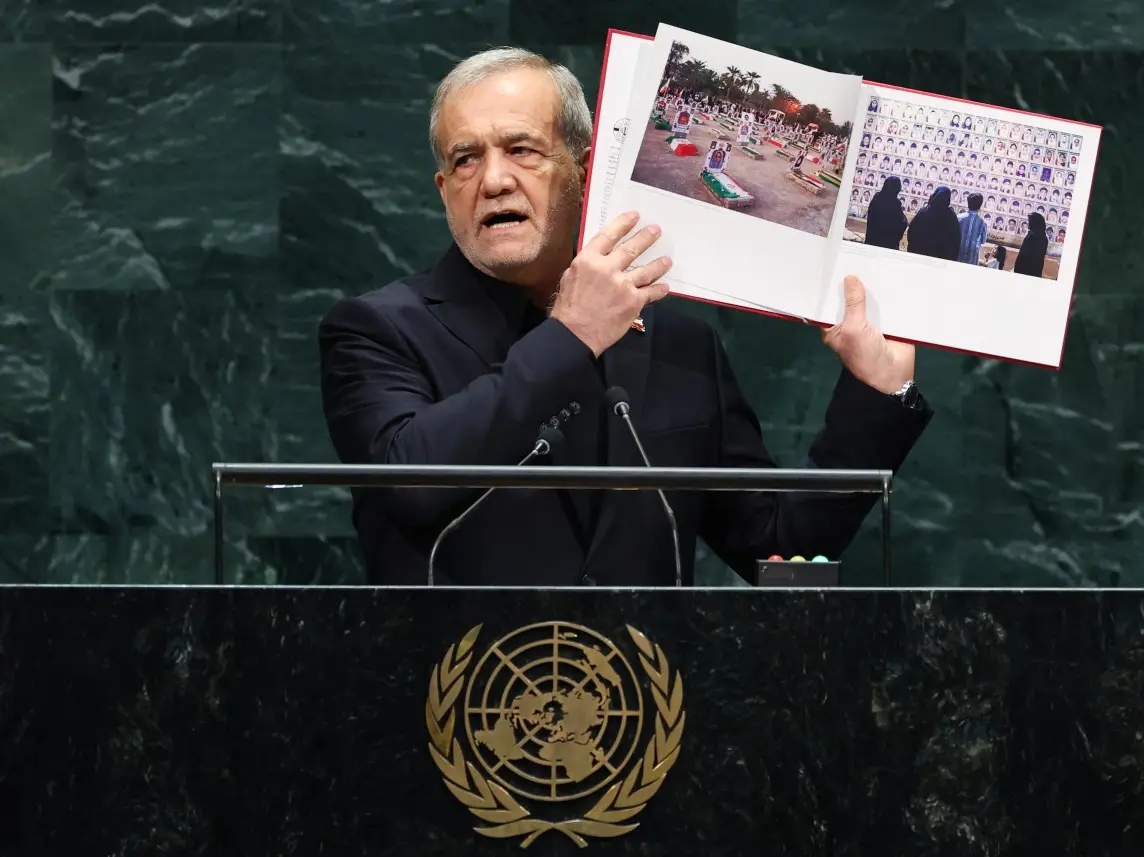)
'We do not wish to continue. It's America that must choose': Iran president Pezeshkian calls on US to end war
)
Myanmar training camp case: US national, 6 Ukrainians allowed to meet their families abroad
)
'Making history': Xi Jinping praises Trump as US-China leaders dine at White House
)
Amidst these challenges, retailers are now scaling back on lending to consumers. Bloomberg quoted Alexandre Muller, a credit fund manager at JGP Asset Management, as saying, "Companies realised it's not a good business to deliver revenue growth at the expense of seeing a spike in bad loans. Otherwise, they're putting money in one pocket by stealing from the other."
Despite these pressures, some investors see opportunities in the retail sector, particularly in local notes of companies with tangible assets like Guararapes Confeccoes SA, which owns the fashion retailer Riachuelo. While traditional brick-and-mortar retailers struggle, the e-commerce landscape is also facing intense competition. Recent federal initiatives in Brazil have allowed online retailers to sell products up to $50 with full federal import tax exemption, further intensifying the competition.
While the retail sector continues to face headwinds, some investors believe that the worst may be over, with the potential for macroeconomic improvements and government programs aimed at easing the burden on indebted consumers.
(With inputs from Bloomberg)
WATCH WION LIVE HERE