
&imwidth=800&imheight=600&format=webp&quality=medium "Brazilian chemical sector hit hard as US tariff threat sparks contract cancellations")
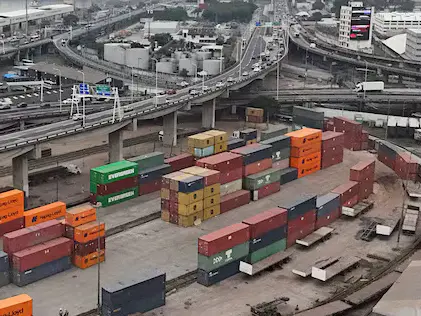
Brazilian chemical exporters are facing a wave of cancelled contracts and rising uncertainty after US President Donald Trump announced plans to impose a 50 per cent tariff on Brazilian goods starting August 1. The move, which has yet to be reversed or delayed, is already dealing a blow to Brazil’s $2.4 billion chemical export industry to the United States.
Andre Cordeiro, head of Brazil’s chemical industry association Abiquim, told Reuters on July 25 that export orders for several key products, including resins and compounds used in fertilisers, have been abruptly cancelled. One unnamed company lost all its US contracts, while others are facing partial cancellations. In some cases, Brazilian exporters had already arranged financing when buyers pulled out. “Fundamentally, these decisions are being made because the bet is that he (Trump) will actually apply the tariff,” Cordeiro said.
Ripple effects across industries

The fallout is spilling into other sectors that rely on chemicals, including agriculture, manufacturing, and food processing. “No one produces coffee, or even grains, without some kind of chemical product in the process,” said Cordeiro. Brazilian plywood exporters, which use chemicals for bonding, and orange juice producers, reliant on chemical preservatives, are also seeing order cancellations.
Orange juice is a particularly vulnerable export, with 42 per cent of Brazil’s shipments last year going to the US. Braskem and Dow Chemical—both major industry players with operations in Brazil and the US—could also be impacted. Neither company commented on the issue, nor did Exxon Mobil, which operates in Brazil and serves multiple industries. Abiquim maintains that the tariffs are unjustified, noting that Brazil’s chemical sector runs a $7.9 billion trade deficit with the US.
Talks at a standstill, industry fears mount
Trending Stories
)
Mumbai: Gallops restaurant at Mahalaxmi Racecourse licence suspended over food safety violations
)
Erdogan again raises Kashmir issue at UNGA, calls for dialogue under UN Charter
)
Ten days from Delhi to Washington: What Xi's BRICS-to-White-House sprint means for India
)
'Our team opened the gate of gold medals': Harmanpreet Kaur on India’s Asian Games final win
)
'Needs time away from the international scene': England white-ball captain Brook on pacer Brydon Carse's future
)
Four decades after leaving Kolkata, the Birlas may be coming back for more
)
The Verdict | Moral policing isn’t culture or discipline, it’s crime
)
Glitch in the matrix caught on camera: Woman vanishes after talking to reporter
)
Rani Mukerji's mother Krishna Mukerji passes away; Karan Johar, Jaideep Ahlawat visit actress
)
Asian Games 2026: India women's cricket team beats Sri Lanka by 147 runs for first gold
)
Key accused in Bihar's Jamui molestation case, arrested after police shoot him in leg
)
ICC plans T20I expansion and fewer ODIs in 2027–2031 FTP cycle: Report
)
Injured pelican knocks on NOAA facility door in Florida seeking help
)
'Mumma’s boy from Gwalior who dared to dream': Kartik Aaryan pens long note after first National Award win
)
US and China vie for AI dominance as calls grow for regulation | Gravitas
72nd National Film Awards: Kartik Aaryan receives Best Actor honour for Chandu Champion in Gujarat
)
IND vs JPN, one-off T20I: Japan captain Kendel on pushing India to the brink - ‘It was special’
)
Saudi Arabia exits China-led mBridge digital currency platform amid Saudi-Houthi conflict
)
National Film Awards 2026: Yami Gautam wins Best Actress for Article 370
)
World leaders repeatedly call Gaza crisis ‘genocide’ as Israel’s war dominates opening sessions of UNGA
)
WION Iconic Tourism Summit and Iconic Awards 2026: India's travel economy leaders gather in Delhi
)
Trump-Xi state dinner 2026: Who is invited? Full guest list of tech CEOs, business leaders and officials
)
American manufacturing is reshoring faster than its factory floors can absorb
&im=FitAndFill=(700,400))
New OTT releases this week (September 21-27, 2026): Shaque: Trust No One, Hunkkaar, Don’t Be Shy- 5 new titles coming to Netflix, Prime Video and more
)
Trump calls on nations to quit ‘rogue’ and ‘out-of-control’ International Criminal Court, rips UN
)
Who is Clavicular? The 20-year-old controversial 'Looksmaxxing' influencer charged with rape allegations
)
'This is normally what toddlers do': Why a psychiatrist is raising fresh questions about Trump’s recent behaviour
&im=FitAndFill=(700,400))
National Film Awards 2026: Kartik Aaryan, Mammootty, Yami Gautam, Randeep Hooda and other key winners
)
‘We are all held hostage’: Brazil’s Lula attacks Security Council inaction, Guterres calls for reform
)
‘Strike a deal or drive Iran into hell’: Trump issues fresh warning to Tehran at UNGA
)
Trump calls Cuba a ‘failed state’ at UN, Cuban delegation walks out
)
Trump’s China visa crackdown puts US universities, Chinese students in focus ahead of Trump- Xi summit
)
Explainer: Why rare-earth export licences and Board of Trade are US priorities ahead of Trump-Xi summit
)
BTS fans mock iHeartRadio’s day 2 turnout after short set controversy
)
Oil slips to $98 as Saudi Arabia restarts East-West oil pipeline
)
‘Shame on you’: Netanyahu vows to ‘tell the truth’ about Mamdani at UN ahead of New York visit
)
The Scandal: Why so scandalous? Ji Chang Wook leaves you gasping for air
Efforts to defuse the crisis have stalled. Brazilian diplomats say no new negotiations have occurred since May, when a counterproposal sent to Washington received no response. Vice President Geraldo Alckmin said he reiterated Brazil’s willingness to talk during a recent conversation with US Secretary of Commerce Howard Lutnick, but there has been no follow-up.
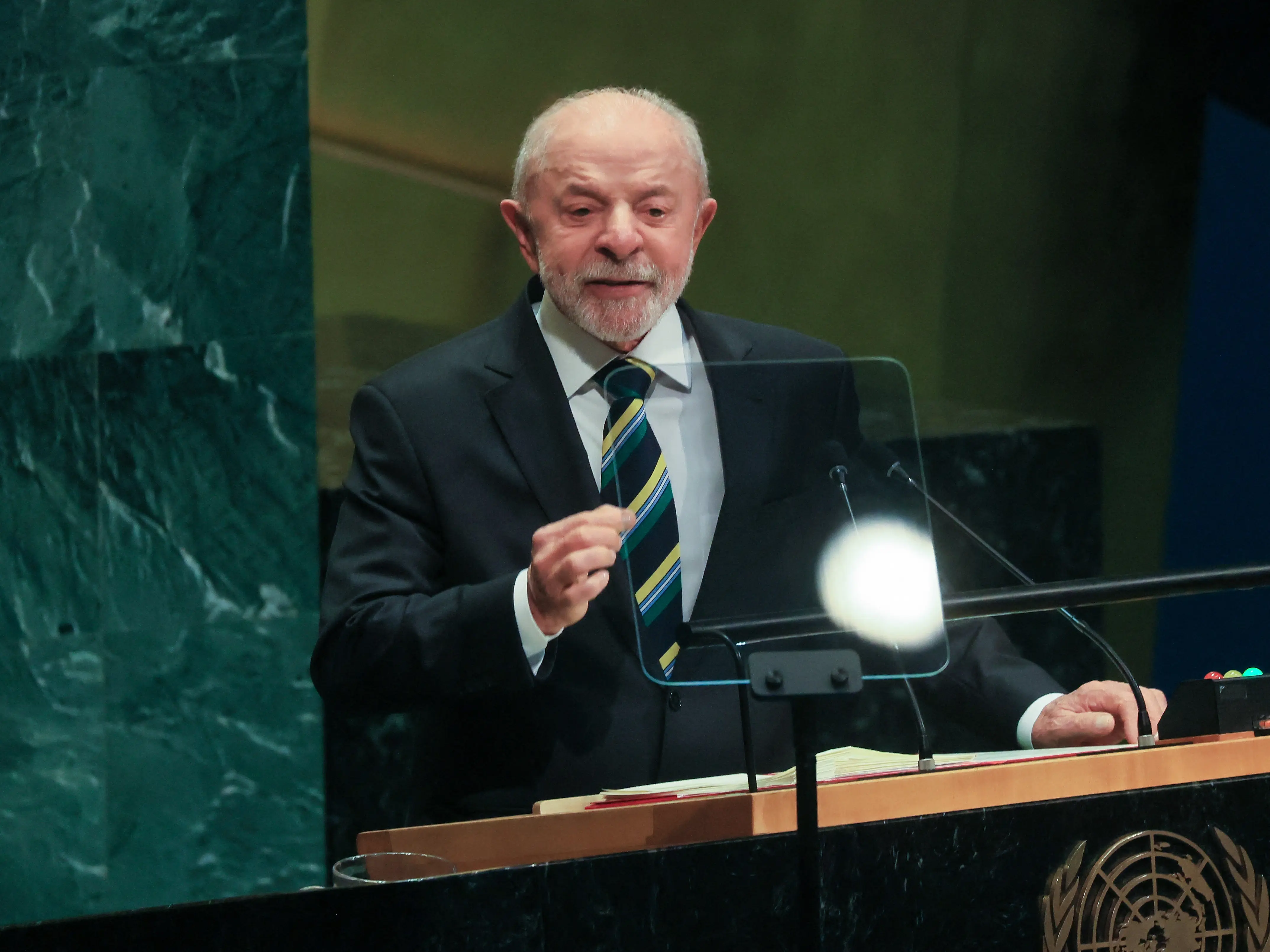
President Luiz Inácio Lula da Silva denounced the planned duties as “unacceptable blackmail,” linking the move to Trump’s political support for former President Jair Bolsonaro, who is currently on trial in Brazil. Trump has publicly tied the tariffs to Bolsonaro’s legal troubles.
Industry leaders warn of far-reaching consequences. The National Industry Confederation (CNI) estimates the tariffs could cost Brazil over 100,000 jobs and shave 0.2 per cent off GDP. Some companies are redirecting exports, shifting production to plants in Mexico or India, or even suing the US government.
(With inputs from agencies)