Bank of Korea holds rate steady amid housing market concerns

&imwidth=600&imheight=450&format=webp&quality=medium "Bank of Korea holds rate steady amid housing market concerns")
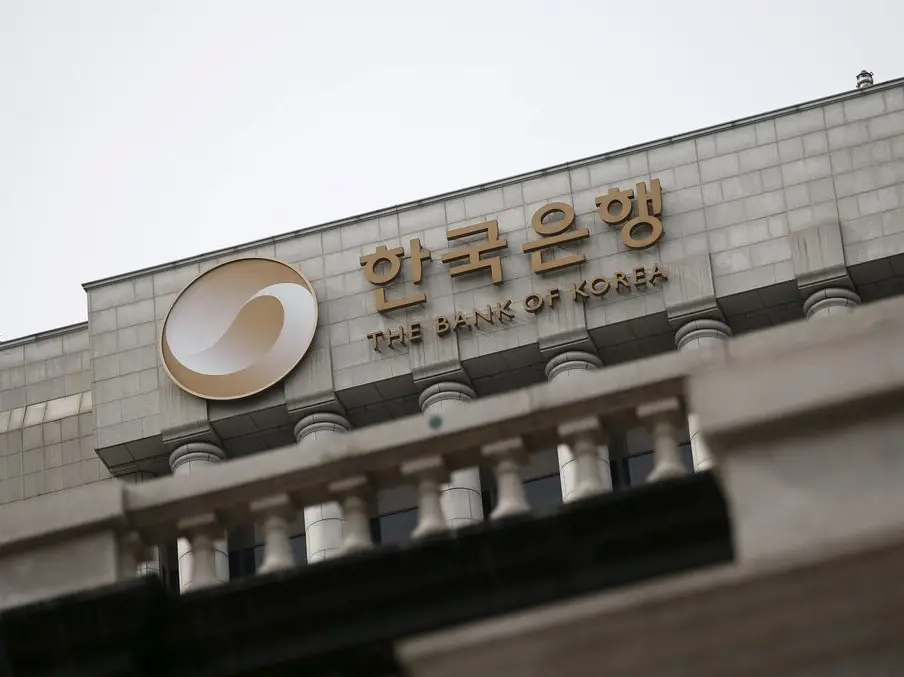
The logo of the Bank of Korea is seen on the top of its building in Seoul, South Korea, March 8, 2016. Photograph: (Reuters)
The Bank of Korea’s decision comes at a time of heightened concern about the country’s housing market, particularly in Seoul and its surrounding areas, where housing prices have seen significant acceleration.
South Korea’s central bank, Bank of Korea, has decided to leave its benchmark interest rate unchanged at 2.5 per cent, as it continues to navigate a delicate economic landscape marked by rising household debt and uncertainties surrounding US tariffs. The Bank of Korea (BOK) announced its decision on July 10, prioritising financial stability over immediate growth concerns.
Caution over household debt and housing market
The Bank of Korea’s decision comes at a time of heightened concern about the country’s housing market, particularly in Seoul and its surrounding areas, where housing prices have seen significant acceleration. In June, annualised housing prices surged by over 19 per cent, according to Goldman Sachs, prompting authorities to implement measures aimed at cooling the market. Household debt, which has risen dramatically, has also become a central issue for the central bank.
Despite this, the bank noted that its recent measures to address household debt seem to have had a stabilising effect on the housing market. However, the BOK acknowledged that risks remain, particularly with ongoing concerns about the foreign exchange market’s volatility and potential impacts from global trade dynamics.
Economic slowdown and US tariffs
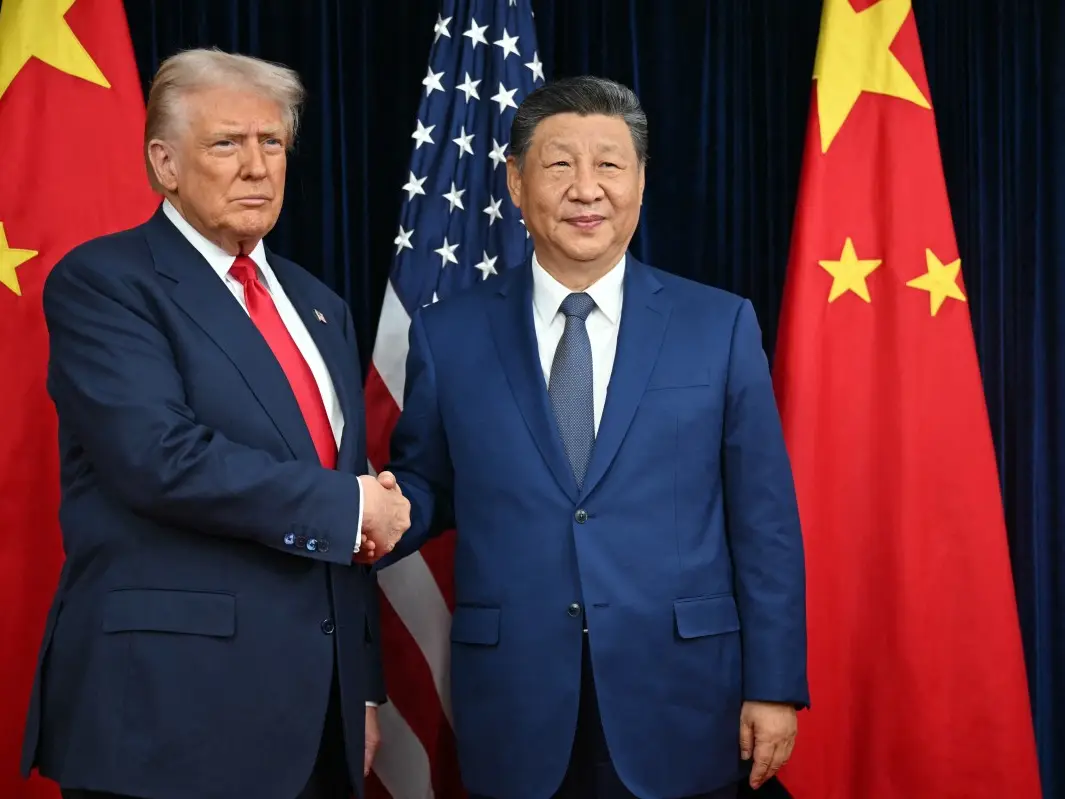
The South Korean economy has faced headwinds in recent months, with export growth slowing and construction activity weakening. Moreover, uncertainty surrounding trade negotiations, particularly with the US, has added further strain. President Donald Trump has threatened to impose 25 per cent tariffs on all South Korean imports starting August 1 if trade talks do not progress. These tariff threats have added complexity to an already challenging economic environment.
Trending Stories
)
)
)
)
)
)
)
)
)
)
)
)
)
)
&im=FitAndFill=(700,400))
&im=FitAndFill=(700,400))
)
)
)
)
)
)
)
)
)
)
)
)
)
)
)
&im=FitAndFill=(700,400))
)
)
)
&im=FitAndFill=(700,400))
)
)
)
&im=FitAndFill=(700,400))
)
Looking ahead, economists expect the Bank of Korea may be inclined to cut rates later this year, potentially in August and November, once the effects of housing market cooling measures become clearer. However, concerns over high household debt are expected to temper any aggressive policy moves. As the Bank of Korea remains vigilant in balancing growth and financial stability, it will continue to monitor both domestic and global developments closely, with an eye on how these factors impact inflation and economic sentiment.