

&imwidth=800&imheight=600&format=webp&quality=medium "Bangladesh seeks deeper tariff cuts in talks with US as Trump imposes 35% levy")
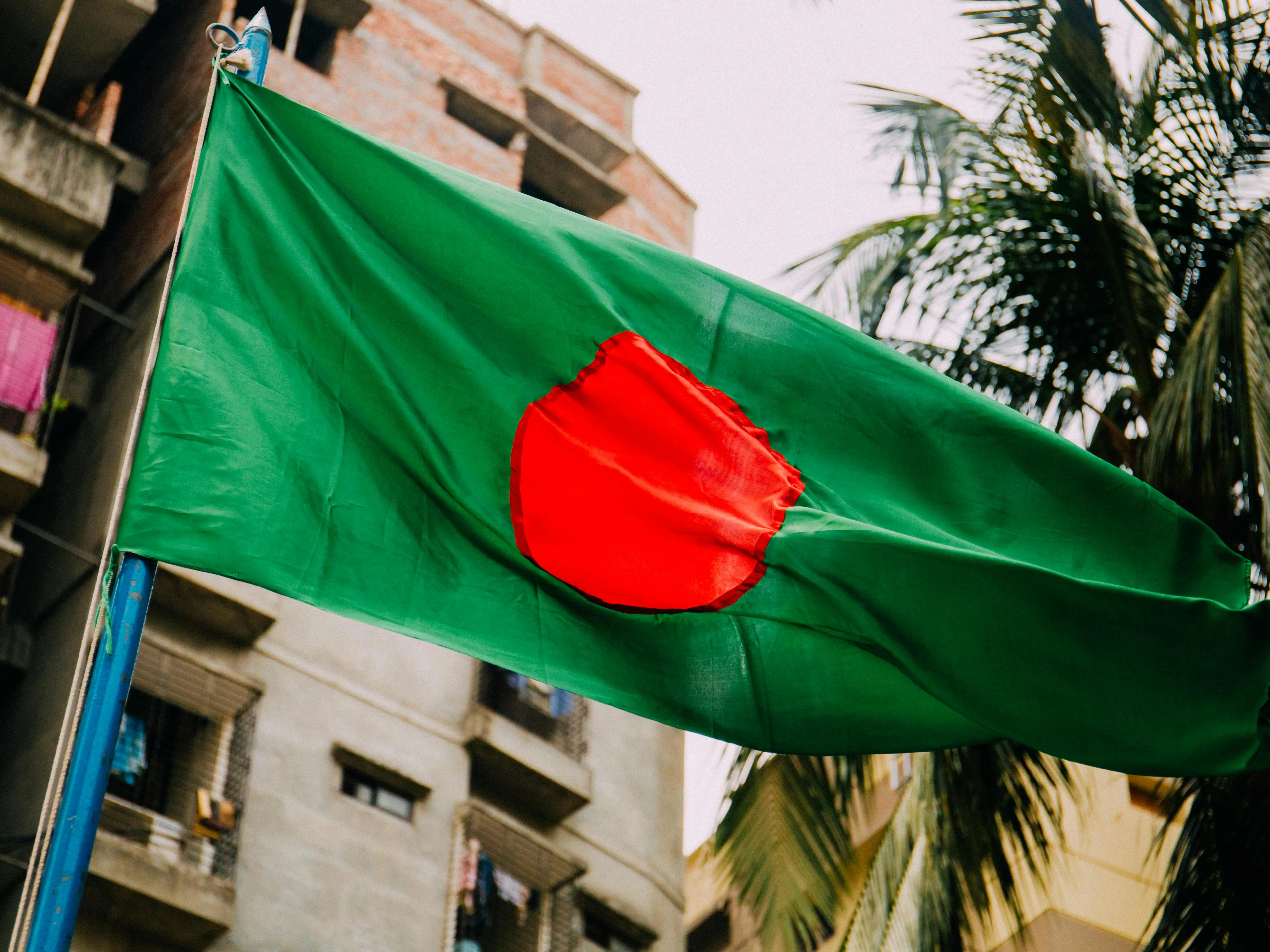
Bangladesh will hold high-stakes negotiations with the United States this week to press for deeper tariff reductions, after President Donald Trump’s administration announced a 35 per cent tariff on Bangladeshi goods. The South Asian nation’s trade delegation is seeking to protect its crucial garment export sector from a damaging competitive blow.
According to Bloomberg, Commerce Adviser to Bangladesh’s interim government, Sk. Bashir Uddin is leading the delegation in Washington for talks scheduled from 9 to 10 July. In an interview with Bloomberg from the US capital, Uddin said Dhaka is committed to finding “common ground” with Washington and is carefully reviewing the draft proposals shared by the US Trade Representative’s office.
Trade tensions threaten key export sector
Bloomberg reports that the new 35 per cent tariff, although slightly below the 37 per cent initially proposed, still risks undermining Bangladesh’s already fragile economy. The country’s ready-made garment industry, its largest export sector which employs millions and is a critical driver of foreign exchange earnings. By sharply raising costs for Bangladeshi apparel in the US market, the Trump administration’s move threatens to erode the country’s price competitiveness. This comes at a time when global demand is under pressure, and Bangladesh’s factories are already grappling with energy shortages and rising input costs.
Commerce Adviser Uddin told Bloomberg the goal in Washington is to find a “mutually win-win proposition” despite the uncertainty of the negotiations. He acknowledged the challenges posed by the evolving trade environment, describing it as “an uncertain world” for exporters and policymakers alike.
Vietnam’s better deal raises competitive stakes
Trending Stories
&imwidth=180&imheight=135&format=webp&quality=medium)
Girl 'dead' for 8 hours wakes up at her own funeral, dad insists she wasn't breathing
&imwidth=180&imheight=135&format=webp&quality=medium)
Sidhu Moose Wala’s younger brother wins hearts by recreating late singer’s signature move at Toronto Hologram Show
&imwidth=180&imheight=135&format=webp&quality=medium)
‘My president, I mean my husband’: Trump's new press secretary Katie Zacharia's first briefing goes off the rails in 14 minutes
&imwidth=180&imheight=135&format=webp&quality=medium)
Trump accuses Houthis of driving up oil prices before US midterms, warns of consequences
&im=FitAndFill=(700,400)&imwidth=180&imheight=135&format=webp&quality=medium)
New OTT releases this week (October 12-18, 2026): Sacrifice, Koffee with Karan S9, Roadies Rebirth- 6 titles coming on Netflix, JioHotstar and more
&imwidth=180&imheight=135&format=webp&quality=medium)
Arijit Singh 9-city India stadium tour to start from January: Check venue and ticket prices
&im=FitAndFill=(700,400)&imwidth=180&imheight=135&format=webp&quality=medium)
Navratri 2026: 9 days, 9 forms of Goddess Durga and 9 colours- Check the complete list
&imwidth=180&imheight=135&format=webp&quality=medium)
Delhi Police arrest Cockroach Janta Party's Saurav Das, Ashutosh Ranka, Ajinkya Shinde in Jantar Mantar case, to be produced before court
&imwidth=180&imheight=135&format=webp&quality=medium)
Cornell University suspends fraternity parties over 2024 gang rape allegations
&imwidth=180&imheight=135&format=webp&quality=medium)
Durga Puja 2026: Kolkata roads get a splash of colours
&imwidth=180&imheight=135&format=webp&quality=medium)
Air India Flight from Frankfurt diverted to Jaipur after hijack alert, probe on
&imwidth=180&imheight=135&format=webp&quality=medium)
Marco Rubio to visit India next week, focus on energy cooperation and strategic ties
&imwidth=180&imheight=135&format=webp&quality=medium)
Netanyahu wants to join Saudi's war on Houthis, but Crown Prince denies: Report
&imwidth=180&imheight=135&format=webp&quality=medium)
UK school ditches technology, shifts from screen to pen and paper for learning
&imwidth=180&imheight=135&format=webp&quality=medium)
CMs Vijay-Naidu meet in Vijayawada, discuss water sharing, river-linking
&imwidth=180&imheight=135&format=webp&quality=medium)
Inside Aneet Padda's 24th birthday bash with rumoured boyfriend Ahaan Panday and Alia Bhatt
&imwidth=180&imheight=135&format=webp&quality=medium)
Trump reconsidering calling off Nidal Hasan's execution livestream. Here's why
&imwidth=180&imheight=135&format=webp&quality=medium)
'Turn approver, resign, we'll forgive you': Rahul Gandhi claims receiving messages from CEC Gyanesh Kumar
&imwidth=180&imheight=135&format=webp&quality=medium)
US politicians mistakenly use Indian, Russian warship images for Navy's birthday posts
&imwidth=180&imheight=135&format=webp&quality=medium)
MI5 chief warns Russia is UK’s ‘aggressor number one’ as Iran and AI threats grow
&imwidth=180&imheight=135&format=webp&quality=medium)
France accuses Musk of ‘online harassment’ of European leaders, warns of poll interference
&imwidth=180&imheight=135&format=webp&quality=medium)
1,500 drones illuminate Mumbai sky as Cordelia Cruises unveils second ship, Cordelia Sky
&imwidth=180&imheight=135&format=webp&quality=medium)
Anupam Kher joins Ranbir Kapoor's Ramayana as Jatayu, new poster unveiled
&imwidth=180&imheight=135&format=webp&quality=medium)
Measles kills again: 6 dead in Pennsylvania as America faces its worst outbreak in decades | Gravitas
&imwidth=180&imheight=135&format=webp&quality=medium)
US Midterms 2026: In Alaska, cost-of-living anxiety meets strangest ballot in high-stakes Senate race
&imwidth=180&imheight=135&format=webp&quality=medium)
‘How many people did she illegally bring from Somalia?’ Trump targets Ilhan Omar, questions her net worth
&imwidth=180&imheight=135&format=webp&quality=medium)
China's counter-surveillance industry booms amid heightened espionage fears | Gravitas
&imwidth=180&imheight=135&format=webp&quality=medium)
F1 set to return to Africa for first time since 1993
&imwidth=180&imheight=135&format=webp&quality=medium)
Russian woman and Bihar boy's love story goes viral after she reaches India to marry him
&imwidth=180&imheight=135&format=webp&quality=medium)
Nobel Peace Prize winner Navi Pillay calls on US to 'get back to' being defender of human rights
&imwidth=180&imheight=135&format=webp&quality=medium)
'Ouch!!! That must hurt': Kangana Ranaut hails Kamal Haasan's sharp reply to Elon Musk over Starlink row
&imwidth=180&imheight=135&format=webp&quality=medium)
New Cold War: Why is China buying more gold? Explained
&imwidth=180&imheight=135&format=webp&quality=medium)
'Don't ever mess with nature!': Trump’s tiger attack post triggers social media backlash as victim's family issues heartbreaking tribute
&imwidth=180&imheight=135&format=webp&quality=medium)
‘Rise up, young patriots!’: American singer Mary Millben says US donors funding CJP, backs Modi govt
Bangladesh’s urgency is sharpened by the outcome of US trade talks with Vietnam. As per Bloomberg, Hanoi managed to secure a more favourable 20 per cent tariff on its exports to the US, leaving Bangladesh at a clear disadvantage in the lucrative American apparel market.
Vietnam’s competitive edge could see global brands shift more sourcing there, dealing a further blow to Bangladesh’s garment industry. With both countries competing for the same buyers, the difference in tariff rates has become a critical concern for Dhaka.
Diplomacy seen as path to compromise
Analysts at Dhaka-based BRAC EPL Research told Bloomberg that the upcoming negotiations offer a potential pathway to ease trade tensions. They argue that proactive diplomacy could still deliver positive outcomes if Bangladesh can convince the US to lower tariff barriers. However, the window for compromise may be narrow. The Trump administration has sent formal notification letters to multiple countries detailing its new tariff schedules as part of a broader effort to rebalance trade relationships and prioritise American manufacturing.
For Bangladesh, the stakes could hardly be higher. A failure to secure concessions in Washington this week risks deepening economic vulnerabilities and undermining export growth at a critical juncture. As the talks begin, Bangladesh’s negotiators face the challenge of navigating Trump-era trade policy while protecting the livelihoods of millions who depend on the garment sector for employment.