Australian consumer sentiment inches up from record lows as businesses remain resilient

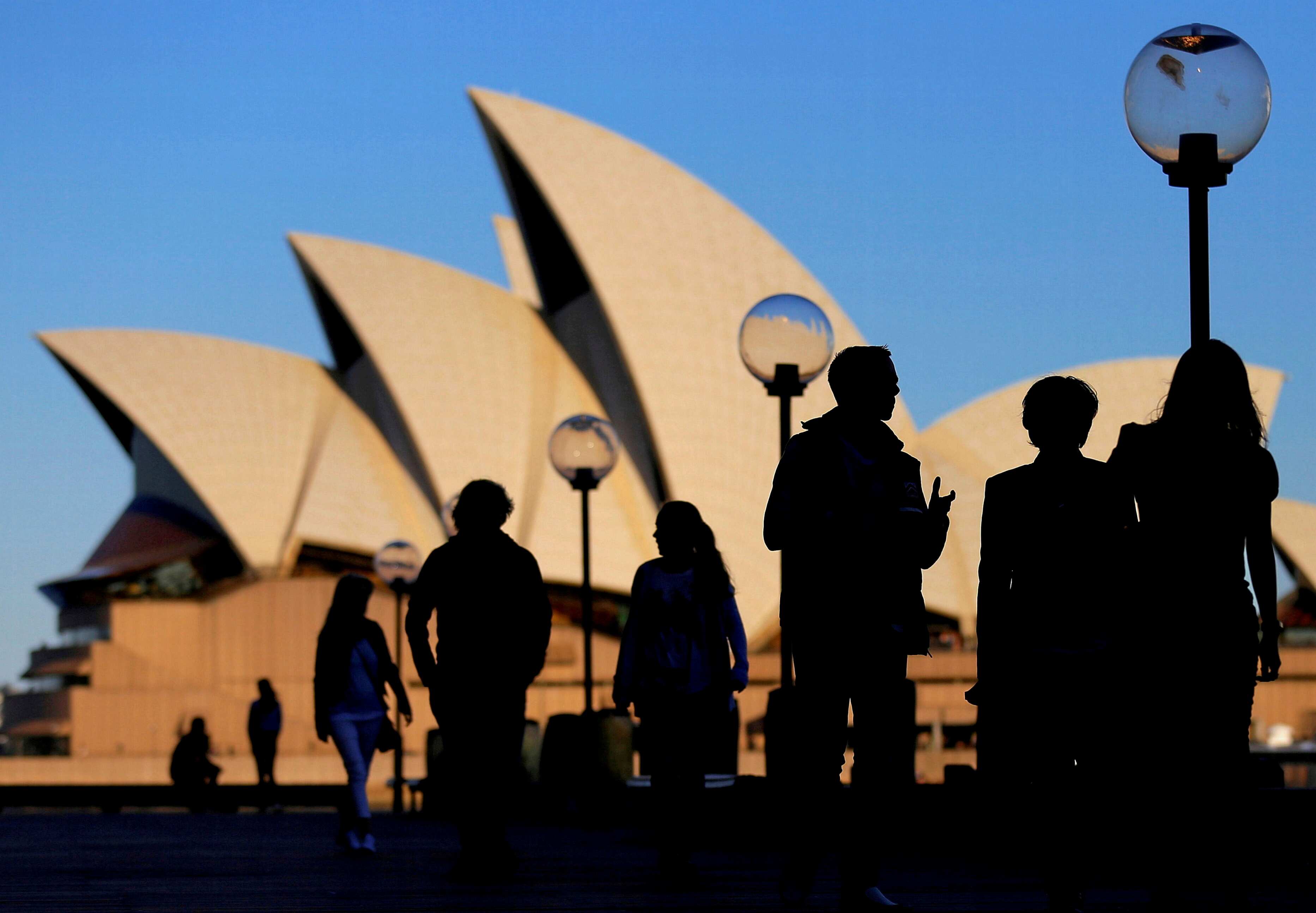
People are silhouetted against the Sydney Opera House
Recent data from Australia is giving out contrasting sentiments between the business sector and households. According to a report by Bloomberg, business conditions continue to exhibit resilience in the face of heightened price pressures, however, consumer confidence remains in a "deeply pessimistic" state. This divergence highlights the varying responses of firms and households to the tightening monetary policies.
According to a National Australia Bank Ltd. survey released on Tuesday, business conditions, which gauge sales, employment, and profitability, eased slightly by 3 points to 11 in September but remained above the average level since the beginning of the year. Confidence among businesses remained steady at 1 point.
"The economy has remained in reasonable shape through the middle of the year. The survey showed some positive signs for inflation, with cost pressures and price growth easing,” Bloomberg quoted Alan Oster, the Chief Economist at NAB.

In contrast, a separate household survey from Westpac Banking Corp., conducted from October 2 to 5, revealed that consumer sentiment inched up by 2.9 per cent to reach 82 points in October. However, pessimists significantly outnumbered optimists, indicating a prevailing sense of pessimism among consumers. This index has largely fluctuated within a range of 78-86 over the past year.
These surveys underscore the persistent divergence between Australia's heavily-indebted households and its corporate sector, suggesting that businesses are better equipped to manage the impact of higher interest rates. NAB's survey also highlighted positive indicators such as forward orders being in positive territory.
The Reserve Bank of Australia (RBA) has been in a watch-and-wait mode after implementing 4 percentage points of rate hikes since May of the previous year, with the aim of reining in inflation. Although consumer prices have started to ease, a tight labour market and rising wage growth indicate that policymakers are prepared to take further action if necessary.
)
Nigeria: Protesters take to the streets, police fire shots
)
US-Iran war: Tehran draws red lines — seven demands before any peace talks
)
Russia-Europe tensions: Polish PM warns Russian attacks could test NATO's unity
&im=FitAndFill=(700,400))
‘Not the US or China’: These are the countries leading the world in arable land
)
EXCLUSIVE | Singer Hanita Bhambri on her Toxic debut, working with Vishal Mishra and more
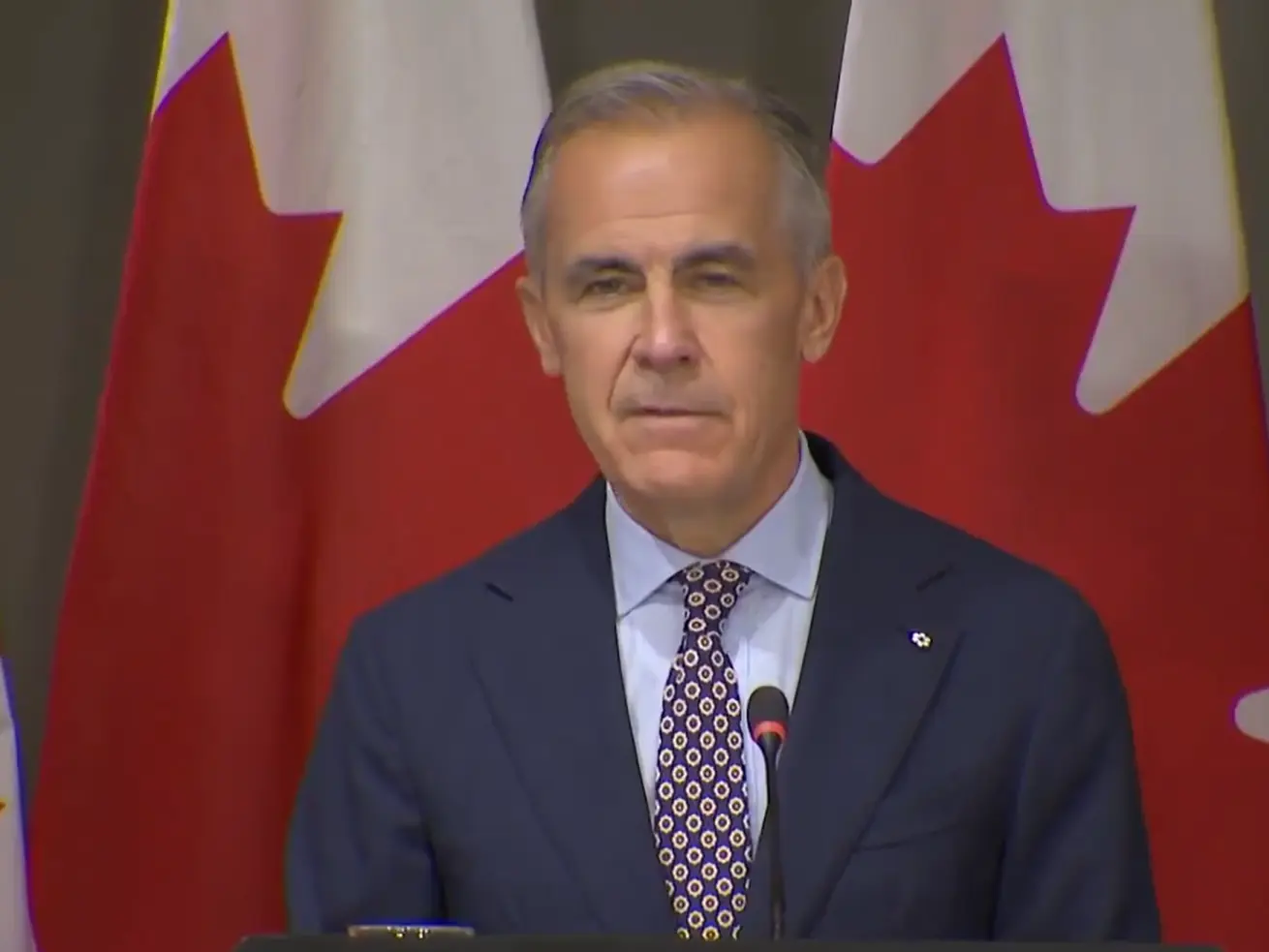)
Mark Carney mimics Trump in hilarious moment over C$70 billion clean-energy investment; room erupts in laughter
)
Delhi voter roll shake-up: 3.31 million electors flagged in SIR review
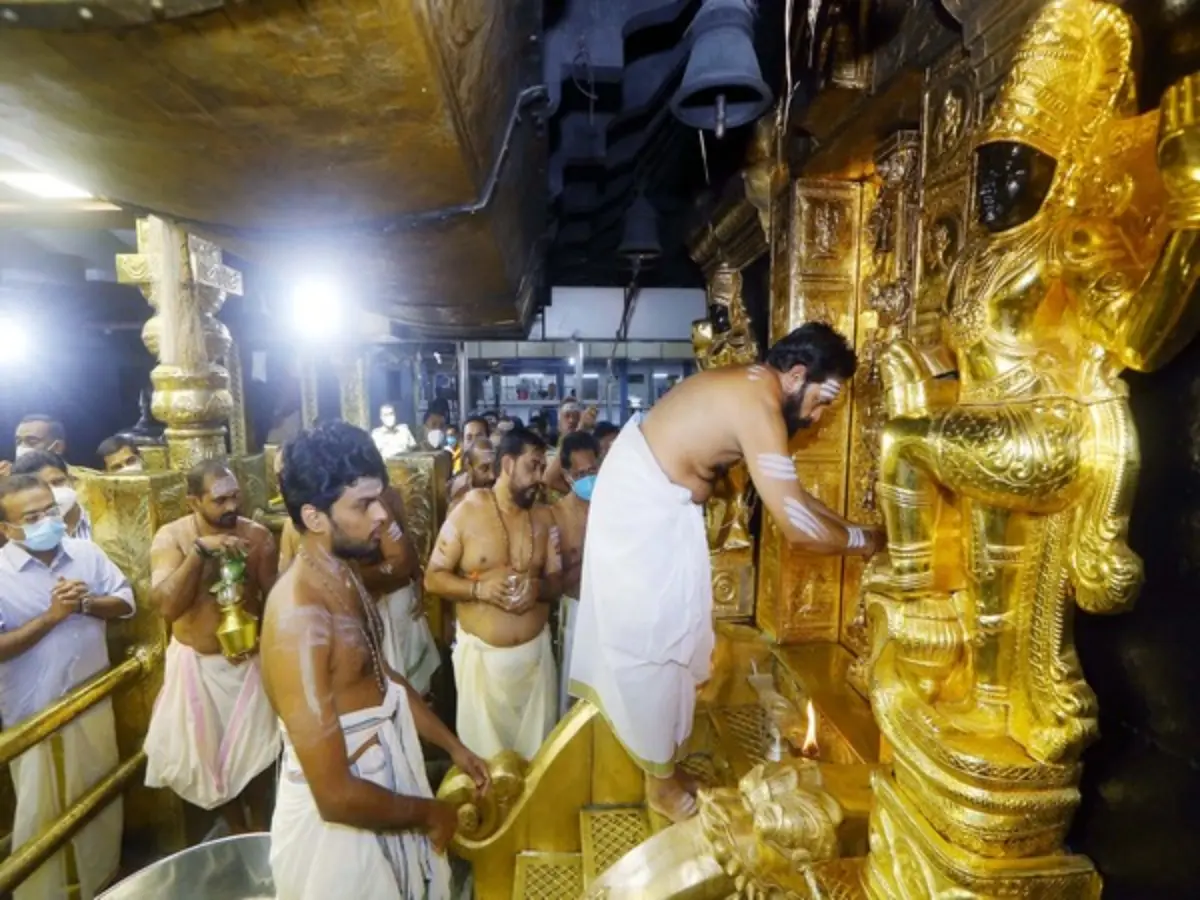)
Aravana prasadam shortage at Sabarimala temple in Kerala triggers protests, TDB questioned
)
‘End of my career...’: NSA Doval recalls tense Sikkim mission when China captured Indian intelligence team
)
Report: Iran rebuilding Taleghan 2, nuclear site tied to past weapons research, hit twice by Israel
)
Trump defends AI amid growing alarm, announces new 'AI force' and promises an 'AI czar'
)
Iran sets 7 conditions to end war with US: What are Tehran’s demands?
)
Trump announces ‘AI Force’ as debate grows over AI risks and regulation
)
China may have gained access to US's classified F-35 jets; parts meant for repairs diverted to Hong Kong, sparking Pentagon inquiry
)
Gaza under attack: Health chief's son killed in IDF strikes
)
Arvind Kejriwal, family members, Delhi CM Rekha Gupta get SIR notices
)
Cochin shipyard starts building Indian Navy's next-gen missile vessels
)
Saudi vs Houthis: Houthis claim missiles & drones used in attack on key Saudi sites
)
Ed Sheeran addresses Macklemore's removal, Gaza conflict during Philadelphia concert: 'I cannot hide how I feel'
)
Nepal forms 7-member panel to probe August 26 Bhotekoshi flood from source to downstream
)
‘Will go to any extent’: Pakistan vows to defend Saudi Arabia amid Houthi attacks
66 years of the Indus Waters Treaty: How India and Pakistan settled a bitter river dispute
)
The Verdict | When precision fails: US commits war crime in Minab school strike, UN finds
)
9 women found dead near Johannesburg: South Africans rally, demand 'enough' to femicide
)
Kampala-Ankara rift deepens: Uganda suspends military ties, seeks Fred Lumbuye's extradition
)
Several petrol pumps, other businesses to refuse UPI payments above Rs 2,000 from Oct 16: Is it legal?
)
US-Iran war: Tehran sets seven conditions to re-engage in talks with US
)
Reacher star Alan Ritchson opens up about alleged blackmail, suicide attempt during difficult period
)
Africa is splitting, and a lot sooner than estimated, giving way to a new ocean
)
Flying cars in UAE: Ras Al Khaimah signs deal with Chinese company to test new transport
)
West Indies Squad for India Series: Hetmyer included for T20Is, Holder rested
)
Trump bans CNN, MS NOW and Politico from White House over ‘FAKE NEWS’
)
Trump 2.0: Dark days ahead for America’s ‘imperial presidency’
&im=FitAndFill=(700,400))
How many F-35s does Britain, Japan and Israel have?
)
Harry Brook targets long reign at top of T20I rankings after Sri Lanka sweep
)
Russia's deadly Ukraine strikes kill 2 in Sumy, hit Dnipro mall
)
Russia holds first parliamentary elections since the beginning of the Ukraine war
&im=FitAndFill=(700,400))
Meet top 5 Indian batters with fastest T20I centuries
)
Raphinha hat-trick powers Barcelona to 3-1 win over Sevilla in La Liga
)
Bloomberg cited Matthew Hassan, a Senior Economist at Westpac, who commented on the consumer sentiment, saying, "The consumer mood has improved slightly, but optimism remains in extremely short supply."
He noted that while there are some faint signals of hope regarding family finances and job outlook, these positive aspects are overshadowed by concerns about high inflation and renewed worries about interest rate hikes.
Notably, the sub-index measuring the outlook for household spending, known as "the time to buy a major household item," surged by 7.6 per cent. This uptick, if sustained, could be indicative of easing inflation pressures for consumers.
The RBA's next meeting is scheduled for November 7, and during the same week, it will release detailed forecasts. Economists are divided on whether the central bank will implement one final rate hike, potentially raising rates to 4.35 per cent.
(With inputs from Bloomberg)
WATCH WION LIVE HERE