
&imwidth=800&imheight=600&format=webp&quality=medium "Aramco eyes $4 billion from stake sales amid fiscal tightening")
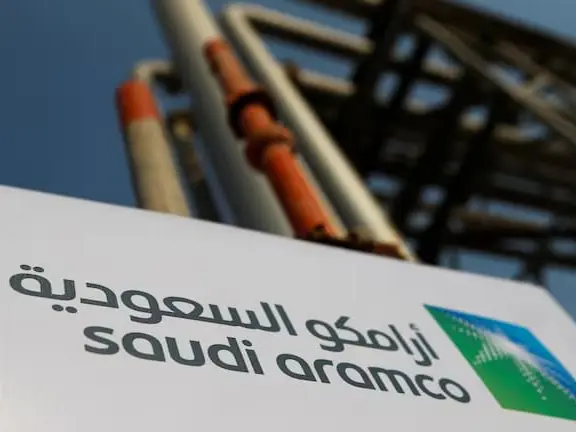
Saudi Aramco is reportedly preparing to sell up to five gas-fired power plants in a move that could raise as much as $4 billion, according to sources familiar with the matter. The asset sale is part of a broader strategy by the world’s most profitable oil company to free up capital, maintain shareholder payouts, and align with Saudi Arabia’s Vision 2030 economic diversification goals. The potential divestment of these non-core assets, mostly power stations that supply energy to Aramco’s refineries, comes as the company navigates lower oil prices, shrinking profits, and rising fiscal demands from the Saudi government, which owns more than 81 per cent of Aramco. The government relies heavily on Aramco's dividend payouts, royalties, and taxes to fund national megaprojects such as Expo 2030 and the FIFA World Cup 2034.
Strategic capital reallocation
Selling these assets would allow Aramco to reallocate capital toward higher-growth and future-oriented sectors, including carbon capture, green hydrogen, and advanced infrastructure projects. While the company reported a modest dip in net income to $26 billion in Q1 2025, it raised its base dividend to $21.1 billion. However, it withheld a performance-linked dividend, signalling a more cautious approach to cash management amid global energy market volatility.

Analysts say the divestment strategy aligns with global energy giants like ExxonMobil and Chevron, which have also shed non-core infrastructure to focus on upstream oil and gas operations. In addition to power plants, Aramco is reportedly exploring the sale of housing compounds, port infrastructure, and pipeline stakes.
BlackRock stake buyback under consideration
In a parallel development, asset manager BlackRock Inc. is in early talks to sell its stake in Aramco’s gas pipeline network back to the Saudi oil giant. BlackRock had led a consortium that acquired a 49 per cent stake in the pipeline leasing rights in a 2021 deal valued at $15.5 billion. A potential buyback would signal Aramco’s continued interest in consolidating control over core energy infrastructure, despite rising debt levels.
Trending Stories
)
Why asking questions could be more important than memorising answers
)
Did India risk its US trade deal despite softer stance at BRICS?
&im=FitAndFill=(700,400))
How 2nm technology improves iPhone performance
&im=FitAndFill=(700,400))
Shahid Kapoor to Rajkummar Rao: Actors who rule both theatres and OTT
)
BRICS Summit 2026: Trump wants to weaken BRICS, but maybe doing the opposite
&im=FitAndFill=(700,400))
Meet top 5 batters fastest to 3000 runs in T20Is
)
Did BRICS Summit 2026 prove that an 11-member bloc with India and China in it can still agree on key issues?
)
Top 5 places to visit in Goa beyond its famous beaches
)
Delhi’s balancing act: BRICS serves as a stage for West Asia diplomacy
&im=FitAndFill=(700,400))
Why European Meteor missiles use ramjet engines compared to standard US solid rockets
)
'He is popular...': Malaysian PM Anwar Ibrahim's praise for PM Modi during bilateral meeting | WATCH
)
Iran, India agree to deepen humanitarian and political ties, President Pezeshkian says
)
‘Want to reset ties with India, have engagement based on mutual interests,’ says Bangladesh minister
)
BRICS Summit 2026: PM Modi, Xi reach key consensus on ties, China to assume BRICS chairmanship in 2027
)
UK breakup on the cards? Scotland, Wales and Northern Ireland push for independence
)
Russia-Ukraine-US talks in October? Kremlin says not ruling out possibility of trilateral
)
Trump says Canada eager to reach a deal, it could come ‘fairly soon’ if Ottawa treats US farmers better
)
The Verdict | Africa is too big to remain a guest at the BRICS table
)
‘Partners, not rivals’: Xi outlines four point plan for stronger India-China ties
&im=FitAndFill=(700,400))
Why Chinese PL-15 air-to-air missiles use dual-pulse motors compared to European interceptors
)
NATO under Russian threat? Drone strikes just 2 km from Poland, narrow escape for former UK PM, CIA chief
)
Who is the smiling man beside Modi, Putin and Xi at BRICS Summit 2026?
)
BRICS Summit: New Delhi declaration adopted with full consensus, big diplomatic win for India
)
800 million years old - Scientists discover 'fingerprints' of supercontinent Gondwana in ancient rocks
)
Russian drone hits Warsaw-bound train near Polish border, Zelensky accuses Moscow of ‘deliberate’ targeting
)
War is making Russia stronger? How Ukraine is shaping Moscow’s next generation of weapons
)
9-year-old Chennai prodigy clears Cambridge IGCSE grade 10 exams
)
Indian importers urge Bangladesh to lift export ban on 'Hilsa' fish ahead of Durga Puja
)
Humans may lose control of AI: Anthropic CEO calls for slowdown, Altman, Musk back him
)
US diplomat accused of possessing child abuse images secretly flown out of UK by US Marines
)
BRICS Summit 2026: Modi-Xi moment highlights India-China thaw at BRICS
)
Why does your skin need protection from UV rays?
&im=FitAndFill=(700,400))
From Rinku Singh to Mayank Yadav, 5 players dropped from India’s squad for Afghanistan T20Is
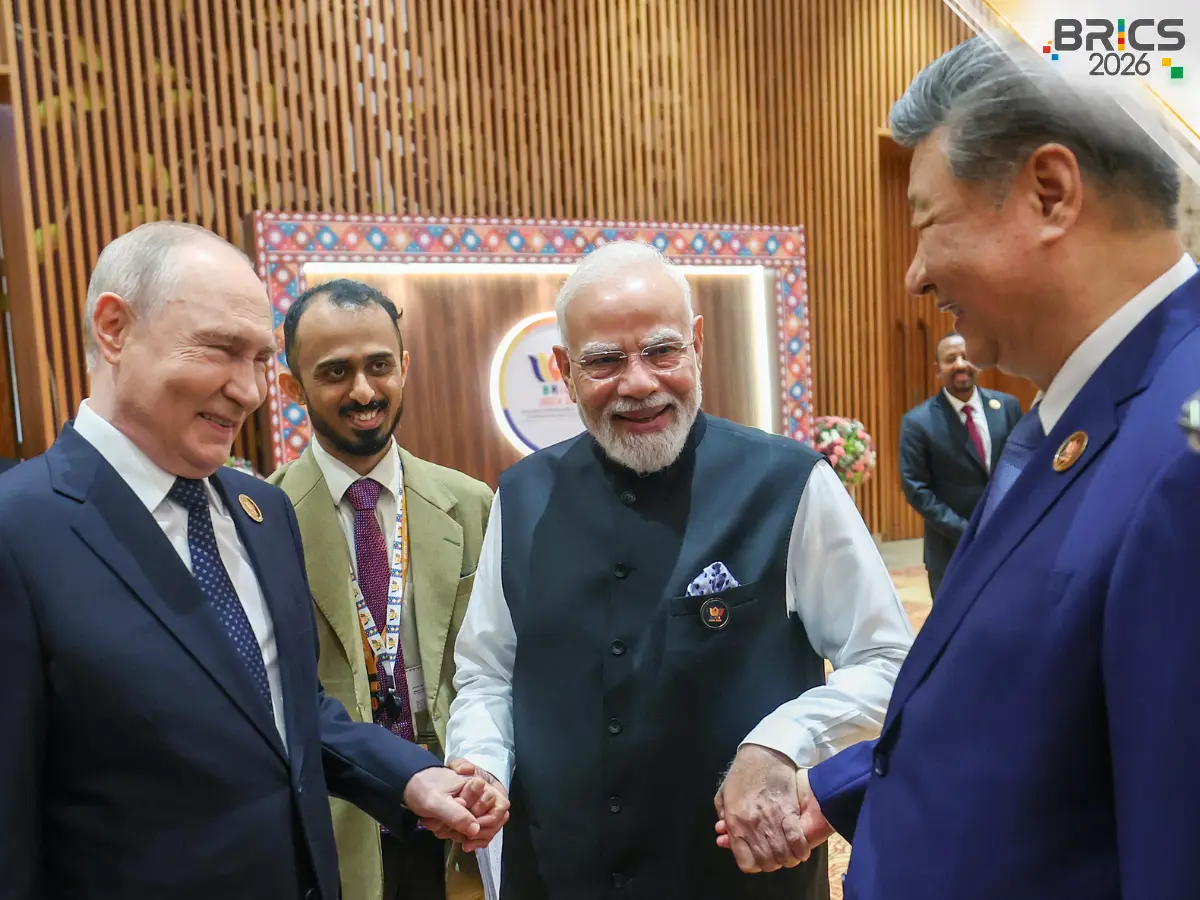)
PM Modi and China's Xi offered to help resolve Russia-Ukraine war: Kremlin
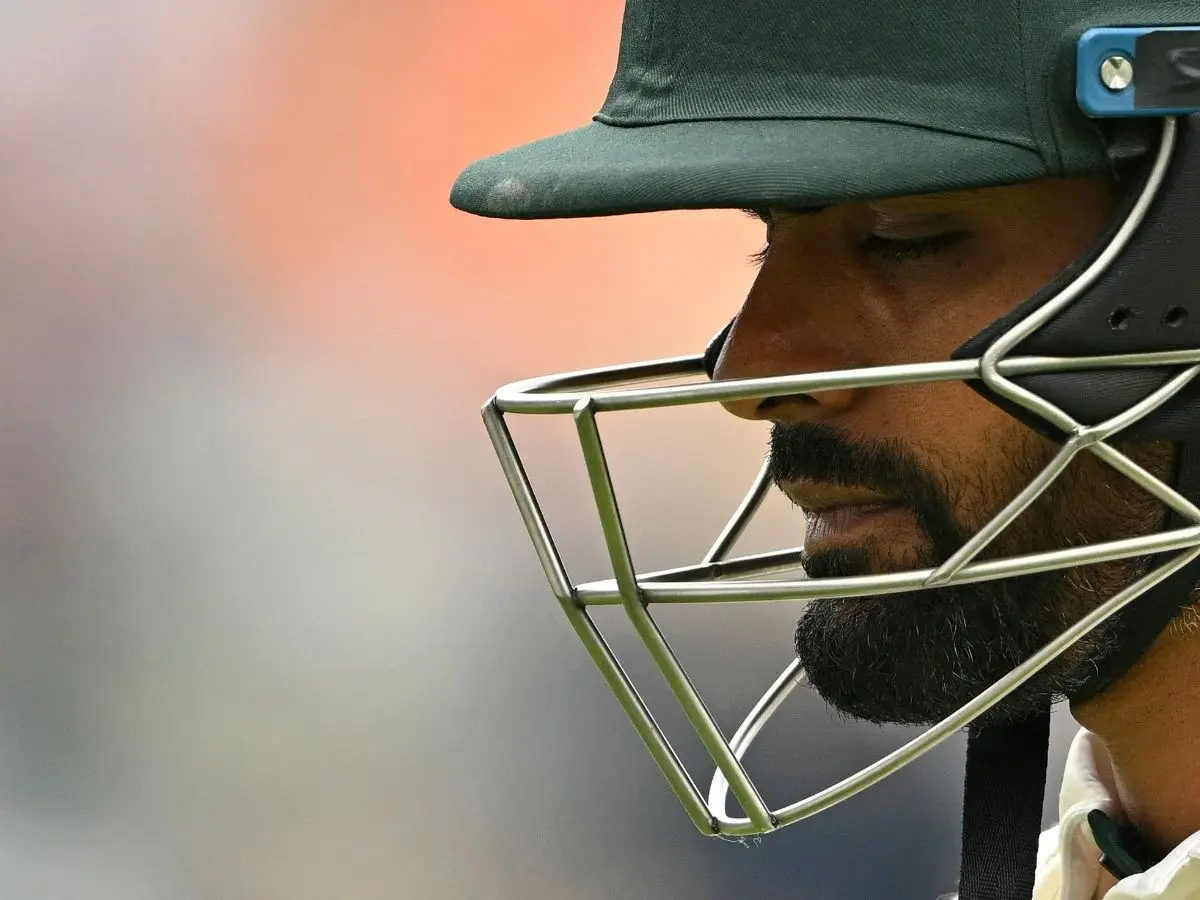)
Akram, Afridi, Mushtaq tear into PCB after Pakistan’s Test series collapse in UK
The company’s CEO, Amin Nasser, said in May that Aramco plans to increase borrowing to fund growth, support dividend stability, and leverage its balance sheet more effectively. The firm has already raised $5 billion through a bond issuance this year, part of a broader return to debt markets after a three-year hiatus.
While asset divestments and increased borrowing may raise questions about Aramco’s short-term liquidity pressures, the moves appear designed to balance shareholder interests with long-term investment in national economic transformation. If executed effectively, the strategy could enhance resilience amid a shifting global energy landscape.