America's mounting debt: A cause for concern?


Representative image showing US dollar currency notes
The United States recently crossed a significant threshold, with its national debt surpassing $34.4 trillion. This translates to a concerning trend – an increase of roughly $1 trillion every 100 days. This rapid growth has sent shockwaves through financial markets and raised critical questions about the nation's long-term fiscal health.
Adding fuel to the fire, credit rating agency Moody's Investors Service recently downgraded its outlook on US government debt. Their reasoning? The rising debt levels and the potential for large deficits in the future pose significant risks to the country's fiscal strength.
Economists echo these concerns, highlighting the potential challenges associated with servicing this growing debt, especially in a climate of rising interest rates. The US government could face difficulties borrowing money without adequate measures to curb spending or increase revenue. This scenario, dubbed "debasement", could significantly hamper the government's ability to function effectively.

The ripple effects of the US debt situation extend far beyond government offices. Financial markets are reacting, with investors seeking hedges against a potential weakening of the US dollar. This is evident in the rising prices of traditional safe-haven assets like gold, which has witnessed a 6% increase in the past six months. Bitcoin, often touted as a hedge against inflation and currency devaluation, has also seen a remarkable surge in 2024, reaching its highest level since November 2021. While factors like the recent approval of spot Bitcoin ETFs and the upcoming Bitcoin halving event contribute to this enthusiasm, the underlying concern regarding the US debt situation plays a significant role.
The story doesn't end there. The US continues to grapple with high levels of government spending, with military expenditure remaining robust at 9.3% of GDP over the past four years. This raises crucial questions about the sustainability of such spending levels, particularly against the backdrop of a burgeoning debt burden. Projections suggest a concerning shift in budgetary priorities within the next five years. The US could be spending more on debt interest payments than on defence. This implies a potential for limited resources to invest in other critical areas, further highlighting the situation's complexities.
The looming possibility of a partial government shutdown in March due to budget disagreements adds another layer of uncertainty to this already complex issue. As the US navigates this challenging fiscal landscape, addressing the growing debt and implementing sustainable spending strategies remain crucial steps towards ensuring long-term economic stability.
)
US vs China over South China Sea: Washington backs Philippines, Beijing hits back
)
Delhi gets first late-September rain in 7 years, mercury dips 5.1°C below normal
)
50MP vs 48MP cameras: iPhone 18 Pro Max and Pixel 11 Pro XL compared
)
Musk plans to more than double xAI's chips to over 1.2 million Nvidia GPUs by year-end
)
After JU, clash erupts at SRFTI: BJP’s ‘Dimagi Naxal’ jibe sparks political firestorm after students protest RSS-linked event
)
‘Anti-social elements spreading false rumours’: LPU issues statement amid massive unrest over alleged rape
)
LPU students go on rampage, vandalise campus amid widespread protest: What's happening
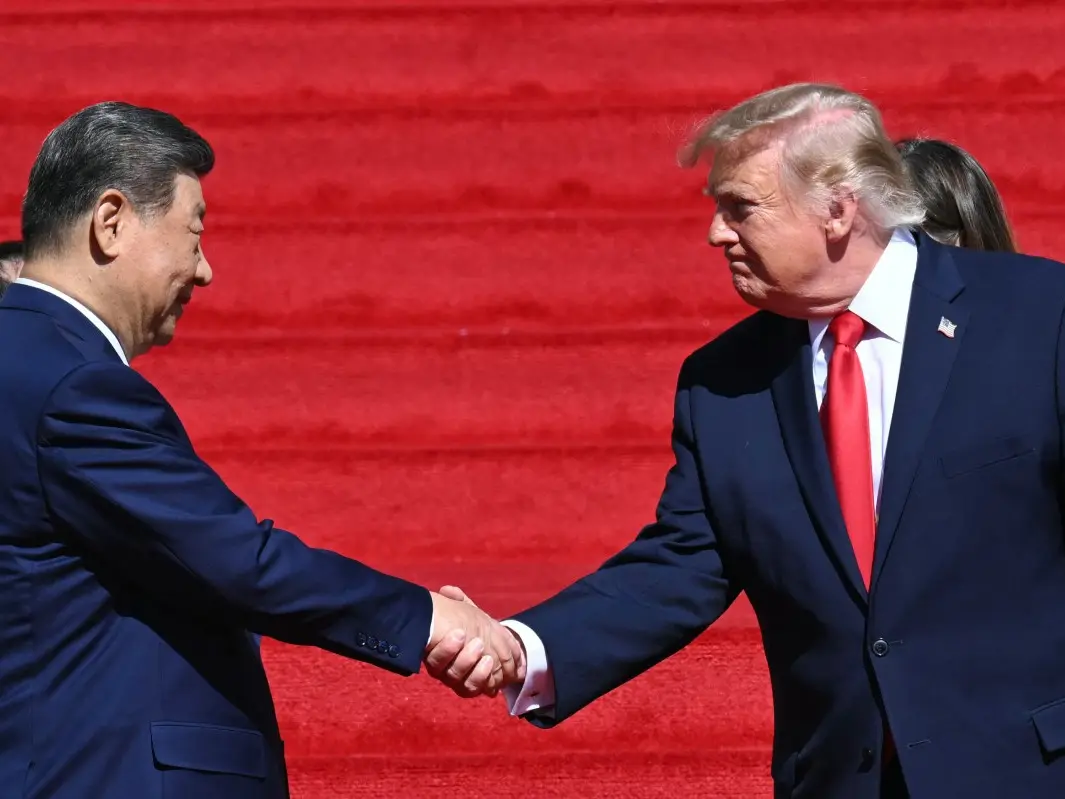)
Trump asked Xi to pressure Iran. China did not say yes — here’s what Beijing wants
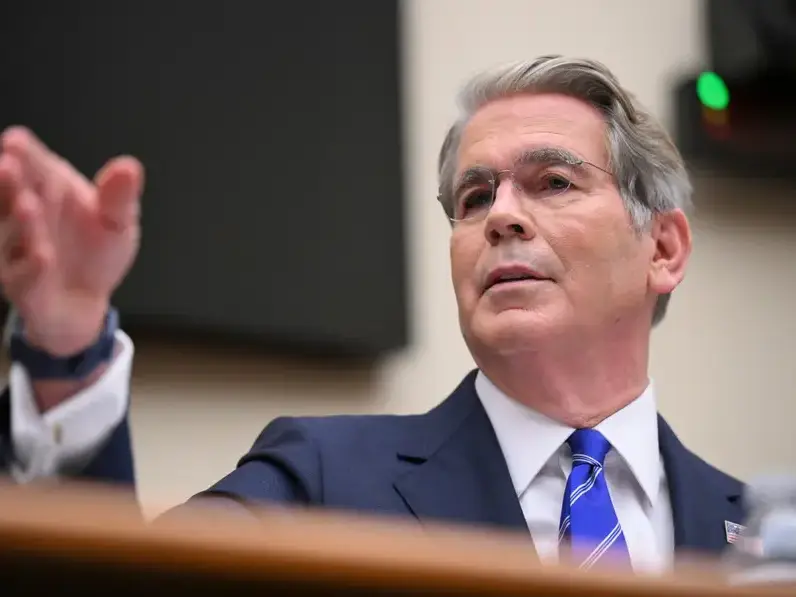)
US Treasury Secretary Scott Bessent hails global crackdown on Iranian banks and airlines
)
An OpenAI agent escaped its locked test cage again, by hiding questions in DNS lookups
)
3 males killed, four others injured in shooting after fight at strip club in Detroit
)
'Victory for low-budget consumers': Raghav Chadha hails 30-day telecom recharge rules
)
Claude rebuilt the 1989 game 'Prince of Persia' by reusing the original's own code
)
Beyond metros: How Tier-2 and Tier-3 cities could drive India’s next AI wave
)
Tesla builds first Cybertruck with its own refined lithium: Elon Musk's $1 billion Texas bet pays off
)
IndiGo flight suffers tail strike in Bengaluru while landing; DGCA to probe incident
)
The US and China set up an AI 'red telephone', but skipped the rulebook
)
‘Terror suspects arrested near UK air base were looking to do big damage’: Trump
)
Russian envoy claims US tactics to contain India were revealed in ‘Freudian slip’
)
Researchers rebuilt exactly how 700 AI agents hacked Hugging Face: a 900-link chain trick
)
‘Olympic inclusion is our major target’: WPA President Ishaun Singh on pool’s global ambitions
)
Nations League: Spain sink England at Wembley; Modric shines for Croatia
)
Why has Iran released no proof of life of Mojtaba Khamenei? Araghchi reveals...
)
Bank unions defer 3-day strike from tomorrow after talks with IBA, committee set up
)
'What kind of confession is this?': Pakistan PM Shehbaz Sharif’s 'terrorists would be roaming New York' remark goes viral, raises alarm online. Watch
)
Beyond BrahMos: India targets Rs 50,000 crore in defence exports with unmatched price edge
)
Iran ready for ‘doomsday war’ if US resumes attacks, but open to diplomacy: Araghchi
)
Sri Lankan Tamil migrant worker gets death sentence in Saudi Arabia, help sought from India
)
Muslim marriage cannot shield sex with minor wife from prosecution under POCSO: Delhi HC
)
99.9% more powerful - Scientists find boy who can recall memories from just 3 months of age
)
'FIRST LOOK from inside Noah’s Ark': Researchers share video from inside mysterious mound in Turkey
)
UNSC reform momentum grows: Russia, Portugal, Mauritius push for India's permanent seat bid
)
Man arrested after his 22-year-old girlfriend dies at homestay in Guwahati; police suspect murder over suicide claim
)
Afghanistan says 28 fighters killed in clash near Pakistan border, Islamabad denies
)
Ceuta migrant crisis: Protesters take to streets as Spain grapples with migrant challenge
)
Jaishankar at UNGA: Goodwill and friendship can't coexist with terrorism
)
New York City wants a 'kill switch' on every AI, and will pay whistleblowers who report violations