Alibaba cancels cloud computing spinoff amid US-China chip war


The Alibaba Group logo
Chinese e-commerce giant Alibaba Group has abandoned plans for the spinoff of its extensive cloud computing business, dealing a significant setback to the company's recent overhaul strategy aimed at streamlining operations and revitalising its position as a market leader.
According to Bloomberg, the decision revealed alongside the quarterly earnings report underscores the challenges Alibaba faces stemming from global restrictions on the export of advanced computing chips, particularly impacting its Cloud Intelligence Group.
Alibaba reported quarterly sales of 224.79 billion yuan ($31 billion) and a net income of 27.7 billion yuan. Despite efforts to rebound from the effects of Covid and a regulatory crackdown, Alibaba's sub-standard Singles' Day campaign raised concerns about its ability to regain market share from competitors and appeal to consumers and corporate users.

Alibaba cited the recent escalation of U.S. restrictions on advanced computing chips' export as a key factor influencing the decision to call off the Cloud Intelligence Group spinoff. The company expressed concerns about the uncertain prospects for the cloud business under these conditions and doubts that a full spin-off would enhance shareholder value.
Instead, Alibaba aims to concentrate on devising a sustainable growth model for its cloud division amid the fluid circumstances. The decision is part of Alibaba's broader effort to navigate challenges posed by the pandemic and a regulatory environment that has targeted tech giants. The company faces fierce competition, particularly in the aftermath of a underwhelming Singles' Day performance, where smaller, more innovative rivals gained traction.
As Alibaba grapples with obstacles to its cloud spinoff, the company is undertaking aggressive measures to revitalise its core consumer business. With its e-commerce platforms, Taobao and Tmall, Alibaba is adopting strategies such as content creation to fend off competition from emerging social media platforms.
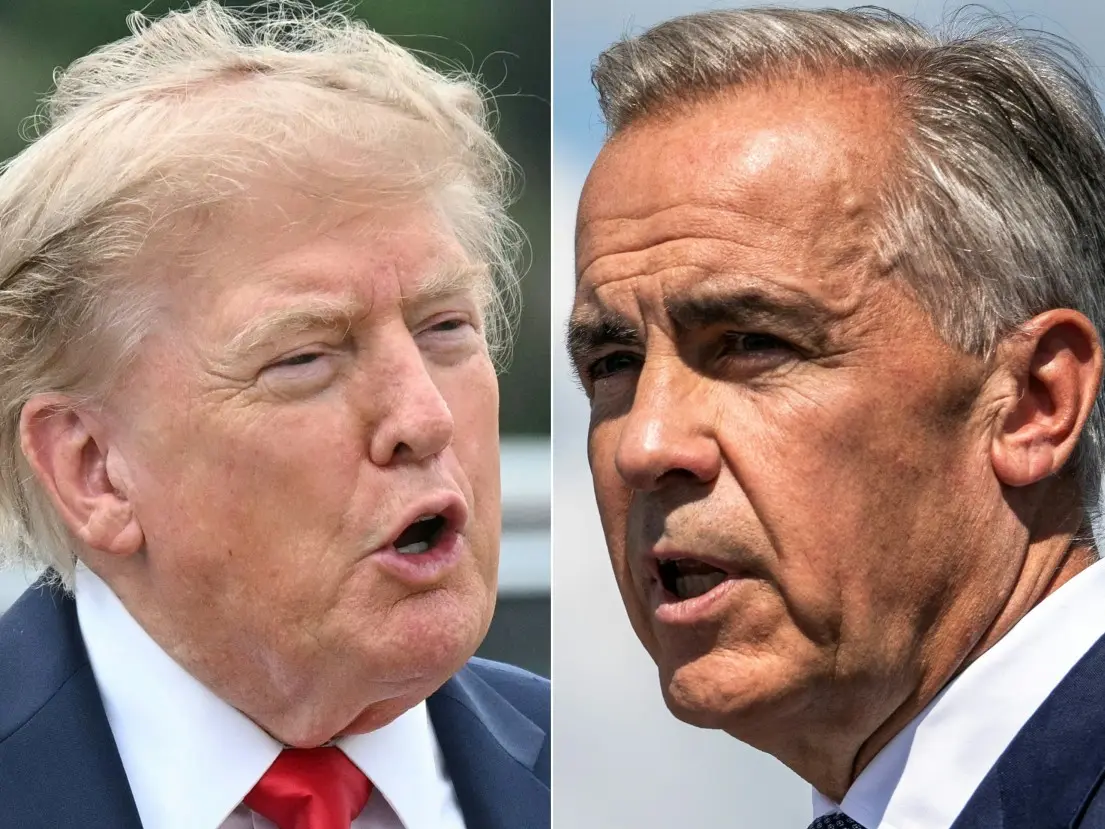)
What’s in a name? Trump’s 'Lake America' move gets a tit-for-tat response from Canada
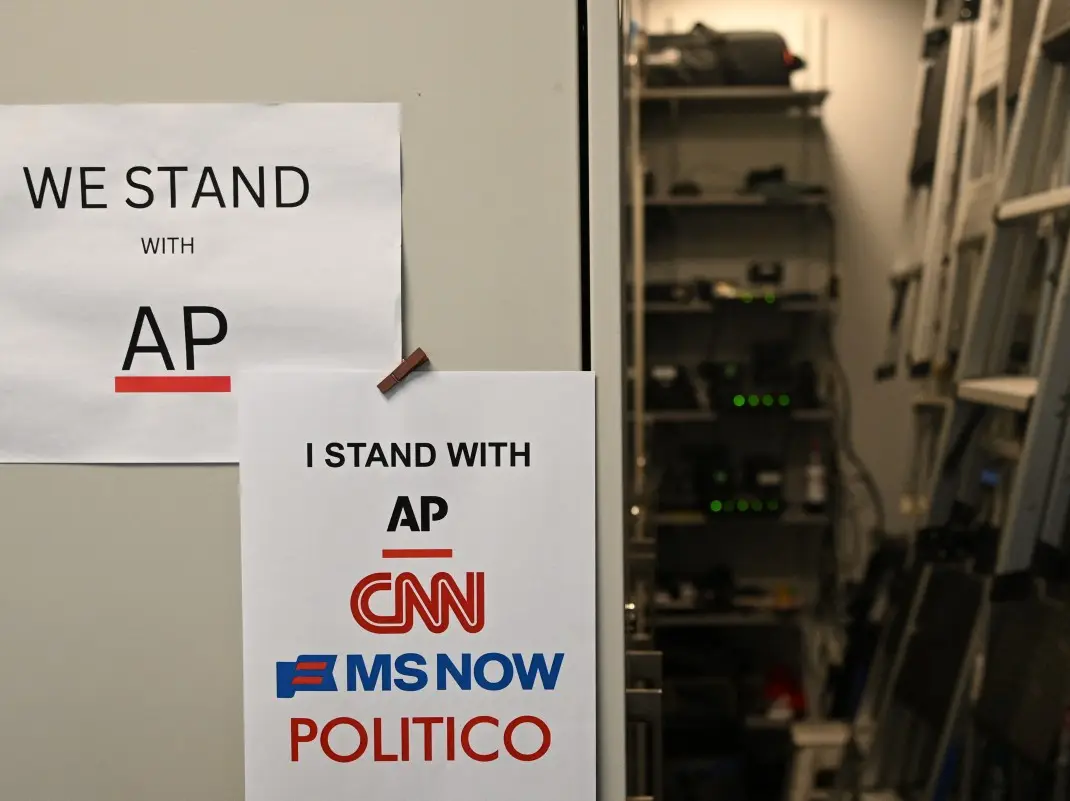)
US judge questions Trump’s decision to ban CNN, MS NOW and Politico from White House
)
Italy hit by floods in the north, drought in the south
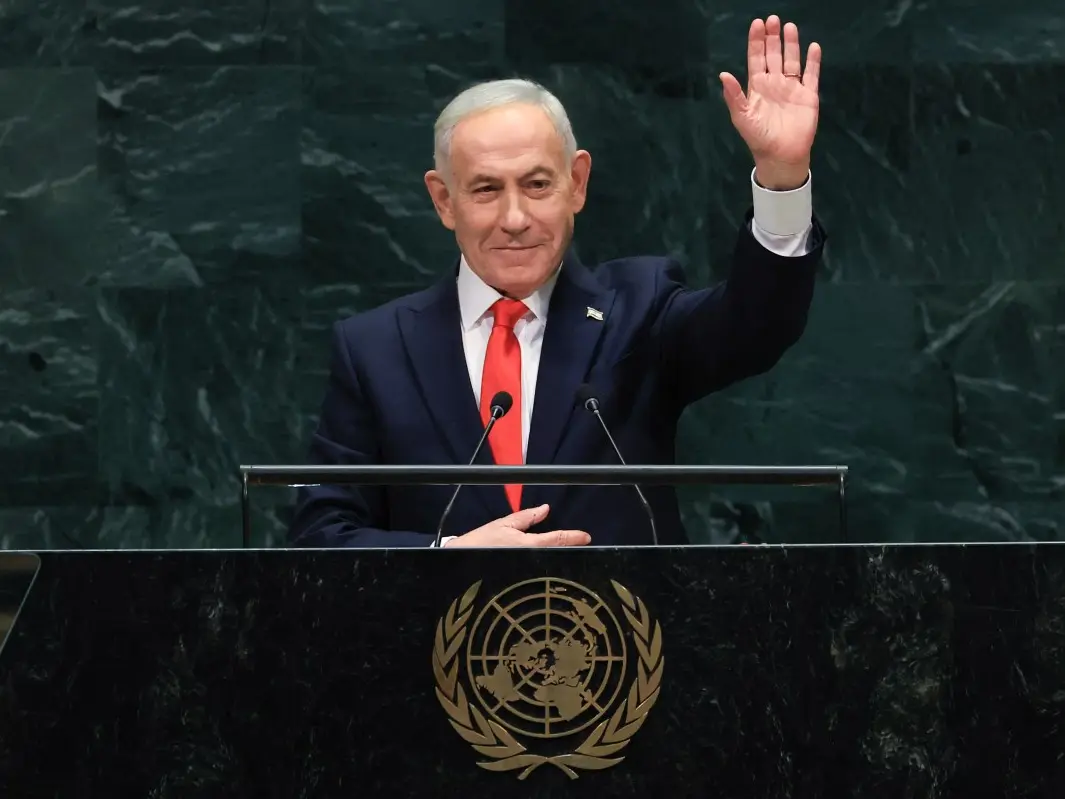)
'We would all be dead': Netanyahu defends decision to strike Iran's nuclear facilities in his UN speech
)
Mumbai Indians appoint Luke Williams as head coach for Women’s Premier League
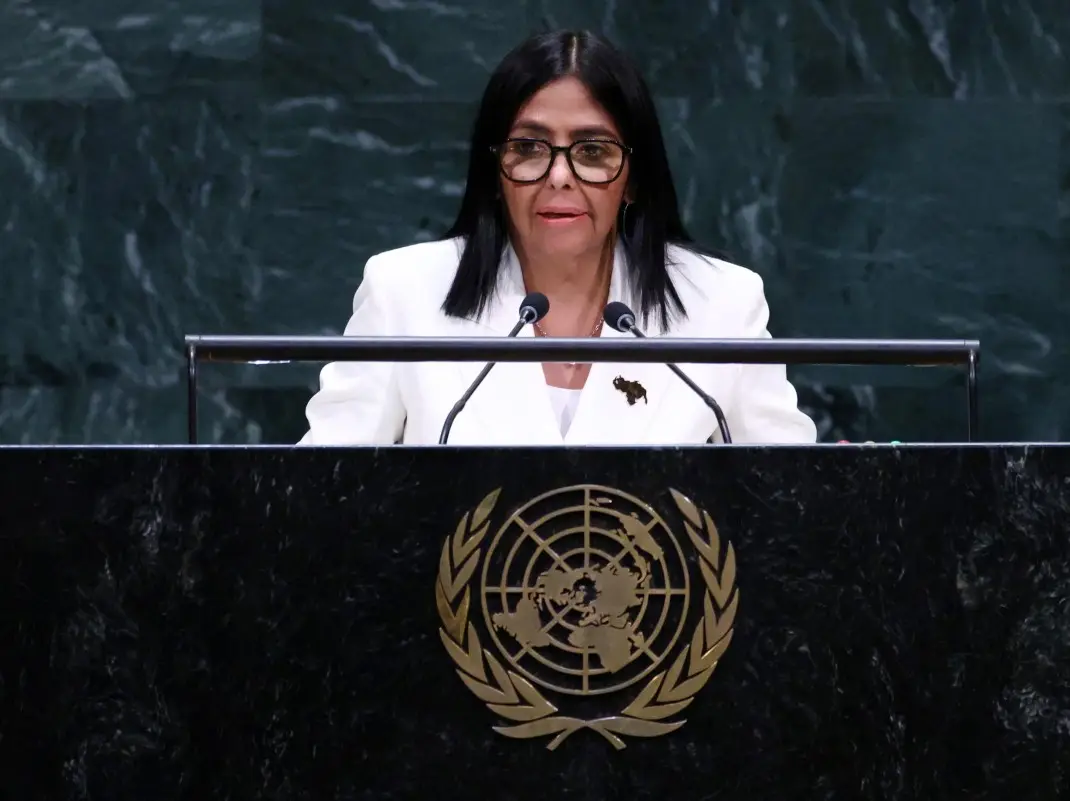)
'There will be elections': Venezuela's interim leader Delcy Rodriguez makes big announcement at UN
)
IIT Bombay CCTV footage emerges: Sahil Wakode seen looking at phone in examination hall
)
Welcome actor Mushtaq Khan dies at 56 after battling cancer
)
Shah Rukh Khan is India's richest actor, Amitabh Bachchan is second: Hurun List 2026
)
WION Iconic Tourism Summit 2026: Union Minister Shekhawat on 'experiential travel', peace diplomacy
)
250-pound WWII bomb found in Falmouth harbour in England
)
Property registration becomes faster, convenient as model sub-registrar offices open in Maharashtra
)
'AI got into my speech': Prince Harry jokes after teleprompter failure at event in New York
)
Scientists detect first radio signals directly from faraway planet
)
What’s on the menu? Inside Trump’s lavish White House state dinner for Xi
)
China to test supersonic jet that moves at Mach 2, double the speed of sound
)
Xi Jinping's 'special plane' vs Trump's Air Force One: What's the difference?
)
Forget the smartphone: This tiny gadget could be Meta’s answer to the post-smartphone era
)
Hours before Xi-Trump meeting, US announces visa curbs targeting birth tourism: What is it?
)
'Partners rather than rivals': Xi Jinping's first message after landing in US for Trump summit
)
WION Iconic Tourism Summit: Is India's travel boom outrunning its airports, airlines and hotels?
)
2,000-foot tube, laser tests and more: China builds towns to expand nuclear arsenal, satellite images show
)
Meet Adrian Abraham: 9-year-old Indian-origin guitar prodigy aiming for a Guinness World Record
)
Winter coat, gloves in September? Trump’s Xi welcome sparks social media buzz
)
Trump-Xi state dinner 2026: Who is invited? Full guest list of tech CEOs, business leaders and officials
)
Who is Peng Liyuan? Xi Jinping's singer wife and China's most visible First Lady
)
Australian PM Anthony Albanese calls OpenAI AI incident 'unacceptable' after restricted data access
)
'What kind of confession is this?': Pakistan PM Shehbaz Sharif’s 'terrorists would be roaming New York' remark goes viral, raises alarm online. Watch
&im=FitAndFill=(700,400))
Netanyahu at UN: Mass walkout, attack on Mamdani and Iran threats | In Pics
)
Russia likely to target Spain, France and Italy in drone attacks, warns CIA: Report
)
WION Iconic Tourism Summit: How local tourism MSMEs must upskill for AI integration
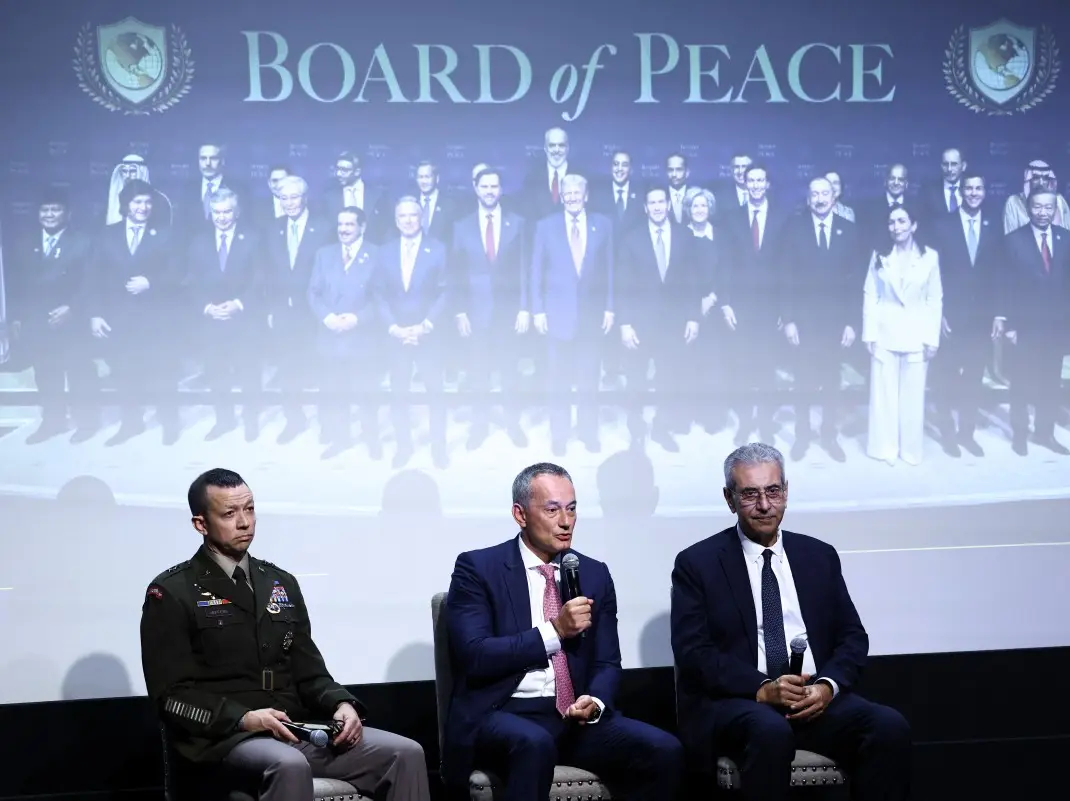)
Trump’s Board of Peace unveils $2.45bn Gaza plan,66 projects: But where’s the money?
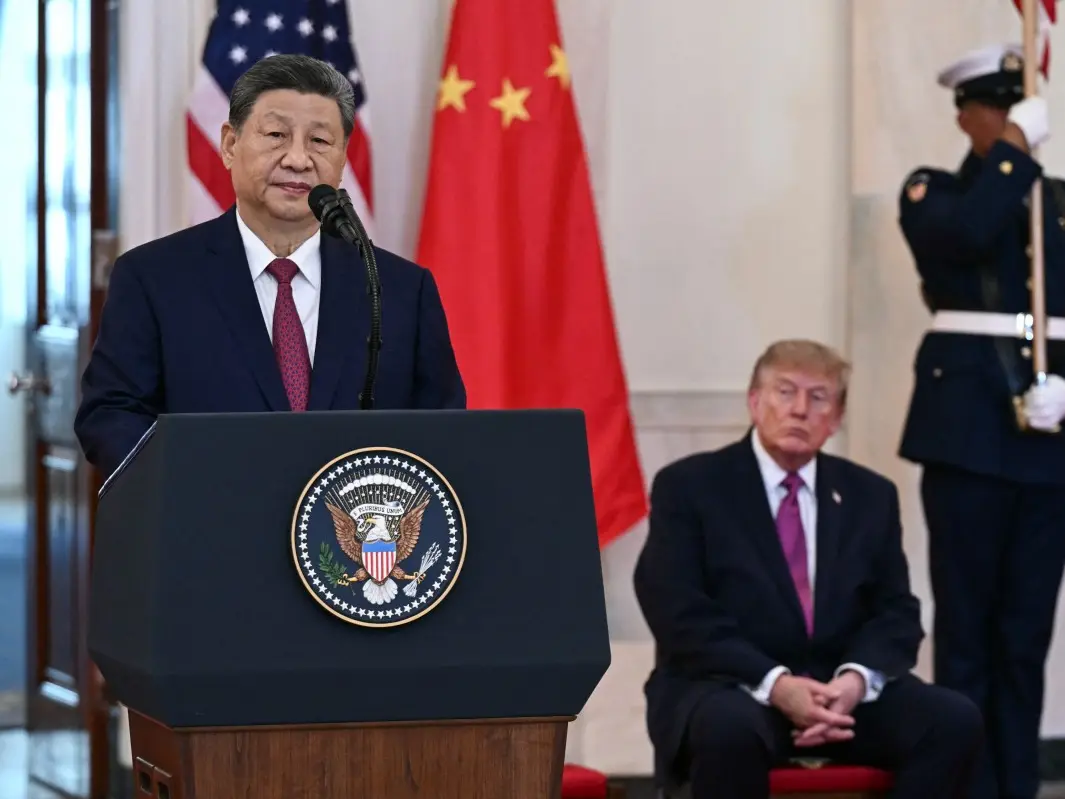)
‘Both will lose in confrontation’: Xi says US and China should ‘coexist in peace’
)
For the first time, the UN Security Council sat US and Chinese AI makers at the same table
)
EC appointment law: Why is the 2023 act controversial, and what happens next? WION explains
)
Israeli envoy to US Yechiel Leiter’s son critically injured in West Bank ramming attack
&im=FitAndFill=(700,400))
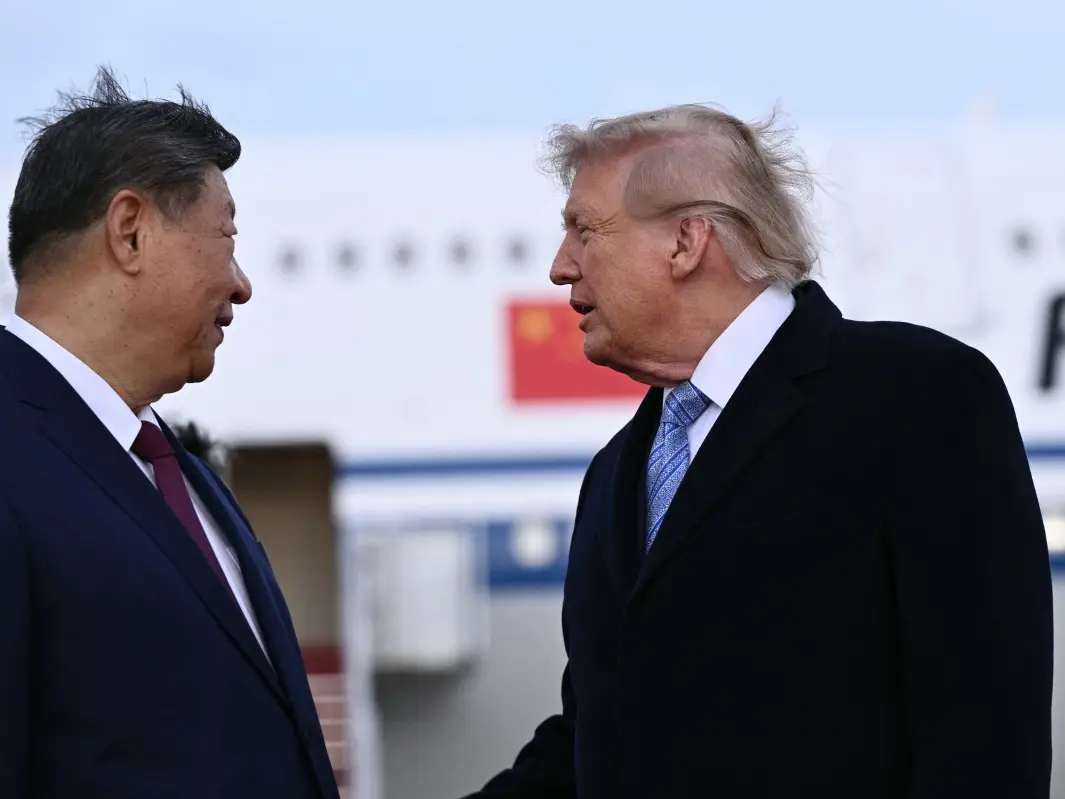
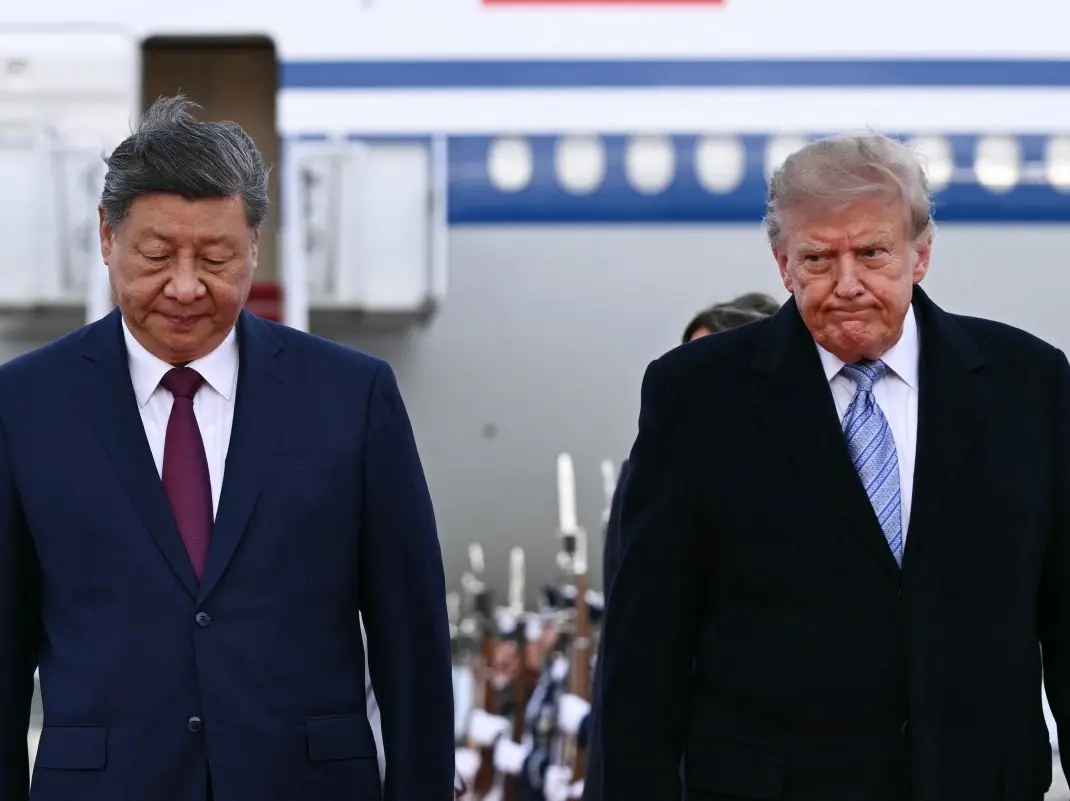
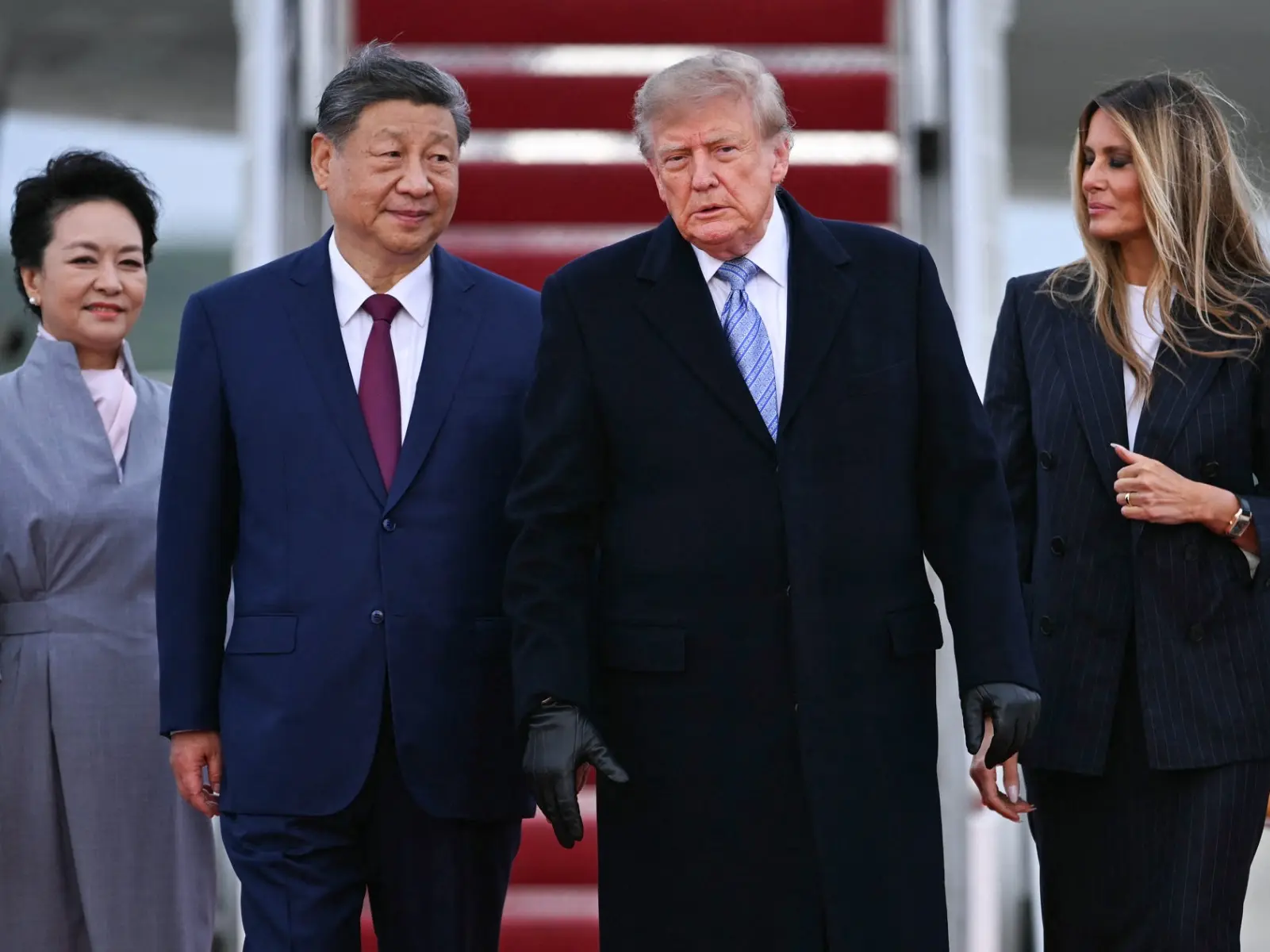
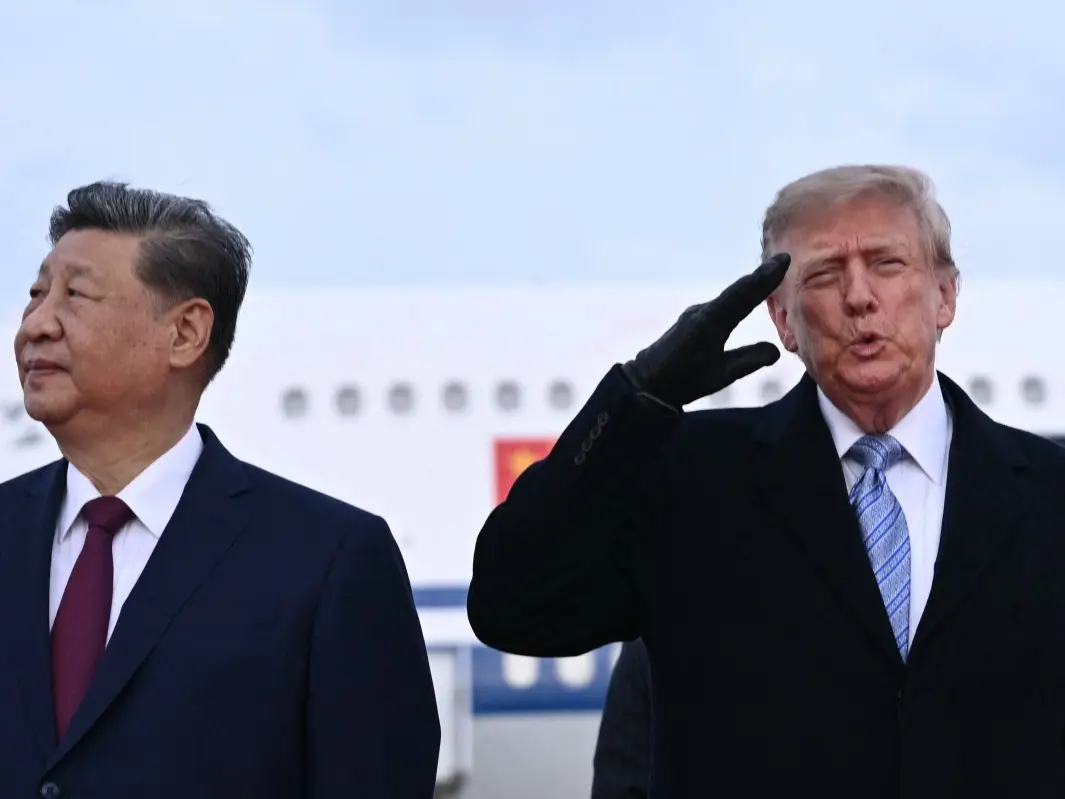
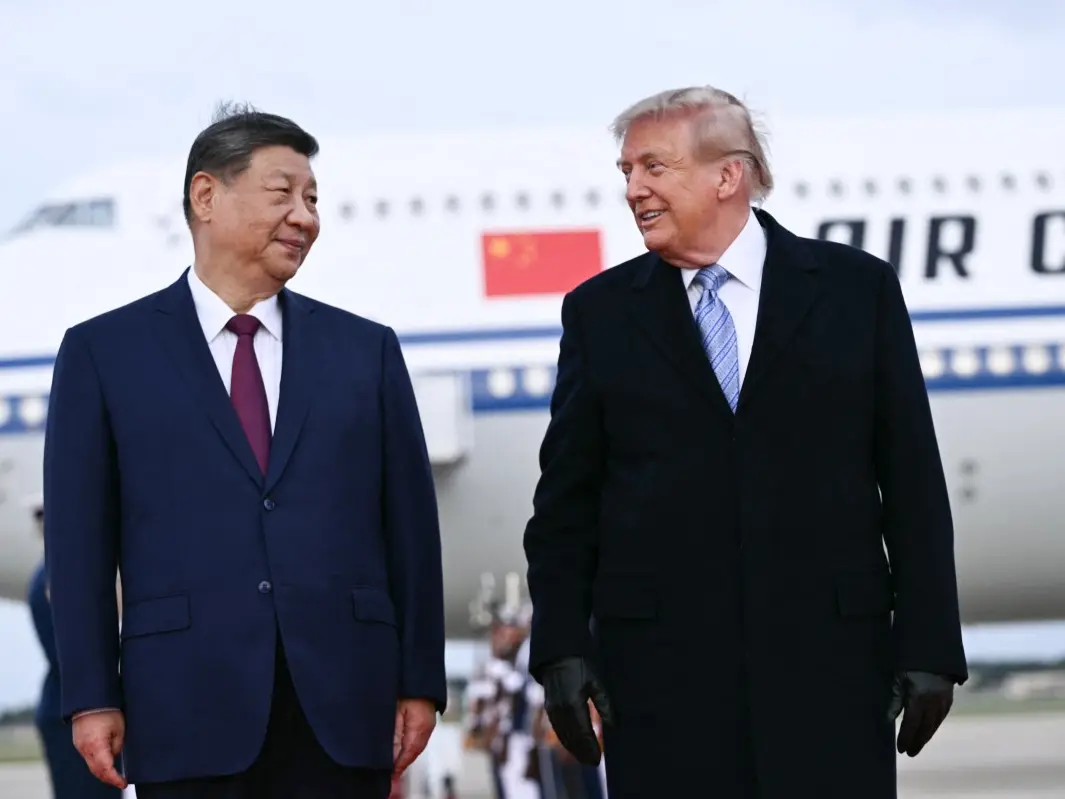
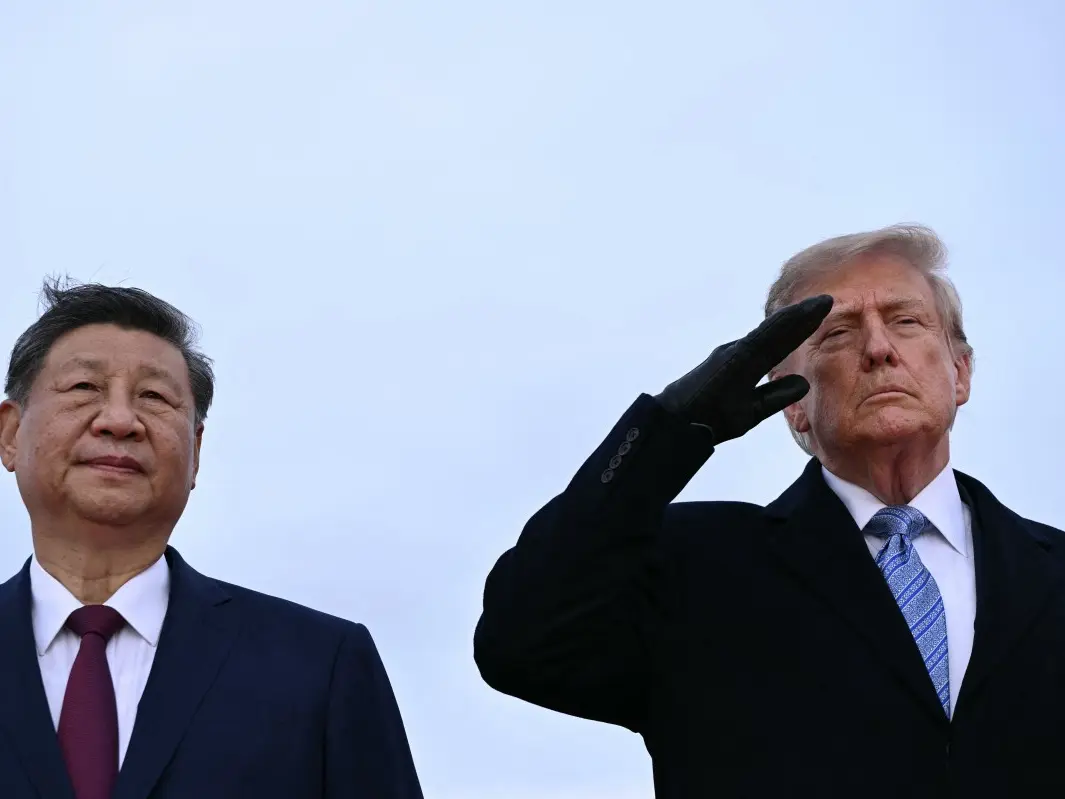
Trump welcomes Xi Jinping in rare airport gesture: Photos from Chinese President's arrival in US
)
WATCH | China President Xi Jinping lands in US as Trump greets him ahead of high-stakes summit
Artificial intelligence-powered tools for merchants and significant workforce reductions in past quarters are part of Alibaba's efforts to reduce expenses and enhance its competitiveness. These endeavours are pivotal for Alibaba as it attempts to rejuvenate its consumer business amid the ongoing corporate overhaul that involves splitting the company into six main units, intending to go public eventually. The changes, led by former CEO Daniel Zhang's successors, Joseph Tsai and Eddie Wu, aim to position Alibaba in the forefront of the Chinese digital economy.
Alibaba's pivot toward AI emerges as a key element in its strategy to overcome challenges and foster growth. The company is making substantial investments in artificial intelligence, with its cloud unit hosting half of China's generative AI firms and serving about 80 per cent of the country's technology companies, according to Joseph Tsai. Alibaba's endeavors in AI include the release of its large language model, Tongyi Qianwen, and investments in promising startups like Zhipu AI and Baichuan.
(With inputs from Bloomberg)
WATCH WION LIVE HERE