2024 Economic Outlook: 5 key things to watch out this year

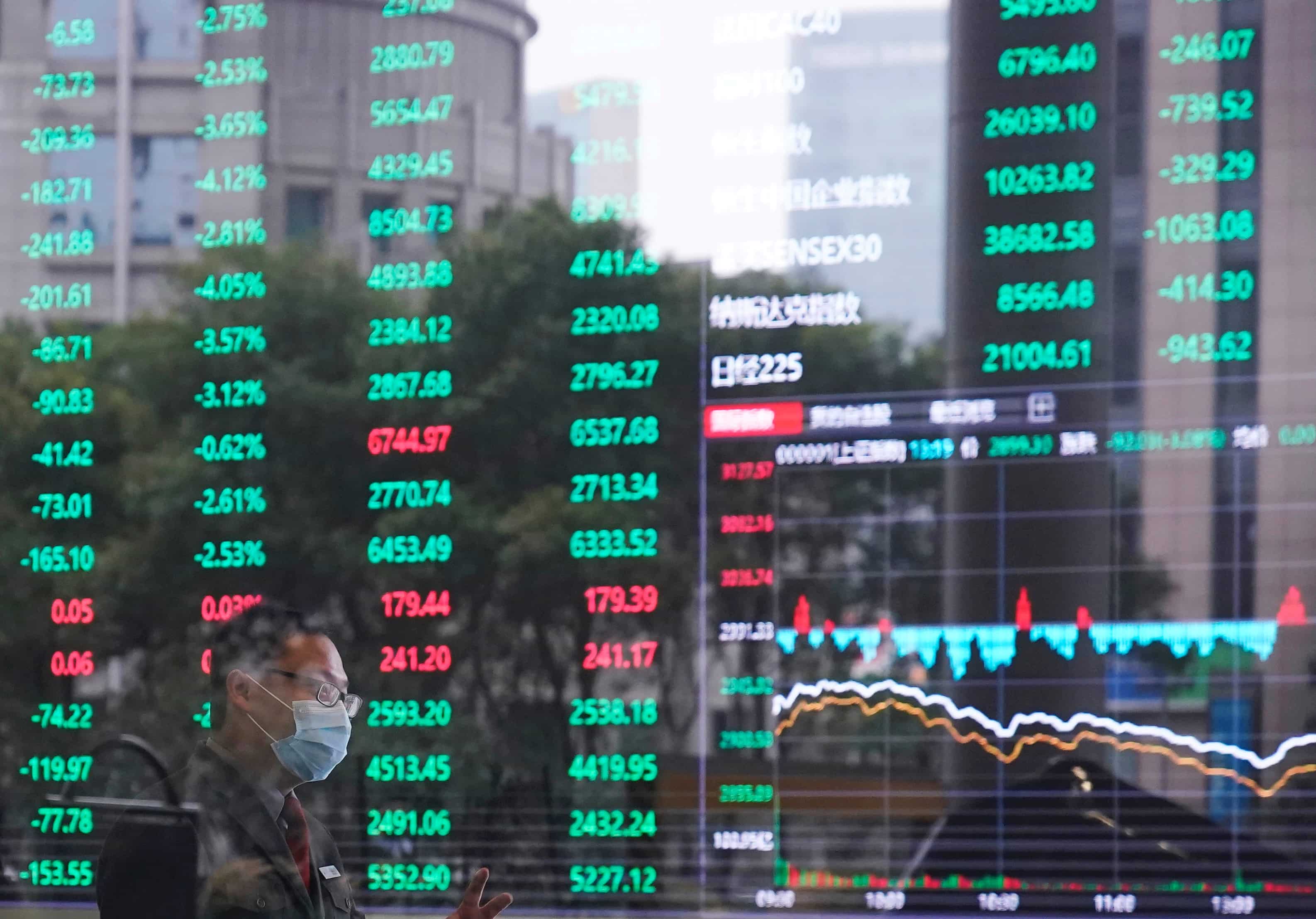
Global Economy
From policymakers to the general public, everyone is hoping for a stable and growing economy in 2024.
The world has been in bad shape since 2020. To begin with, Covid-19 pandemic-related restrictions disrupted day-to-day economic activity. Later, the Ukraine war disrupted global supply chains and impacted commodity prices.
The twin blows contributed to a slowdown in 2023, with the world economy expected to grow by just three per cent.

Global economic projections for 2024, too, are not rosy. Global growth is expected to slow to 2.9 per cent, as per the International Monetary Fund.
"The global economy continues to recover from the pandemic, Ukraine war and the cost-of-living crisis. In retrospect, the resilience has been remarkable. Even so, growth remains slow and uneven, with widening divergences," writes academician Pierre-Olivier Gourinchas in an IMF blog.
A lot would depend on these five factors since they could make-or-break the world economy.
&imwidth=180&imheight=135&format=webp&quality=medium)
Shreyas Iyer blames dew for West Indies' record run chase in 2nd T20I in Ranchi
&imwidth=180&imheight=135&format=webp&quality=medium)
100,000 strikes in 3 years: How October 7 redefined Israel's war
&im=FitAndFill=(700,400)&imwidth=180&imheight=135&format=webp&quality=medium)
Happy Birthday Rekha: Watch these 7 evergreen Bollywood hits on Netflix, Prime Video and more
&imwidth=180&imheight=135&format=webp&quality=medium)
'I am not going to be watching it': JD Vance on livestream of Nidal Hasan's firing squad execution
&imwidth=180&imheight=135&format=webp&quality=medium)
UK navy hit by espionage scandal: Sailor accused of spying for Russia | Gravitas
&imwidth=180&imheight=135&format=webp&quality=medium)
Katie Zacharia likely to succeed Karoline Leavitt as Trump's White House press secretary
&imwidth=180&imheight=135&format=webp&quality=medium)
Delhi on high alert for CJP protest: Delhi police to use body cams to 'prove whether we did anything’; Pink Force, RAF, 35,000 personnel deployed
&imwidth=180&imheight=135&format=webp&quality=medium)
‘Never-ending flow of cheap labour’: JD Vance hits back at Indian-origin Congresswoman over US green card curbs for major tech companies
&imwidth=180&imheight=135&format=webp&quality=medium)
Panama president declares ‘major disaster’ after powerful 7.7-magnitude earthquake; over 80 aftershocks recorded
&imwidth=180&imheight=135&format=webp&quality=medium)
‘250? Cool.’: Shai Hope takes swipe at Shubman Gill’s Instagram caption after Ranchi T20I masterclass
&imwidth=180&imheight=135&format=webp&quality=medium)
'Jantar Mantar not the story of India': BJP's Sambit Patra claims 'anarchists' tried to hold Delhi captive
&imwidth=180&imheight=135&format=webp&quality=medium)
BJP MP Ravi Shankar Prasad slams CJP protests, calls it 'shadow boxing for AAP'
&imwidth=180&imheight=135&format=webp&quality=medium)
'I ended 8 wars': Trump slams Nobel Peace prize decision, claims award was his due
&imwidth=180&imheight=135&format=webp&quality=medium)
Dhurandhar: The Revenge album submitted for Grammy consideration; But what does it mean?
&imwidth=180&imheight=135&format=webp&quality=medium)
J&K Government orders major police reshuffle, transfers 100 officers across UT
&imwidth=180&imheight=135&format=webp&quality=medium)
New York protests erupt as Trump administration defends ICE shooting
&imwidth=180&imheight=135&format=webp&quality=medium)
Delhi protest: Metro curbs, train cancellations, traffic diversions as protesters seek CEC Gyanesh Kumar’s resignation
&imwidth=180&imheight=135&format=webp&quality=medium)
'Spent Rs 2,000 cr to elect Trump': Elon Musk bought US President's loyalty by writing the biggest political cheque in human history
&imwidth=180&imheight=135&format=webp&quality=medium)
Powerful 7.7 magnitude earthquake strikes Panama, tsunami warning issued
&imwidth=180&imheight=135&format=webp&quality=medium)
Adéla gives KATSEYE’s Lara Raj and Megan Skendiel a shout-out at Fonda Theatre in LA
&imwidth=180&imheight=135&format=webp&quality=medium)
'Modi is a dictator': Abhijeet Dipke claims govt 'scared' of youth, slams stringent measures ahead of CJP Jantar Mantar protest
&im=FitAndFill=(700,400)&imwidth=180&imheight=135&format=webp&quality=medium)
New Friday OTT releases (October 9, 2026): Reporting Live, Animals, Take Charge of My Heart- 6 new titles coming on Netflix, JioHotstar and more
&imwidth=180&imheight=135&format=webp&quality=medium)
Two-thirds of competitive GOP candidates split with trump ahead of November midterms
&imwidth=180&imheight=135&format=webp&quality=medium)
'Ouch!!! That must hurt': Kangana Ranaut hails Kamal Haasan's sharp reply to Elon Musk over Starlink row
&imwidth=180&imheight=135&format=webp&quality=medium)
‘Right to protest must be protected, but...’: Delhi Police reveals why it denied CJP permission for October 10 Jantar Mantar protest
&imwidth=180&imheight=135&format=webp&quality=medium)
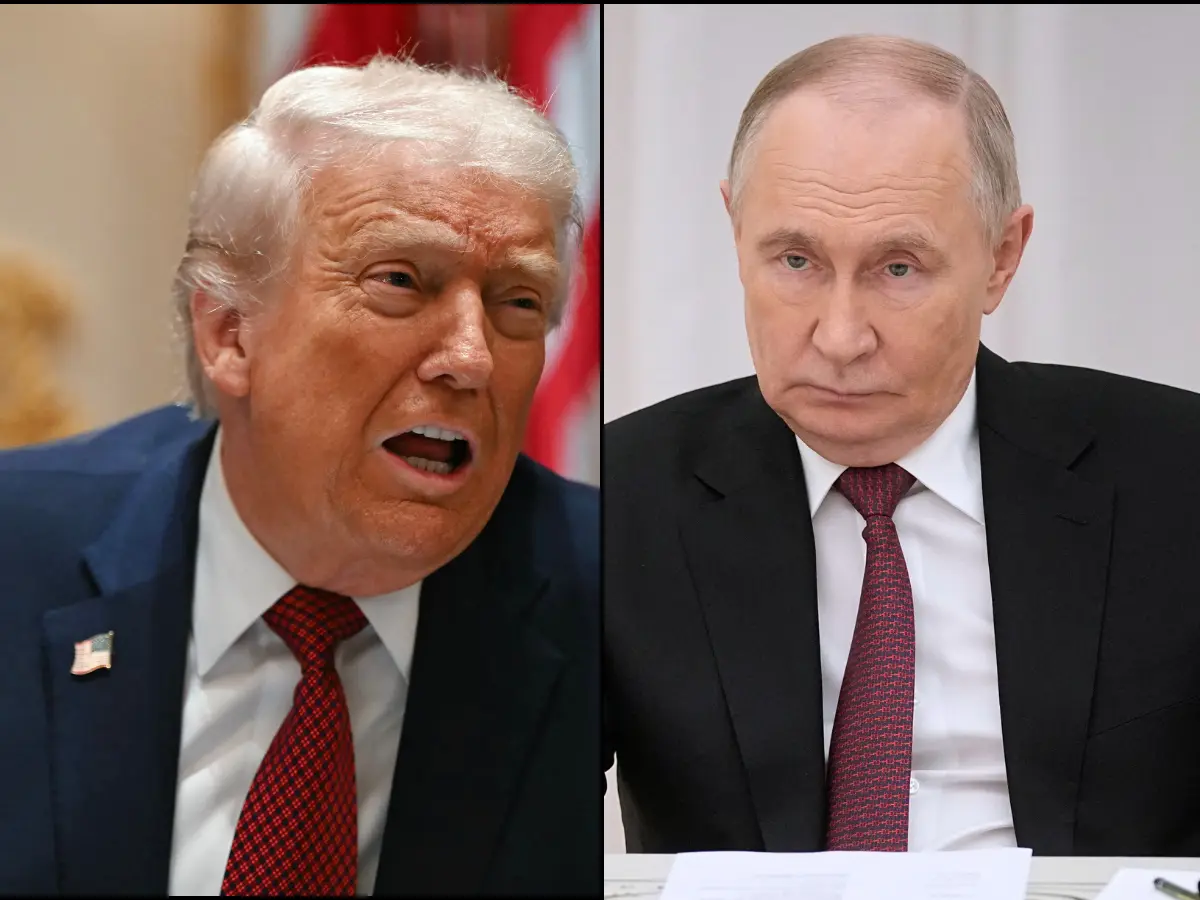
Trump announces Russian diesel deal as Zelensky criticises move
&imwidth=180&imheight=135&format=webp&quality=medium)
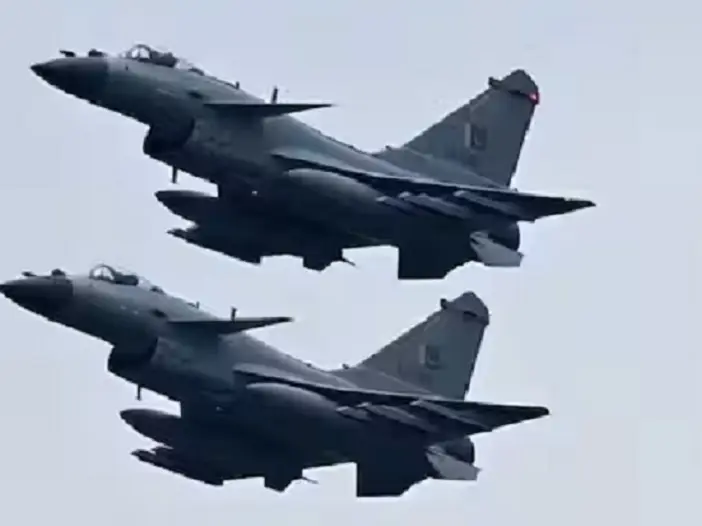
Pakistan denies reports of PAF jets being used in attacks against Iran-backed Houthis in Yemen
&imwidth=180&imheight=135&format=webp&quality=medium)
All 22 Indian seafarers safe in attack on Panama-flagged tanker off UAE coast
&imwidth=180&imheight=135&format=webp&quality=medium)
Ryan Reynolds’ private messages reveal his blunt views on Justin Baldoni from Blake Lively’s legal case
&im=FitAndFill=(700,400)&imwidth=180&imheight=135&format=webp&quality=medium)
Rakul Preet Singh birthday special: 7 times the Ramayana actress served glamorous looks

Kamal Haasan slams Elon Musk over Starlink delay row: 'Indian people, will decide our own future - not Western'
&im=FitAndFill=(700,400)&imwidth=180&imheight=135&format=webp&quality=medium)
Food shortages, suicide attempts and more: USS Abraham Lincoln returns to US after 321 day deployment — What happened aboard the US carrier?
&imwidth=180&imheight=135&format=webp&quality=medium)
Thai queen becomes first reigning monarch to fly jet solothailand #queen #wion
&imwidth=180&imheight=135&format=webp&quality=medium)
SC questions closure of 57 Delhi Metro stations, asks Centre to resume services in regulated manner
&imwidth=180&imheight=135&format=webp&quality=medium)
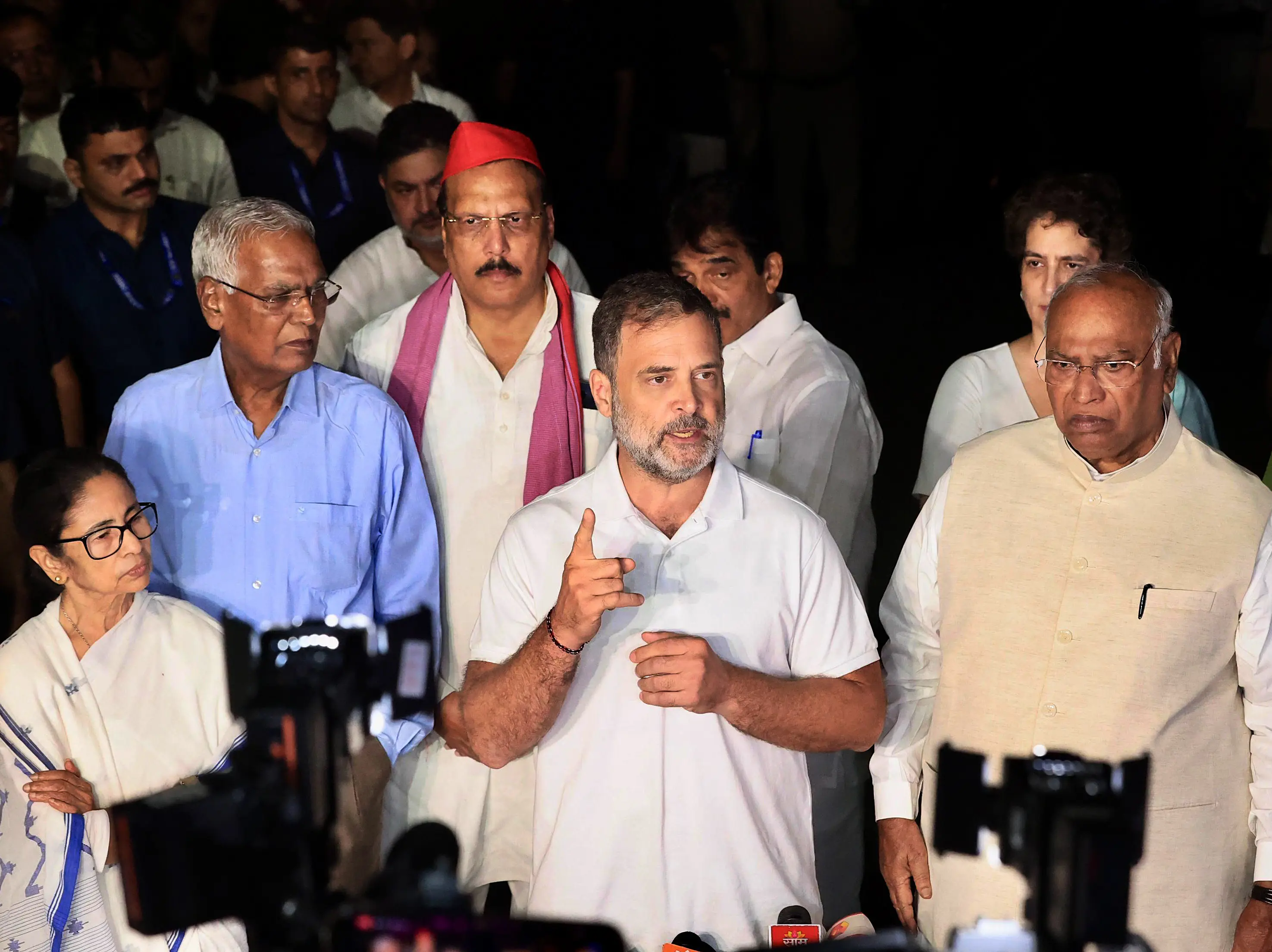
Rahul Gandhi calls Modi, Shah ‘cowards’ amid CJP protest crackdown in Delhi
&imwidth=180&imheight=135&format=webp&quality=medium)
Flydubai co-pilot developed extremist views while studying in Australia: UAE prosecutors
&imwidth=180&imheight=135&format=webp&quality=medium)
Why was CJP founder Abhijeet Dipke detained? What Delhi Police said
&imwidth=180&imheight=135&format=webp&quality=medium)
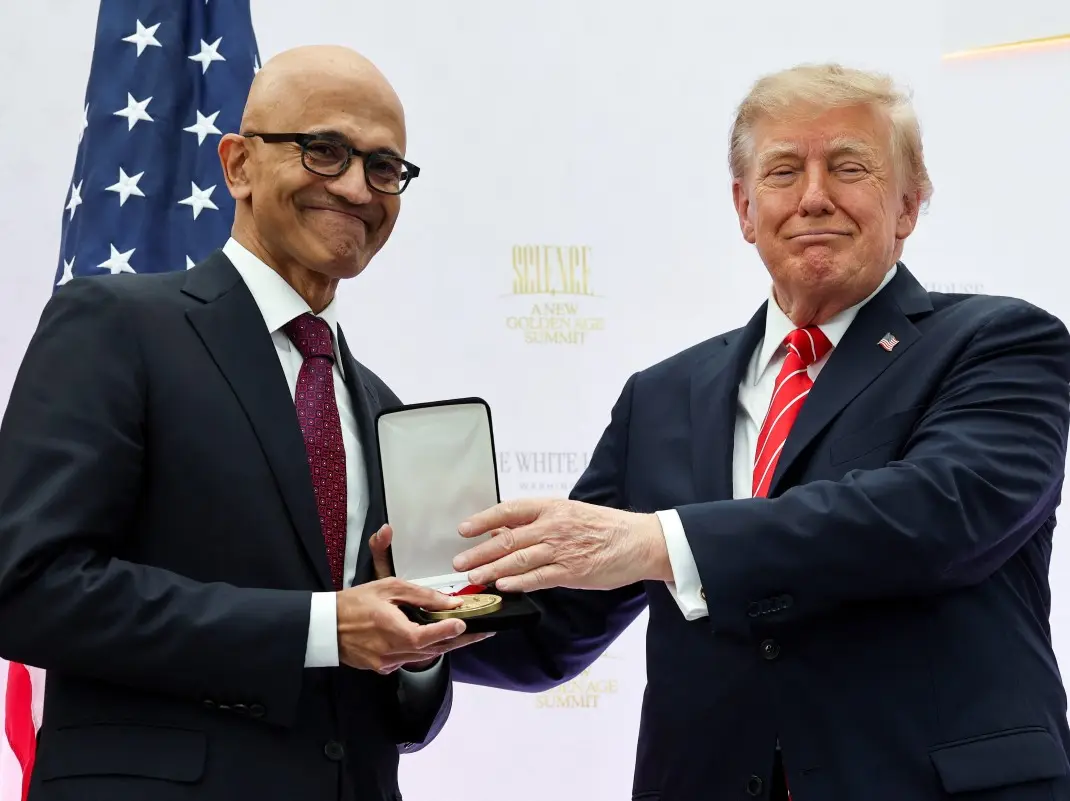
Trump honours Microsoft CEO Satya Nadella with top technology honour amid immigration scrutiny
1) Rate cuts by the Fed & other central banks
Everyone expects the US Fed to start cutting rates from April this year. The economy continues to grow, albeit at a slower pace, and inflation is closer to the Federal Reserve's 2 per cent target.
The US grew at 5.2 per cent in the July-September quarter - the fastest pace of expansion since the last three months of 2021. The annual inflation rate stood at 3.1 per cent at the end of November.
Many expect at least three rate cuts this year, with the monetary cycle likely to continue up to 2025-end. It is estimated that the Fed may go for at least a 2.5 per cent reduction in interest rates over the next 18-24 months.
The rate cuts are likely certain help the global economy, as spending and consumption will get a boost due to the easing monetary policy. This will also give thumbs up to other central banks to follow suit.
Apart from the US Fed, all eyes will be the actions taken by the European Central Bank, Bank of England, Bank of Japan and the Reserve Bank of India.
However, if inflation makes a comeback or tensions heighten in West Asia and East Asia, the US central bank may be forced to keep the rates steady or even raise them.
2) Geopolitical tensions
The Ukraine war, tensions in West Asia, and the growing rivalry between the US and China have had a significant impact on the global economy in recent years.
These geopolitical events have disrupted economic activities, threatening to fragment global trade into smaller blocks, hamper supply chains, and increase prices of essential commodities.
These tensions will spill over to 2024 too.
"The current conflicts (in Ukraine and West Asia) appear to be long term. At best, they could cause volatility in oil markets. At worst, they could fragment the economy and trade system further," a recent Deutsche Bank analysis reads.
The rivalry between the US and China will be closely watched. Already locked in a trade war since 2018, any further escalation between the two biggest economies could drag global growth and make the world a less integrated place — ‘de-globalised’ in other words.
Any drastic action across the Taiwan straits will have global ramifications, with a particular impact on the semiconductor industry and the ongoing artificial intelligence boom.
More so, a 'black swan' event like the Ukraine war will add to the uncertainties.
3) Recession in advanced countries
Slower economic growth raises the fear of a prolonged recession in 2024.
However, the US – the world’s largest economy – likely to skip recession this year, after defying the odds in 2023.
Though that’s the general consensus, but some outliers believe that unemployment may rise in 2024. This, they argue, will have a ripple effect on consumer spending, leading to a recession.
But the Euro Zone, struggling for a while now, is unlikely to get lucky. Factory output has been declining for over 18 months now. The 20-member currency union will not only enter 2024 in technical recession but there is also a high possibility of long-term trouble for the economy.
The IMF's anticipates a slight recovery in 2024. But a lot would depend on the fine balancing act of curbing inflation – still way above the central bank’s target – and fueling growth.
Any rise in inflation – largely energy-driven – will keep prices elevated and growth in the negative territory.
The worst hit will be the United Kingdom, whose economy is on the cusp of a recession after shrinking in 2023. In fact, the Bank of England has warned of recession around the time of elections, likely to be held in mid-2024. The country is likely to see zero growth this year, irrespective of recession.
4) Growing debt burden
The debt burden is likely to remain a big concern, especially in the developing world.
Debt servicing costs will rise by 39 per cent for the 24 poorest countries this year, as per The World Bank.
The poorest countries face a huge $3.5 trillion debt burden. In the absence of any resolution mechanism, they could default.
As per reports, these countries, often dubbed 'frontier markets', will have to repay about $200 billion of debt in 2024.
This, in the words of Indermit Gill, the World Bank Group’s Chief Economist, will force developing countries to choice between servicing their public debts and investing in public health, education, and infrastructure.
The focus will be on the World Bank, the International Monetary Fund & China – the biggest lenders. Any resolution to the debt crisis in 2024 will depend on these key players.
5) Elections around the world
Over half of humanity will go to polls, covering at least 40 countries. They represent half of the world’s Gross Domestic Product, raising the stakes for businesses.
India, the United States and the United Kingdom are among the major countries set to go to polls this year.
India is on track to be the third-biggest economy in the world and the markets are betting on Prime Minister Narendra Modi's third consecutiveterm.
In the US, a possible re-election of Donald Trump could push global trade – especially with China – into a tailspin.
Across the Atlantic, all eyes will be on the Labour party, which is tipped to win the UK elections amid the economic crisis.
Any expected or unexpected political changes will have economic implications for the world.