'Meme stock' GameStop's brave bid for ecommerce giant eBay is confusing many. How times have changed

&imwidth=600&imheight=450&format=webp&quality=medium "'Meme stock' GameStop's brave bid for ecommerce giant eBay is confusing many. How times have changed")
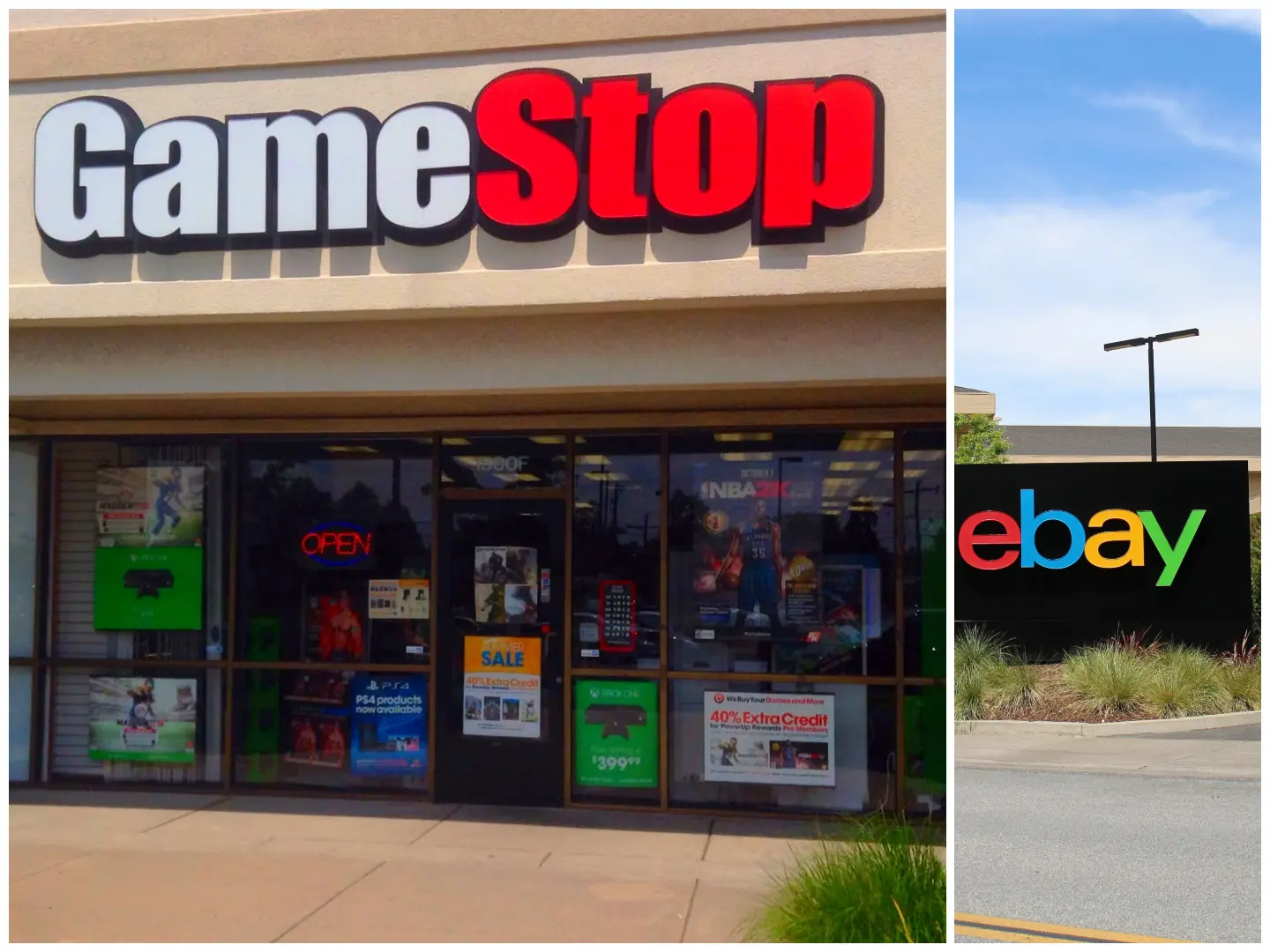
GameStop is bidding for eBay, five times its size Photograph: (Others)
GameStop’s bold bid to buy eBay marks the rise of a struggling video game retailer to a meme stock powerhouse. Recommerce giant eBay’s journey is almost the reverse, from pioneer to second-best as it lost ground to Amazon despite steady growth.
GameStop has made an audacious bid to buy legacy e-commerce giant eBay, several times its size in market cap. How did this brick-and-mortar retailer of video games become so big? Part of the story is about the Robin Hood image it got during the meme stock phenomenon. Here is the interesting story:
What is GameStop? A story from traditional retailer to meme stock
Until just a few years ago, GameStop was a declining retailer of new and used video games.
Its stores sold video games, consoles and accessories across America. In the heydays of video game popularity a decade ago, its revenues peaked. Since then, with digital downloads replacing traditional CDs and DVDs of games, profits declined, leading GameStop to shut down many stores. Its lowest moment was when it moved to selling collectibles, trading cards and toys.
But then came the 'meme stock' phenomenon of the post-pandemic era. In 2021, activist investor Ryan Cohen pushed for an e-commerce transformation of GameStop. Groups of small retail investors talked up the GameStop stock on various platforms, mainly on Reddit's r/WallStreetBets. This led to coordinated buying of the stock, causing it to surge over 1,500 per cent in weeks.
Many of the GameStop investors were not finance experts, but teens and gaming enthusiasts cooped up at home during Covid shutdowns, trying to make a quick buck. GameStop became the symbol of 'meme stocks', wherein retail investors were fighting Wall Street heavyweights. It even inspired the film Dumb Money.
Trending Stories
&imwidth=280&imheight=210&format=webp&quality=medium)
&imwidth=280&imheight=210&format=webp&quality=medium)
&imwidth=280&imheight=210&format=webp&quality=medium)
&imwidth=280&imheight=210&format=webp&quality=medium)
&imwidth=280&imheight=210&format=webp&quality=medium)
&imwidth=280&imheight=210&format=webp&quality=medium)
&imwidth=280&imheight=210&format=webp&quality=medium)
&imwidth=280&imheight=210&format=webp&quality=medium)
&imwidth=280&imheight=210&format=webp&quality=medium)
&imwidth=280&imheight=210&format=webp&quality=medium)
&imwidth=280&imheight=210&format=webp&quality=medium)
&imwidth=280&imheight=210&format=webp&quality=medium)
&imwidth=280&imheight=210&format=webp&quality=medium)
&imwidth=280&imheight=210&format=webp&quality=medium)
&imwidth=280&imheight=210&format=webp&quality=medium)
&imwidth=280&imheight=210&format=webp&quality=medium)
&imwidth=280&imheight=210&format=webp&quality=medium)
&imwidth=280&imheight=210&format=webp&quality=medium)
&imwidth=280&imheight=210&format=webp&quality=medium)
&imwidth=280&imheight=210&format=webp&quality=medium)
&imwidth=280&imheight=210&format=webp&quality=medium)
&imwidth=280&imheight=210&format=webp&quality=medium)
&imwidth=280&imheight=210&format=webp&quality=medium)
&im=FitAndFill=(700,400)&imwidth=280&imheight=210&format=webp&quality=medium)
&imwidth=280&imheight=210&format=webp&quality=medium)
&im=FitAndFill=(700,400)&imwidth=280&imheight=210&format=webp&quality=medium)
&imwidth=280&imheight=210&format=webp&quality=medium)
&imwidth=280&imheight=210&format=webp&quality=medium)
&imwidth=280&imheight=210&format=webp&quality=medium)
&imwidth=280&imheight=210&format=webp&quality=medium)
&imwidth=280&imheight=210&format=webp&quality=medium)
&imwidth=280&imheight=210&format=webp&quality=medium)
&imwidth=280&imheight=210&format=webp&quality=medium)
&imwidth=280&imheight=210&format=webp&quality=medium)
Cohen, the largest individual investor of GameStop, became its chairman in 2021 and CEO in 2023. During the peak of meme stock interest in GameStop, the company used share offerings, managing to eliminate most of its debt and amass cash. It also implemented cost-cutting measures to become profitable despite falling sales. By early 2026, GameStop had $9.4 billion in cash or liquid investments. It still had low revenue but reported positive net income of $418 million for the year ended 31 January, and nearly $4.2 billion in long-term convertible debt.
GameStop market cap gave it the courage to bid for eBay
Sitting on a market capitalisation of around $12 billion, GameStop made an unsolicited, non-binding bid to buy eBay at $125 a share this week. The planned acquisition is valued at around $56 billion, a 20 per cent premium on the eBay stock. The deal offered is 50 per cent in cash and 50 per cent in stock. It will use GameStop's existing cash reserves and a $20 billion financing commitment from TD Bank.
Cohen is trying to synergise GameStop's brick-and-mortar stores with eBay's online presence, while also envisaging cost cuts of $2 billion a year. The plan is to develop a rival to Amazon in the collectibles and recommerce space.
But Does GameStop have the moolah to take on eBay? It's a trick question. GameStop's revenue of $3.63 billion is down 5 per cent year on year, but it is still profitable with a strong balance sheet for a company of its size.
From pioneer to also-ran: How eBay went from first e-commerce giant to acquisition target
Founded in 1995 by Pierre Omidyar, eBay pioneered consumer-to-consumer e-commerce and popularised online auctions and marketplaces, before Amazon became the giant in this space. Omidyar famously sold a broken laser pointer as the first transaction on the site.
In the late 1990s and early 2000s, eBay experienced phenomenal growth and listed on stock exchanges in 1998. It acquired other firms like PayPal and Skype. But over the years, eBay lost ground to Amazon, whose seamless shopping experience proved far superior.
In 2015, it spun off PayPal and sold StubHub to focus on its core marketplace. It still grew in collectibles, recommerce, advertising, and international markets, but continued to be a slow-growing business.
Interestingly, eBay is still a far bigger company than GameStop. Its FY2025 revenue was approximately $11.1 billion, up 8 per cent. Its Gross Merchandise Value (GMV) stands at $79.6 billion. eBay had a strong first quarter in 2026, with revenue of $3.1 billion, up 19 per cent, and net income of $512 million.
The market capitalisation of eBay is far higher than GameStop's, at around $46 billion. While eBay is still profitable with solid margins, its growth is modest relative to its peak innovation years.
The enthusiasm for GameStop acquiring eBay comes mainly from the hope that eBay can be better than it is today. It is seen as undervalued or under-optimised. It still has a valuable brand, user base, and GMV, but faces competitive pressures from the likes of Amazon.
How times have changed. What GameStop bid for eBay means
In a way, GameStop's bid for eBay—successful or not—is an inflection point in internet history. A brick-and-mortar company that was helped by retail investors during the Covid-era meme stock boom is trying to buy a pioneer of the Web 1 era. Can things get more ironic than that?
For all practical purposes, this bid might still not work out due to the size difference between the companies and questions around financing as well as regulatory hurdles. But it is definitely a reflection of the interesting times we live in.