'Build a global order where trade is fair': Nirmala Sitharaman lauds India's resilience

&imwidth=600&imheight=450&format=webp&quality=medium "'Build a global order where trade is fair': Nirmala Sitharaman lauds India's resilience")
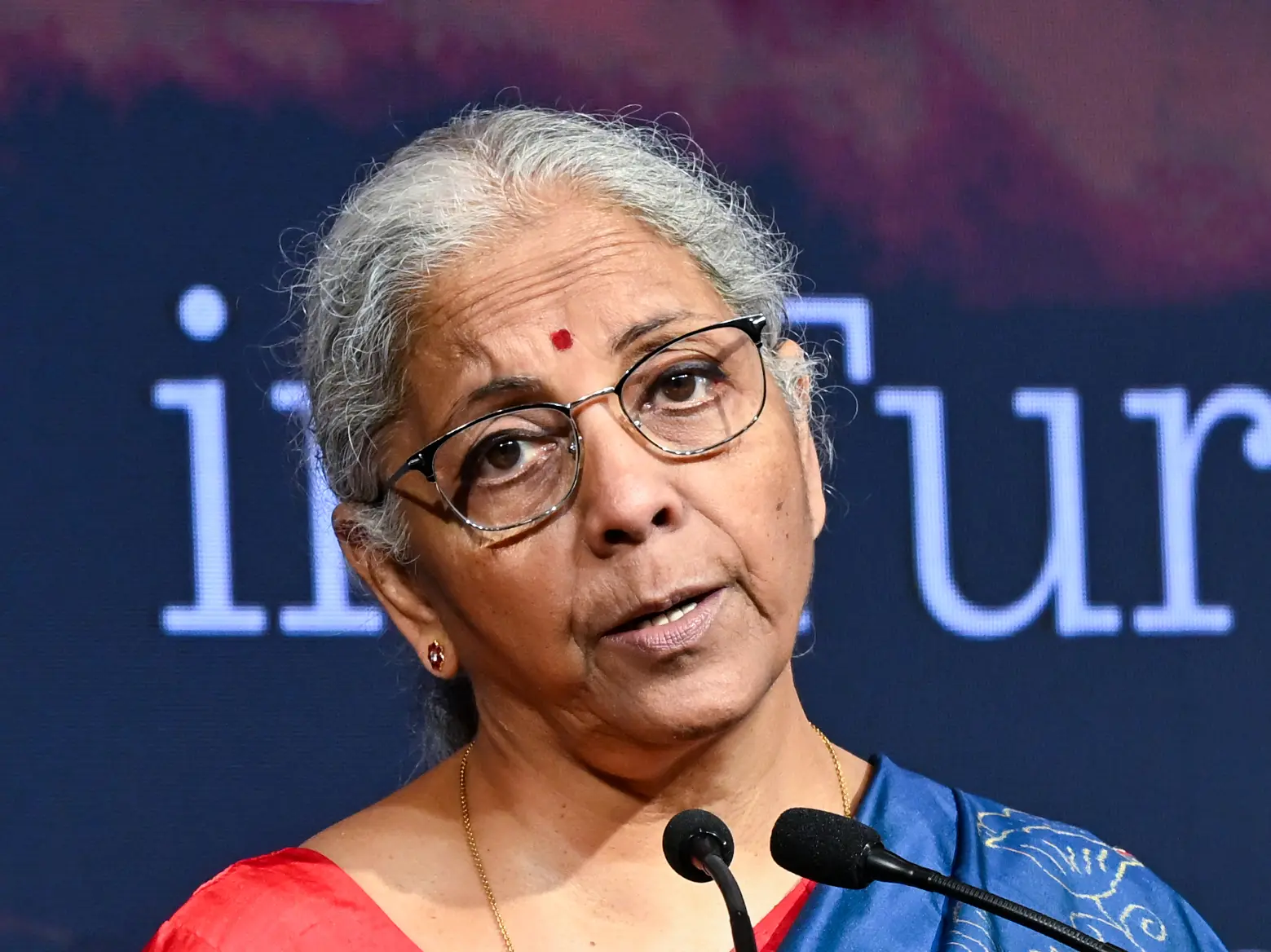
Union Finance Minister Nirmala Sitharaman speaks during the inauguration of the 4th edition of the Kautilya Economic Conclave. Photograph: (ANI)
Nirmala Sitharaman noted that the foundations of the global order are undergoing a structural transformation.
In her inaugural address at the Kautilya Economic Conclave, Finance Minister Nirmala Sitharaman said on Friday that India plays the role of a stabilizing force in the global economy. She also cautioned the masses against the risks of imbalances and volatility.
Nirmala Sitharaman noted that the foundations of the global order are undergoing a structural transformation. She said geopolitical shifts are reshaping trade flows, alliances, and financial systems. She called the present era "turbulent".
"The international order is morphing. Trade flows are being reshaped, alliances are being tested, investments are being rerouted along geopolitical lines, and shared commitments are being re-examined," Nirmala Sitharaman said.
She stated that the global dominance of one power has given way to contestation and that Asian nations have been asserting alternative models of growth and governance.
"What we face is not a temporary disruption but a structural transformation. The question is: What lies on the other side of this transformation? What will the new equilibrium look like? Who will shape it, and on what terms?" the minister said.
She said India's growth is anchored in domestic factors, which help the country minimise external shocks.
Trending Stories
)
)
)
)
)
)
)
)
)
)
)
)
)
)
)
)
)
)
)
)
)
&im=FitAndFill=(700,400))
)
)
)
)
)
)
)
)
)
)
)
)
)
)
)
She said that India must strive to figure out how it can “build a global order where trade is fair, finance serves productive ends, energy is both affordable and sustainable, and climate action aligns with development imperatives.”
She said that India's capacity to absorb shocks is strong, and the nation's economic leverage is evolving.
"Our choices will determine whether resilience becomes a foundation for leadership or merely a buffer against uncertainty," she added.
She also called on developing nations to actively participate in shaping global outcomes.
"We cannot afford to be passive spectators in a world where decisions elsewhere determine our destinies. We must be active participants, shaping outcomes where possible and preserving autonomy where necessary," the minister noted.