Global Markets: Asian shares post modest gains, trade fears hamper China


Global Markets
European shares are expected to be firm, with spread-betters looking at flat to higher openings of 0.3 per cent in Britain's FTSE, France's CAC and Germany's DAX
Asian stocks edged higher on Friday on signs of rapprochement between the United States and Europe over trade issues and the yuan staunched losses on buying by Chinese state banks, though concerns about the Sino-UStariff dispute tempered overall optimism.
European shares are expected to be firm, with spread-betters looking at flat to higher openings of 0.3 per cent in Britain's FTSE, France's CAC and Germany's DAX.
MSCI's broadest index of Asia-Pacific shares outside Japan ticked up 0.3 per cent, though Chinese shares underperformed with the CSI300 in the red for most of the day.

"Markets are worried that the Chinese economy will slow as trade frictions with the USintensify. We think if the USslaps additional tariffs on $200 billion goods from China, that would shave off China's growth by 0.5 percentage point," said Shuji Shirota, head of macroeconomic strategy at HSBC in Tokyo.
Japan's Nikkei eked out a 0.1 per cent gain though it was capped by worries that the Bank of Japan could scale down its asset purchase at its upcoming policy review next week.
MSCI's gauge of stocks across the globe, ACWI, was up 0.05 per cent after hitting four-month highs on Thursday, when European car maker shares gaining 2.6 per cent after the European Union and the United States agreed to negotiate on trade, easing fears of a Transatlantic trade war.
&im=FitAndFill=(700,400))
National Handloom Day 2026: From Alia Bhatt to Samantha Ruth Prabhu; Actresses who celebrated India's textile heritage as brides
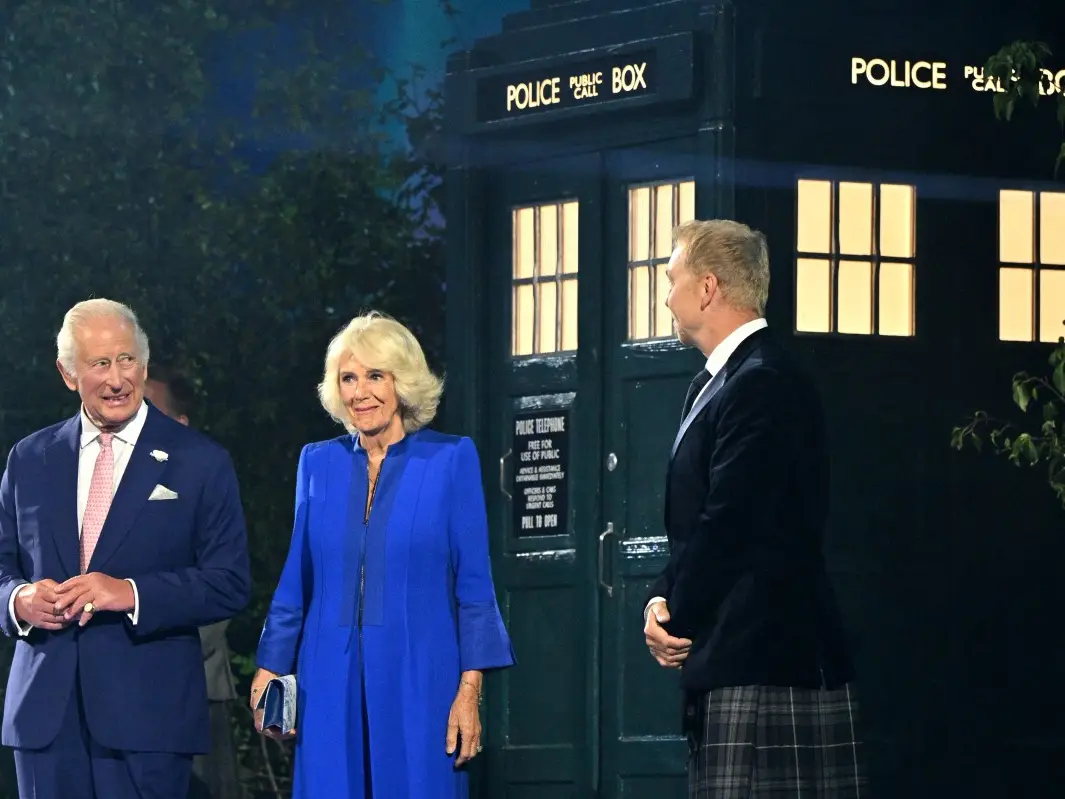)
The Royals enter the Doctor Who universe: King Charles and Queen Camilla beam into Commonwealth Games in TARDIS
)
Unitree Robotics targets $9 billion valuation in landmark IPO backed by DeepSeek and Tencent
)
India names 27 sites in Arunachal Pradesh
)
Bharat Bhhagya Viddhaata OTT: When will Kangana Ranaut's film stream online?
&im=FitAndFill=(700,400))
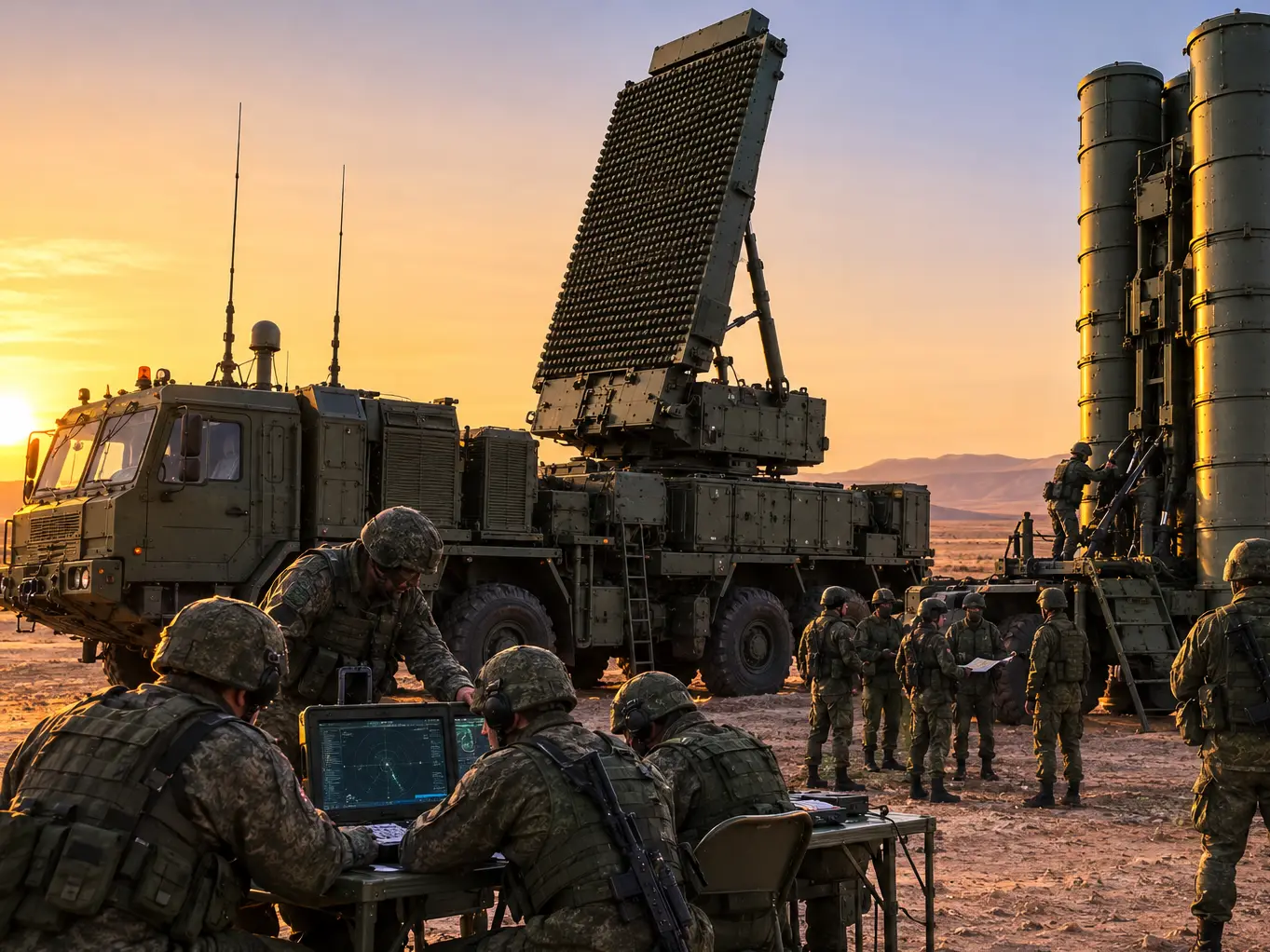
How many soldiers operate one S-400 battery?
)
Shakib Al Hasan ready to return to Bangladesh—under one condition
)
‘Fake news’: MEA rejects report claiming India sought defence pact with Israel after Pakistan, Saudi Arabia, Turkey deal
)
Rockstar to unveil GTA 6 extended look ahead of November launch
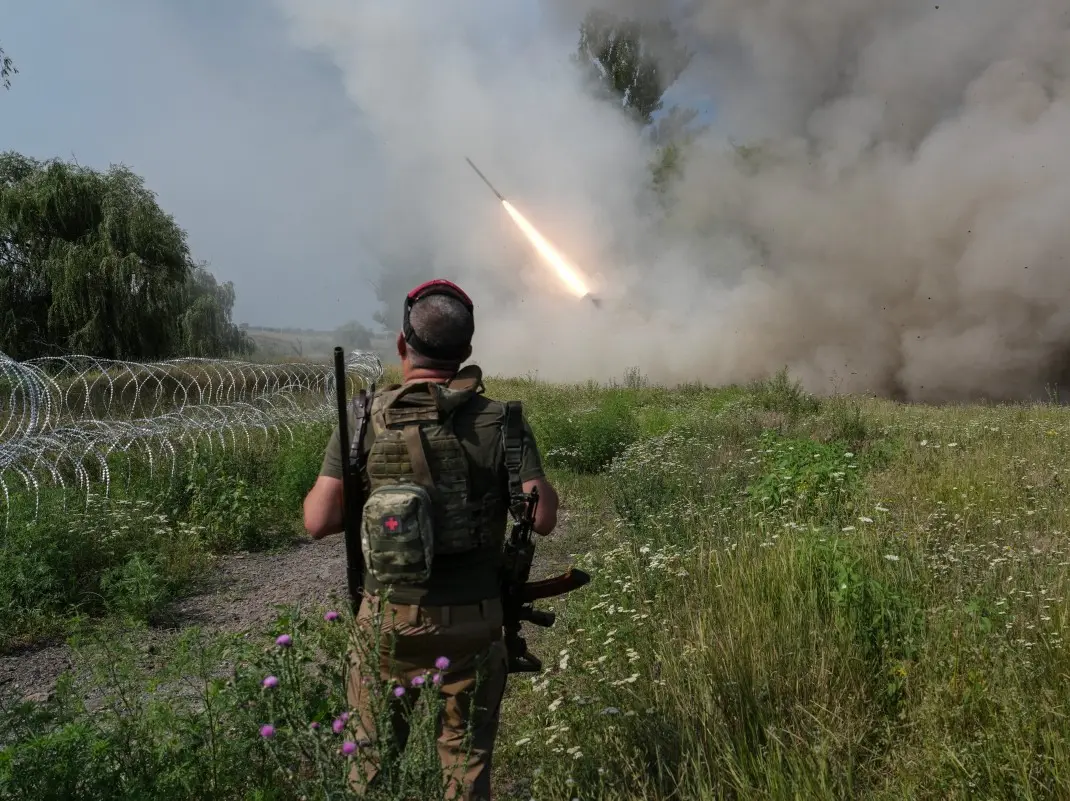)
Russia forms Ukrainian Volunteer Spetsnaz Brigade to fight Ukraine
)
Drug-resistant fungus that hides in hair and enters bloodstream reported in 23 US states
)
Technology transfer deal boosts India's defence manufacturing ambitions
)
Border row erupts in Europe after Ceuta crossings, Spain imposes border controls on Italy
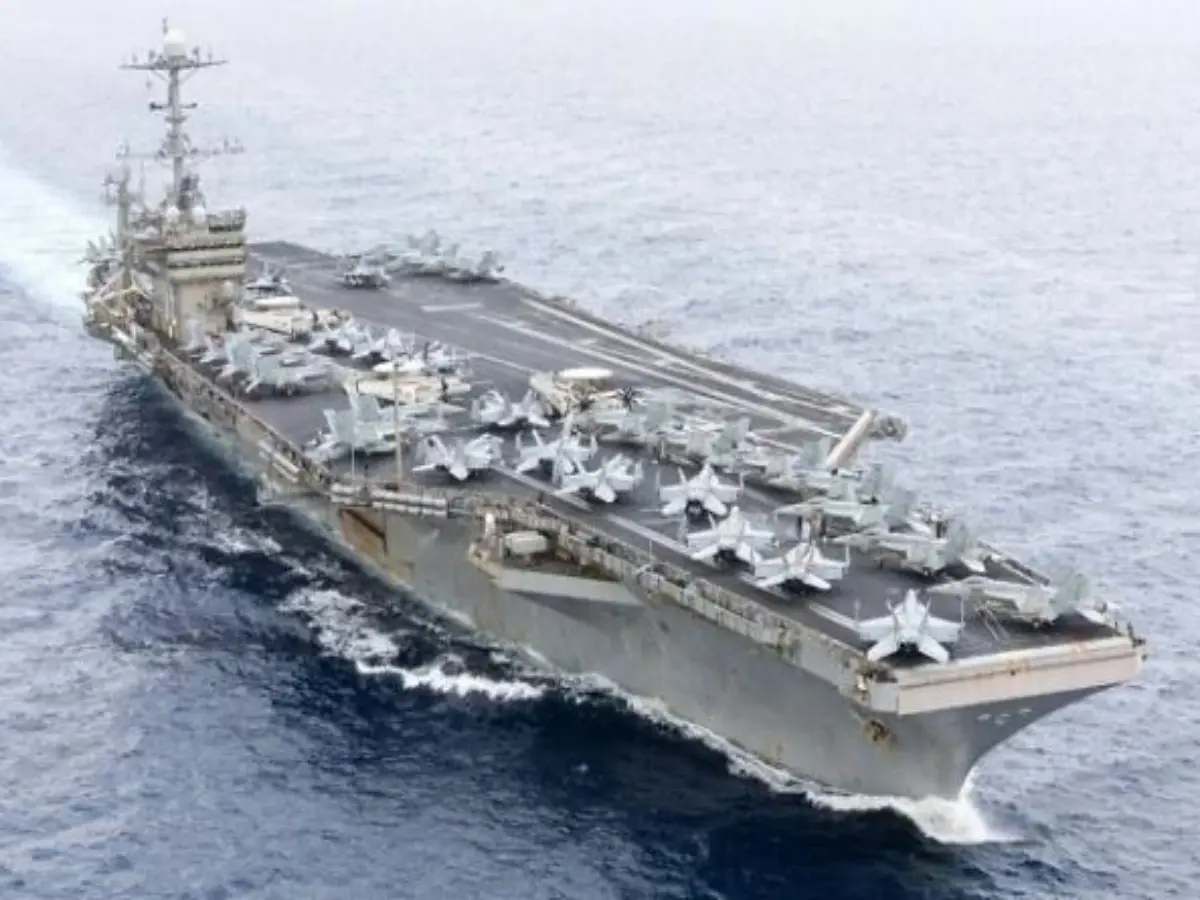)
Morale plummets on USS Abraham Lincoln: Are US sailors reaching a breaking point? | GRAVITAS
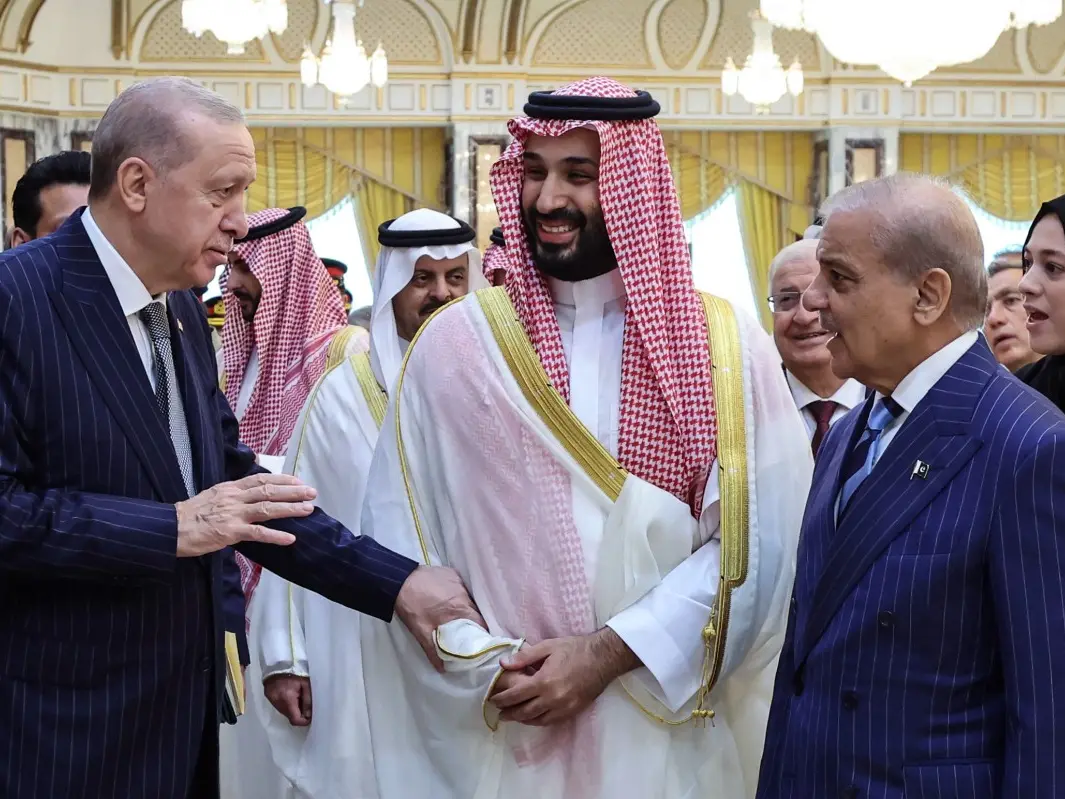)
'Security can't be bought with Pakistan, Turkey deal': Iran tells Saudi Arabia
)
Baba Vanga's 2026 prophecy: 2 predictions 'already came true', 3 terrifying ones remain. Details inside
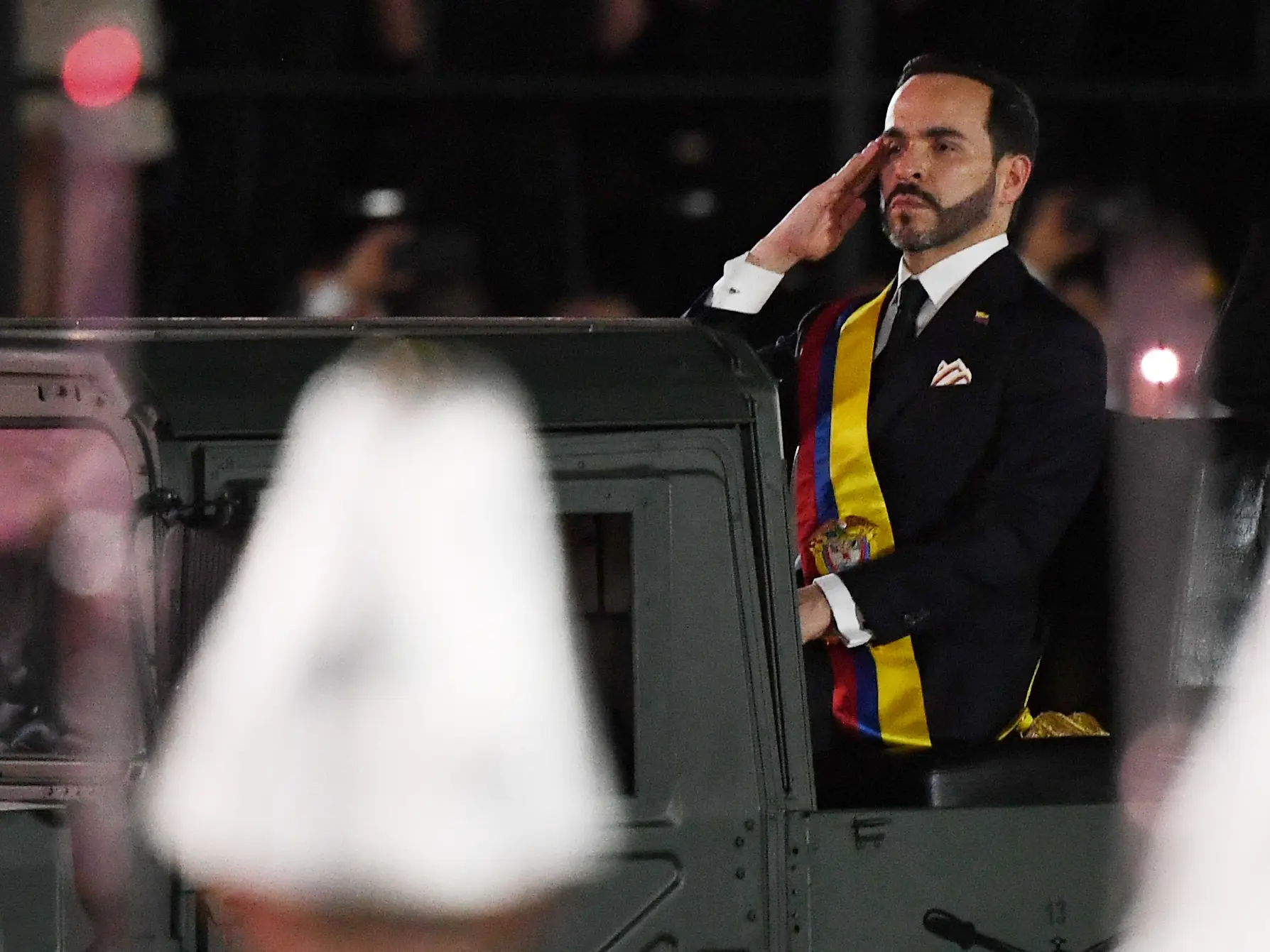)
Colombia’s new president Abelardo de la Espriella vows to ‘defeat narco-terrorists’, signals hardline shift
&im=FitAndFill=(700,400))
New Friday OTT releases (August 7, 2026): Operation Safed Sagar, Vadhandhi, Main Vaapis Aaunga- 6 movies and TV shows on Netflix, Prime Video and more
)
Squadron Leader Bhawana Kanth scripts history as Indian Air Force gets its first woman ‘Top Gun’ pilot
)
RSS says Gen Z protests reflect genuine distress
)
Trump says Iranian school bombing photos could be AI-generated - 'I don’t think...'
)
IAF officer held for sharing sensitive information in 'honey trap' case, booked under Official Secrets Act
)
Stray Kids under scrutiny? Fans react to Grammy submission silence after BTS boycott
&im=FitAndFill=(700,400))
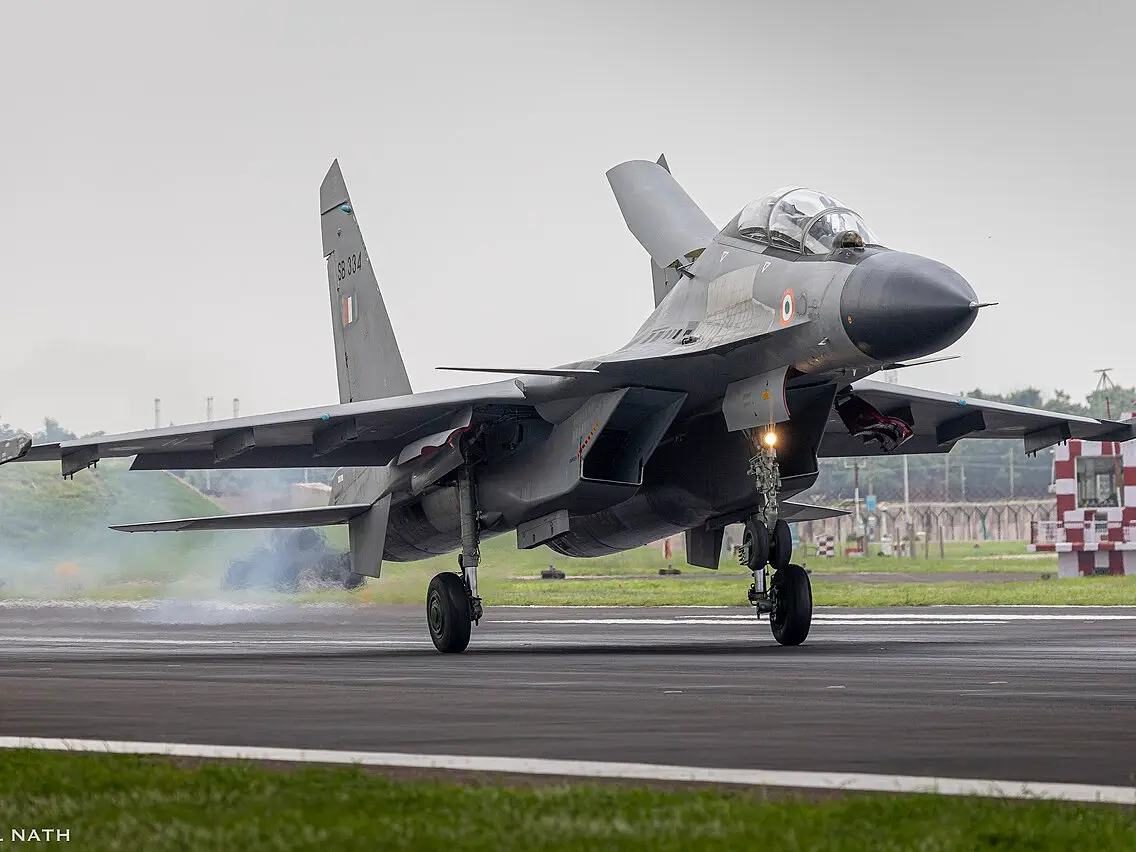
Why the Su-30MKI doesn't need external fuel tanks to fly vast distances
)
Jugal Hansraj reunites with Shekhar Kapur after 40 years for Masoom: The Next Generation
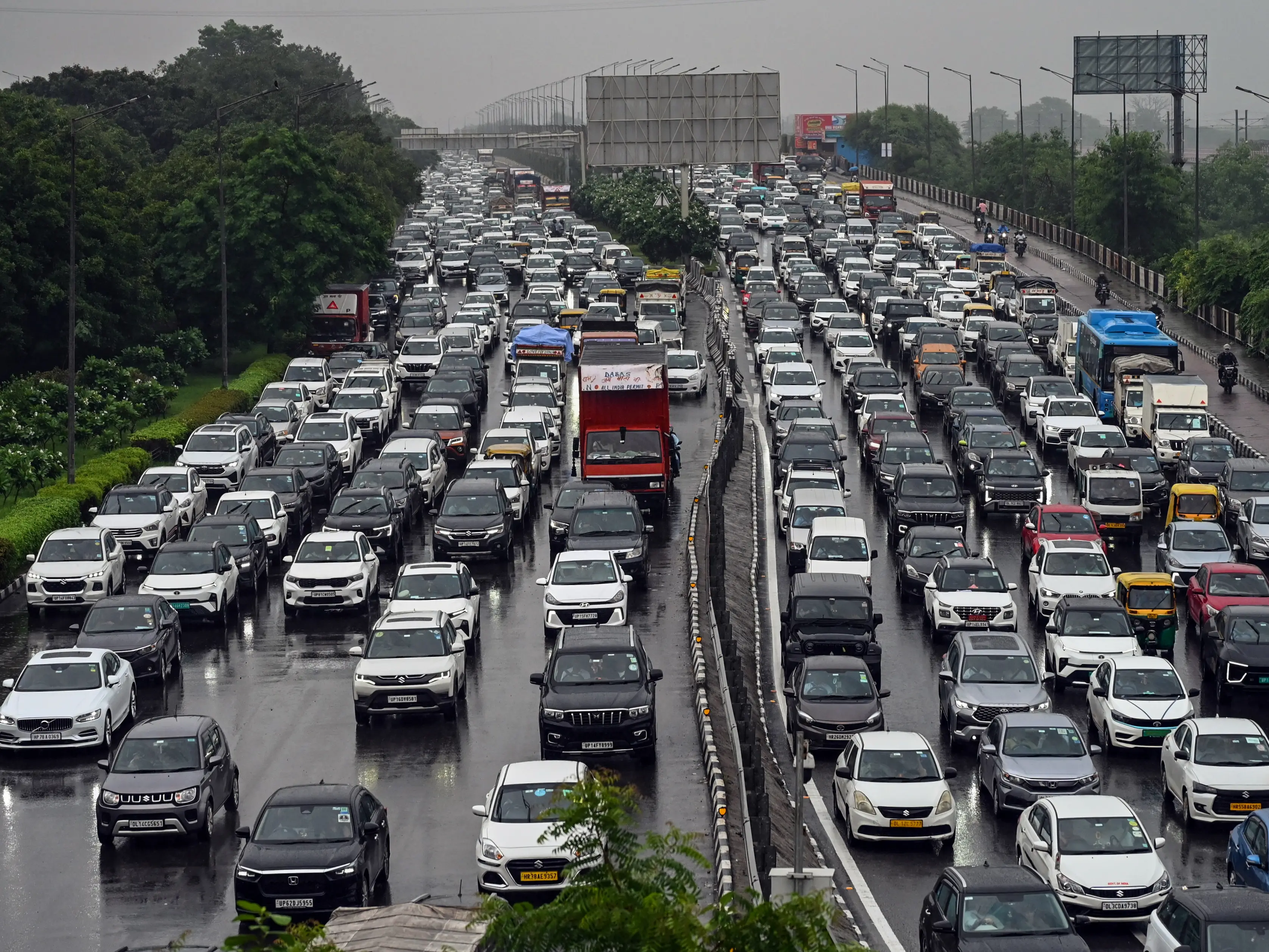)
New speed limits, automatic challans: Big traffic change coming to Delhi-Meerut Expressway. All you need to know
)
India officially names 27 places in Arunachal to counter China's renaming claims
)
Trump calls White House ballroom ruling a 'national disgrace' as court says Congress approval needed
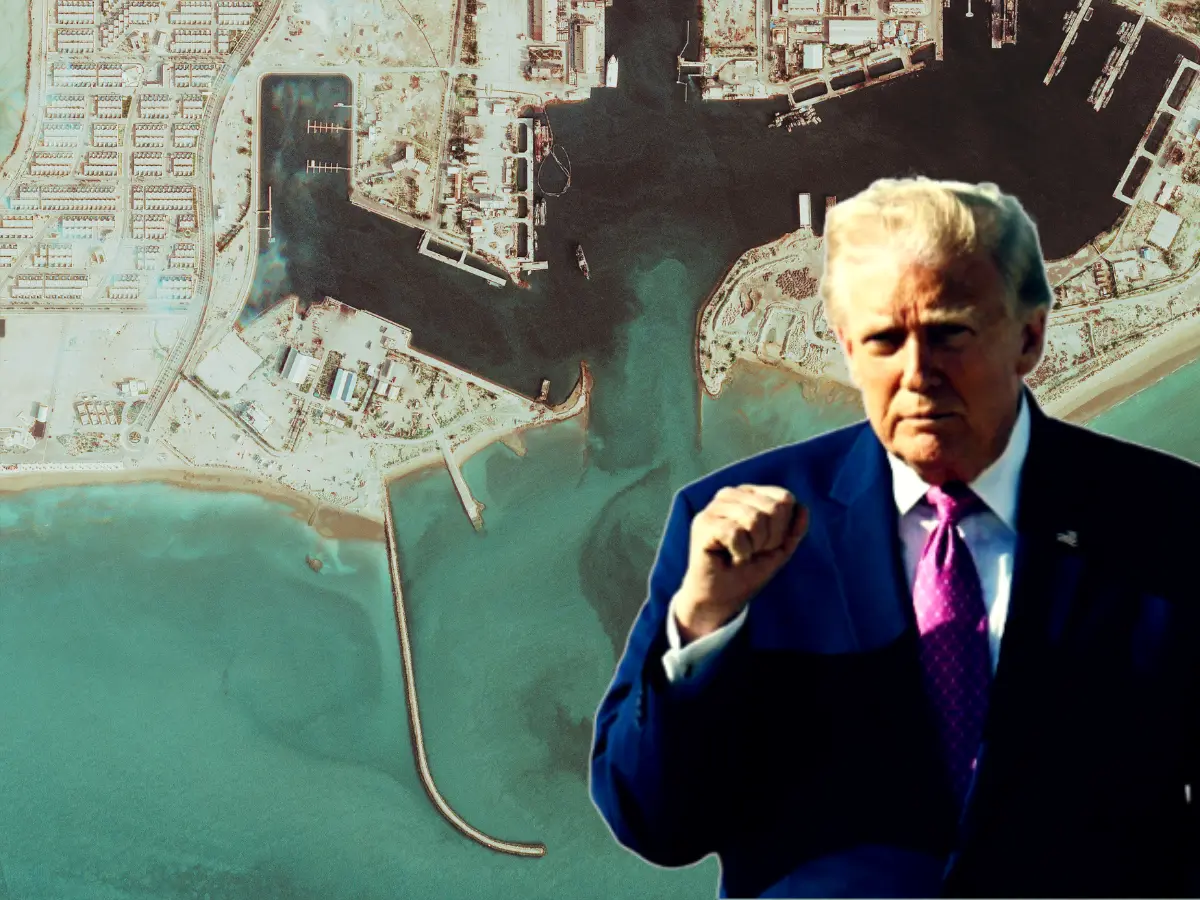)
US sanctions Iran’s crypto network after Strait of Hormuz attacks, offers $15m bounty for intel on IRGC finance
&im=FitAndFill=(700,400))
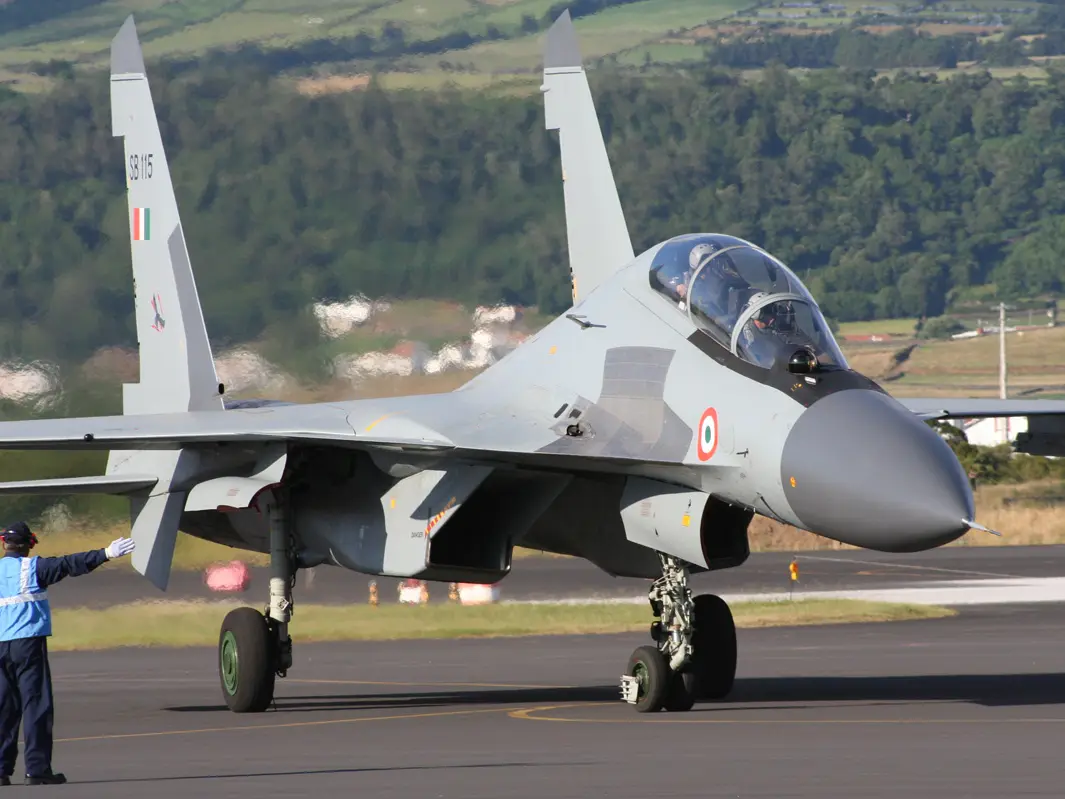
Why the Su-30MKI is one of the heaviest fighters ever built
)
Uttarakhand young innovator builds India's own flying vehicle, conducts first test flight: WATCH
)
Chilling video shows students take cover as teen opens fire at Thai school
)
Reese Witherspoon's father hospitalised after poolside incident in Nashville: Report
USindustrial shares also made gains, rising 0.8 per cent though the S&P 500 Index dipped 0.30 per cent on Thursday, due to a 19 per cent dive in Facebook on its earnings showing slowing usage.
While that pushed down the Nasdaq Composite 1.01 per cent, other UStech firms held firm, with Amazon.com shares gaining 3.2 per cent in after-market hours following its stellar earnings.
The 10-year USTreasuries yield edged up to 2.9840 per cent, its highest level in 1-1/2 months, on receding worries about trade tensions.
Yet Asian shares were more subdued as a heated trade dispute between Washington and Beijing have shown few signs of abating.
"Now that Washington does not need to use its energy to fight with Europe, it could increase pressure on China," said Nobuhiko Kuramochi, chief strategist at Mizuho Securities.
So far this month, MSCI China A shares have fallen 2.6 per cent, taking the biggest hit from USPresident Donald Trump's threats on tariffs and other issues among major markets, compared to 3.3 per cent gains in MSCI ACWI.
The Chinese yuan eased, on course to mark its seventh week of losses, although the losses were cushioned by Chinese state banks' swapping of dollars for yuan in the forward market. Traders suspected they had also been selling spot dollars.
The onshore yuan traded at 6.8065 per dollar, near Tuesday's 13-month low of 6.8295.
The Thomson Reuters/HKEX Global CNH index, which tracks the offshore yuan against a basket of currencies on a daily basis, fell to its lowest levels since May last year, having fallen 5.2 per cent from a two-year high hit in mid-May.
The euro traded little changed at $1.1647, having fallen 0.73 per cent on Thursday after the European Central Bank signalled no change in its timetable to move away from ultra-low rates or end its bond purchase program.
The dollar slipped 0.1 per cent to 110.98 yen as the yen got a lift from rising in Japanese bond yields. The 10-year government bond yield hit a one-year high of 0.105 per cent.
In commodities, oil prices extended their recovery, after Saudi Arabia suspended oil shipments through a strait in the Red Sea following an attack on two oil tankers.
Brent crude futures traded flat at $74.52 per barrel, having gained 2.0 per cent so far this week.