Petrol prices go up again, Congress calls for Bharat Bandh on Monday

Petrol
Petrol prices crossed the Rs 80 mark in Delhi on Saturday. Opposition parties have called for a nationwide strike on Monday
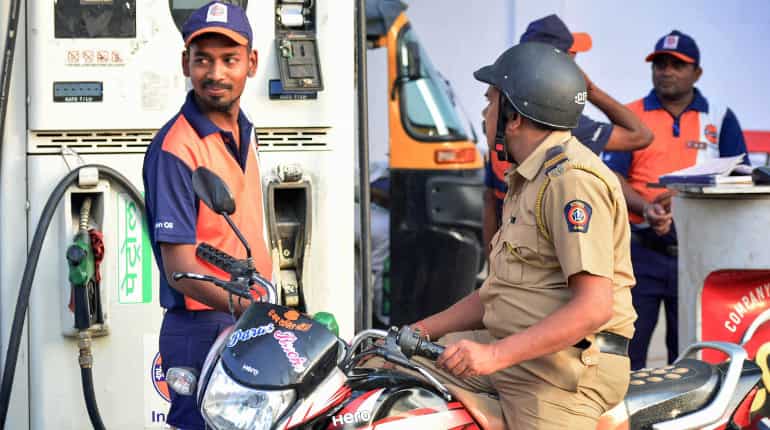
Fuel prices continued to go up on Sunday. After crossing the Rs 80 mark in Delhi on Saturday, petrol prices went up 12 paise a litre on Sunday.
Petrol was on Sunday selling at Rs Rs 80.50 a litre in Delhi, while diesel was selling at Rs 72.61a litre.
In Mumbai, a litre of petrol was selling at Rs.87.89 while diesel was selling at Rs 77.09 a litre.

The price of petrol was on Saturday raised by 39 paise a litre and diesel by 44 paise per litre, according to the notification.
Petrol and diesel prices are revised daily by state-run oil firms at 6 am. Fuel prices in Delhi are the cheapest among all metros and most state capitals due to lower taxes. Mumbai has the highest tax rates among metros.
The Congress has called for a Bharat Bandhon Monday over the high taxes imposed by the government on fuel prices.
&im=FitAndFill=(700,400))
National Handloom Day 2026: From Alia Bhatt to Samantha Ruth Prabhu; Actresses who celebrated India's textile heritage as brides
)
The Royals enter the Doctor Who universe: King Charles and Queen Camilla beam into Commonwealth Games in TARDIS
)
Unitree Robotics targets $9 billion valuation in landmark IPO backed by DeepSeek and Tencent
)
India names 27 sites in Arunachal Pradesh
)
Bharat Bhhagya Viddhaata OTT: When will Kangana Ranaut's film stream online?
&im=FitAndFill=(700,400))
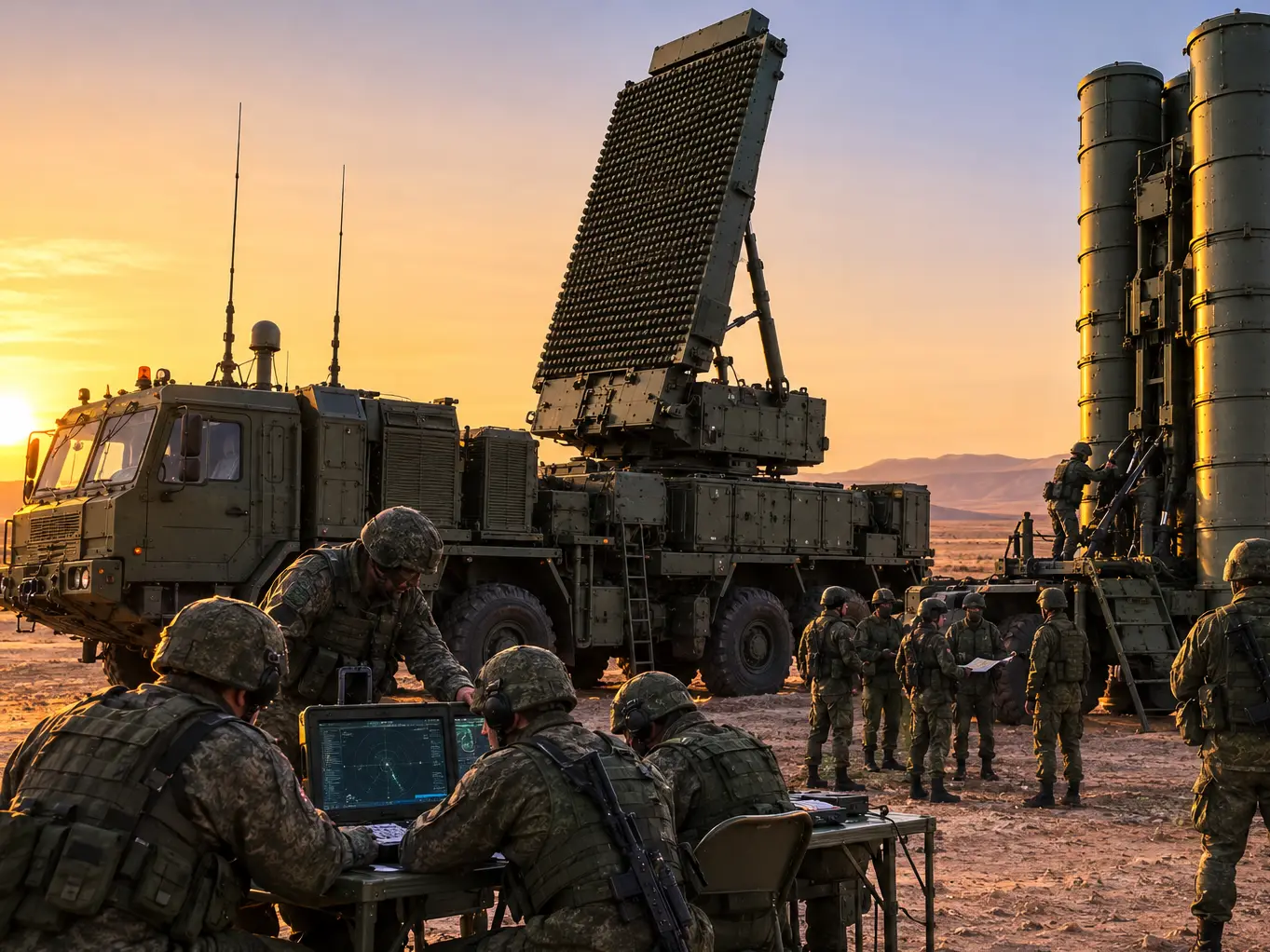
How many soldiers operate one S-400 battery?
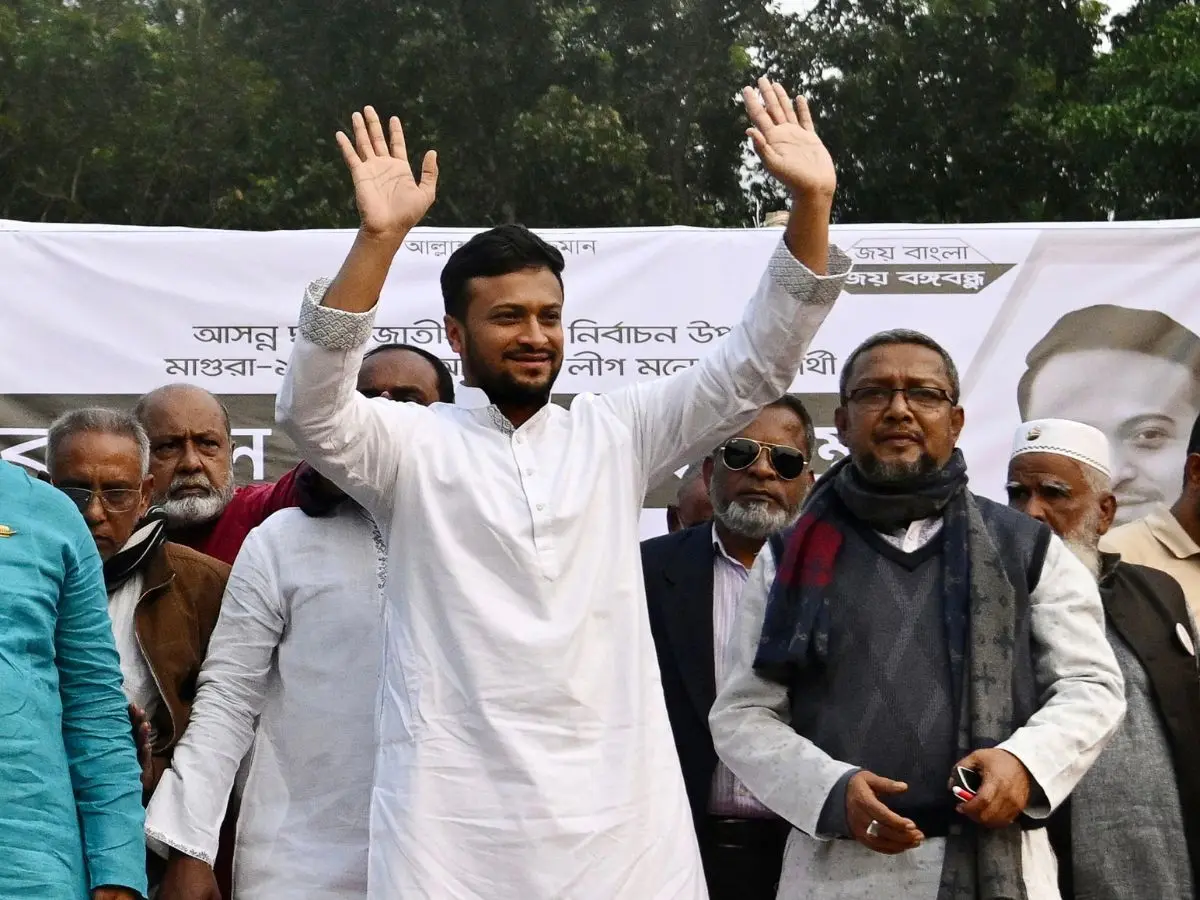)
Shakib Al Hasan ready to return to Bangladesh—under one condition
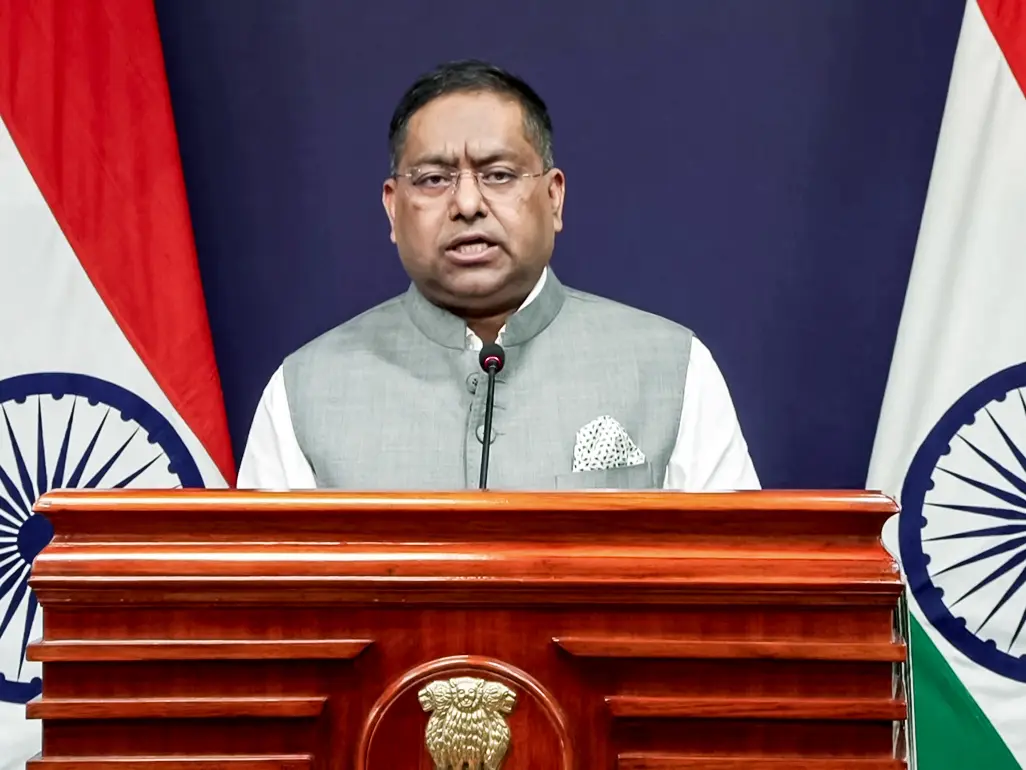)
‘Fake news’: MEA rejects report claiming India sought defence pact with Israel after Pakistan, Saudi Arabia, Turkey deal
)
Rockstar to unveil GTA 6 extended look ahead of November launch
)
Russia forms Ukrainian Volunteer Spetsnaz Brigade to fight Ukraine
)
Drug-resistant fungus that hides in hair and enters bloodstream reported in 23 US states
)
Technology transfer deal boosts India's defence manufacturing ambitions
)
Border row erupts in Europe after Ceuta crossings, Spain imposes border controls on Italy
)
Morale plummets on USS Abraham Lincoln: Are US sailors reaching a breaking point? | GRAVITAS
)
'Security can't be bought with Pakistan, Turkey deal': Iran tells Saudi Arabia
)
Baba Vanga's 2026 prophecy: 2 predictions 'already came true', 3 terrifying ones remain. Details inside
)
Colombia’s new president Abelardo de la Espriella vows to ‘defeat narco-terrorists’, signals hardline shift
&im=FitAndFill=(700,400))
New Friday OTT releases (August 7, 2026): Operation Safed Sagar, Vadhandhi, Main Vaapis Aaunga- 6 movies and TV shows on Netflix, Prime Video and more
)
Squadron Leader Bhawana Kanth scripts history as Indian Air Force gets its first woman ‘Top Gun’ pilot
)
RSS says Gen Z protests reflect genuine distress
)
Trump says Iranian school bombing photos could be AI-generated - 'I don’t think...'
)
IAF officer held for sharing sensitive information in 'honey trap' case, booked under Official Secrets Act
)
Stray Kids under scrutiny? Fans react to Grammy submission silence after BTS boycott
&im=FitAndFill=(700,400))
Why the Su-30MKI doesn't need external fuel tanks to fly vast distances
)
Jugal Hansraj reunites with Shekhar Kapur after 40 years for Masoom: The Next Generation
)
New speed limits, automatic challans: Big traffic change coming to Delhi-Meerut Expressway. All you need to know
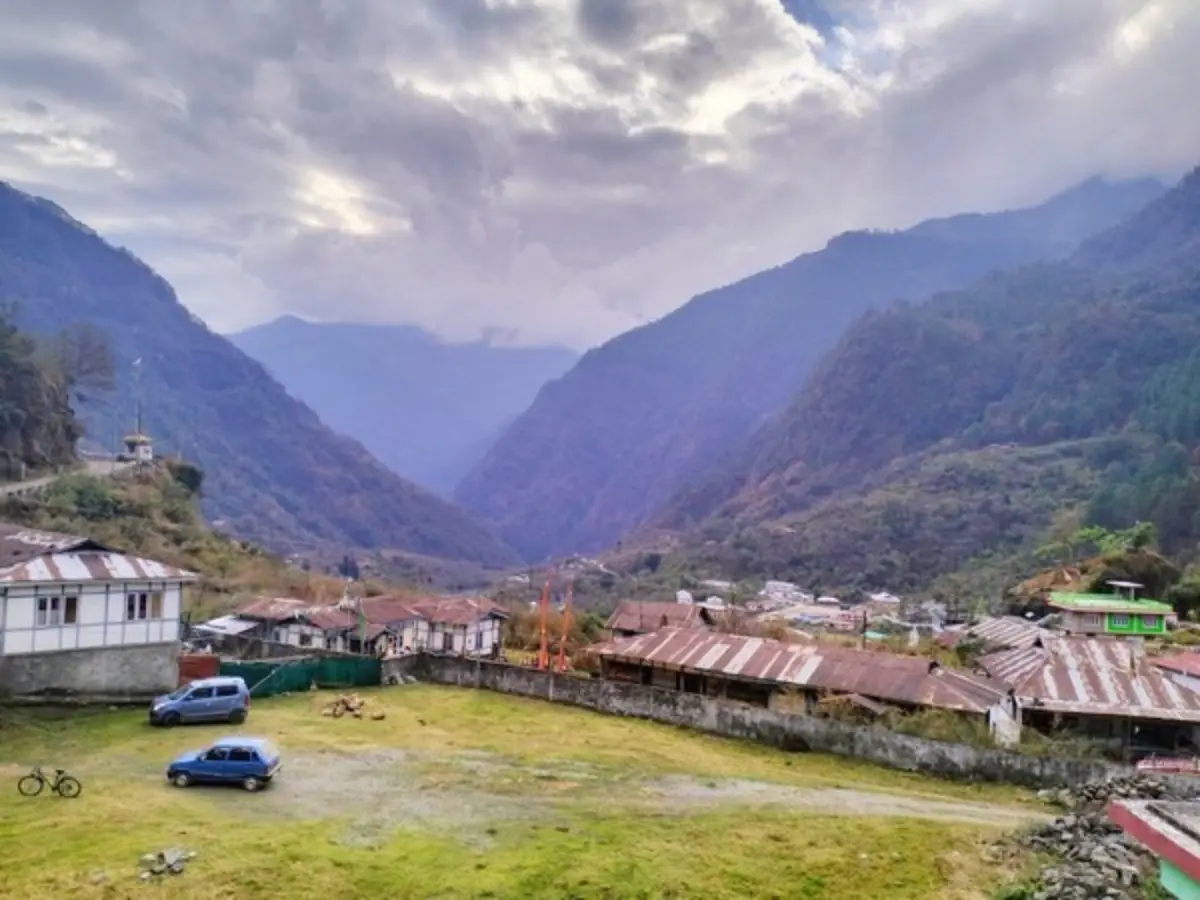)
India officially names 27 places in Arunachal to counter China's renaming claims
)
Trump calls White House ballroom ruling a 'national disgrace' as court says Congress approval needed
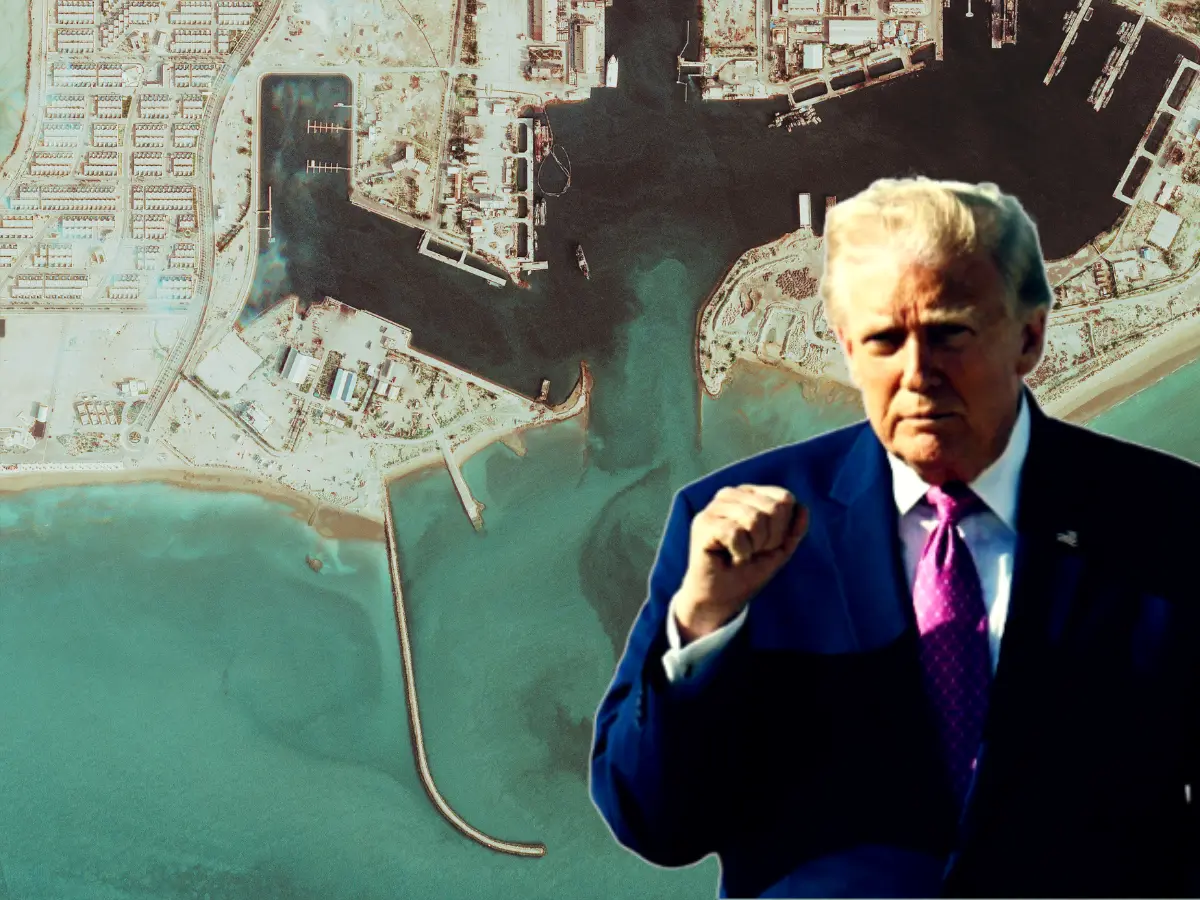)
US sanctions Iran’s crypto network after Strait of Hormuz attacks, offers $15m bounty for intel on IRGC finance
&im=FitAndFill=(700,400))
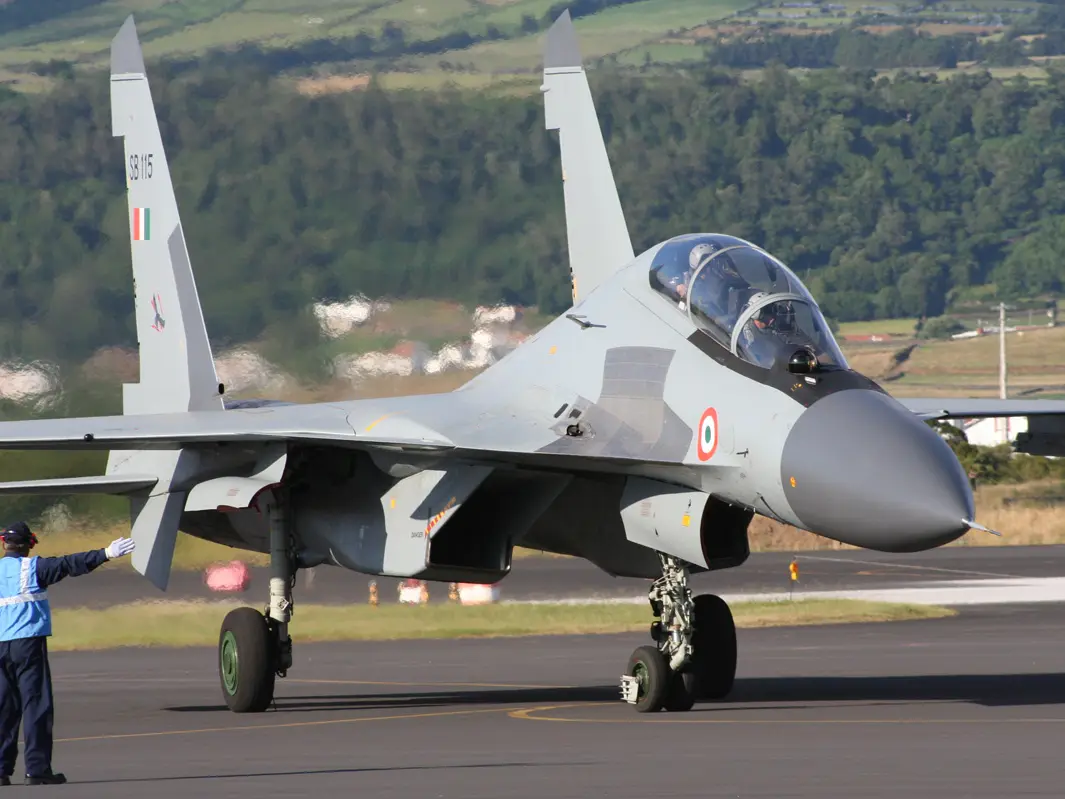
Why the Su-30MKI is one of the heaviest fighters ever built
)
Uttarakhand young innovator builds India's own flying vehicle, conducts first test flight: WATCH
)
Chilling video shows students take cover as teen opens fire at Thai school
)
Reese Witherspoon's father hospitalised after poolside incident in Nashville: Report
The NCP, SP, and DMK have said they will support the strike. As will the MNS. The TMC however has refused to.
Since mid-August, petrol prices have risen by Rs 3.24 a litre and diesel by Rs 3.74 a litre as the rupee touched a record low against the dollar, making imports costlier. This is the biggest increase in rates in any fortnight since the daily price revision was introduced in mid-June last year. Almost half of the retail selling price of the two fuels is made up of central and state taxes.
The Centre currently levies an excise duty of Rs 19.48 per litre on petrol and Rs 15.33 per litre on diesel. On top of this, states levy value-added tax (VAT).
Mumbai has the highest VAT of 39.12% on petrol, while Telangana levies the highest VAT of 26% on diesel. Delhi charges a VAT of 27% on petrol and 17.24% on diesel.
The central government had raised the excise duty on petrol by Rs 11.77 a litre and that on diesel by 13.47 a litre in nine installments between November 2014 and January 2016. The duty was reduced just once in October last year, by Rs 2 a litre.
Every dollar increase in crude oil prices raises India’s import bill by around Rs 10,700 crore on an annual basis. India imports 80% of its crude oil requirements. Elevated oil prices affect the trade deficit as well as the current account deficit. High oil prices also put pressure on the margins of oil marketing companies.
(With inputs from agencies)