Union budget 2024: FM allocates INR 26,000 cr for roads, custom duties on critical minerals exempted

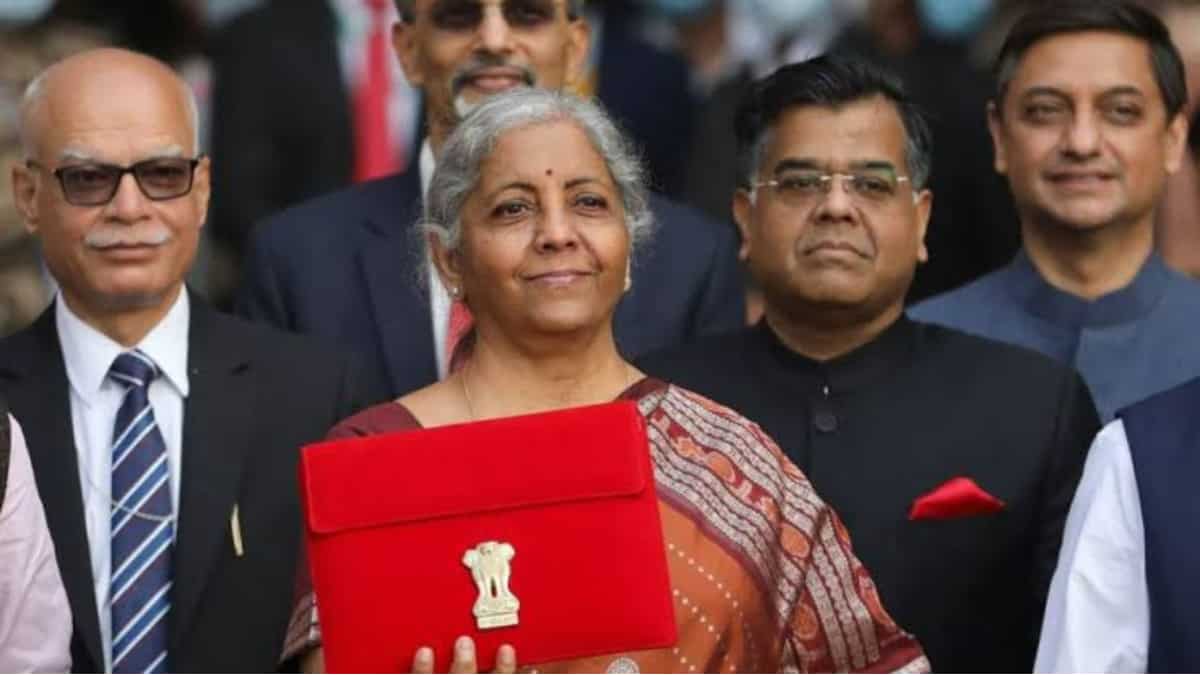
Finance Minister Nirmala Sitharaman presenting the Union budget
Finance Minister Nirmala Sitharaman unveiled the Union Budget 2024, introducing significant initiatives across various sectors including agriculture, manufacturing, and services. The budget also brought about substantial modifications to the capital gains tax structure and income tax frameworks. Sitharaman emphasised that the government has been given a unique opportunity by the people to guide the nation towards robust development and comprehensive prosperity. She stated that this interim budget would present a detailed roadmap for the pursuit of 'Viksit Bharat'.
A major highlight of the budget was the allocation of INR 26,000 crore for enhancing road connectivity projects. This initiative is part of a broader development plan for Bihar and other eastern states under the 'Purvodaya' scheme.
The scheme aims to boost human resource development, infrastructure growth, and create economic opportunities in Bihar, Jharkhand, West Bengal, Andhra Pradesh, and Odisha. Specific to Bihar, the Finance Minister announced plans to develop the Amritsar-Kolkata industrial corridor, with Gaya as an industrial node. This move is expected to stimulate industrial development in the eastern region. The transformation of Gaya is intended to serve as a model for developing ancient cultural centers into hubs of modern economy, embodying the principle of "Vikas bhi, virasat bhi" (Development along with heritage).

The infrastructure boost for Bihar includes the development of the Patna-Purnia expressway, Buxar-Bhagalpur expressway, and an additional two-lane bridge over the Ganga river in Buxar.
In a significant move towards mineral security, the budget introduced a 'Critical Mineral Mission' aimed at domestic production, recycling, and overseas acquisition of critical mineral assets. This mission will focus on technology development, workforce skilling, and establishing financing mechanisms. The government announced the exemption of customs duties on 25 critical minerals and a reduction in Basic Customs Duty (BCD) on two others. This measure is expected to significantly boost the processing and refining of these minerals, ensuring their availability for strategic sectors such as nuclear energy, renewable energy, space, defense, telecommunications, and high-tech electronics.
To stimulate job creation in the manufacturing sector, the Finance Minister introduced a scheme to incentivise the employment of first-time workers. This initiative will provide benefits to both employees and employers regarding EPFO contributions for the initial four years of employment. The scheme is projected to benefit 30 lakh youth and cover additional employment across all sectors. The government plans to reimburse employers up to INR 3,000 per month for two years towards EPFO contributions for each additional employee, aiming to incentivize the employment of 50 lakh people.
&im=FitAndFill=(700,400))
National Handloom Day 2026: From Alia Bhatt to Samantha Ruth Prabhu; Actresses who celebrated India's textile heritage as brides
)
The Royals enter the Doctor Who universe: King Charles and Queen Camilla beam into Commonwealth Games in TARDIS
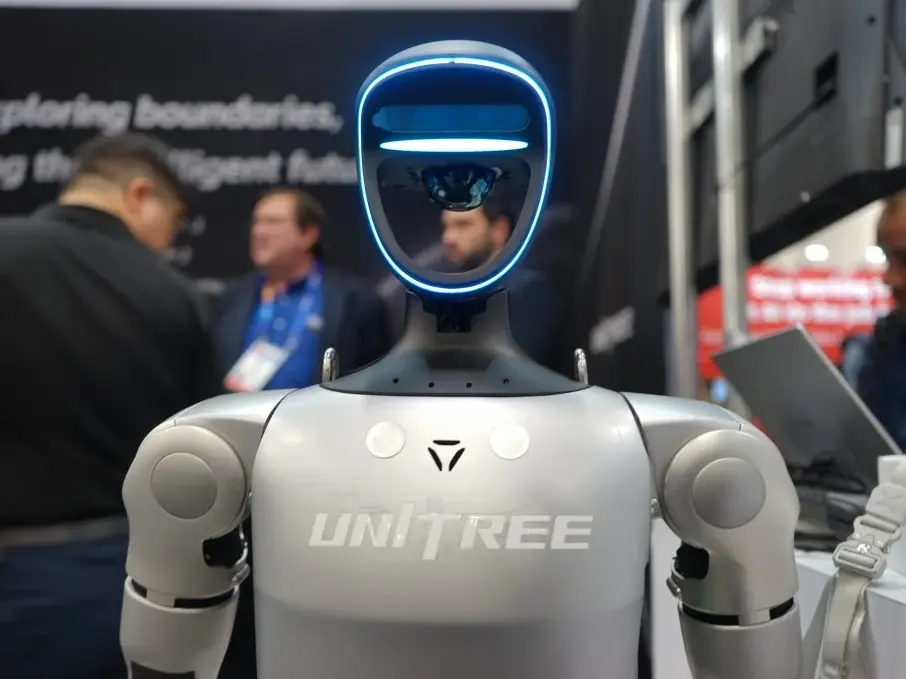)
Unitree Robotics targets $9 billion valuation in landmark IPO backed by DeepSeek and Tencent
)
India names 27 sites in Arunachal Pradesh
)
Bharat Bhhagya Viddhaata OTT: When will Kangana Ranaut's film stream online?
&im=FitAndFill=(700,400))
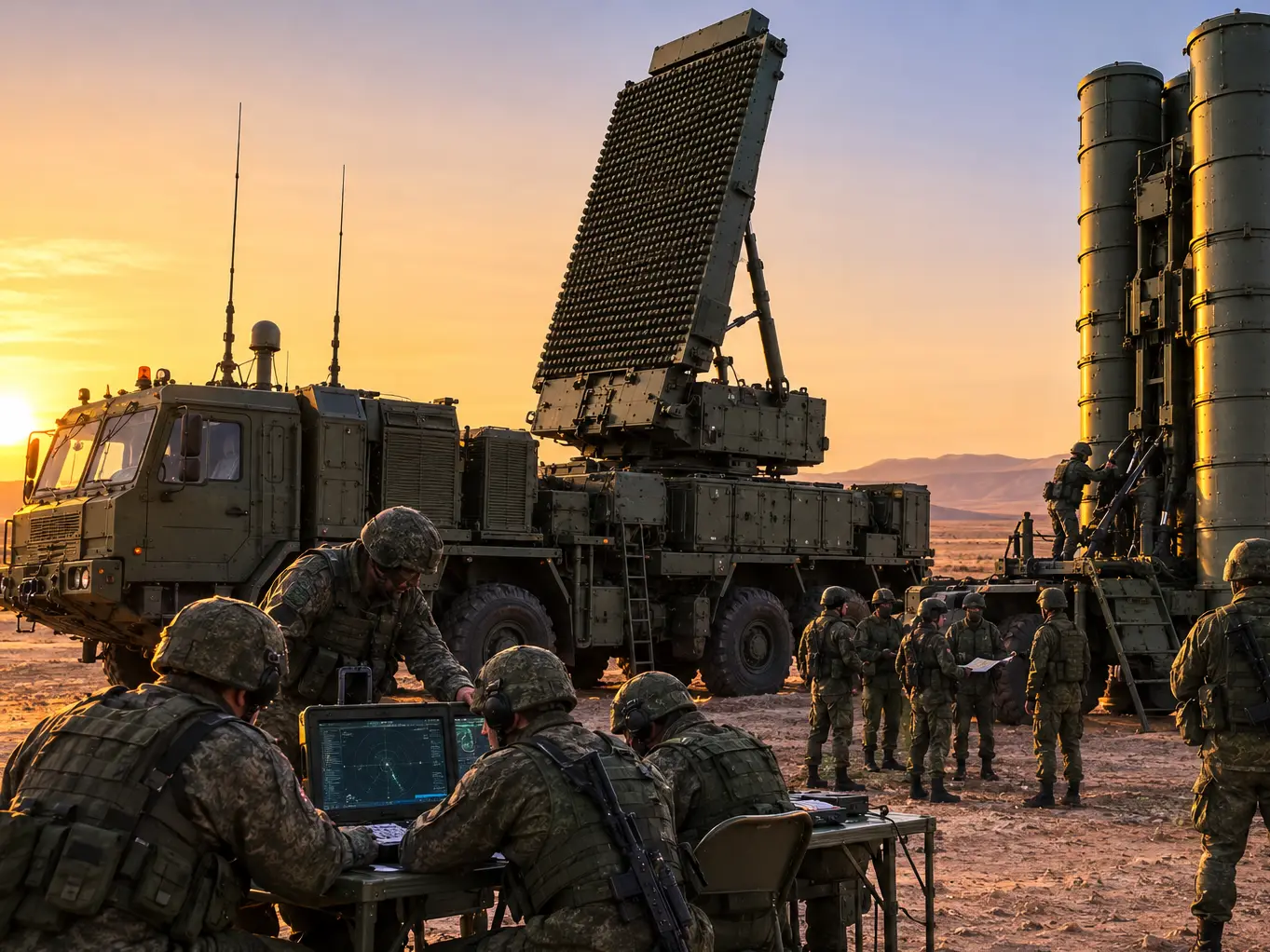
How many soldiers operate one S-400 battery?
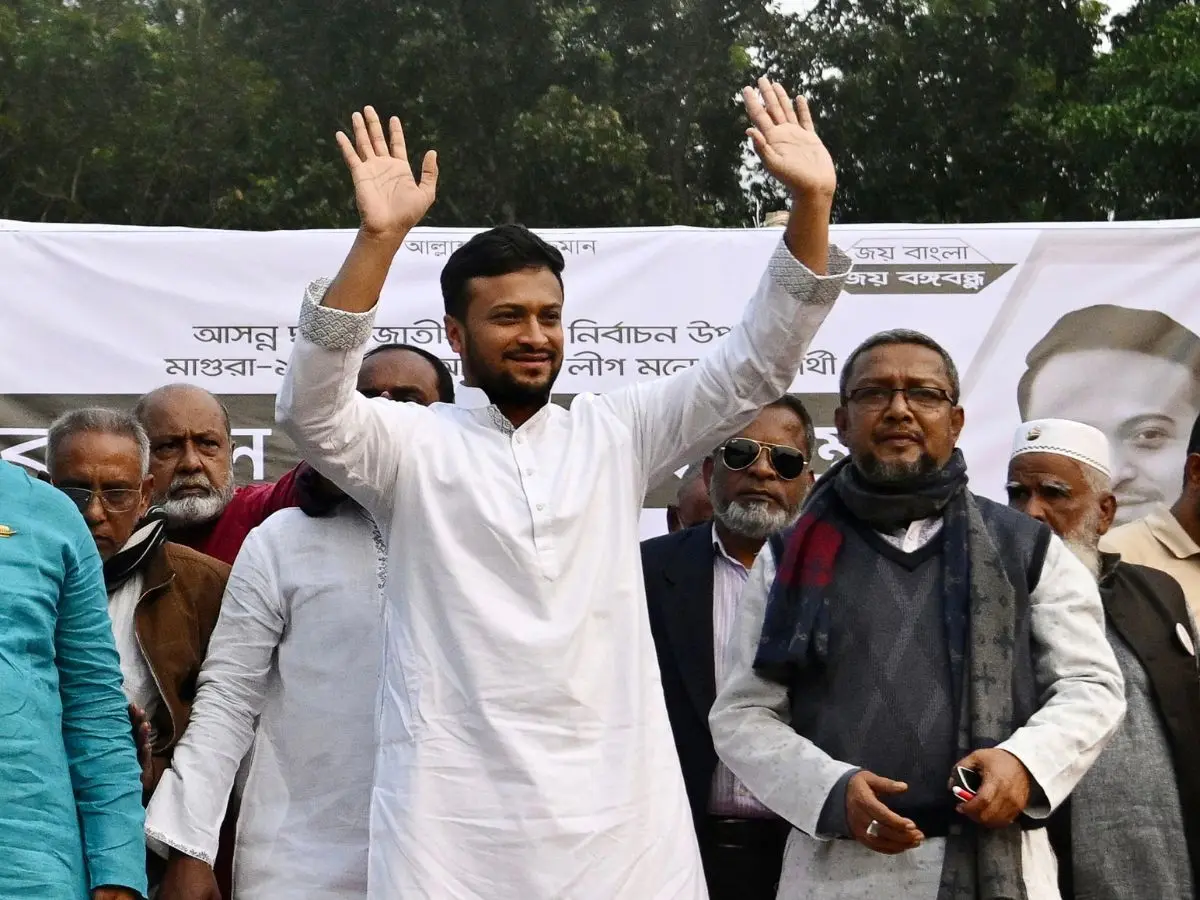)
Shakib Al Hasan ready to return to Bangladesh—under one condition
)
‘Fake news’: MEA rejects report claiming India sought defence pact with Israel after Pakistan, Saudi Arabia, Turkey deal
)
Rockstar to unveil GTA 6 extended look ahead of November launch
)
Russia forms Ukrainian Volunteer Spetsnaz Brigade to fight Ukraine
)
Drug-resistant fungus that hides in hair and enters bloodstream reported in 23 US states
)
Technology transfer deal boosts India's defence manufacturing ambitions
)
Border row erupts in Europe after Ceuta crossings, Spain imposes border controls on Italy
)
Morale plummets on USS Abraham Lincoln: Are US sailors reaching a breaking point? | GRAVITAS
)
'Security can't be bought with Pakistan, Turkey deal': Iran tells Saudi Arabia
)
Baba Vanga's 2026 prophecy: 2 predictions 'already came true', 3 terrifying ones remain. Details inside
)
Colombia’s new president Abelardo de la Espriella vows to ‘defeat narco-terrorists’, signals hardline shift
&im=FitAndFill=(700,400))
New Friday OTT releases (August 7, 2026): Operation Safed Sagar, Vadhandhi, Main Vaapis Aaunga- 6 movies and TV shows on Netflix, Prime Video and more
)
Squadron Leader Bhawana Kanth scripts history as Indian Air Force gets its first woman ‘Top Gun’ pilot
)
RSS says Gen Z protests reflect genuine distress
)
Trump says Iranian school bombing photos could be AI-generated - 'I don’t think...'
)
IAF officer held for sharing sensitive information in 'honey trap' case, booked under Official Secrets Act
)
Stray Kids under scrutiny? Fans react to Grammy submission silence after BTS boycott
&im=FitAndFill=(700,400))
Why the Su-30MKI doesn't need external fuel tanks to fly vast distances
)
Jugal Hansraj reunites with Shekhar Kapur after 40 years for Masoom: The Next Generation
)
New speed limits, automatic challans: Big traffic change coming to Delhi-Meerut Expressway. All you need to know
)
India officially names 27 places in Arunachal to counter China's renaming claims
)
Trump calls White House ballroom ruling a 'national disgrace' as court says Congress approval needed
)
US sanctions Iran’s crypto network after Strait of Hormuz attacks, offers $15m bounty for intel on IRGC finance
&im=FitAndFill=(700,400))
Why the Su-30MKI is one of the heaviest fighters ever built
)
Uttarakhand young innovator builds India's own flying vehicle, conducts first test flight: WATCH
)
Chilling video shows students take cover as teen opens fire at Thai school
)
Reese Witherspoon's father hospitalised after poolside incident in Nashville: Report
Support for Micro, Small, and Medium Enterprises (MSMEs) featured prominently in the budget, with eight new measures proposed. These include a credit guarantee scheme for MSMEs making capital investments in the manufacturing sector, with coverage up to INR 100 crore. Public Sector Banks are tasked with developing new assessment models for providing credit to MSMEs. The budget also proposes credit support for MSMEs during stress periods from a government-promoted fund. The MUDRA loan limit has been enhanced to INR 20 lakh for credit-worthy entrepreneurs. Other measures include reducing the turnover threshold for mandatory onboarding in TReDS, establishing 24 new SIDBI branches in MSME clusters, setting up new MSME units for food irradiation and quality testing, and creating e-commerce export hubs for MSMEs and traditional artisans.
Lastly, the Finance Minister announced a comprehensive review of the Income Tax Act to enhance its clarity and readability. Changes to the new tax regime slabs were introduced, along with an increase in the standard tax deduction from INR 50,000 to INR 75,000.