Trump transition team seeks to eliminate vehicle crash reporting requirement

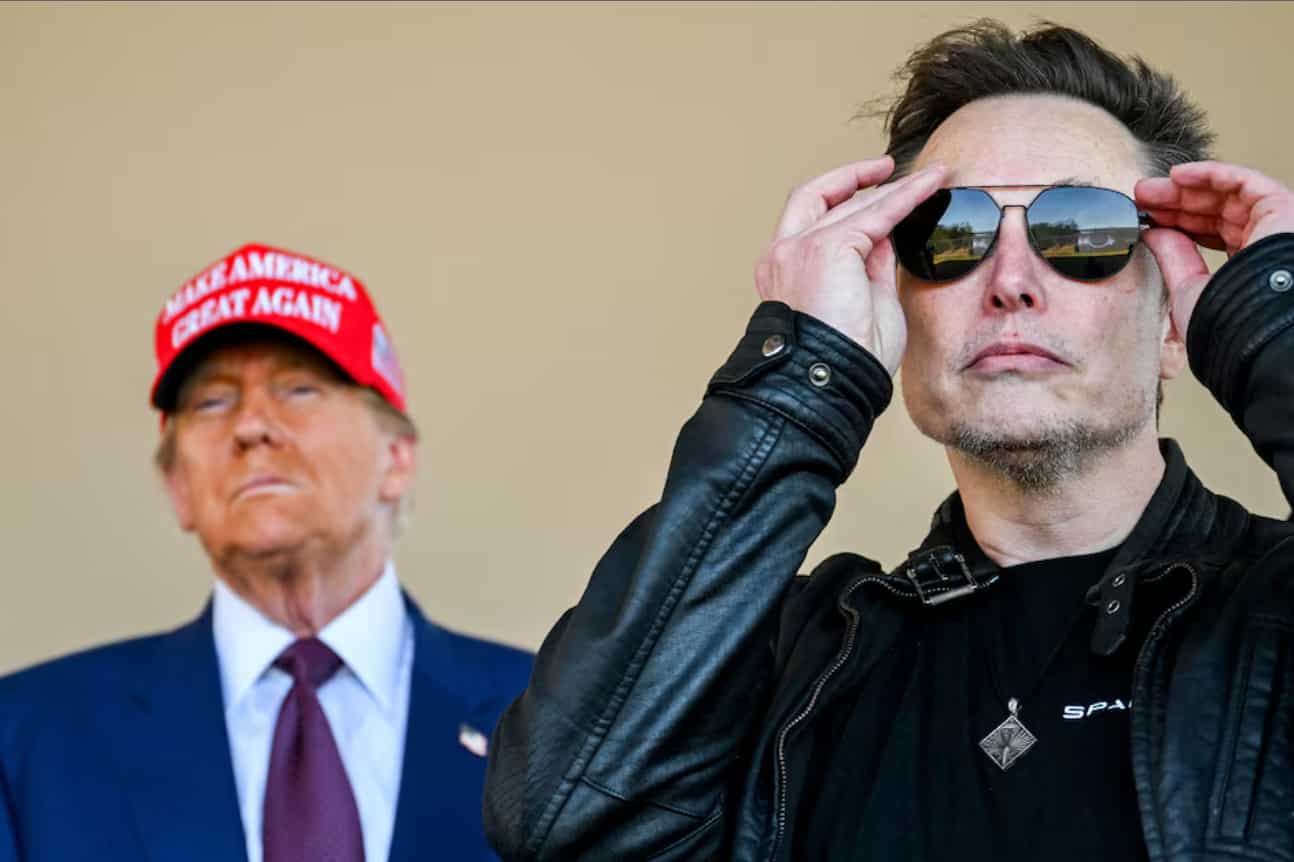
Donald Trump and Elon Musk
The Trump transition team proposed eliminating a critical automotive safety reporting requirement that could significantly undermine government investigations into vehicle safety, particularly for automated driving systems.
The proposed policy change targets the National Highway Traffic Safety Administration's (NHTSA) standing general order, which mandates that automakers report crashes involving advanced driver-assistance or autonomous driving technologies within 30 seconds of impact. According to a document that has recently come to light, the transition team characterised the requirement as "excessive" data collection.
The recommendation comes amid intense scrutiny of Tesla's automated driving technologies and raises significant questions about transparency in automotive safety reporting. Tesla, led by Elon Musk, has been the primary reporter of crashes under this regulation, accounting for more than 1,500 reported incidents.

NHTSA data reveals a stark safety landscape. Out of 45 fatal crashes reported through October 15th, Tesla was involved in 40. Notable investigations include a 2023 fatal accident in Virginia where a driver using Tesla's "Autopilot" feature collided with a tractor-trailer, and a California incident where an Autopiloted Tesla struck a fire truck, resulting in the driver's death and injuries to four firefighters.
NHTSA officials emphasise the critical importance of this data. Since establishing the rule in 2021, the agency has received and analysed over 2,700 crash reports. These reports have directly influenced ten investigations across six companies and precipitated nine safety recalls involving four different manufacturers.
The proposed elimination of crash reporting requirements appears to align with broader recommendations to "liberalise" autonomous vehicle regulation. Musk himself has advocated for a federal approval process for autonomous vehicles, criticising the current state-level regulatory approach as "incredibly painful".
)
Lady Gaga is a mom! Oscar-winning singer welcomes first child with fiance Michael Polansky
)
BRICS Summit 2026: Iran's Pezeshkian praises PM Modi at BRICS
)
Karthik Subbaraj’s Dorothy gets a standing ovation at TIFF world premiere
)
North Korea fires missiles after US, South Korea and Japan military drills but America says 'does not pose immediate threat'
)
Delhi's top luxury hotels turn into high-security fortress hubs for BRICS 2026 delegations
)
BRICS Summit 2026: 30+ countries seek BRICS membership
)
Frustrated man demolishes his kitchen after thousands flock to see Mother Mary his wife spotted on the wall
)
BRICS summit: India faces delicate Iran-UAE diplomatic test
)
From drones to KAAN fighters: Turkey outlines 229% surge in defence spending amid regional shifts
)
After praising Modi, Pezeshkian meets Indian religious leaders, Hurriyat's Mirwaiz Umar Farooq
)
Houthis vs Saudi Arabia: East-west oil pipeline shut after drone attacks from Iraq
)
South Africa batter Jordan Hermann hits highest individual score on ODI debut
)
800 million years old - Scientists discover 'fingerprints' of supercontinent Gondwana in ancient rocks
)
Vladimir Putin in New Delhi for BRICS Summit: Russia-India defence, energy and nuclear ties in focus ahead of meeting with PM Modi
)
Osama Bin Laden's son ALIVE? Al-Qaeda releases video 7 years after US declared him dead
)
BRICS Summit 2026: South Africa says it will use the summit to advance its economic priorities
)
Gravitas | Iran hammers US air power in West Asia after Navy badly hit
)
Israel spent nearly $470,000 on PM's hair, makeup since 2019, data shows
)
Did you know THIS actor narrowly escaped the 9/11 terror attacks due to a last-minute change of travel plans?
)
BRICS Summit 2026: Rivals in West Asia, partners in BRICS, UAE, Iran, and Saudi delegations in Delhi
)
BRICS Summit 2026: PM Modi meets Malaysia, Ethiopia leaders; defence ties, trade in focus
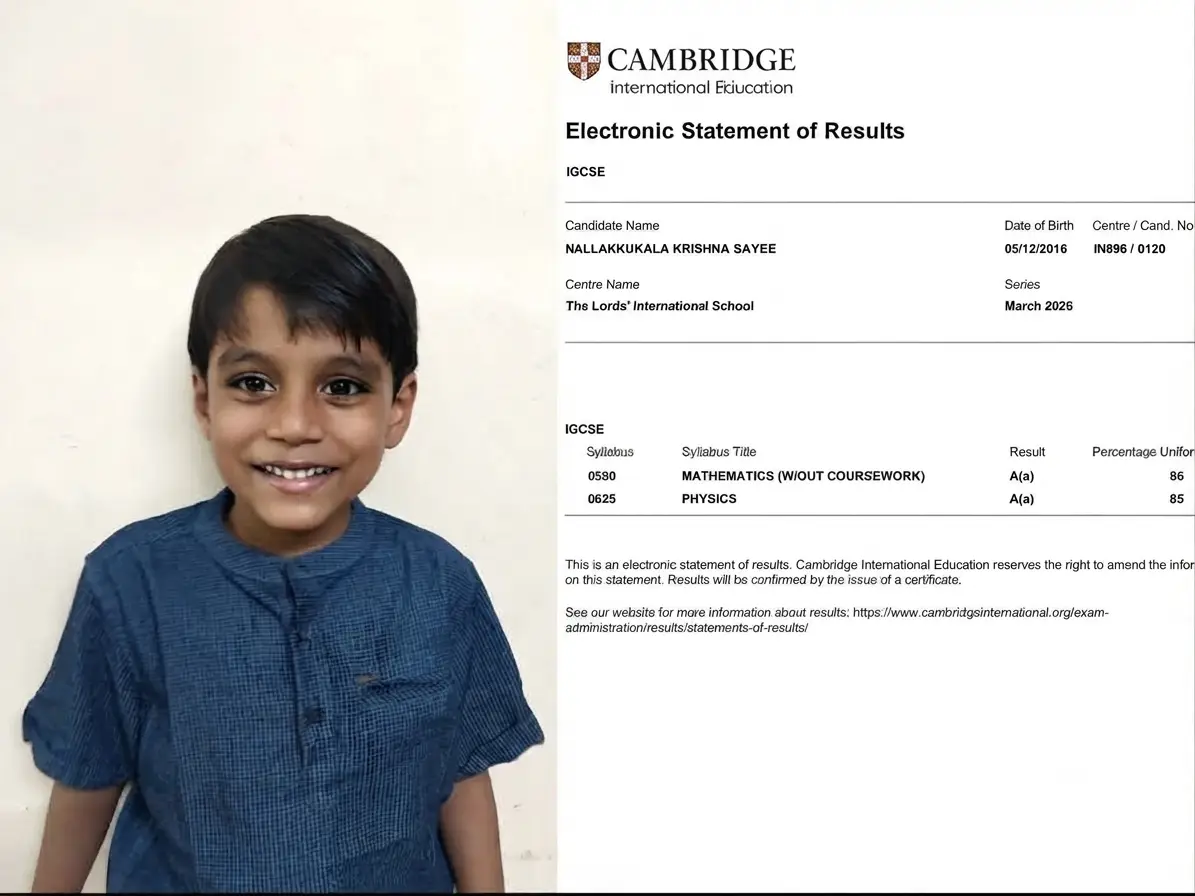)
9-year-old Chennai prodigy clears Cambridge IGCSE grade 10 exams
)
BRICS Summit: China resumes Guangzhou-New Delhi flight, issues 'good-neighbourliness' remark ahead of Xi-Modi meet
)
Satya Niketan horror: Who is responsible?
)
BRICS Summit 2026: Top world leaders in New Delhi; West Asia war casts shadow on BRICS Summit
&im=FitAndFill=(700,400))
New Friday OTT releases (September 11, 2026): The Revolutionaries, Vishwanath & Sons, Ghamasaan- 6 new titles coming on Netflix, Prime Video and more
)
Years before 9/11, CIA warned Clinton, Bush of 'explosive-packed airplane attack': What newly released files reveal
)
In first of its kind, Trump admin deports Afghan woman via Alien Terrorist Court
)
Baba Vanga's first prophecy for 2027 is out, and straight out of science fiction
)
Saudi Arabia shuts East-West oil pipeline, key Hormuz bypass, after attacks
)
IND vs AFG, 1st T20I: When and where to watch live streaming in India?
)
WION Expertspeak: Understanding India's BRICS presidency amid wars, trade tensions and global turmoil
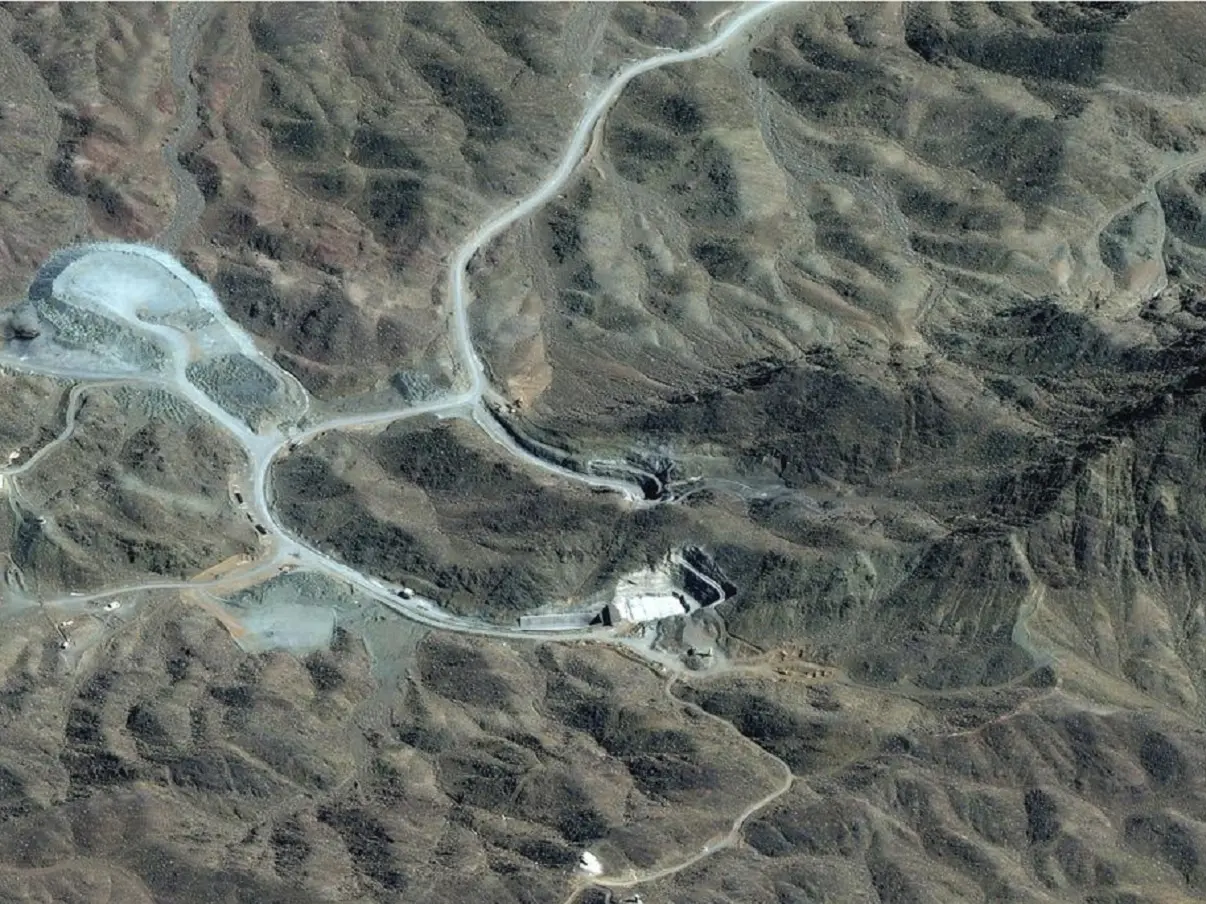)
Satellite images show construction surge at Iran’s Pickaxe nuclear site amid US war
Experts like Bryant Walker Smith, a University of South Carolina law professor specialising in autonomous driving, provide nuanced context. Smith suggests Tesla's high reporting numbers might result from their robust data collection methods and the larger number of vehicles equipped with driver-assistance technologies.
However, Tesla executives reportedly view the reporting requirement as unfair, believing it portrays their vehicles in a misleading safety context. The company has been simultaneously under intense scrutiny, including a Department of Justice criminal probe examining potential misrepresentations of their vehicles' self-driving capabilities.
The Trump transition team's Jason Miller cautioned that these recommendations originated from "outsiders" without direct policy-making authority. Nevertheless, the proposed changes could significantly impact automotive safety transparency if implemented.
The automotive industry remains divided. While the Alliance for Automotive Innovation has criticised the requirement as burdensome, safety advocates argue that such reporting is crucial for identifying potential systemic safety issues in emerging automotive technologies.
As autonomous and semi-autonomous driving technologies continue to evolve, the debate surrounding this reporting requirement underscores the delicate balance between technological innovation and public safety accountability.

