Reliance infrastructure explores entry into EV market, hires former BYD executive

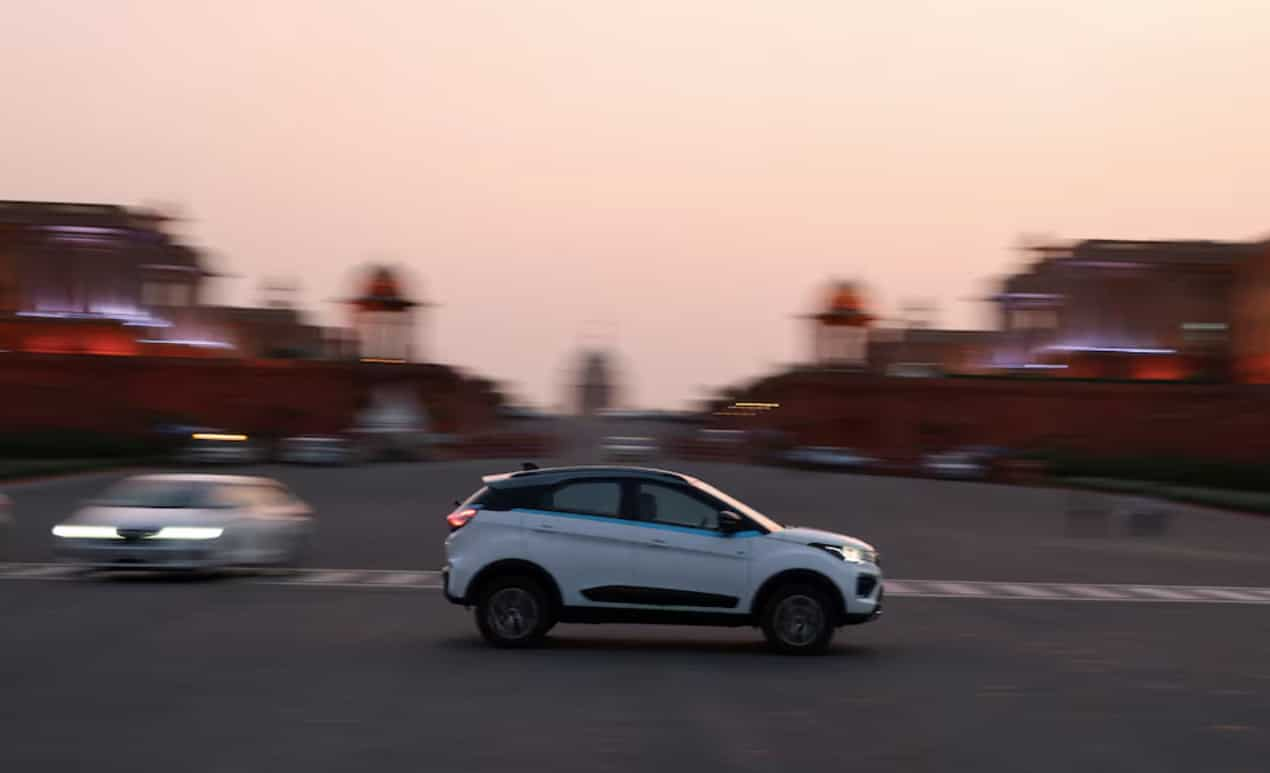
Reliance infrastructure explores entry into EV market
Reliance Infrastructure, a key player in the Anil Ambani-led Reliance Group, is reportedly exploring plans to manufacture electric cars and batteries. Sources close to the matter have revealed that the company has brought on board Sanjay Gopalakrishnan, a former India executive of Chinese EV giant BYD Co, to advise on these ambitious plans.
According to the sources, who spoke on condition of anonymity due to the sensitive nature of the information, Reliance Infrastructure has engaged external consultants to conduct a comprehensive "cost feasibility" study. The study aims to assess the viability of establishing an EV manufacturing plant with an initial annual capacity of approximately 250,000 vehicles. The company envisions scaling this capacity up to 750,000 vehicles over the coming years, signalling a long-term commitment to the sector.
In addition to vehicle production, Reliance Infrastructure is also exploring the possibility of setting up a battery manufacturing facility. The proposed plant would start with a capacity of 10 gigawatt hours (GWh) and could potentially expand to a substantial 75 GWh over a decade. This move aligns with the growing demand for locally produced batteries in India's EV ecosystem.

The entry of Reliance Infrastructure into the EV space could mark a significant shift in the Indian automotive landscape. It would also set the stage for an intriguing business rivalry between the Ambani brothers. Mukesh Ambani's Reliance Industries is already making strides in the EV sector, having recently secured government incentives for 10 GWh of battery cell production.
When approached for comment on these developments, Reliance Infrastructure did not respond. Similarly, Sanjay Gopalakrishnan, who has joined as a consultant to advise on the EV project, was unavailable for comment.
The Indian government has set ambitious targets for EV adoption, aiming to increase the share of electric vehicles from the current less than 2% to 30% by 2030. To support this goal, the government has allocated over $5 billion in incentives for companies engaged in local manufacturing of EVs and their components, including batteries.
)
Mushtaq Khan dies at 56: When Welcome actor opened up about his salary for iconic role Ballu
)
US Supreme Court backs Trump administration's use of SAVE database to check voter citizenship
)
Heart of the Beast review: Brad Pitt leads a gripping tale of survival and loyalty
)
Outrage erupts after 3-year-old is married to 60-year-old man in Pakistan, link to her sister's murder being probed
)
Pakistan deploys over 20,000 security personnel as PTI vows march for Imran Khan's release
)
Asian Games: Shooting spree continues as India win silver in women’s 50m rifle 3P team event
)
‘Not just a local tragedy’: Nepal PM Shah warns UN of growing climate threat, says Nepal floods were 'a warning to the world'
)
OpenAI AI Agents hacked 4 websites before Hugging Face, researchers reveal
)
Pentagon quietly adds 37 wounded troops to Iran war tally without explaining when or how
)
Asian Games 2026: India women’s kabaddi team edge Iran 37-34 to clinch 3rd gold medal
)
Saudi Arabia still harbours intent to develop nuclear weapons, reveals US intelligence: Report
&im=FitAndFill=(700,400))
New Friday OTT releases (September 25, 2026): Don’t Be Shy, Hunkkaar: The Roar, Mango Pachcha- 6 movies and TV shows on Netflix, Prime Video and more
)
Yemen's war escalates: Saudi-backed leader calls for general mobilisation against the Houthis
)
‘Attack on Mecca a red line for Pakistan’: Shehbaz Sharif warns Houthis at UN
)
Tesla is preparing something big for Optimus: new Gen 3 models surface in app
)
Did Hitler kill his niece Geli Raubal? Newly found records reopen a 95-year-old mystery
)
Indian diplomat Petal Gahlot raises deteriorating situation in Pakistan-occupied Kashmir in right of reply at UN
)
Nigeria Navy moves to boost oil security, tackle crude theft and infrastructure threats
)
Scientists detect first radio signals directly from faraway planet
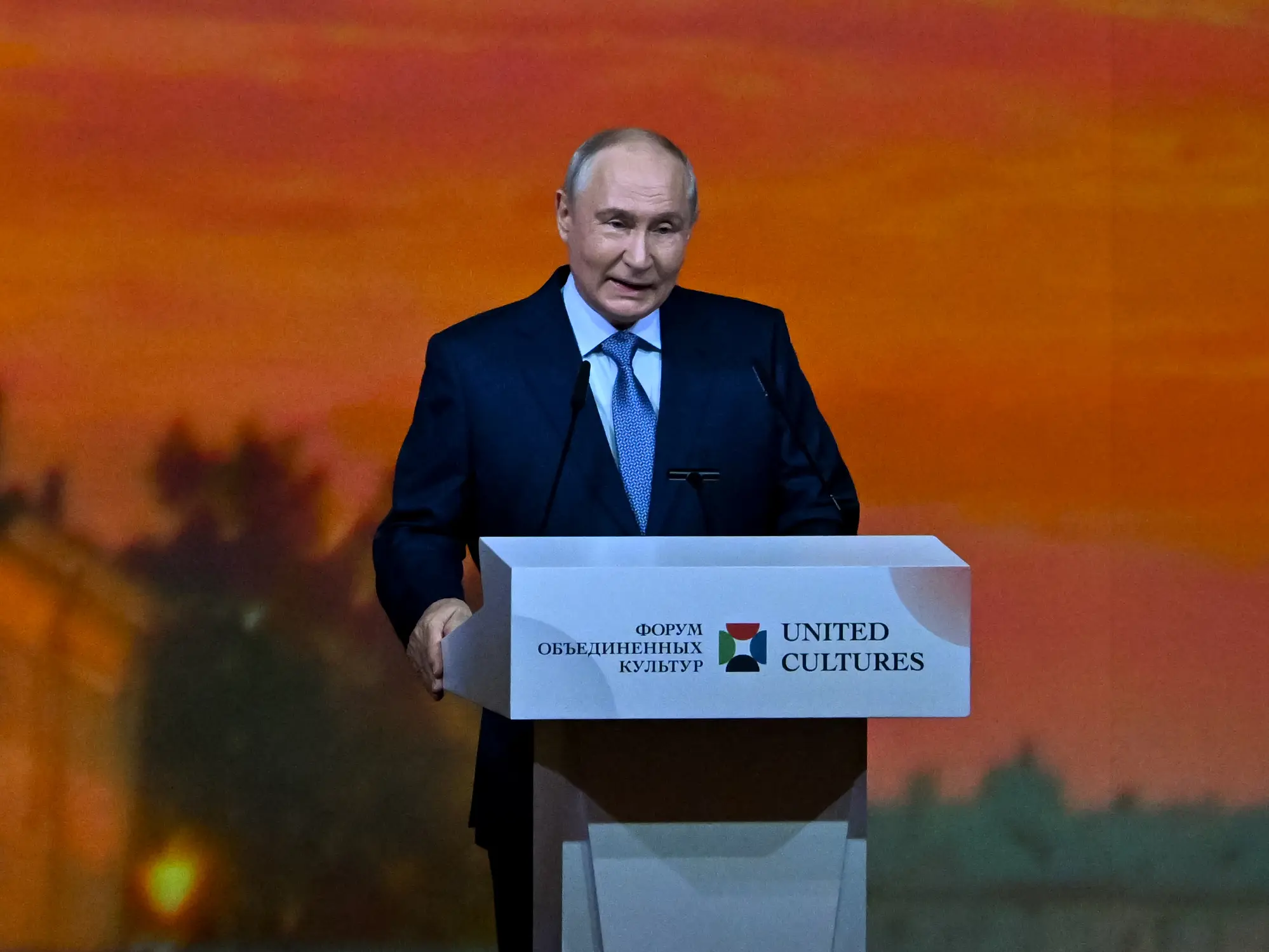)
‘It is all possible’: Putin weighs next steps on Ukraine talks, rules out Europe conflict
)
10,000 gather in support of 87-year-old forcefully evicted from home of 71 years
)
India flags brutal violence in Pak-occupied Jammu Kashmir
)
Trump rejects Iran's 7-day ceasefire proposal as US weighs renewed bombing after midterms: Report
)
Gaza's war turned environmental damage into second crisis
)
Saudi oil exports surge despite Iran war
)
Trump-Xi summit wrap: Big pageantry, Iran talks, few major developments and more meetings planned
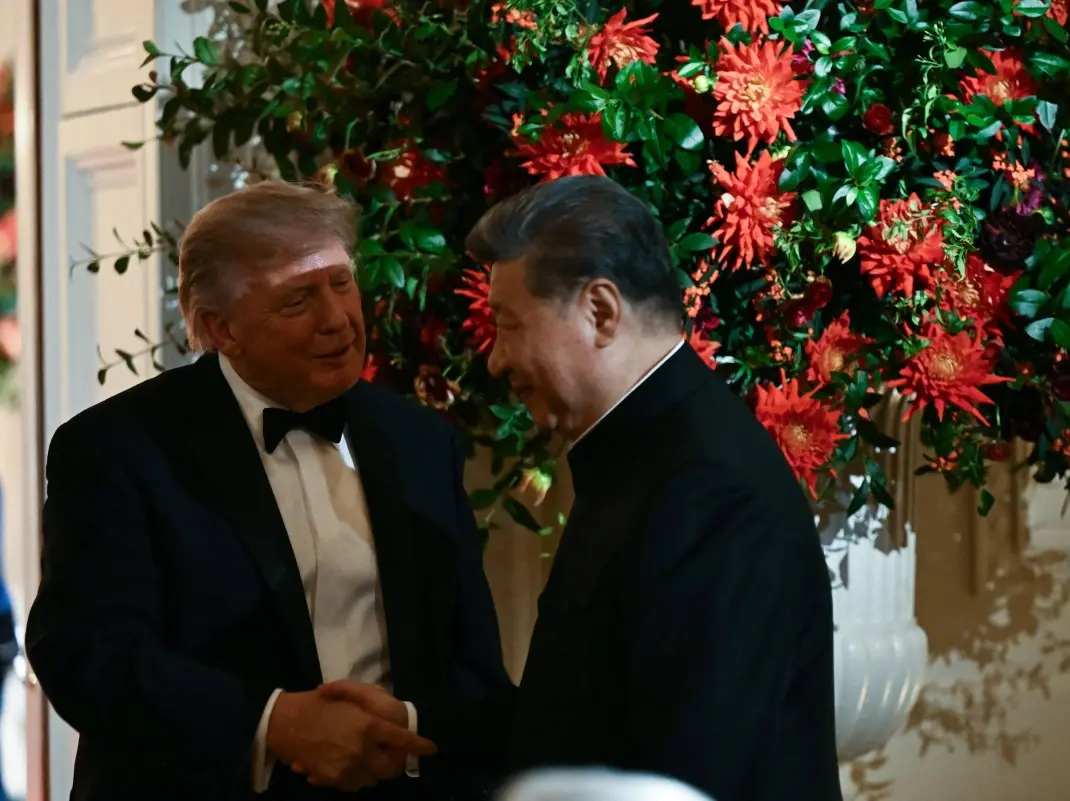)
'Making history': Xi Jinping praises Trump as US-China leaders dine at White House
)
India's UN Envoy slams Pakistan: 'They claim security by day, terrorism by night'
)
Jay-Z rape case: Accuser says allegations were false, never met rapper
)
Myanmar training camp case: US national, 6 Ukrainians allowed to meet their families abroad
)
Trump-Xi summit: Xi wraps up us visit with 21-gun salute as Trump, Xi lock in 'strategic stability'
)
'FIRST LOOK from inside Noah’s Ark': Researchers share video from inside mysterious mound in Turkey
)
Cindy Crawford’s son Presley Gerber cremated as death probe continues
)
India's insurance regulator overhauls policies
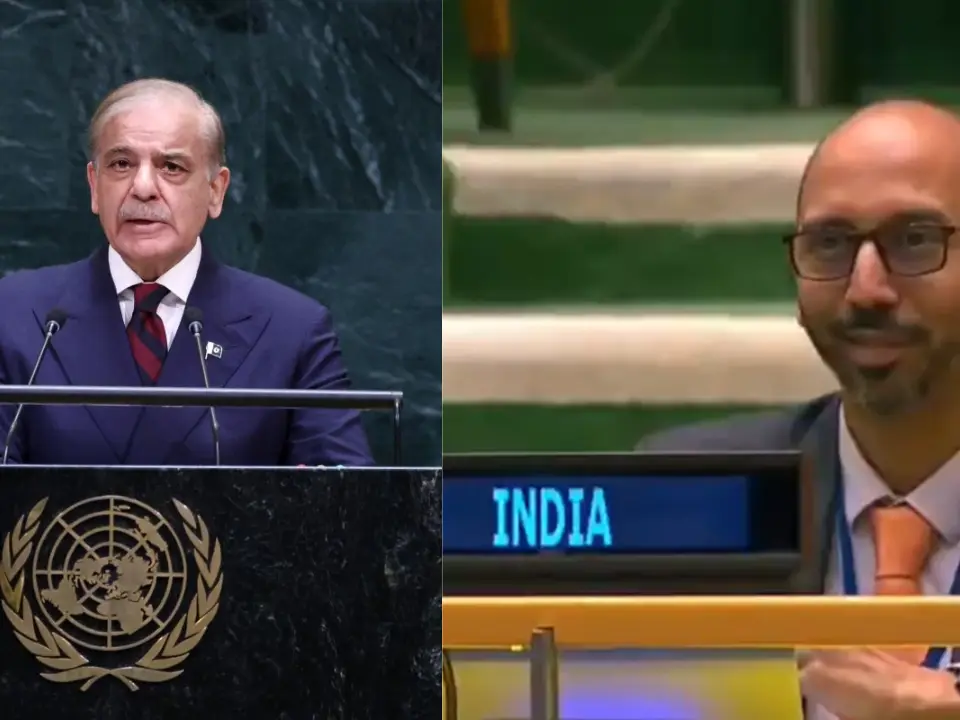)
WATCH | As Shehbaz Sharif claims Pakistan’s ‘victory’ during 2025 conflict, Indian diplomat R Srinivas laughs at UN
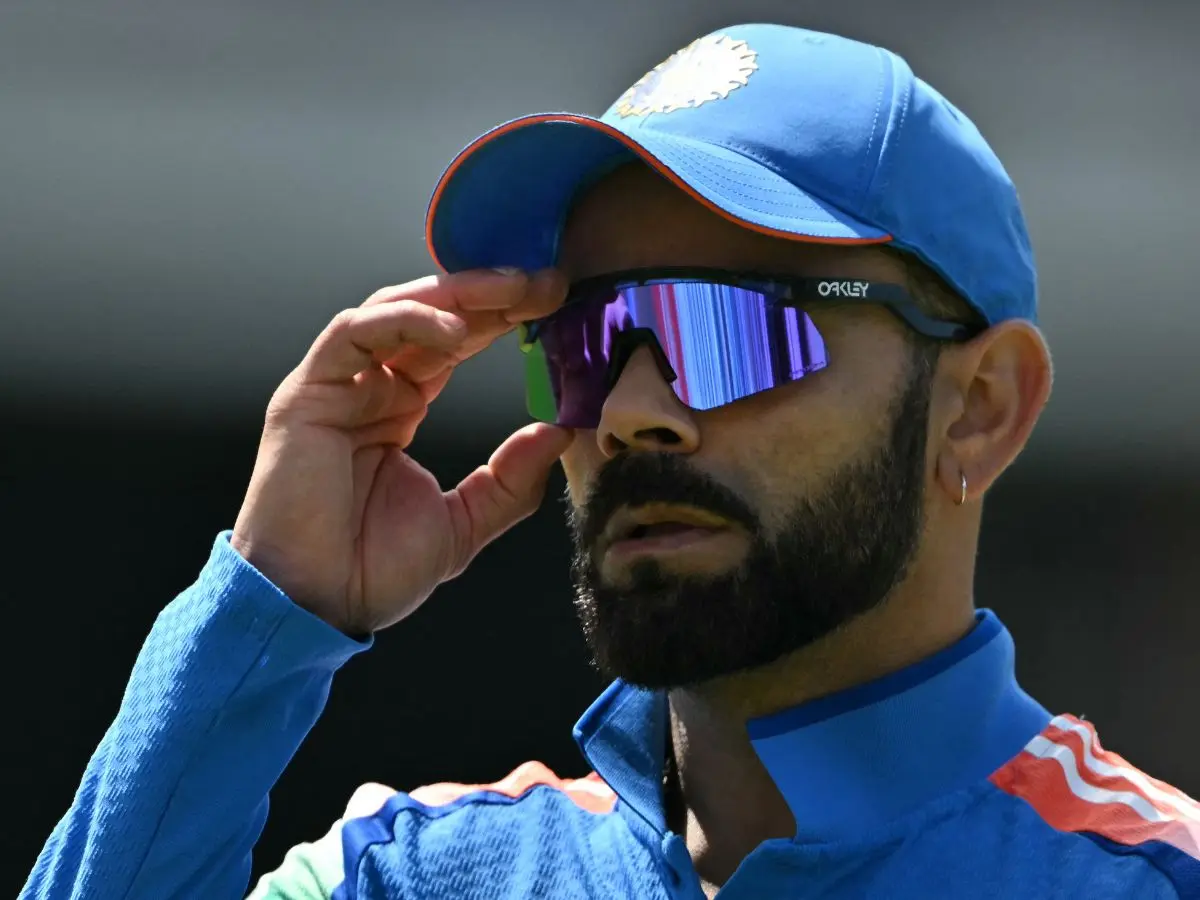)
‘Goal is to win it’: Virat Kohli confirms 2027 ODI World Cup will be his final tournament for India
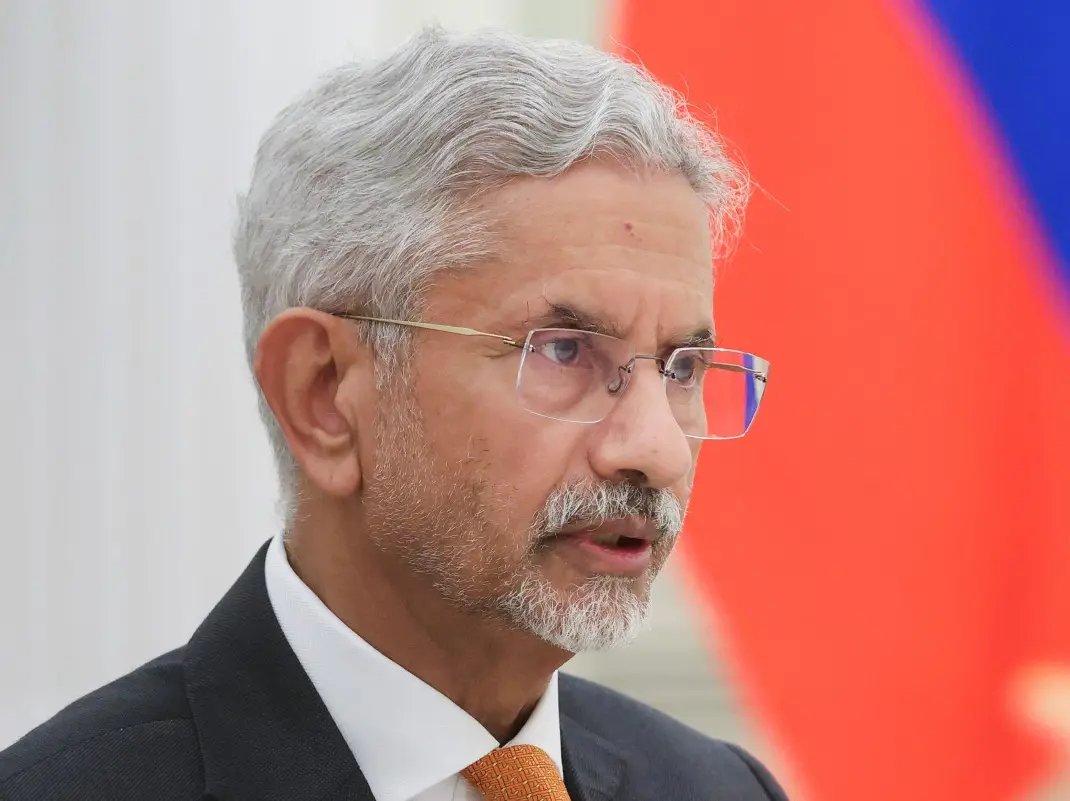)
'A terrorist country is asking me that question?': Jaishankar hits back at Pakistani journalist at UN; flags attacks on commercial shipping
)
US court backs Pentagon's decision to exclude Anthropic over Claude AI restrictions
Reliance Infrastructure's potential entry into the EV market comes at a time when the sector is gaining momentum but still represents a niche segment in India. In the last fiscal year, out of the 4.2 million cars sold in the country, electric models accounted for less than 2%. However, with government support and increasing consumer interest, the market is poised for significant growth.
The company is reportedly exploring partnerships, including with Chinese firms, to bolster its EV ambitions. Sources indicate that Reliance Infrastructure aims to finalise its plans within the next few months, suggesting a swift movement towards implementation if the feasibility studies prove favourable.
In preparation for this potential venture, Reliance Infrastructure has already taken concrete steps. Government records show that in June, the company formed two new wholly-owned subsidiaries related to the automotive sector. One of these, named Reliance EV Private Ltd, has its "main objective" listed as manufacturing and dealing in "vehicles of every description and components for transport and conveyance using any nature of fuel."
However, the path forward for Reliance Infrastructure's EV plans may not be without challenges. The company has grappled with high debt levels and cash flow issues in recent years, raising questions about how this ambitious EV project will be funded.
If Reliance Infrastructure decides to move forward with its EV plans, it will enter a market that is becoming increasingly competitive. Currently, Tata Motors dominates the Indian EV space with a nearly 70% market share. Other players like MG Motor (owned by SAIC) and BYD are gaining ground, while traditional auto market leaders Maruti Suzuki and Hyundai Motor are planning to launch their EVs in 2025.
The appointment of Sanjay Gopalakrishnan as a consultant brings valuable industry expertise to Reliance Infrastructure's potential EV venture. Gopalakrishnan retired from BYD earlier this year after a two-year tenure during which he headed and established BYD's electric passenger vehicle business in India. His experience in launching three EV models and setting up a dealership network could prove crucial for Reliance Infrastructure's market entry strategy.
As the Indian EV market continues to evolve, the potential entry of Reliance Infrastructure could significantly alter the competitive landscape. With government support, growing consumer interest, and the backing of a major industrial group, this move could accelerate the adoption of electric vehicles in India and contribute to the country's broader goals of reducing carbon emissions and enhancing energy security.

