Lynk & Co commits to competitive pricing despite looming EU tariffs on Chinese EVs

Lynk & Co commits to competitive pricing despite
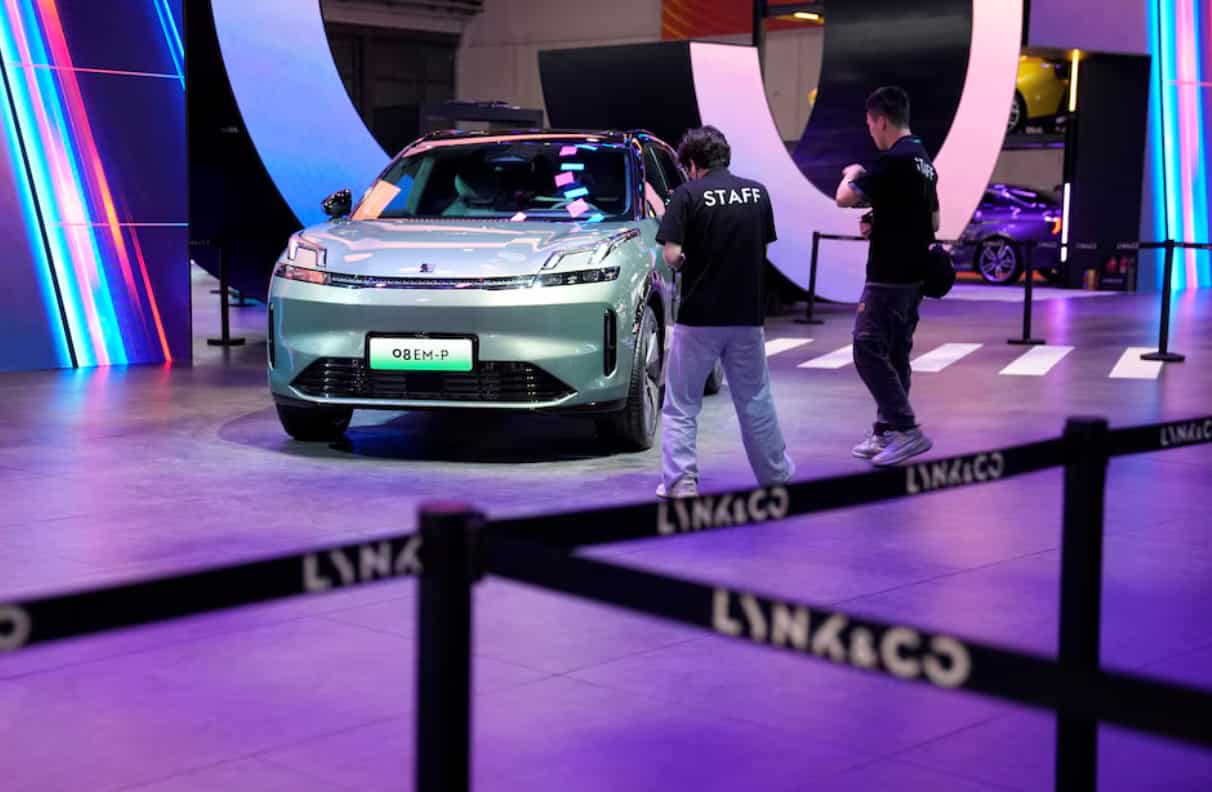
Chinese-Swedish automaker Lynk & Co has declared its intention to absorb the cost of potential tariffs on its upcoming battery-electric car rather than passing them on to consumers. This announcement comes as the European Union contemplates imposing significant tariffs on Chinese-made EVs, a move that could reshape the landscape of the continent's rapidly evolving automotive sector.
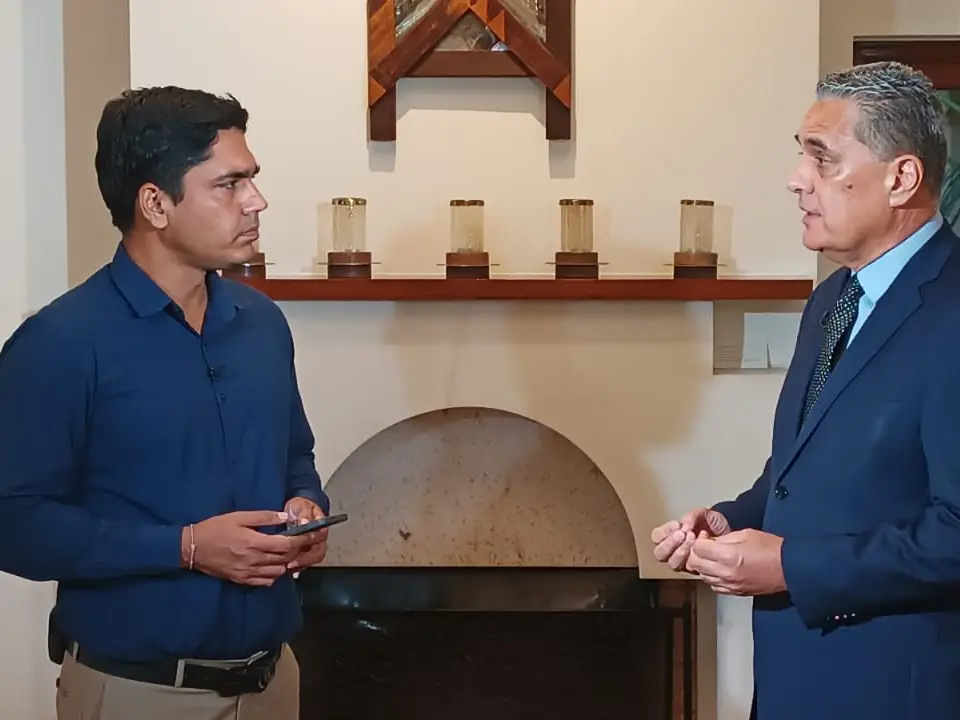
Nicolas Appelgren, Lynk & Co's CEO for Europe, made this striking commitment during an interview at the Automechanika automotive trade fair in Frankfurt. "We cannot - a lot of the competitors are produced in Europe ... we need to price the car correctly in the market and work from there," Appelgren stated, highlighting the brand's determination to remain competitive in a market dominated by established European manufacturers.
The automaker, co-owned by China's Zhejiang Geely Holding Group and Sweden's Volvo Cars, is set to launch its first China-made battery-electric car in Europe next month. Under current proposals by the European Commission, this compact SUV would be subject to an 18.8% tariff, part of a broader initiative to counter what the EU perceives as unfair subsidies for EV makers producing in China.

Despite this potential financial hurdle, Lynk & Co has not yet disclosed the price for its new electric SUV. The vehicle, based on the same platform as Volvo's EX30 and Zeekr's X, is expected to compete in the 40,000 to 45,000 euro price range in Germany, aligning with its platform siblings.
Appelgren's stance on pricing strategy presents a stark contrast to other automakers facing similar challenges. For instance, Wayne Griffiths, CEO of SEAT/CUPRA brands, has expressed grave concerns about the impact of a 21.3% tariff on the CUPRA Tavascan EV, also manufactured in China. Griffiths warned that such a tariff could jeopardise the company's financial future and its ability to meet EU-mandated carbon dioxide reduction targets.
The differing perspectives highlight the complex challenges facing automakers as they navigate the transition to electric mobility amidst evolving regulatory landscapes. While CUPRA, a brand under Volkswagen's Spanish subsidiary SEAT S.A., faces potential fines due to its mix of combustion engine and electric vehicle sales, Lynk & Co's all-electric lineup provides it with greater flexibility in managing regulatory compliance.
)
Red Sea crisis: Houthis promise not to target European ships; UNSC condemns Saudi attacks
)
Heart of the Beast review: Brad Pitt leads a gripping tale of survival and loyalty
)
Pakistan deploys over 20,000 security personnel as PTI vows march for Imran Khan's release
)
Gaza's war turned environmental damage into second crisis
)
Trump rejects Iran's 7-day ceasefire proposal as US weighs renewed bombing after midterms: Report
)
Asian Games: Shooting spree continues as India win silver in women’s 50m rifle 3P team event
)
Pentagon quietly adds 37 wounded troops to Iran war tally without explaining when or how
)
‘Attack on Mecca a red line for Pakistan’: Shehbaz Sharif warns Houthis at UN
)
WATCH | As Shehbaz Sharif claims Pakistan’s ‘victory’ during 2025 conflict, Indian diplomat R Srinivas laughs at UN
)
Tesla is preparing something big for Optimus: new Gen 3 models surface in app
&im=FitAndFill=(700,400))
New Friday OTT releases (September 25, 2026): Don’t Be Shy, Hunkkaar: The Roar, Mango Pachcha- 6 movies and TV shows on Netflix, Prime Video and more
)
OpenAI AI Agents hacked 4 websites before Hugging Face, researchers reveal
)
Army chief reviews operational preparedness along LoC, visits mega eye camp in Tangdhar
)
Outrage erupts after 3-year-old is married to 60-year-old man in Pakistan, link to her sister's murder being probed
)
10,000 gather in support of 87-year-old forcefully evicted from home of 71 years
)
‘Not just a local tragedy’: Nepal PM Shah warns UN of growing climate threat, says Nepal floods were 'a warning to the world'
)
Myanmar training camp case: US national, 6 Ukrainians allowed to meet their families abroad
)
Beijing to Washington! Ivanka Trump makes a style statement in Chinese designer Guo Pei for President Xi Jinping’s White House welcome
)
‘It is all possible’: Putin weighs next steps on Ukraine talks, rules out Europe conflict
)
'We do not wish to continue. It's America that must choose': Iran president Pezeshkian calls on US to end war
&im=FitAndFill=(700,400))
‘Absolutely savage, sickening’: Zelensky slams Russia as daytime strikes kill 5 in Kyiv
)
Indian diplomat Petal Gahlot raises deteriorating situation in Pakistan-occupied Kashmir in right of reply at UN
)
India's UN Envoy slams Pakistan: 'They claim security by day, terrorism by night'
)
Bollywood mourns Mushtaq Khan: Sunny Deol, Rajpal Yadav and others pay tribute
)
US Supreme Court backs Trump administration's use of SAVE database to check voter citizenship
)
Trump-Xi summit wrap: Big pageantry, Iran talks, few major developments and more meetings planned
)
'A terrorist country is asking me that question?': Jaishankar hits back at Pakistani journalist at UN; flags attacks on commercial shipping
)
'FIRST LOOK from inside Noah’s Ark': Researchers share video from inside mysterious mound in Turkey
)
Yemen's war escalates: Saudi-backed leader calls for general mobilisation against the Houthis
)
US court backs Pentagon's decision to exclude Anthropic over Claude AI restrictions
)
Nigeria Navy moves to boost oil security, tackle crude theft and infrastructure threats
)
Scientists detect first radio signals directly from faraway planet
)
Cindy Crawford’s son Presley Gerber cremated as death probe continues
)
India-New Zealand FTA is ‘an expression of trust’, NZ High Commissioner Patrick John Rata says
)
'Making history': Xi Jinping praises Trump as US-China leaders dine at White House
)
Bias or safety concerns? Bengaluru CEO says firm will not hire men from UP, Bihar, Rajasthan, MP. Here's why
Looking ahead, Lynk & Co is already planning for a future where European production becomes increasingly crucial. Appelgren revealed that the brand's next battery-electric car released in the region will be manufactured in Europe, with Geely actively scouting locations for a new plant. This strategic move could help the company sidestep future tariffs and align more closely with EU production incentives.
In the meantime, Lynk & Co is rapidly expanding its European presence. The brand currently sells and rents its first European model, a hybrid SUV, in seven markets across the continent. Appelgren disclosed that negotiations are underway with retailers throughout the region to feature Lynk & Co vehicles in showrooms by the end of this year, signalling an aggressive push for market share.
The company's growth strategy extends beyond individual consumers. Lynk & Co plans to launch another plug-in hybrid next year and is setting its sights on fleet buyers, who constitute a majority of EV purchases in Europe. This multi-pronged approach demonstrates the brand's commitment to establishing a strong foothold in the competitive European automotive market.

