India's EV goals stall as hybrid vehicles gain momentum

EV charging unit
Prime Minister Narendra Modi's government is encountering substantial obstacles in achieving its electric vehicle (EV) objectives, with the nation's automotive landscape increasingly pivoting towards hybrid technologies rather than pure electric vehicles.
The government's aggressive EV30@30 initiative, aimed at securing 30% of new car sales as electric vehicles by 2030, appears increasingly unlikely to materialise. Recent automotive data reveals a markedly different trajectory, with pure electric vehicle sales growing modestly at approximately 7% in the first eight months of the year, while petrol and diesel hybrids surged by around 20%.
This trend is not unique to India, as hybrid vehicles have gained popularity globally, including in major markets like the United States and China. However, India's policy landscape has inadvertently accelerated this hybrid-centric approach through a combination of strategic missteps and infrastructural limitations.

The government's Faster Adoption and Manufacturing of Hybrid and Electric Vehicle (FAME) scheme has been instrumental in subsidising dual-powered vehicles, with its second phase concluding in March. Individual states have further complicated the EV transition, with Uttar Pradesh eliminating registration taxes on strong hybrid cars and Karnataka considering similar measures.
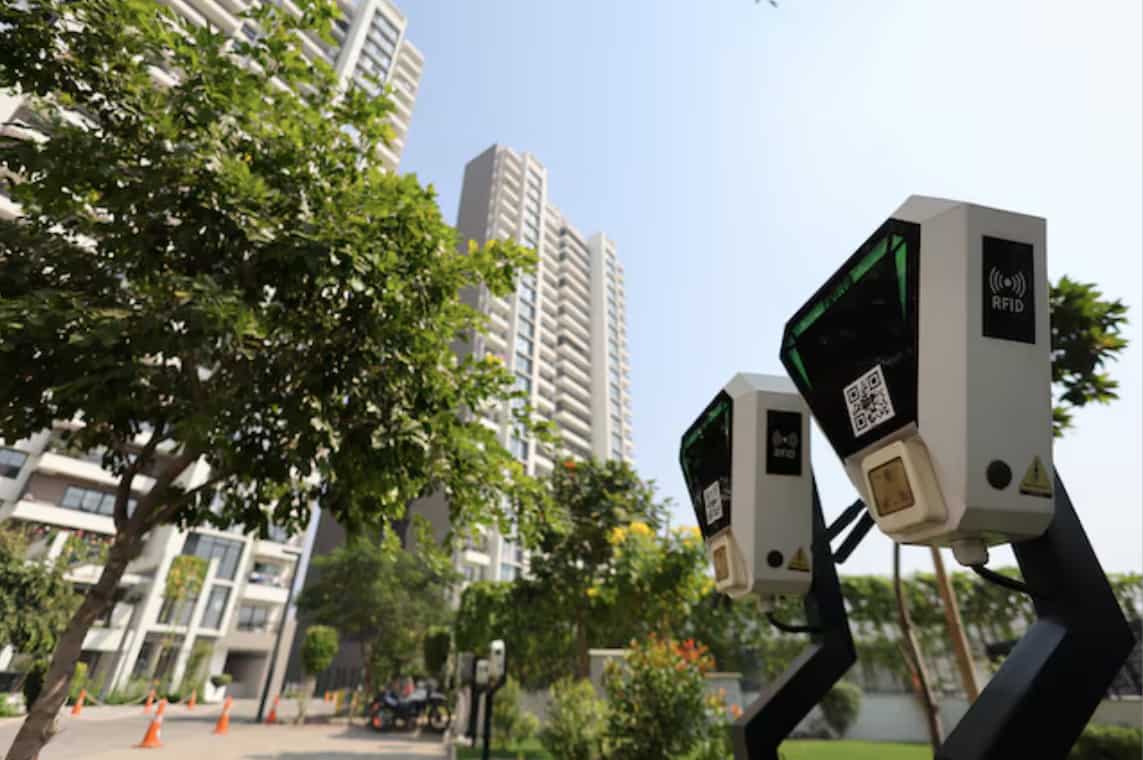
Perhaps most critically, the insufficient development of charging infrastructure represents a significant impediment to pure electric vehicle adoption. Currently, a single charging station in India serves approximately 135 electric vehicles, compared to one station per 20 EVs in more established markets like China and the United States. This infrastructure deficit perpetuates range anxiety among potential buyers, substantially limiting electric vehicle sales.
The market dynamics reflect these challenges starkly. Mild hybrids, which utilise battery technology to marginally improve fuel efficiency while primarily operating on gasoline, have captured 11% of new car sales in the first six months of the year. In contrast, fully electric vehicles account for a mere 2.5% of the market.
&im=FitAndFill=(700,400)&imwidth=180&imheight=135&format=webp&quality=medium)
What is the real meaning behind Pete Hegseth's tattoos?
&imwidth=180&imheight=135&format=webp&quality=medium)
Kim Jong Un death rumours: State media shares photos to prove dictator is alive amid reports of brain haemorrhage
&imwidth=180&imheight=135&format=webp&quality=medium)
Two Indians among 28 arrested in California over alleged voter registration fraud, DOJ says
&imwidth=180&imheight=135&format=webp&quality=medium)
‘Nuclear-use decision should be taken by humans’: India flags AI risks at UN
&imwidth=180&imheight=135&format=webp&quality=medium)
Flying car race: Alef Aeronautics welcomes Tesla Roadster '11 years' later, but are the two models the same?
&imwidth=180&imheight=135&format=webp&quality=medium)
Dussehra 2025: Why is Ravana not burnt but worshipped in these places of India?
&imwidth=180&imheight=135&format=webp&quality=medium)
Shastri backs Shami comeback; lauds Bhuvi and warns Bumrah on format workload ahead of World Cup
&imwidth=180&imheight=135&format=webp&quality=medium)
Netanyahu rival Benny Gantz quits Israel election race, vows to push for unity government
&imwidth=180&imheight=135&format=webp&quality=medium)
US Midterm 2026: What do opinion polls and prediction markets say less than two weeks before voting
&imwidth=180&imheight=135&format=webp&quality=medium)
Mariah Carey wins $20 million legal battle over brother’s defamation lawsuit against her bestselling memoir
&imwidth=180&imheight=135&format=webp&quality=medium)
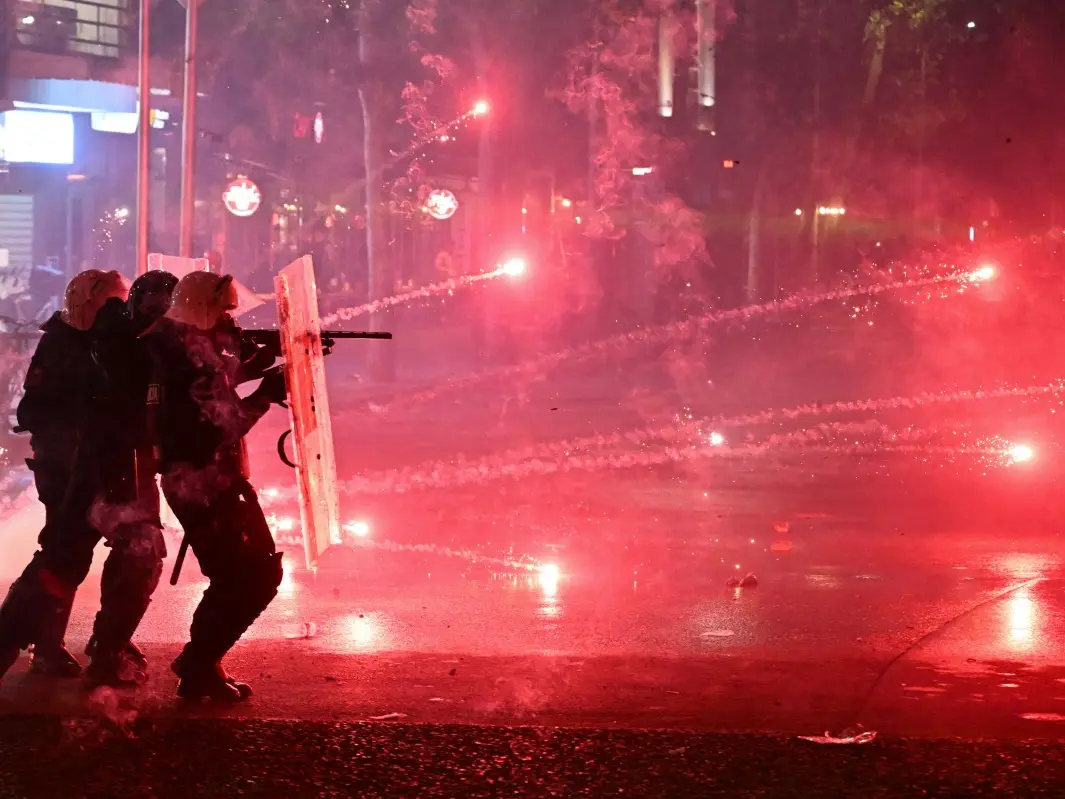
WATCH | Albania protesters set Supreme Court on fire as anti-Rama riots escalate
&imwidth=180&imheight=135&format=webp&quality=medium)
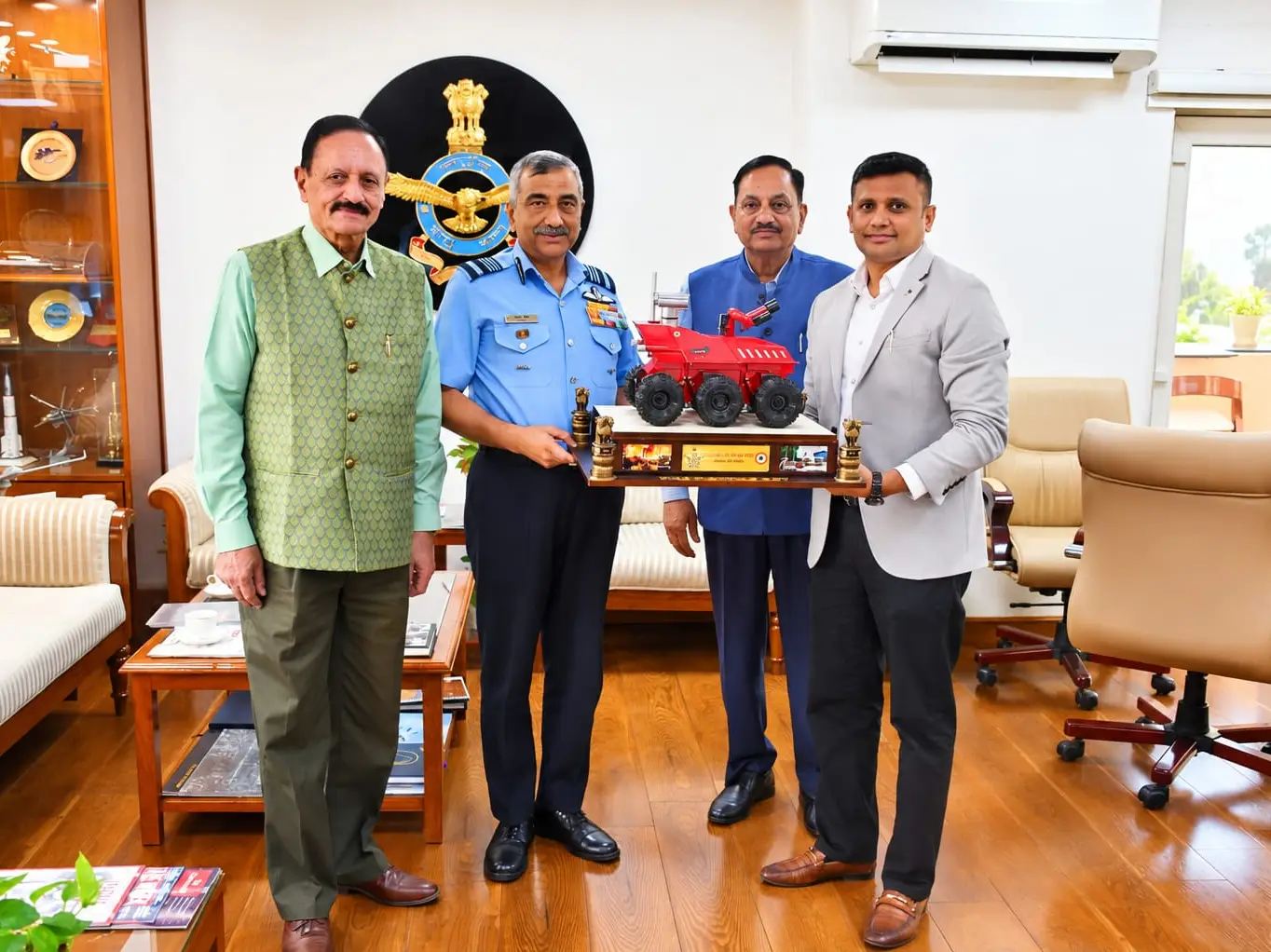
Indian Air Force turns to homegrown firefighting robot developed under iDEX programme
&imwidth=180&imheight=135&format=webp&quality=medium)
Pete Hegseth meets Benjamin Netanyahu during unannounced visit to Israel ahead of election
&im=FitAndFill=(700,400)&imwidth=180&imheight=135&format=webp&quality=medium)
Ghaziabad is world's fastest-growing city; Surat, Patna, Rajkot also feature on list
&imwidth=180&imheight=135&format=webp&quality=medium)
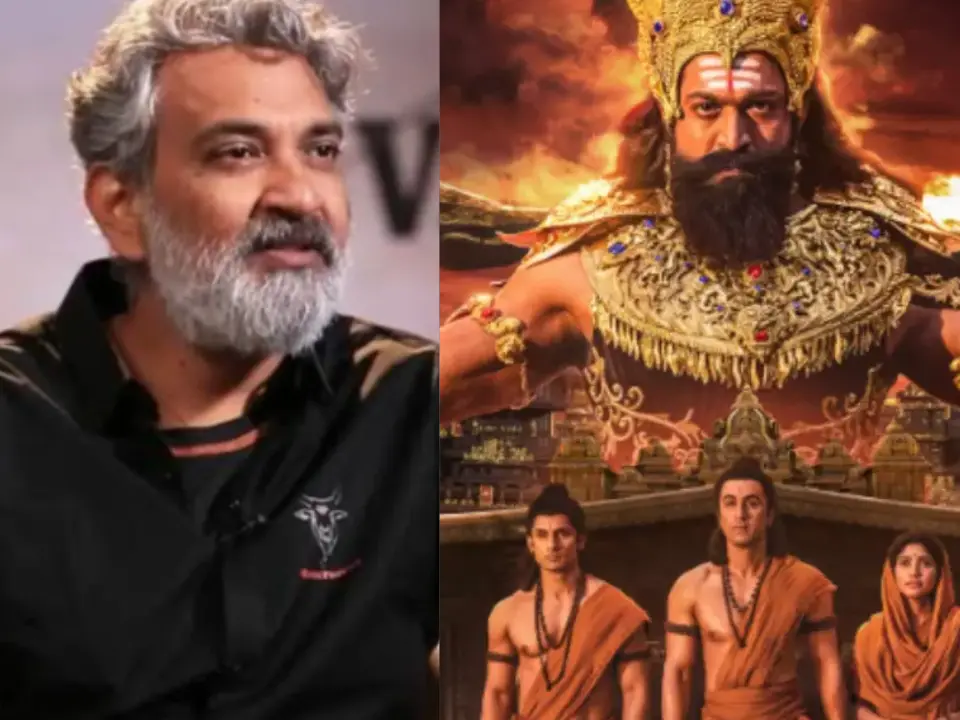
'It's a joy to see the makers bring it on such a grand scale': SS Rajamouli on Ramayana
&imwidth=180&imheight=135&format=webp&quality=medium)
Dark fantasy, violence, adult themes: BBFC data reveals animation's shift towards older audiences
&imwidth=180&imheight=135&format=webp&quality=medium)
Far-left parties, global networks among 54 groups linked to France protests, only 16 are youth outfits: Report
&imwidth=180&imheight=135&format=webp&quality=medium)
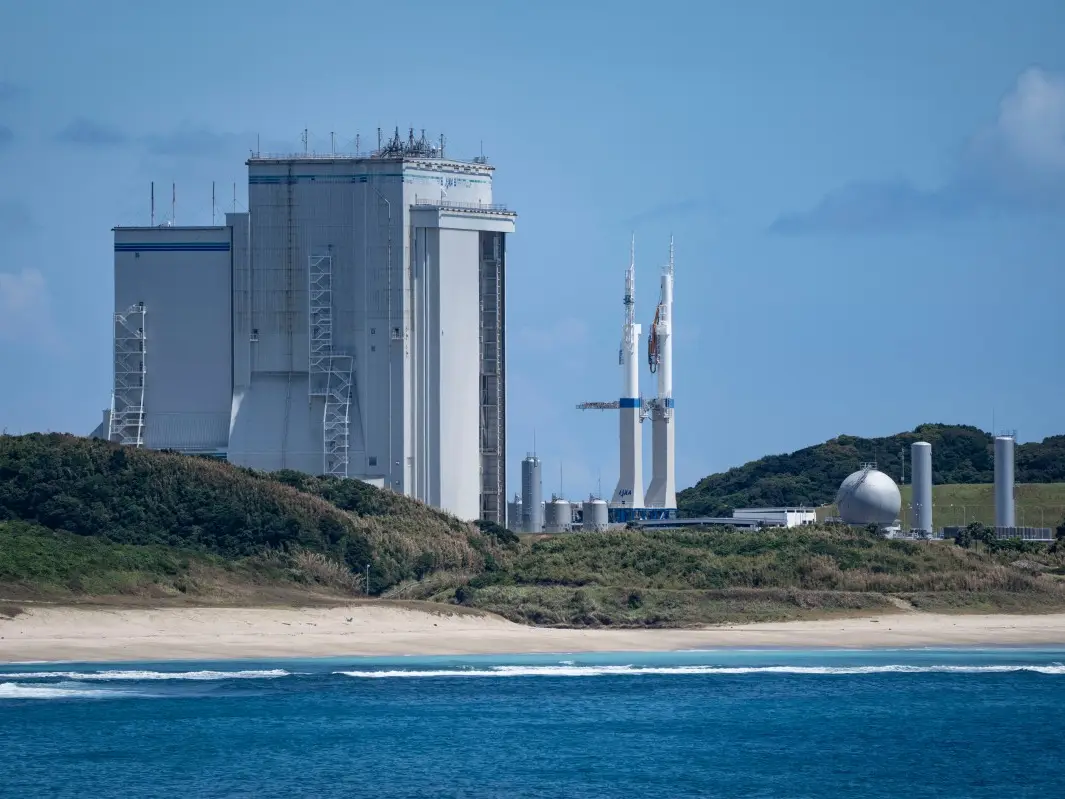
WATCH | Japan launches historic mission to collect samples from Mars' moon Phobos
&imwidth=180&imheight=135&format=webp&quality=medium)
India begins National Red List Assessment of 1,211 bird species to boost conservation
&imwidth=180&imheight=135&format=webp&quality=medium)
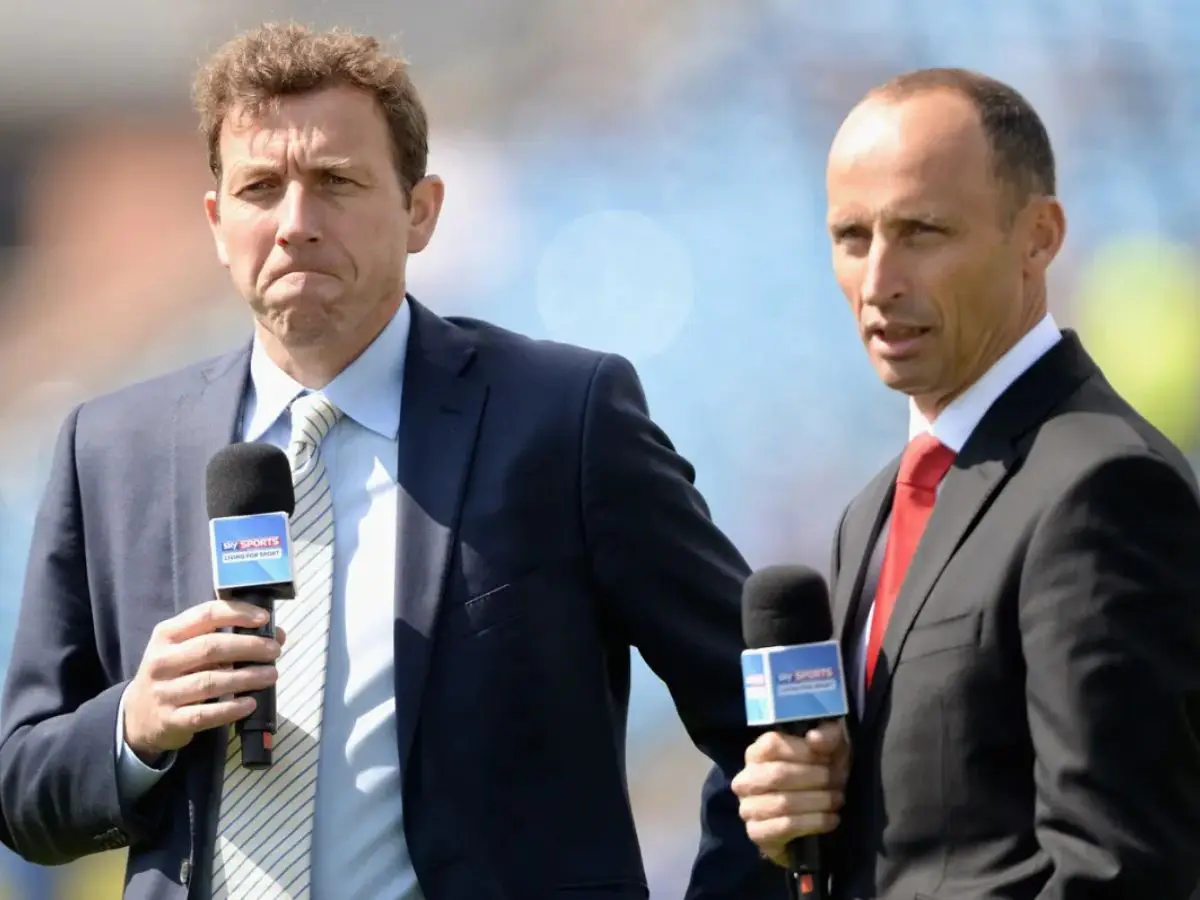
PCB omits Atherton, Hussain from tri-series commentary panel over Imran Khan interview row
&imwidth=180&imheight=135&format=webp&quality=medium)
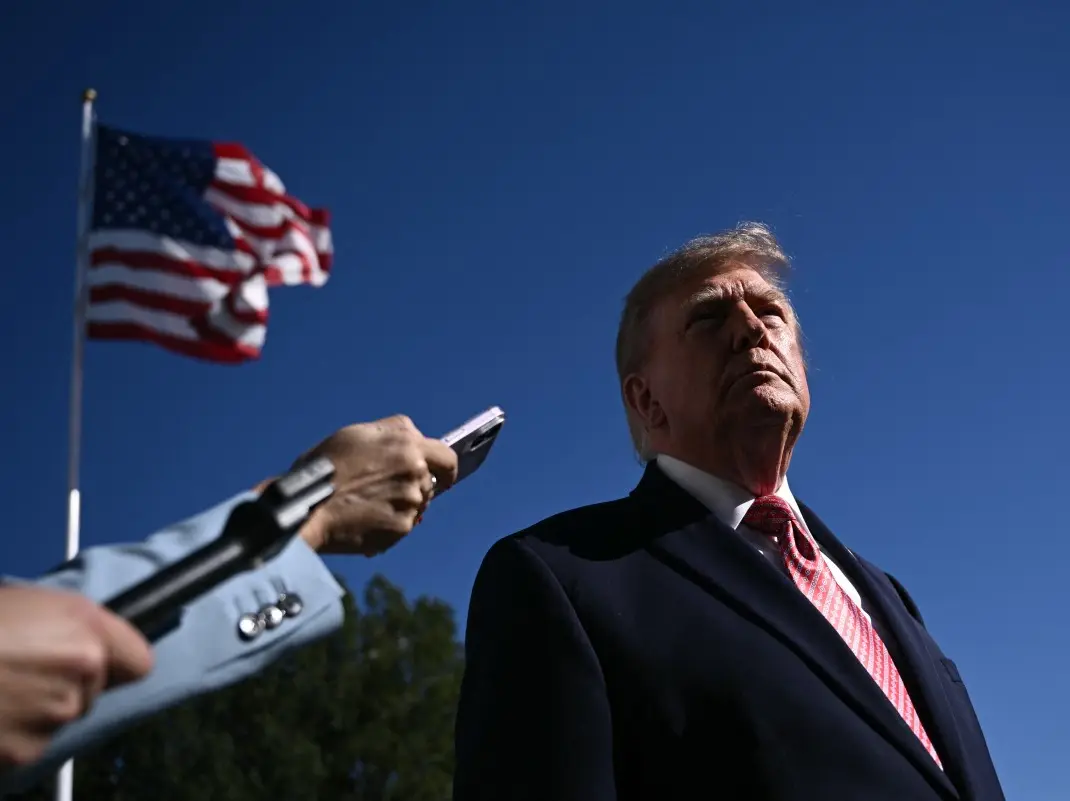
Trump calls on New Mexico to become 'New America', claims 'home values and incomes would rise'
&im=FitAndFill=(700,400)&imwidth=180&imheight=135&format=webp&quality=medium)
Priyanka Chopra to Shilpa Shetty: 6 Bollywood actresses and their fitness secrets
&imwidth=180&imheight=135&format=webp&quality=medium)
Pujara says 'Samson and Vaibhav cannot be in Playing XI' for India on NZ tour
&imwidth=180&imheight=135&format=webp&quality=medium)
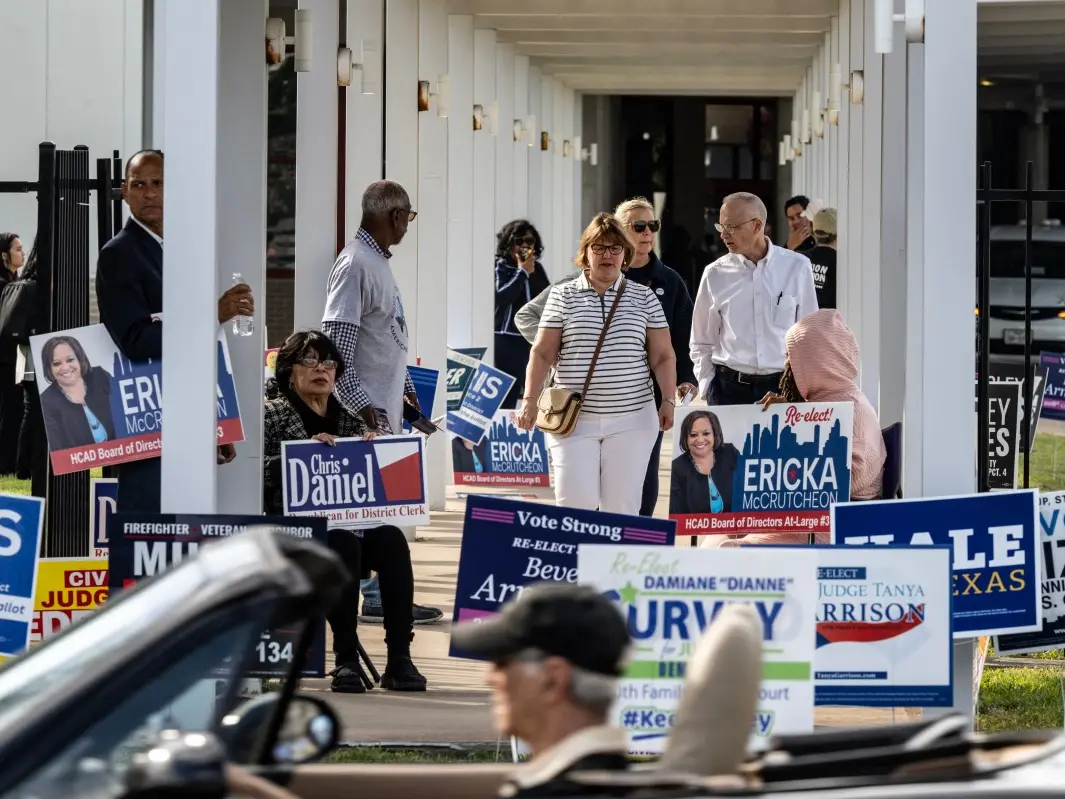
US midterms 2026: From Pooja Sethi to Vivek Ramaswamy, here are Indian-origin candidates to watch out for
&im=FitAndFill=(700,400)&imwidth=180&imheight=135&format=webp&quality=medium)
New OTT releases this week (October 19-25, 2026): Gajab Raat to Chaar Yaar-8 titles to watch during Dussehra week on Netflix, Prime Video and more
&imwidth=180&imheight=135&format=webp&quality=medium)
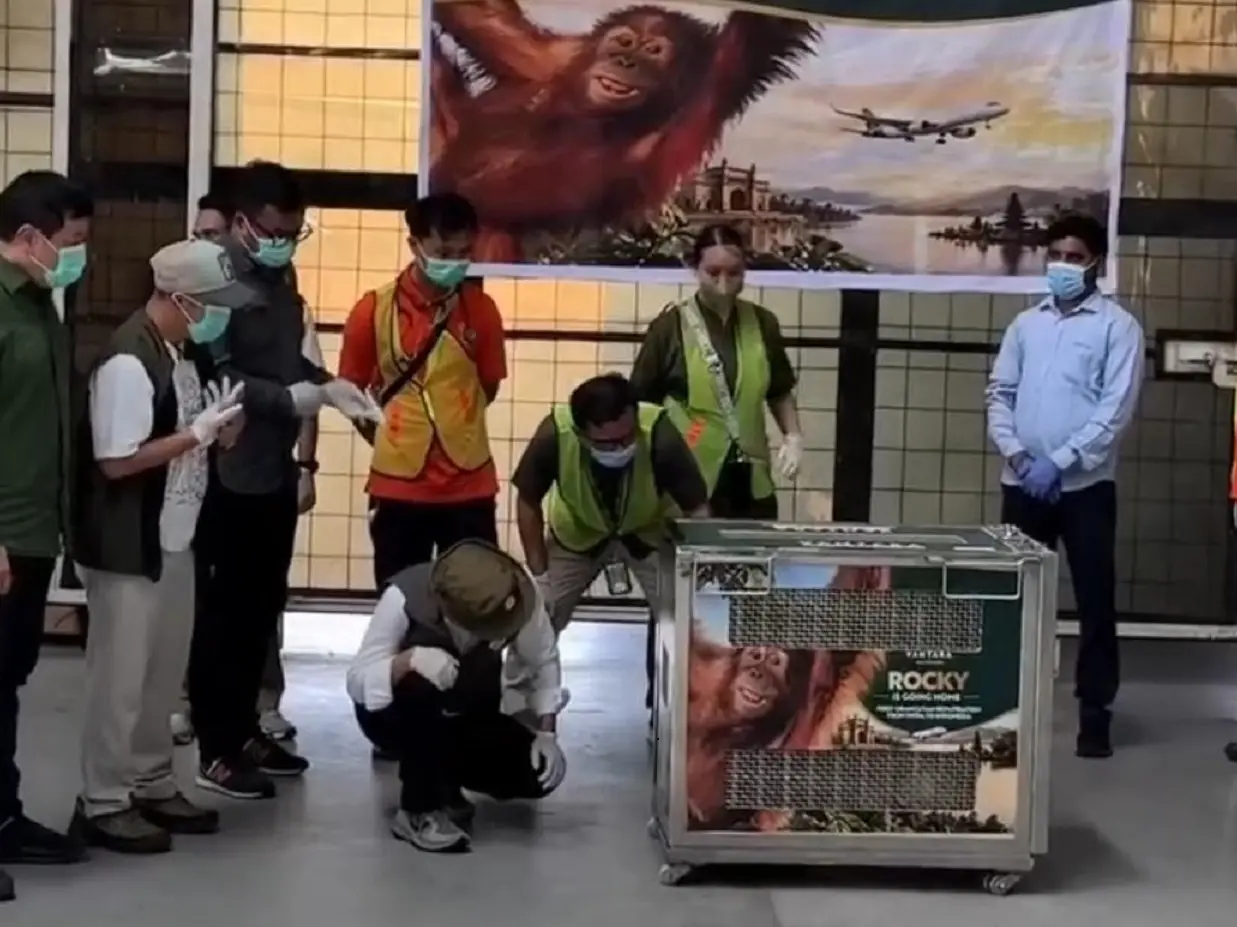
Baby orangutan rescued in India returns to Indonesia
&imwidth=180&imheight=135&format=webp&quality=medium)
India moves to buy 10,000 more AI chips for a national compute pool open to startups
&imwidth=180&imheight=135&format=webp&quality=medium)
Prince Harry, Meghan Markle never accepted Queen Elizabeth’s terms for royal exit: Report
&imwidth=180&imheight=135&format=webp&quality=medium)
'Whatever I can do to end this war': Trump floats China Summit with Putin and Xi, questions Zelensky's role in peace talks
&imwidth=180&imheight=135&format=webp&quality=medium)
'They are not even telling us' - Mysterious metallic object discovered in Minnesota field
&imwidth=180&imheight=135&format=webp&quality=medium)
'We feel like Mr India': Gujarat’s undercover SHE team guard garba nights at Navratri
&imwidth=180&imheight=135&format=webp&quality=medium)
Cattle-feed bran in biscuits, detergent in milk: FSSAI acts against 3 companies
&imwidth=180&imheight=135&format=webp&quality=medium)
Feds obtain DNA evidence that could prove Ilhan Omar married her brother: Report
&imwidth=180&imheight=135&format=webp&quality=medium)
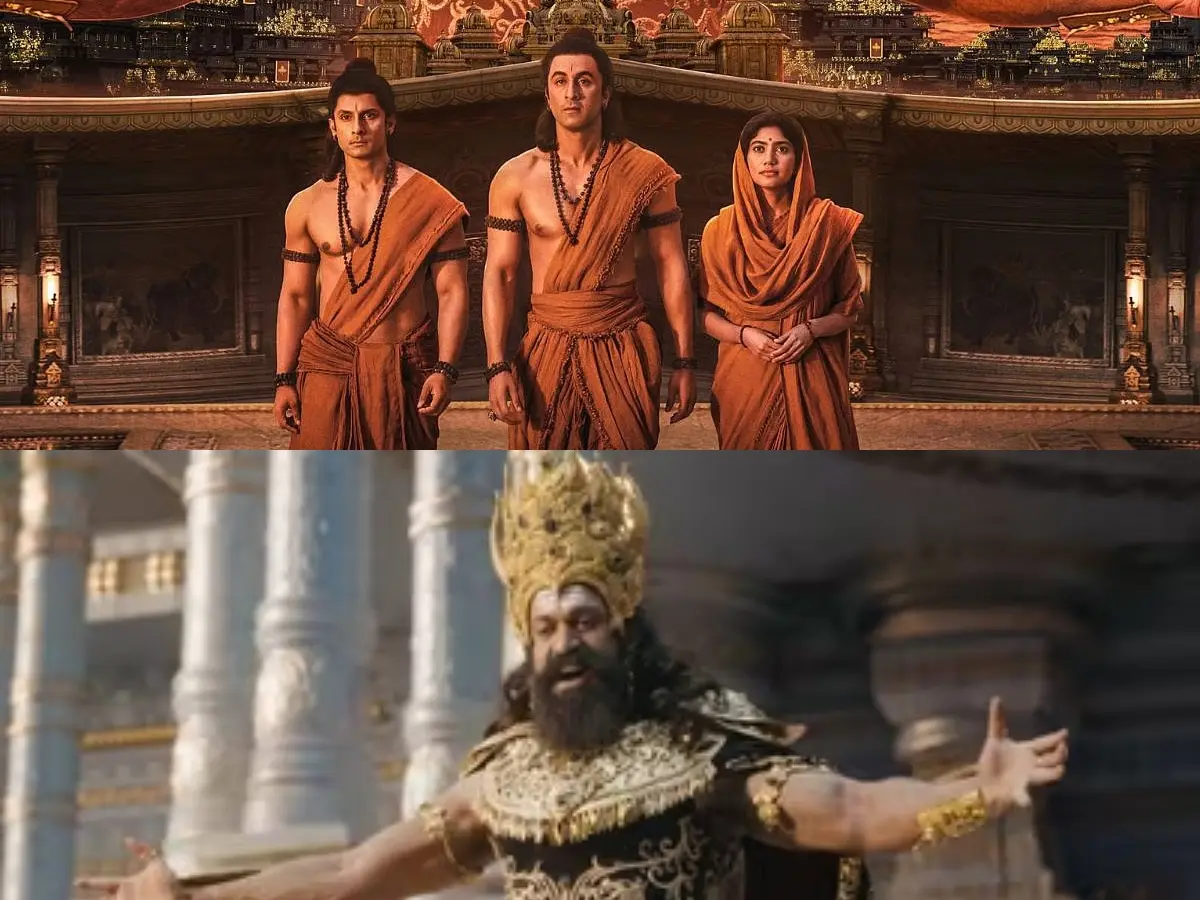
Ramayana advance booking: Ranbir Kapoor, Yash's film cross $500K ahead of Diwali release
&imwidth=180&imheight=135&format=webp&quality=medium)
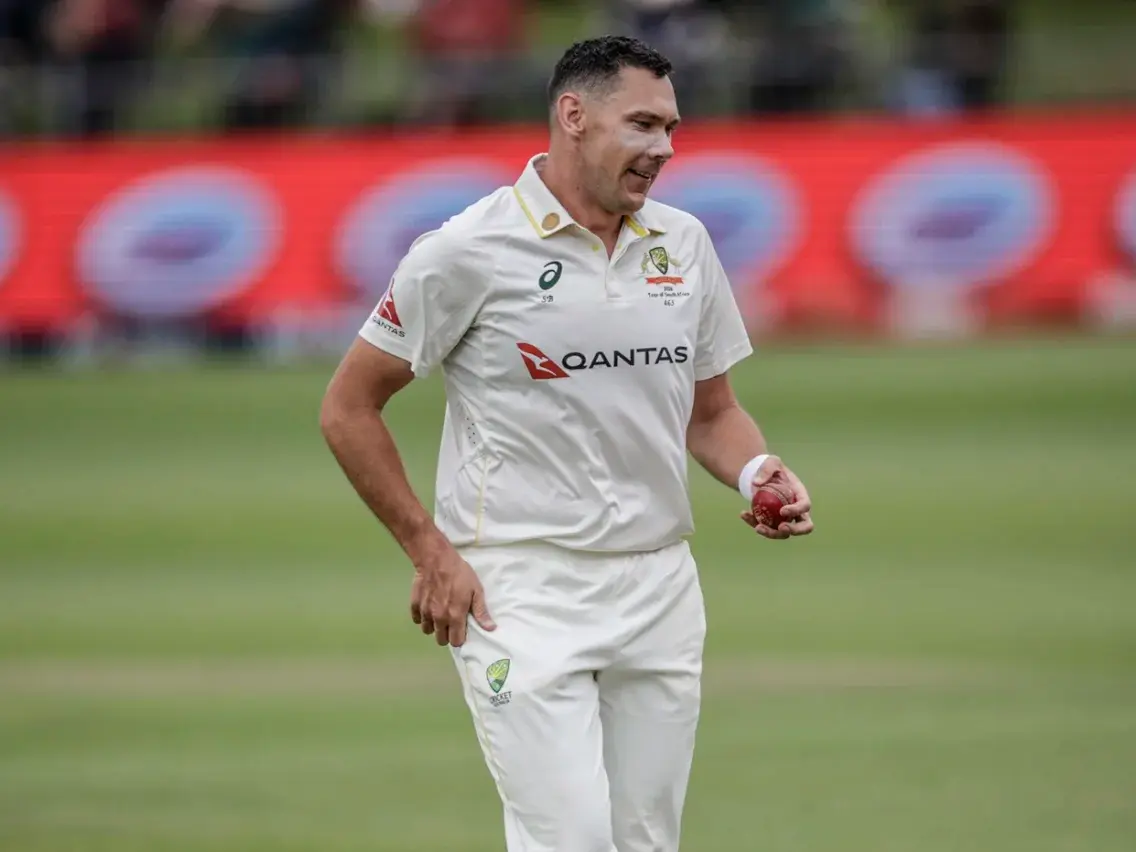
AUS vs SA: Boland grabs opportunity with both ends to help Australia dominate
Research firm BMI projects that without significant policy interventions, pure battery-powered vehicles may constitute less than 7% of new sales by 2033 – a dramatic shortfall from the government's ambitious 30% target.
Potential remedies exist. A proposed third phase of the FAME scheme could strategically limit subsidies to pure electric and plug-in hybrid vehicles, potentially redirecting market momentum. However, without immediate and decisive action, Modi's government risks experiencing a substantial setback in its electrification agenda.
The implications extend beyond automotive sales. India's electric vehicle strategy is intrinsically linked to broader national objectives of reducing carbon emissions, promoting technological innovation, and establishing domestic manufacturing capabilities in emerging automotive technologies.
As global automotive markets accelerate their transition towards electrification, India finds itself at a critical juncture. The current hybrid-heavy approach may provide short-term market flexibility but risks long-term technological competitiveness and environmental sustainability goals.

