Hybrid vehicles surpass petrol cars in EU Sales for the first time

Volkswagen logo
Hybrid electric vehicles have overtaken traditional petrol-powered cars in monthly sales for the first time, according to data released by the European Automobile Manufacturers Association (ACEA). This watershed moment comes amid a broader market slowdown, highlighting the accelerating transition toward electrified vehicles despite economic headwinds.
The September figures show hybrid vehicles commanding an unprecedented 32.8% share of new car sales in the European Union, surpassing petrol vehicles, which fell to 29.8%. This shift occurs against a backdrop of declining overall sales, with the EU market experiencing a 6.1% year-on-year decrease, primarily due to stagnation in major markets including Germany, France, and Italy.
The rise of hybrid vehicles appears to represent a strategic middle ground for European consumers, who increasingly view them as a cost-effective compromise between conventional combustion engines and fully electric vehicles. This trend has emerged even as sales of fully electric (BEV) and plug-in hybrid (PHEV) vehicles have experienced a slowdown, partly attributed to inconsistent green incentive policies across European nations.

The broader electrified vehicle category, encompassing BEVs, PHEVs, and conventional hybrids, now represents 56.9% of all new passenger car registrations, marking a substantial increase from 50.3% in the previous year. While battery electric vehicle sales showed a 9.8% increase in September compared to the previous year, their year-to-date volumes have actually decreased by 5.8%, revealing ongoing challenges in the sector's growth trajectory.
Among major manufacturers, performance varied significantly. Volkswagen Group reported a modest 0.3% increase in registrations, while Stellantis experienced a sharp 27.1% decline. Renault saw a more moderate decrease of 1.5%, reflecting the uneven impact of market conditions on different manufacturers.
ACEA Director General Sigrid de Vries expressed concern about the current market dynamics, stating, "Today's numbers illustrate that we're still a long way away from the thriving EV market Europe needs." She emphasised that the current pattern falls short of the "steady and reliable market growth that is needed for a successful green mobility transformation."
&imwidth=180&imheight=135&format=webp&quality=medium)
Brendan Taylor overtakes Andy Flower to become Zimbabwe’s leading ODI run-scorer
&imwidth=180&imheight=135&format=webp&quality=medium)
Pakistan to head IMF, World Bank boards after 74 years amid persistent economic crisis
&imwidth=180&imheight=135&format=webp&quality=medium)
"The scariest thing was"... flydubai Captain Smit Machchhar recalls cockpit fight and how he thought of his son and daughter
&imwidth=180&imheight=135&format=webp&quality=medium)
'We are not sitting in ivory towers, we are aware': SC issues notice to Rahul Gandhi, Akhilesh Yadav
&imwidth=180&imheight=135&format=webp&quality=medium)
6-year-old among 2 killed as vehicle crashes into youth soccer game in US
&imwidth=180&imheight=135&format=webp&quality=medium)
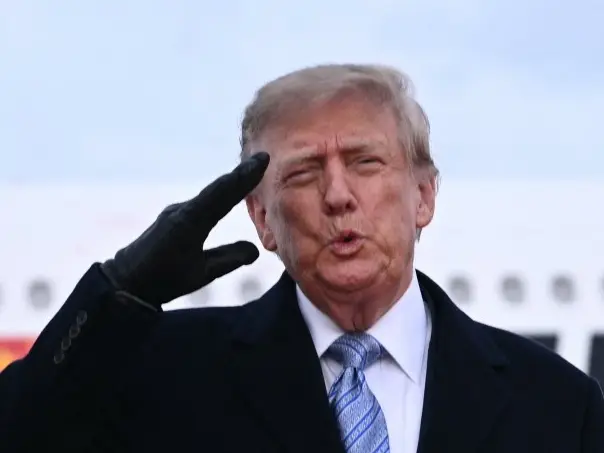
‘I have very severe problems’: Trump fuels health speculation during address to firefighters
&imwidth=180&imheight=135&format=webp&quality=medium)
Lizard people? Ex-US Army sniper claims soldier killed by 'reptilian beings' in battle near Area 51
&imwidth=180&imheight=135&format=webp&quality=medium)
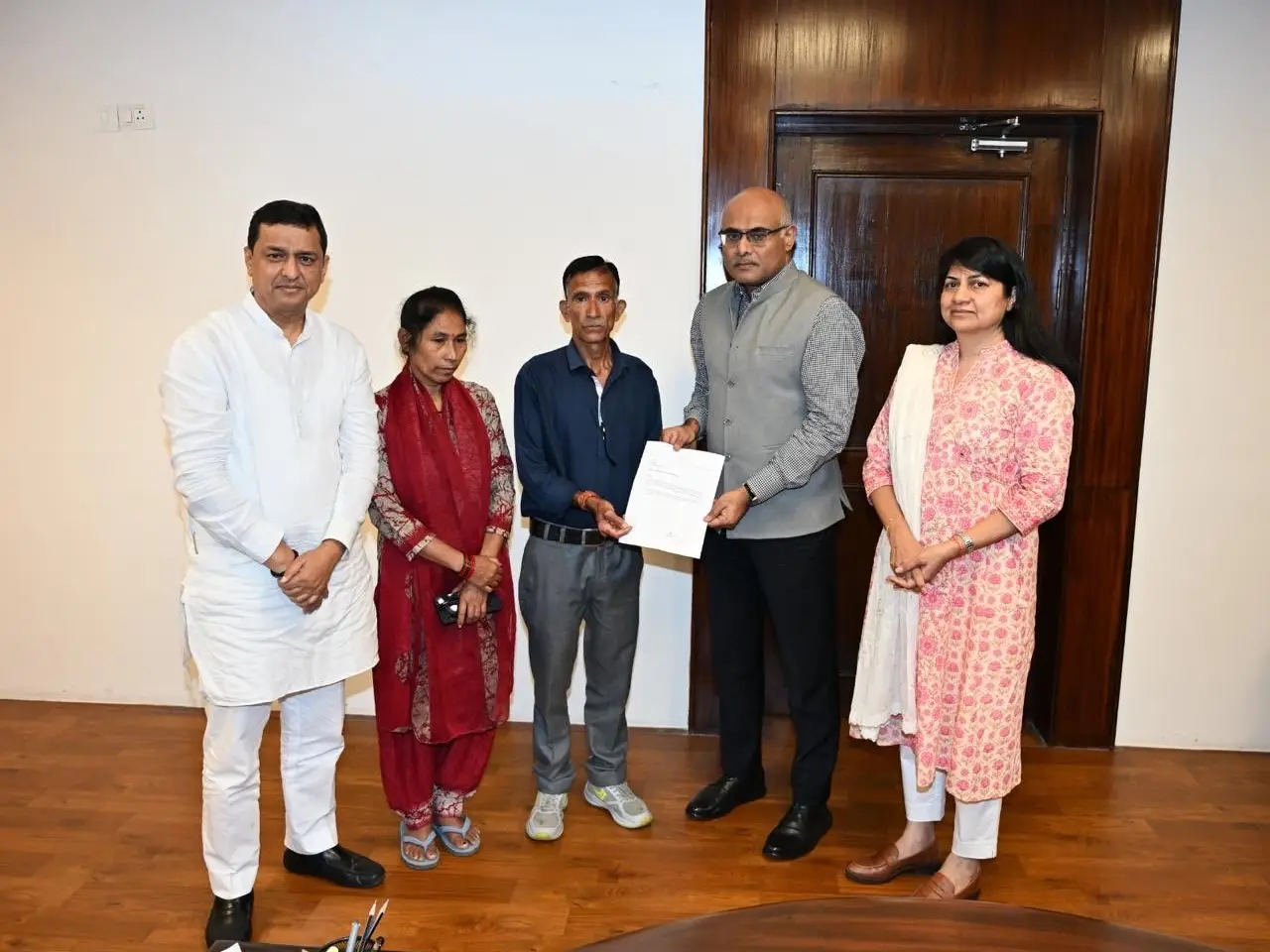
Ankita Bhandari murder case: Parents meet CBI, seek impartial investigation
&imwidth=180&imheight=135&format=webp&quality=medium)
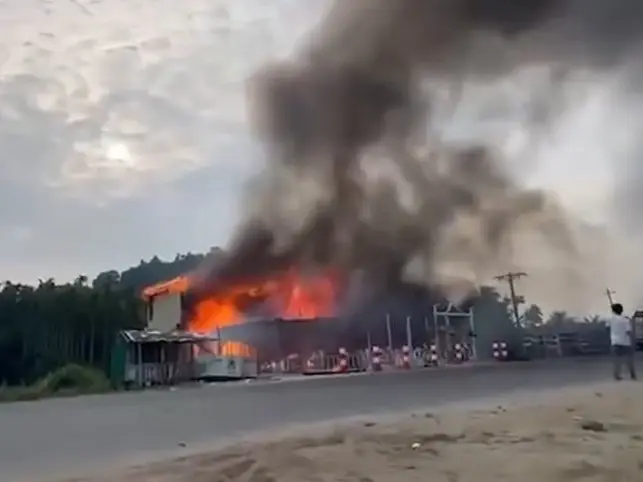
Bangladesh resort fire kills 10 tourists, including a 5-year-old child
&imwidth=180&imheight=135&format=webp&quality=medium)
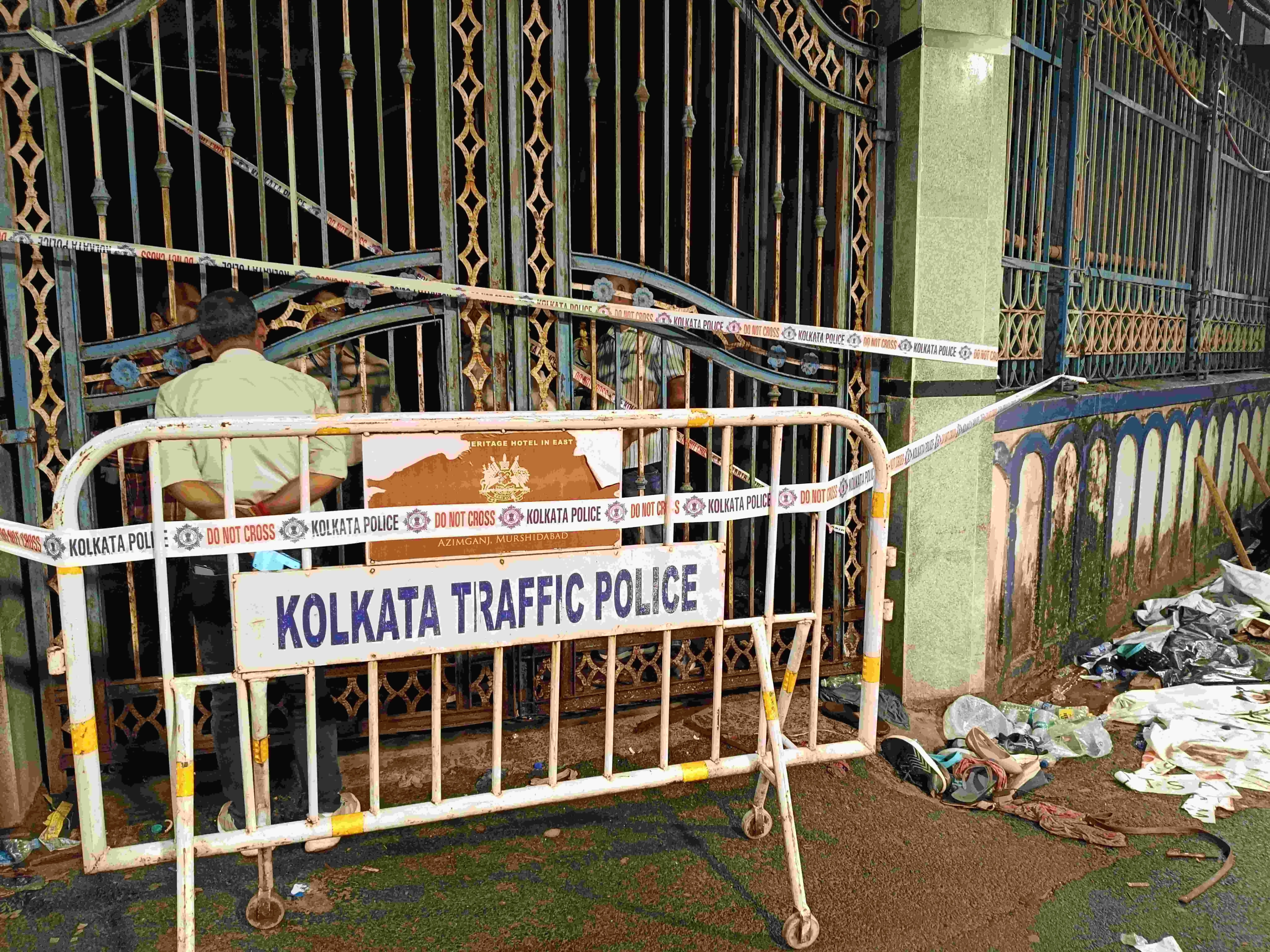
At least 19 killed in stampede-like situation after part of Kolkata Durga Puja pandal collapses
&imwidth=180&imheight=135&format=webp&quality=medium)
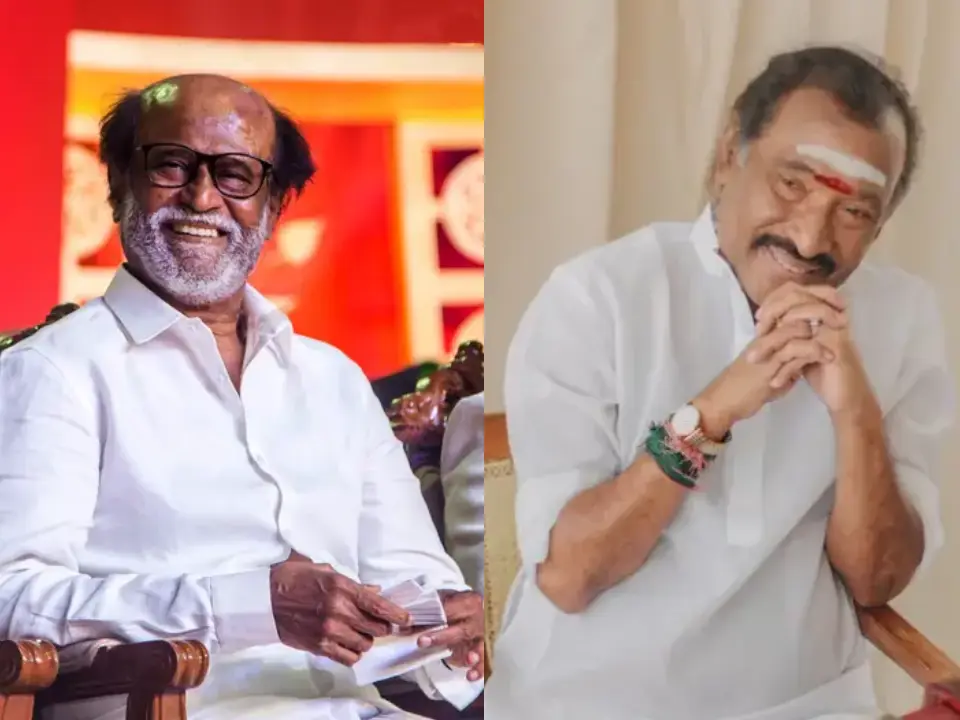
Rajinikanth remembers late composer Deva, recalls his kindness and musical legacy
&imwidth=180&imheight=135&format=webp&quality=medium)
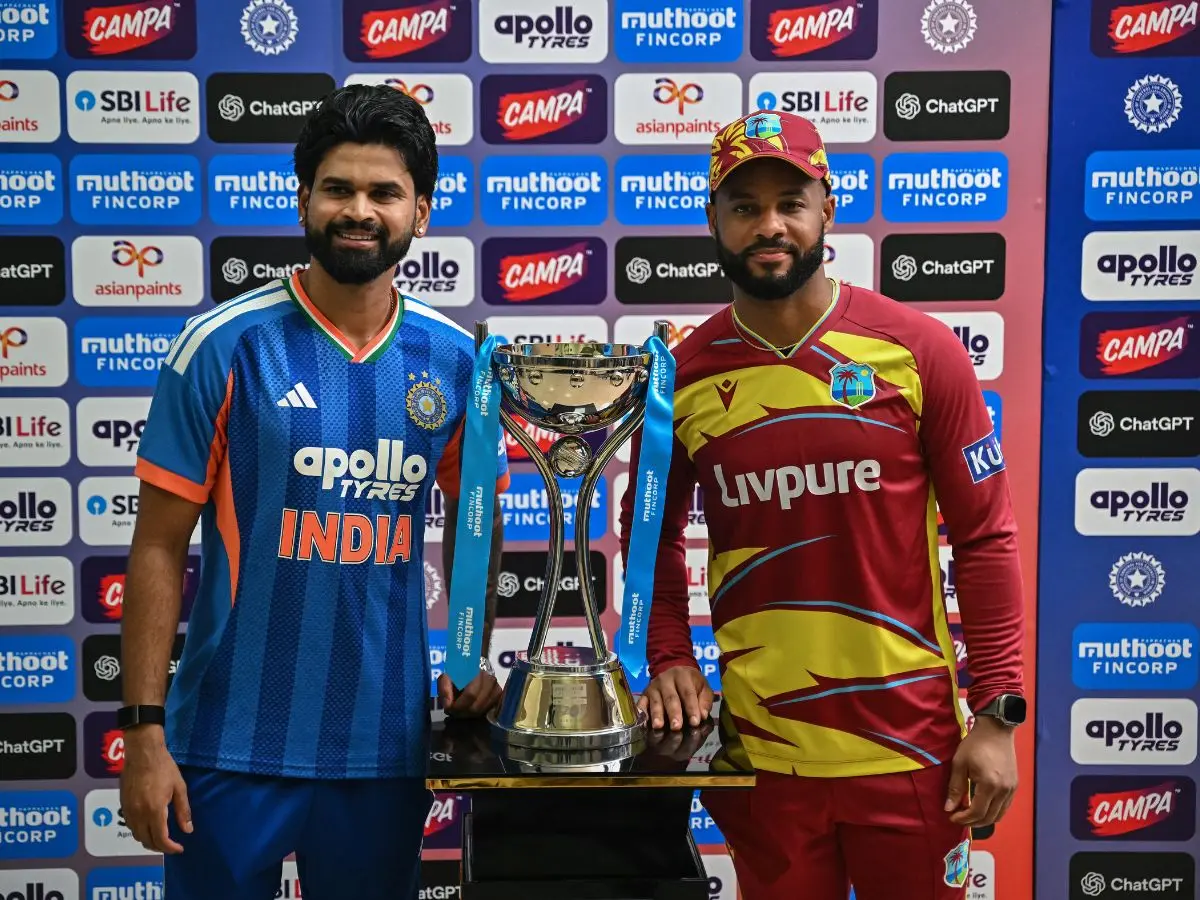
Rain washes out 5th T20I as India-West Indies share honours 2-2
&imwidth=180&imheight=135&format=webp&quality=medium)
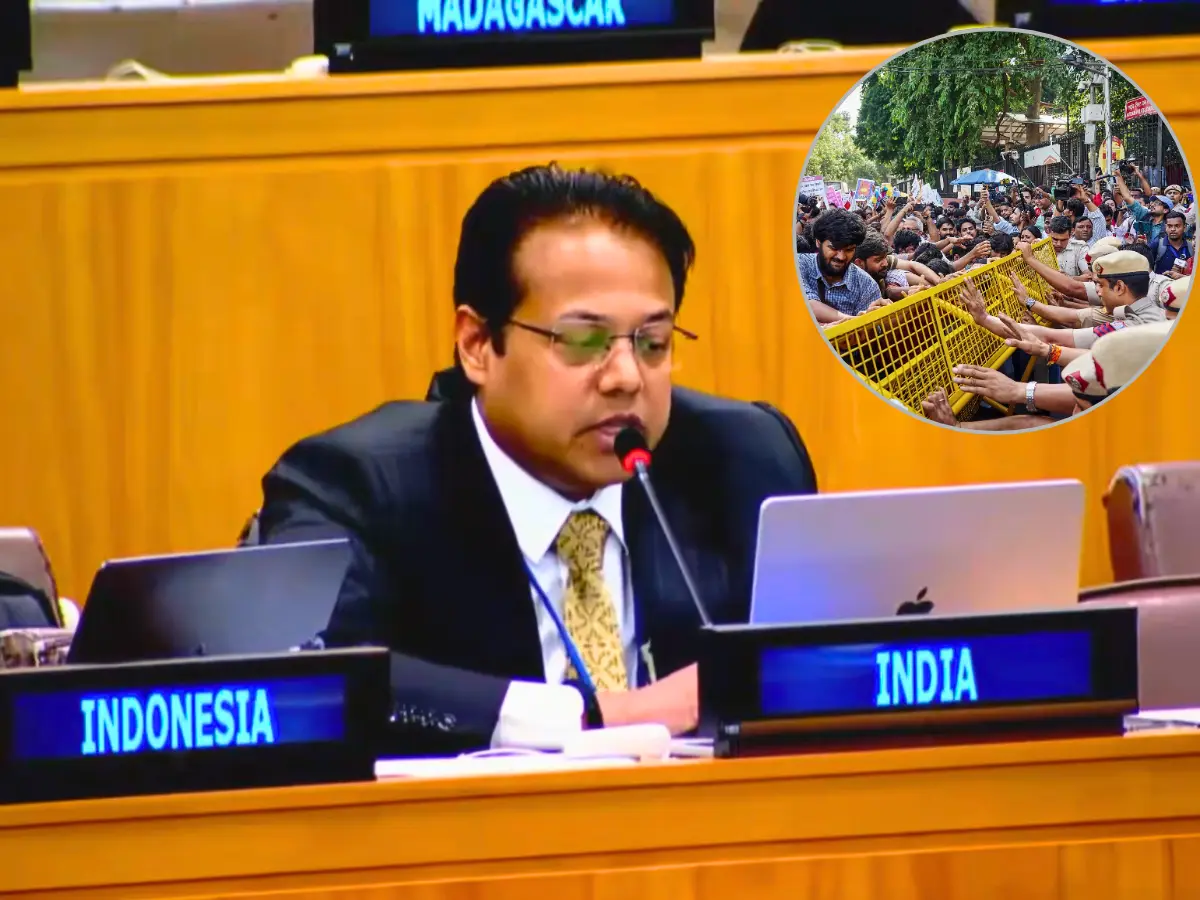
'Reason UN has lost credibility': Amid SIR protests India hits out at report alleging 'youth repression'
&imwidth=180&imheight=135&format=webp&quality=medium)
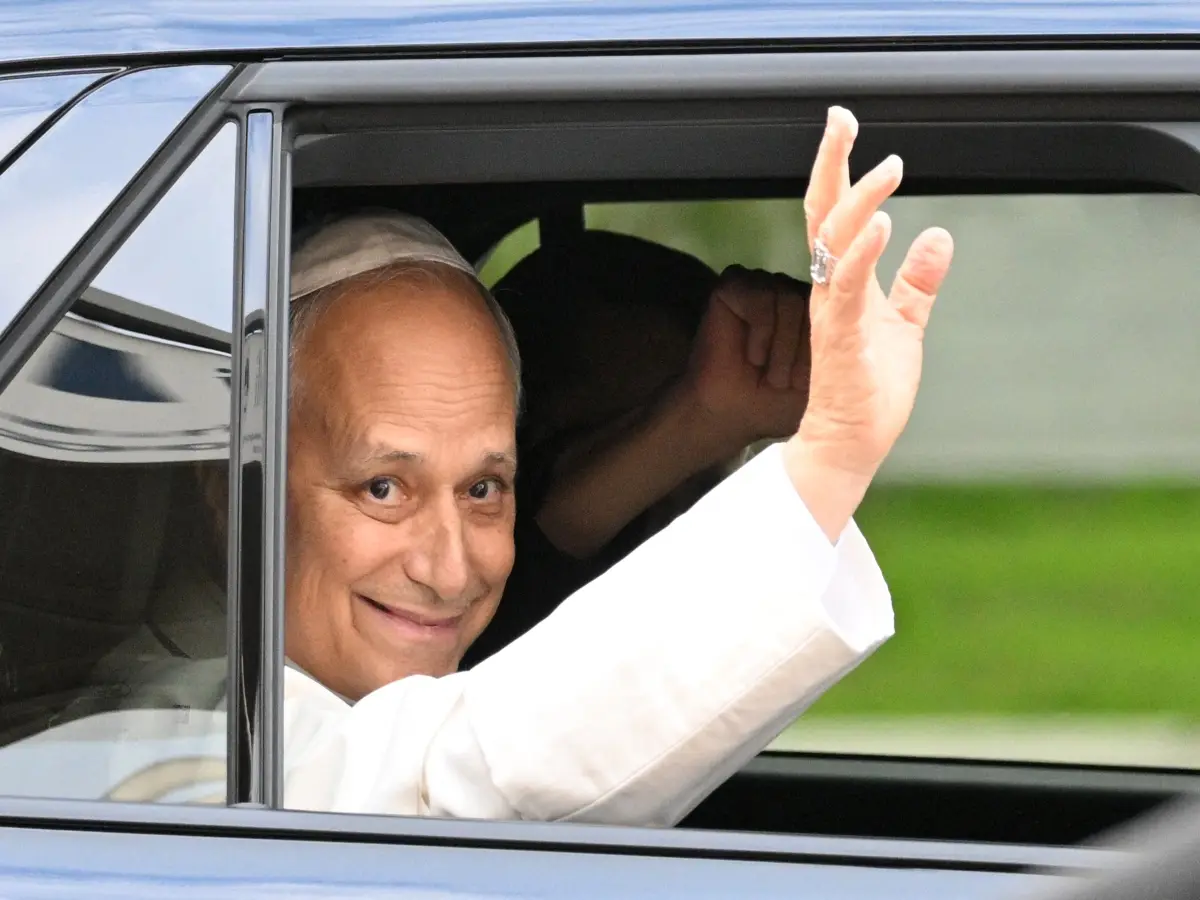
Pope Leo XIV discharged from hospital in Rome after cancer surgery
&imwidth=180&imheight=135&format=webp&quality=medium)
‘My president, I mean my husband’: Trump's new press secretary Katie Zacharia's first briefing goes off the rails in 14 minutes
&imwidth=180&imheight=135&format=webp&quality=medium)
China responds to Trump's Press Secretary Katie Zacharia after toilet remark: 'Visit China more often'
&imwidth=180&imheight=135&format=webp&quality=medium)
UAE agrees with Saudi Arabia to rejoin Yemen fight as Houthi strikes rattle Riyadh
&imwidth=180&imheight=135&format=webp&quality=medium)
'Let’s go to France, no riots, no revolutions': Trump mocks France protests, Vance blames it on immigration
&imwidth=180&imheight=135&format=webp&quality=medium)
SA vs AUS 2nd Test: Rain delays start as Rabada returns; Boland replaces Lyon for Australia
&imwidth=180&imheight=135&format=webp&quality=medium)
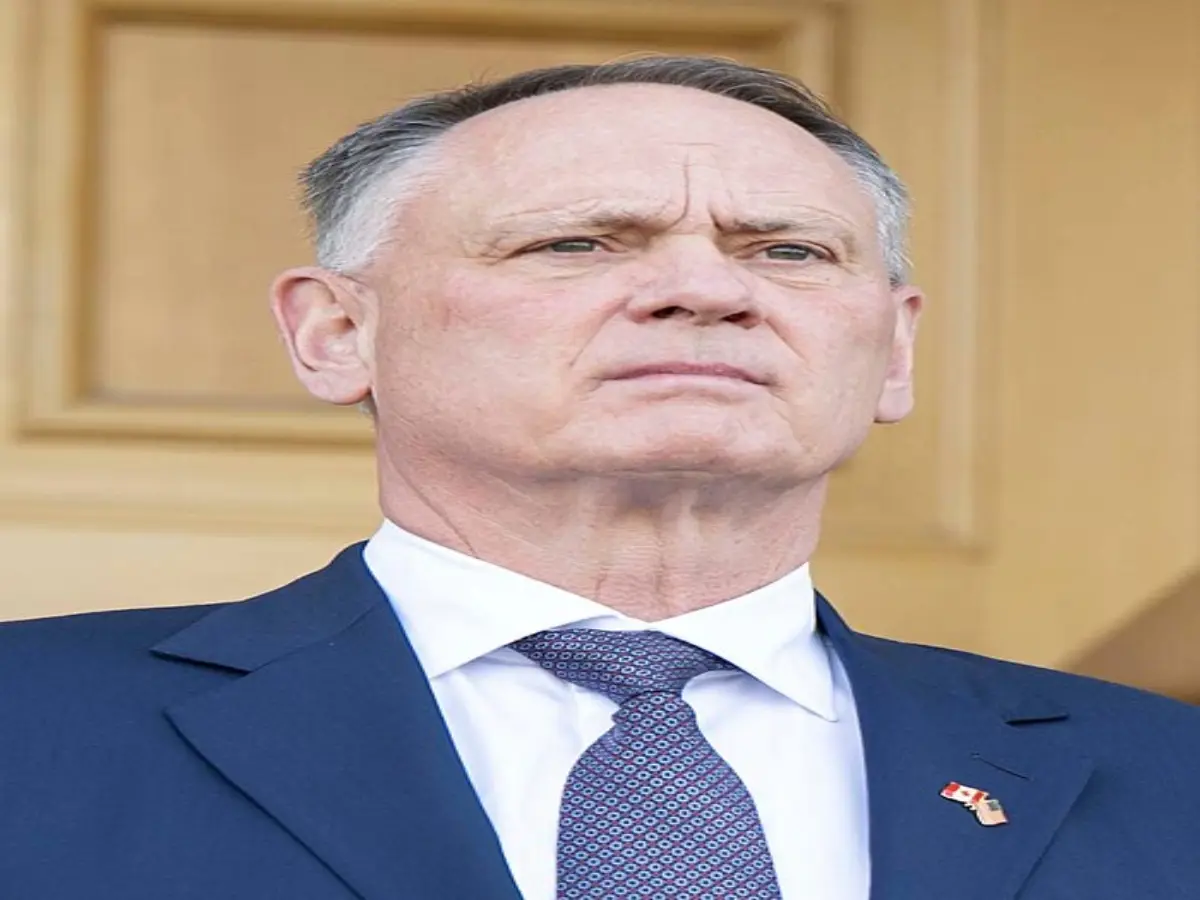
At least 400 arrested as protests turn violent in France; PM blames far left
&imwidth=180&imheight=135&format=webp&quality=medium)
Explosion and fire at military base in Canada's Alberta, casualties feared
&imwidth=180&imheight=135&format=webp&quality=medium)
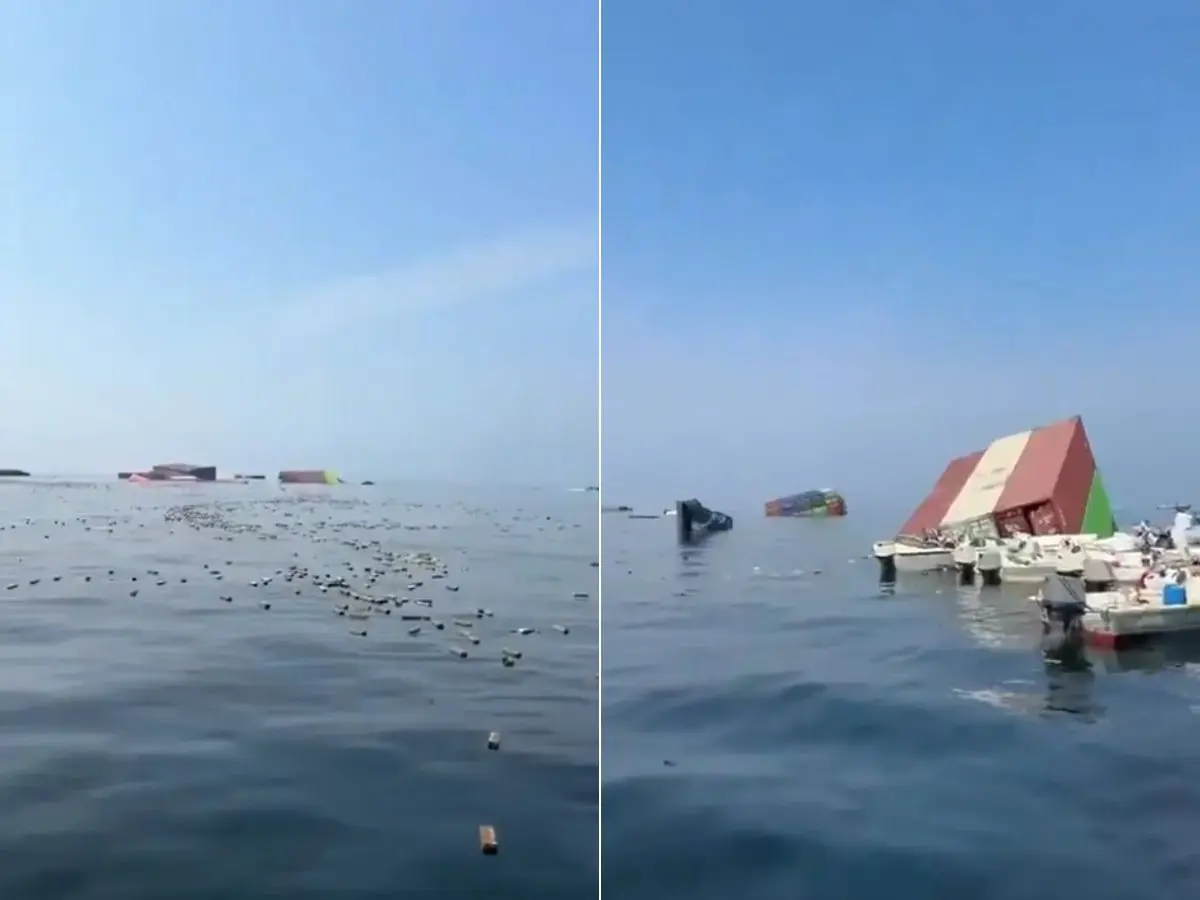
WATCH | iPhones, luxury perfumes floating in Hormuz? Iranian fishermen make bizarre discovery
&imwidth=180&imheight=135&format=webp&quality=medium)
Two students die, 14 injured at Dandiya event in Hyderabad: Know what happened? VIDEO
&imwidth=180&imheight=135&format=webp&quality=medium)
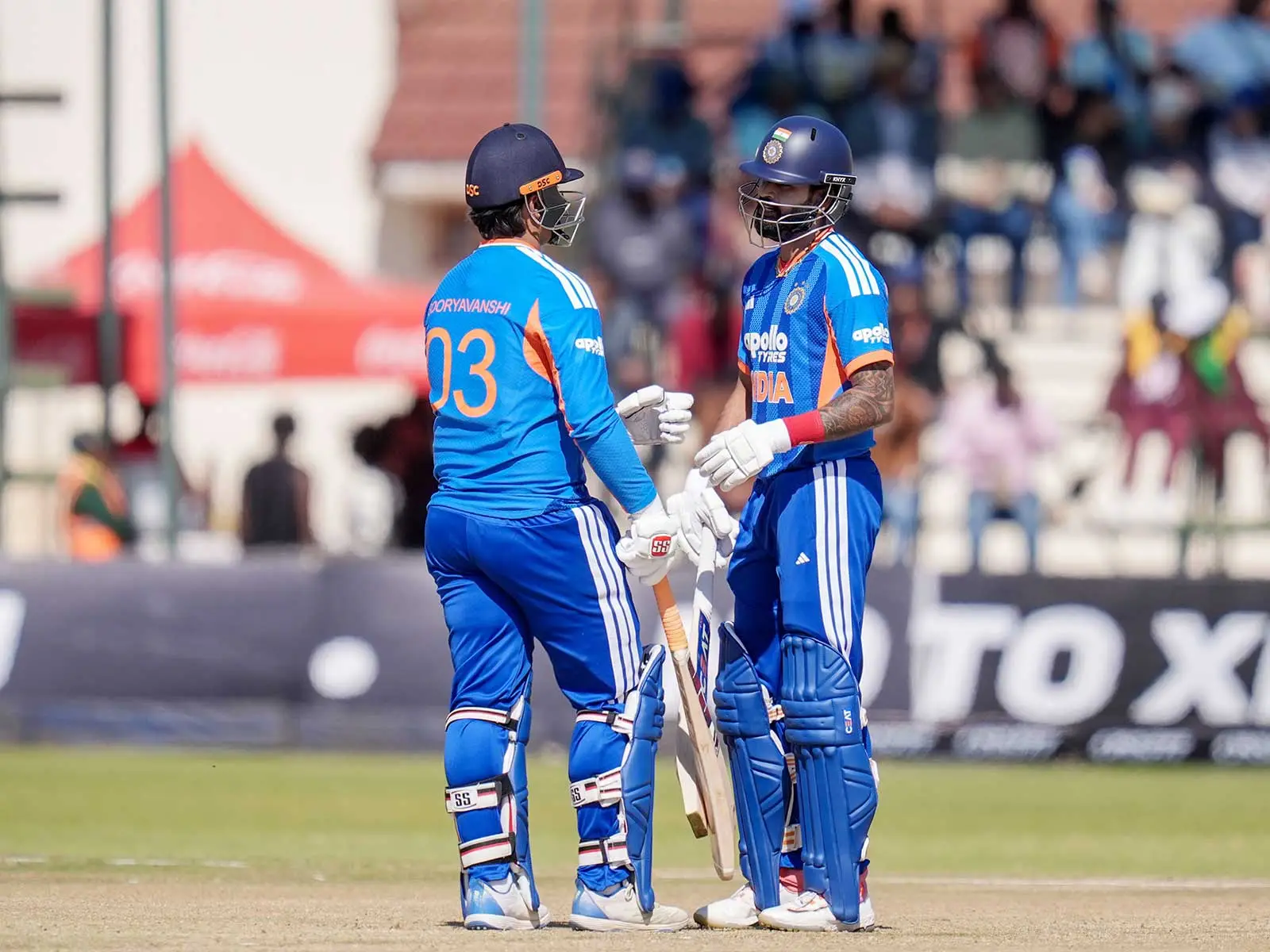
'keep telling him you will get your opportunities': Iyer opens up on conversations with Sooryavanshi
&imwidth=180&imheight=135&format=webp&quality=medium)
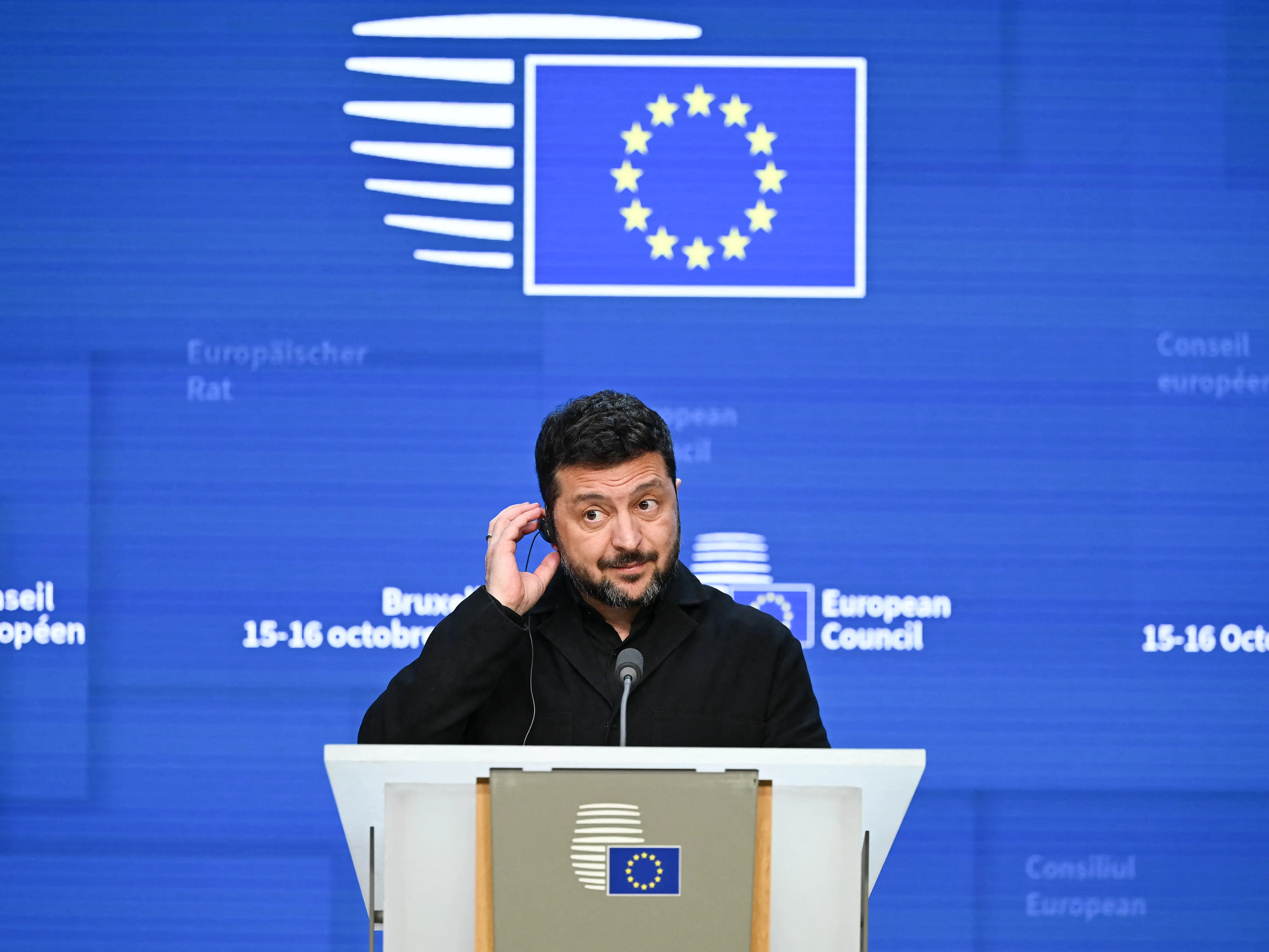
WATCH | Zelensky gives cheeky response when asked if Trump is making him a scapegoat ahead of US midterms
&imwidth=180&imheight=135&format=webp&quality=medium)
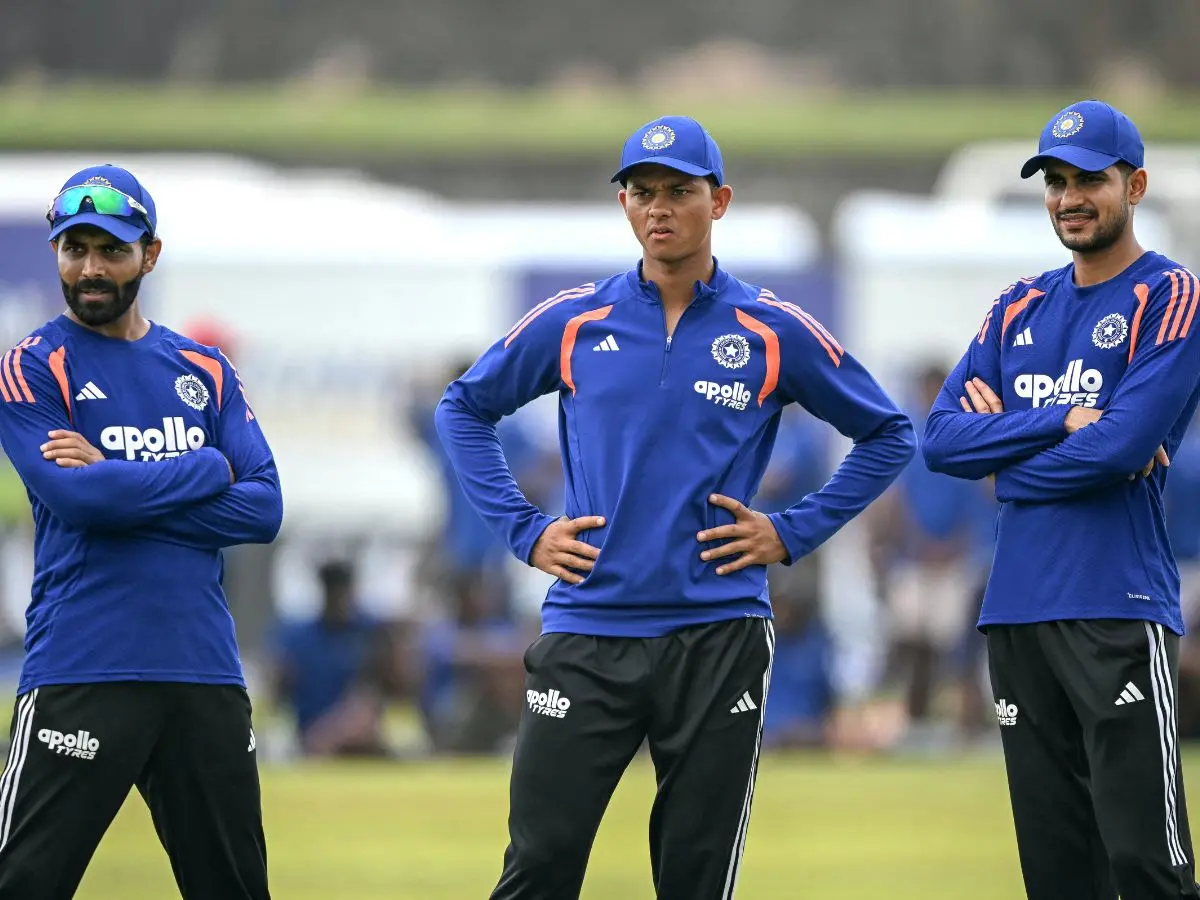
No Ravindra Jadeja, Yashasvi Jaiswal in India’s 2027 ODI World Cup plans: Report
&imwidth=180&imheight=135&format=webp&quality=medium)
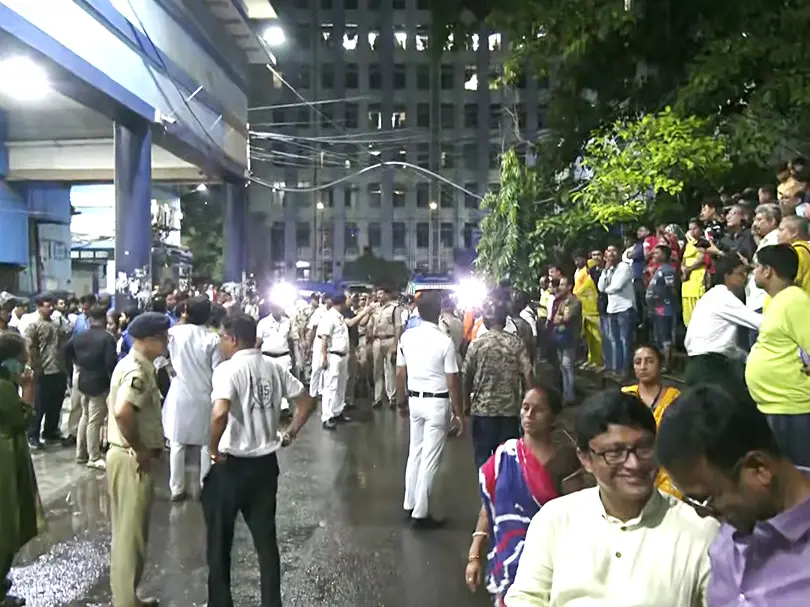
Kolkata Durga Puja stampede: PM Modi announces Rs 2 lakh ex-gratia for kin of dead, Amit Shah to visit injured
&imwidth=180&imheight=135&format=webp&quality=medium)
Taylor Swift performs at star-studded Academy Museum Gala 2026 in stunning Dior ensemble
&imwidth=180&imheight=135&format=webp&quality=medium)
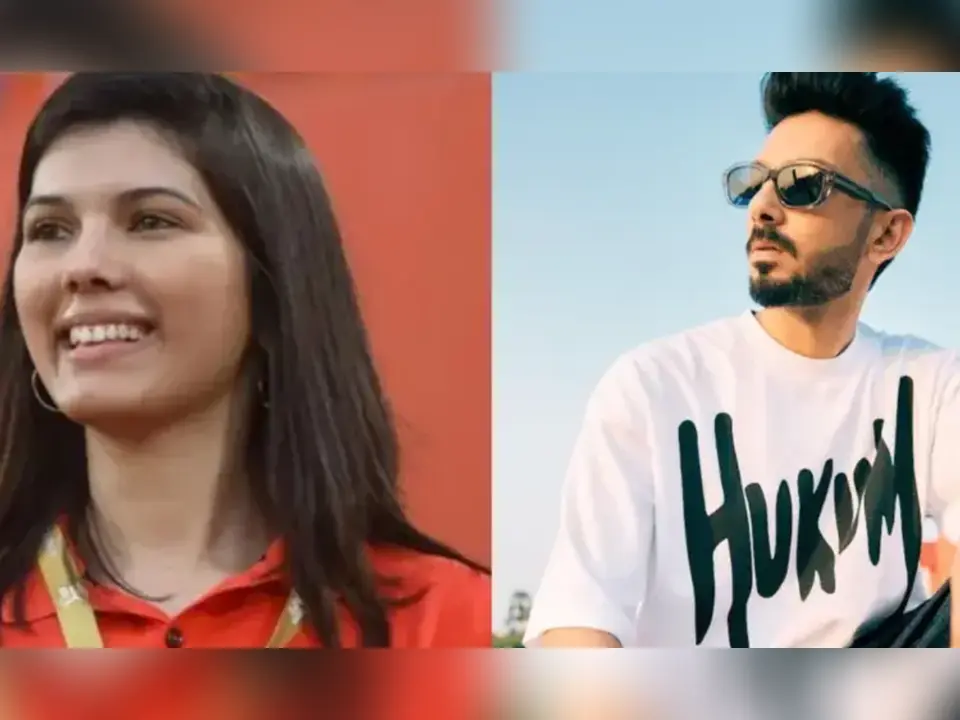
Anirudh Ravichander-Kavya Maran wedding: Telangana CM reveals Chennai reception date
&im=FitAndFill=(700,400)&imwidth=180&imheight=135&format=webp&quality=medium)
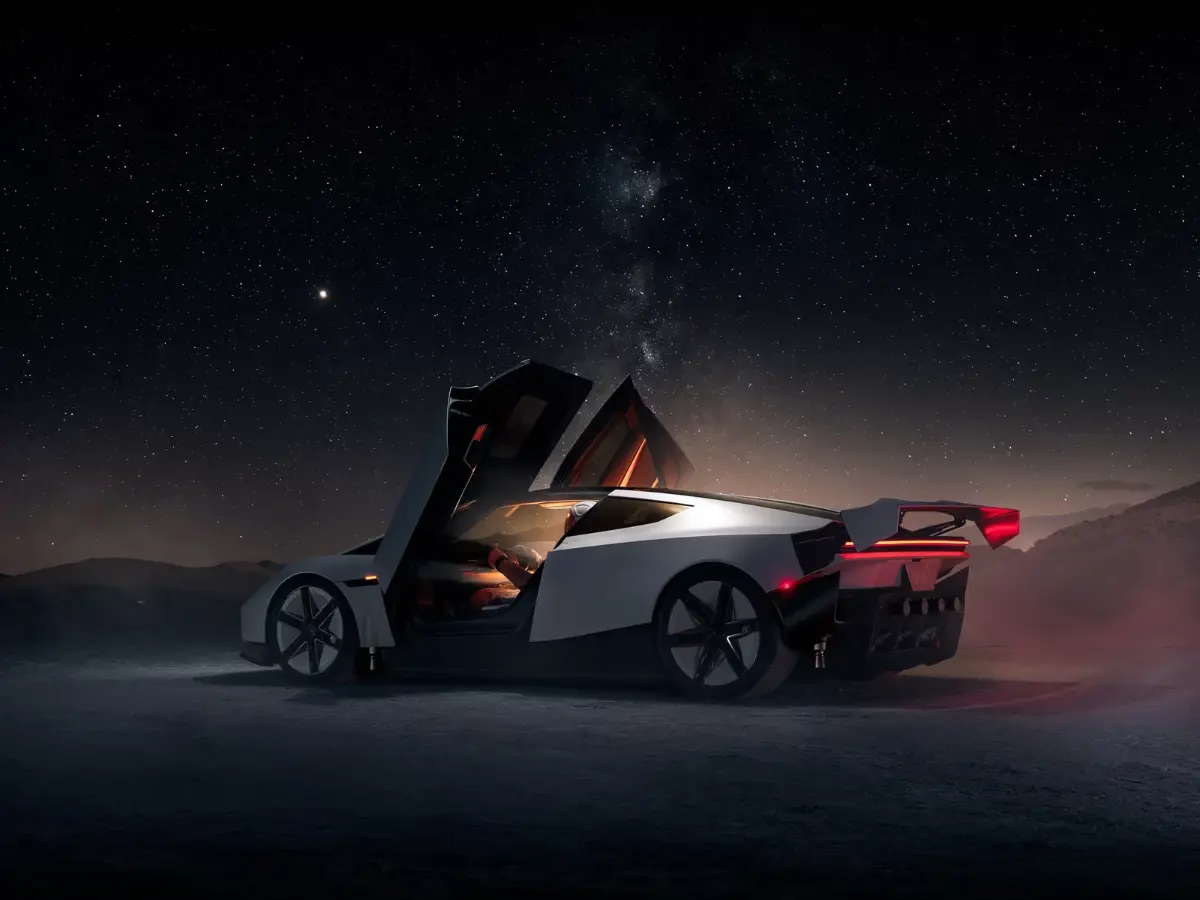
Inside Tesla's Roadster: 10 features of Elon Musk's 'flying car' that push the limits of electric vehicles | In Pics
&imwidth=180&imheight=135&format=webp&quality=medium)
Ranbir Kapoor visits North Bombay Durga Puja pandal, offers prayers
&imwidth=180&imheight=135&format=webp&quality=medium)
One species, two lineages: Why Sri Lanka’s spectacled cobra differs genetically from Indian variant
&imwidth=180&imheight=135&format=webp&quality=medium)
Oil tanker carrying over 2M barrels of crude hits mine in Strait of Hormuz, catches fire, says Iran
&imwidth=180&imheight=135&format=webp&quality=medium)
2 injured in plane crash on busy California highway
&imwidth=180&imheight=135&format=webp&quality=medium)
'It's a joy to see the makers bring it on such a grand scale': SS Rajamouli on Ramayana
&imwidth=180&imheight=135&format=webp&quality=medium)
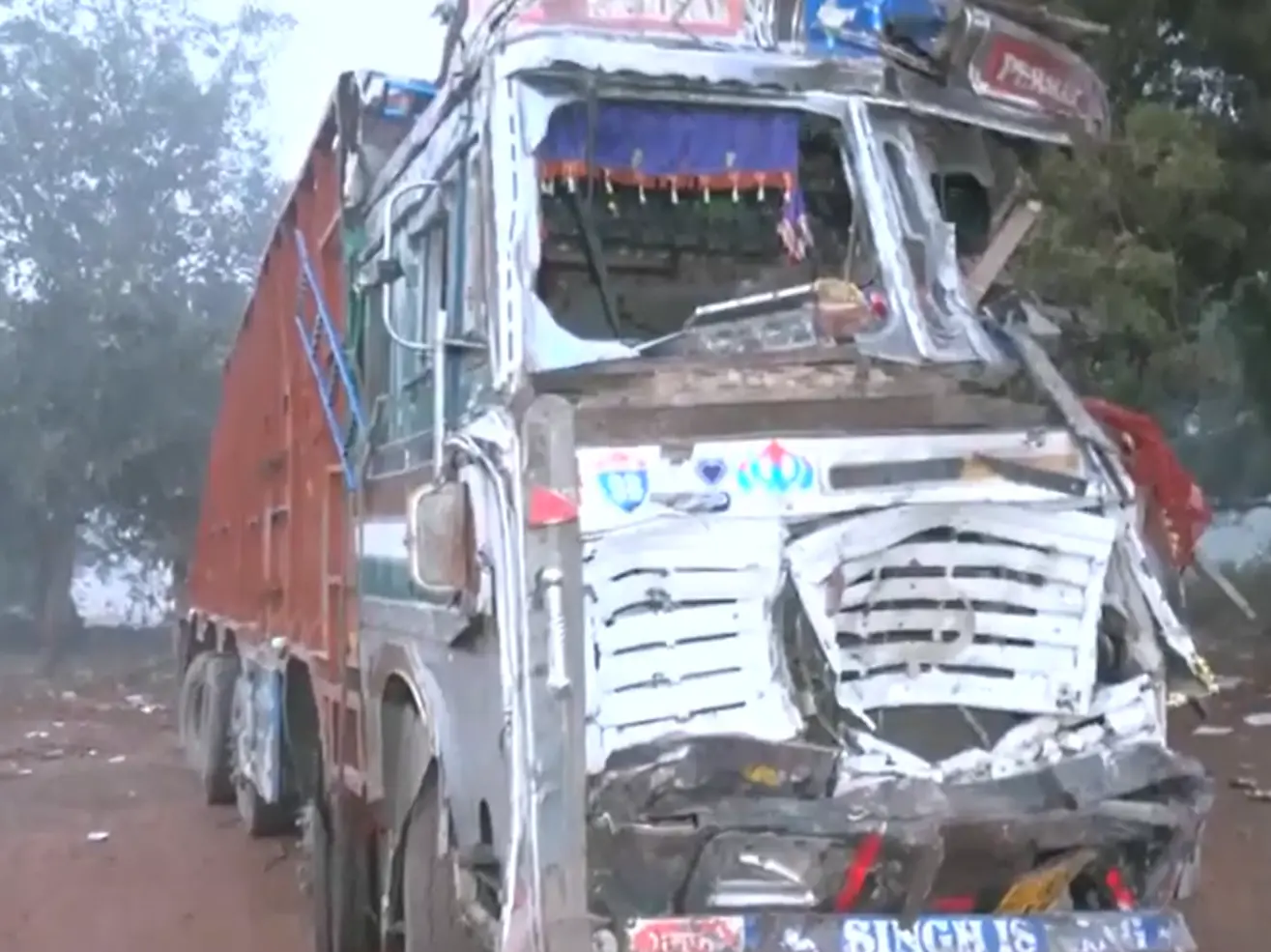
13 dead after truck mows down devotees, crashes into temple gate in Madhya Pradesh's Gwalior
&imwidth=180&imheight=135&format=webp&quality=medium)
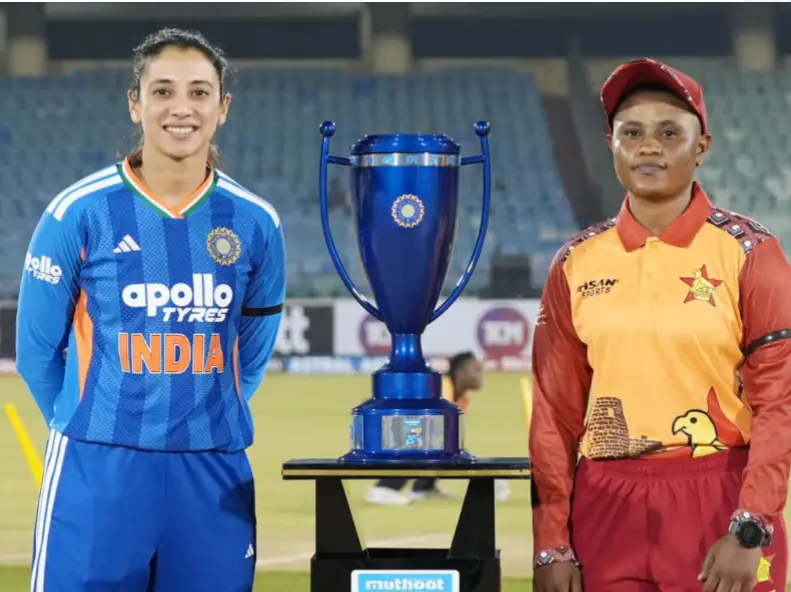
IND-W vs ZIM-W, 2nd T20I: When and where to watch live streaming in India?
&imwidth=180&imheight=135&format=webp&quality=medium)
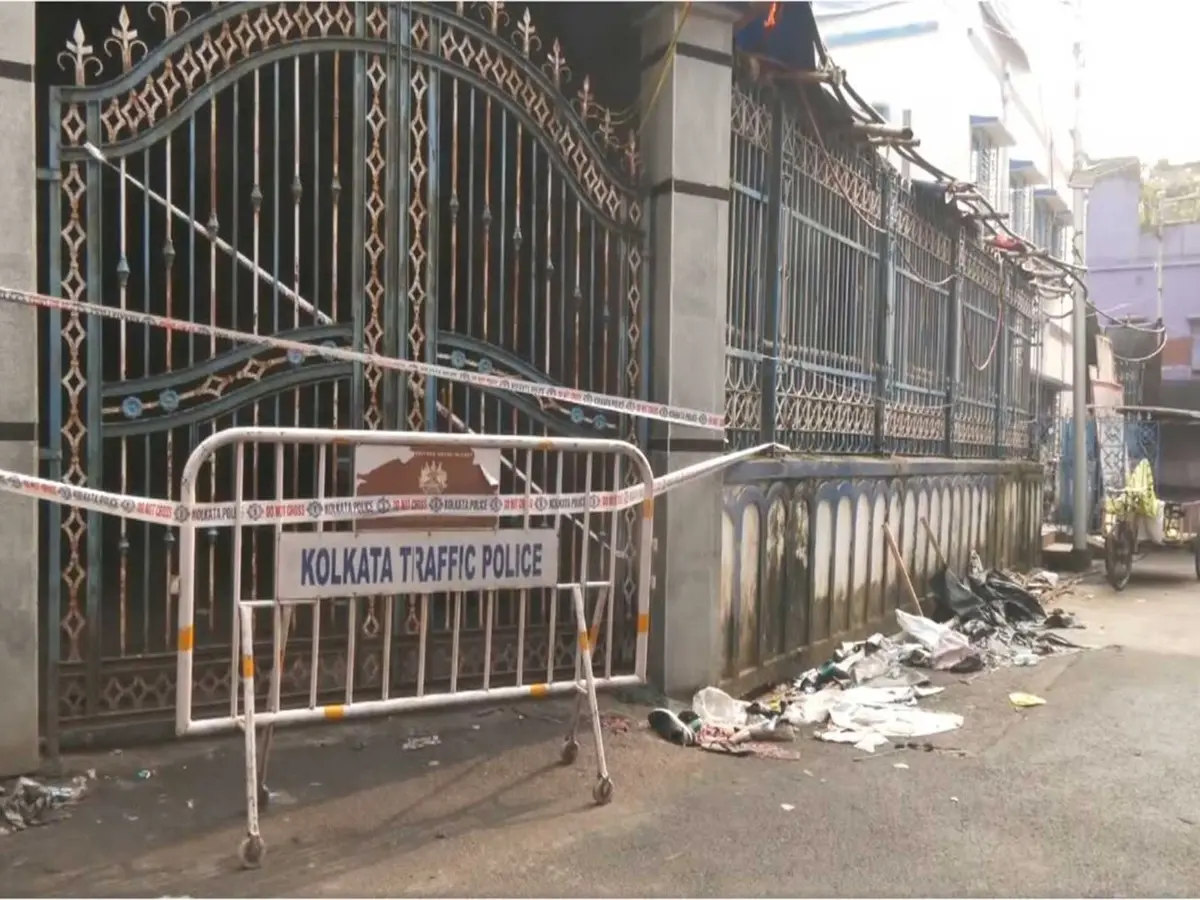
Kolkata puja pandal stampede: 7 arrested, section 163 restrictions imposed in north Kolkata
The situation is further complicated by growing tensions between the EU and China over electric vehicle competition. European automakers face mounting pressure from Chinese manufacturers, leading the EU to recently approve import duties of up to 45% on Chinese-made EVs. This decision, backed narrowly by EU member states, aims to counter what Brussels identifies as unfair subsidies from Beijing to Chinese manufacturers. The Chinese government has denied these allegations and threatened retaliatory measures.
The challenging market conditions have placed European automakers in a precarious position, forcing them to balance competitive pressures, regulatory requirements, and evolving consumer preferences. The success of hybrid vehicles suggests that while European consumers are increasingly embracing electrification, many are opting for transitional technologies rather than making an immediate switch to fully electric vehicles.

