Hertz accelerates sales of Tesla vehicles as value crumbles

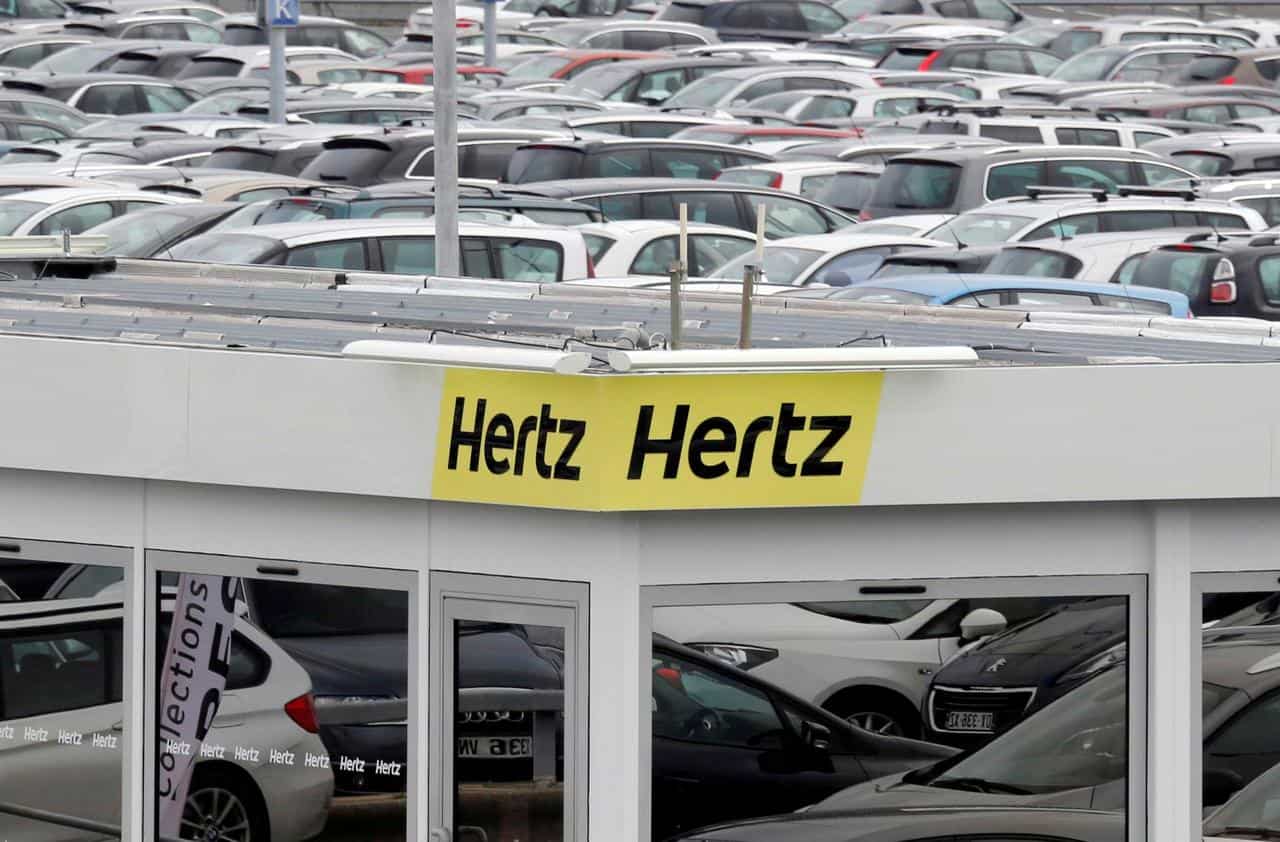
Car rental group Hertz
Hertz, the well-known car rental company, is significantly ramping up its efforts to divest itself of Tesla vehicles from its fleet. This decision comes in the wake of a dramatic decline in the resale value of Tesla cars, which is having a substantial impact on Hertz's financial performance. The company now intends to sell tens of thousands of Tesla vehicles over the course of this year, marking a significant shift in its fleet management strategy.
This development represents a stark contrast to Hertz's position just a few years ago. In 2021, Hertz made headlines with its ambitious plan to electrify its rental car fleet, centred around a massive order of 100,000 Tesla Model 3 vehicles. The company later expanded this initiative to include Tesla Model Y vehicles as well. Initially, this move appeared to be paying off, with Hertz reporting increased customer satisfaction rates associated with its Tesla offerings.
However, the situation began to change rapidly when Tesla implemented significant price reductions for its Model 3 and Model Y vehicles throughout 2022 and 2023. These price cuts had a cascading effect on the resale value of Tesla cars, which plummeted as a result. This depreciation has proven particularly problematic for Hertz, as the company's financial model relies heavily on maintaining the value of its vehicle fleet.

The extent of this value erosion is striking when compared to historical trends. As recently as 2020, Tesla Model 3 vehicles were known for their exceptional value retention, maintaining up to 90 per centof their original value after three years. However, in the subsequent three-year period, these same vehicles lost nearly half of their value. The depreciation was even more pronounced for the Model Y, which experienced an even steeper decline from its peak value in 2022.
Recognising the need to address this issue, Hertz initially announced plans earlier this year to sell approximately 20,000 Tesla vehicles ahead of schedule. However, with the release of its latest earnings report, the company has decided to accelerate this process even further. Hertz now aims to complete the transition of its fleet by the end of 2025, a move that will involve selling tens of thousands of Tesla vehicles this year alone.
The financial implications of this decision are significant. Currently, Hertz is experiencing a monthly depreciation rate of USD600 per unit, largely due to its Tesla fleet. By undertaking this extensive fleet overhaul, the company anticipates that it can normalise its monthly depreciation to the low USD300 per unit by the end of 2025. This reduction in depreciation costs is crucial for Hertz's financial health and operational efficiency.
)
Nigeria: Protesters take to the streets, police fire shots
)
US-Iran war: Tehran draws red lines — seven demands before any peace talks
)
Russia-Europe tensions: Polish PM warns Russian attacks could test NATO's unity
&im=FitAndFill=(700,400))
‘Not the US or China’: These are the countries leading the world in arable land
)
EXCLUSIVE | Singer Hanita Bhambri on her Toxic debut, working with Vishal Mishra and more
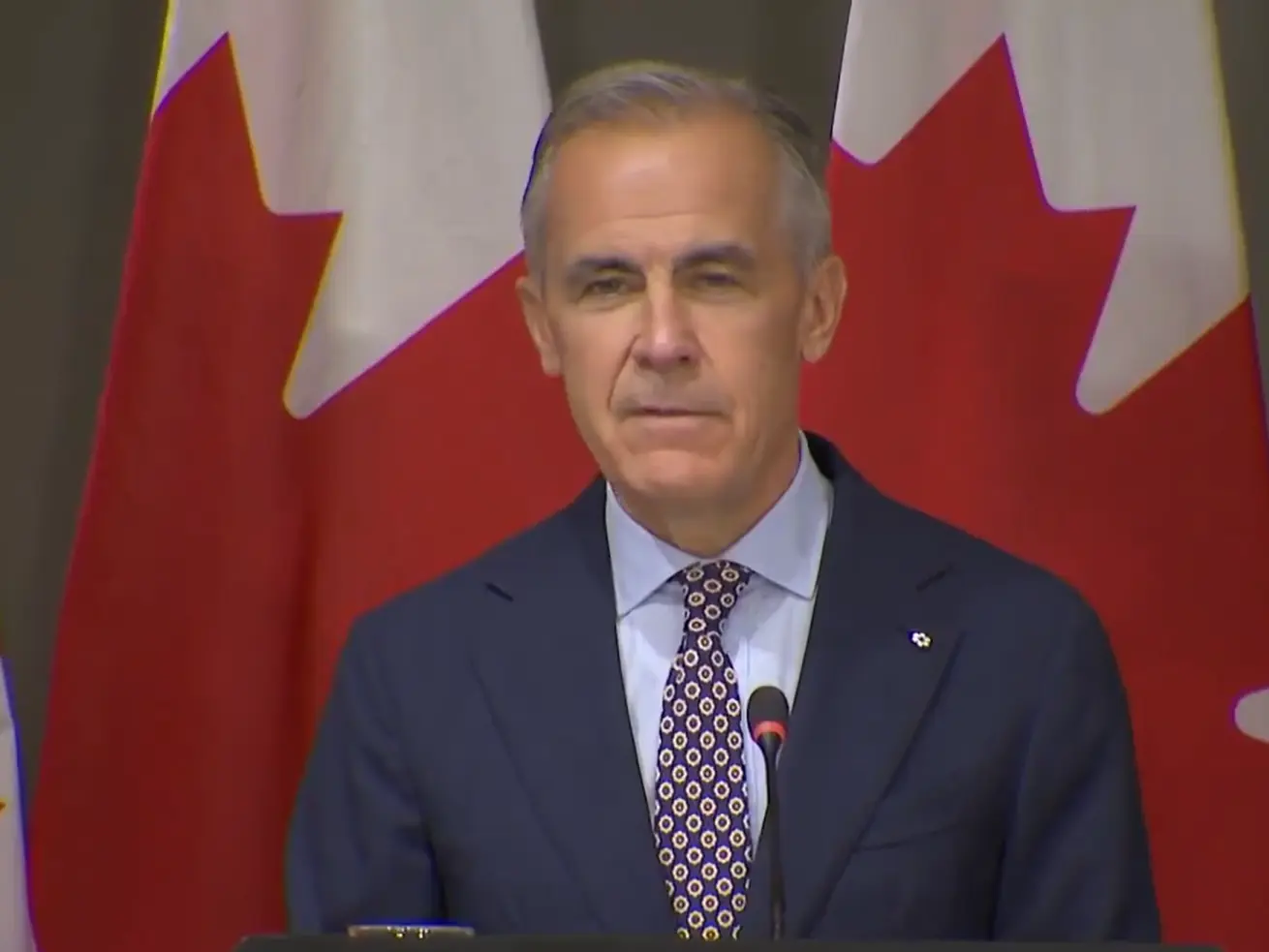)
Mark Carney mimics Trump in hilarious moment over C$70 billion clean-energy investment; room erupts in laughter
)
Delhi voter roll shake-up: 3.31 million electors flagged in SIR review
)
Aravana prasadam shortage at Sabarimala temple in Kerala triggers protests, TDB questioned
)
‘End of my career...’: NSA Doval recalls tense Sikkim mission when China captured Indian intelligence team
)
Report: Iran rebuilding Taleghan 2, nuclear site tied to past weapons research, hit twice by Israel
)
Trump defends AI amid growing alarm, announces new 'AI force' and promises an 'AI czar'
)
Iran sets 7 conditions to end war with US: What are Tehran’s demands?
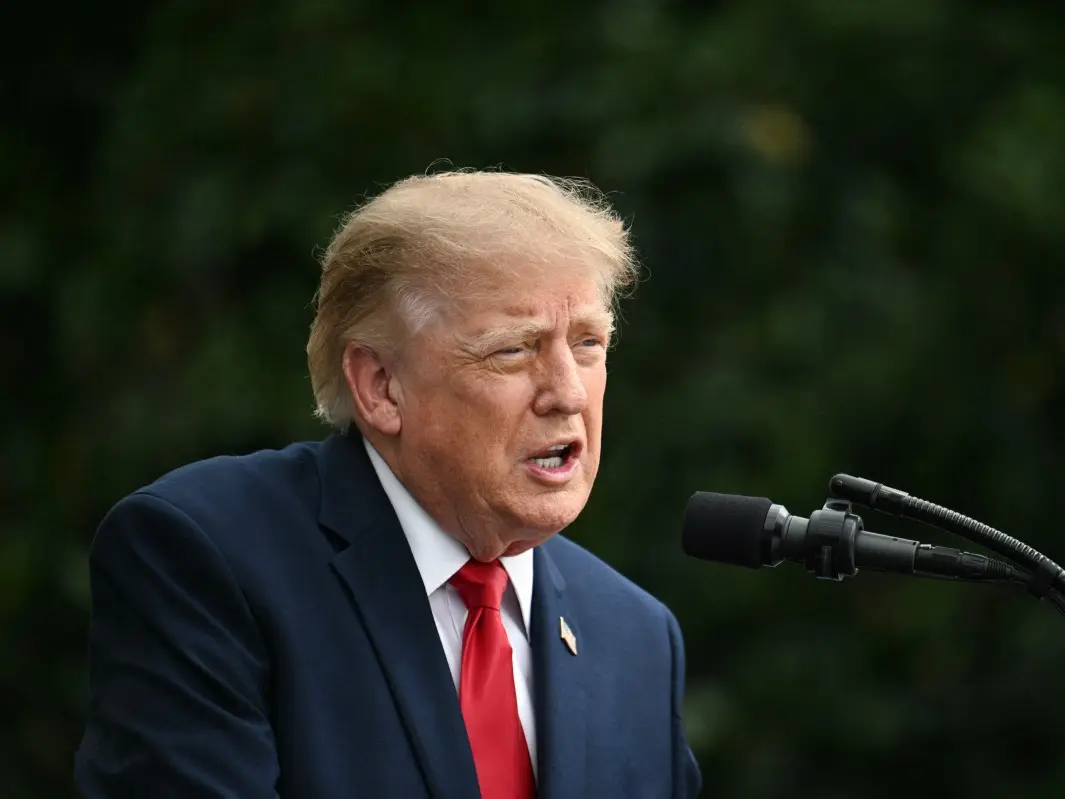)
Trump announces ‘AI Force’ as debate grows over AI risks and regulation
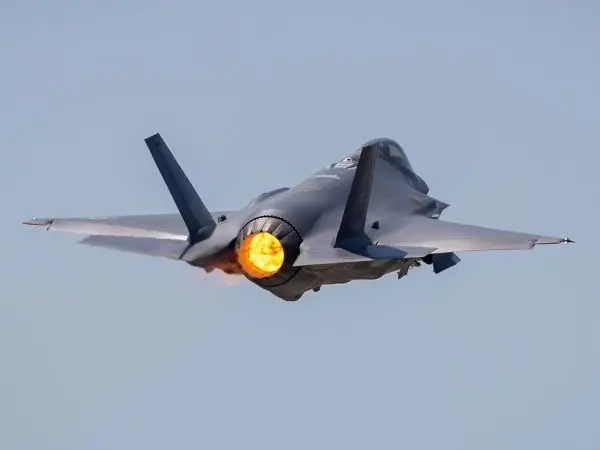)
China may have gained access to US's classified F-35 jets; parts meant for repairs diverted to Hong Kong, sparking Pentagon inquiry
)
Gaza under attack: Health chief's son killed in IDF strikes
)
Arvind Kejriwal, family members, Delhi CM Rekha Gupta get SIR notices
)
Cochin shipyard starts building Indian Navy's next-gen missile vessels
)
Saudi vs Houthis: Houthis claim missiles & drones used in attack on key Saudi sites
)
Ed Sheeran addresses Macklemore's removal, Gaza conflict during Philadelphia concert: 'I cannot hide how I feel'
)
Nepal forms 7-member panel to probe August 26 Bhotekoshi flood from source to downstream
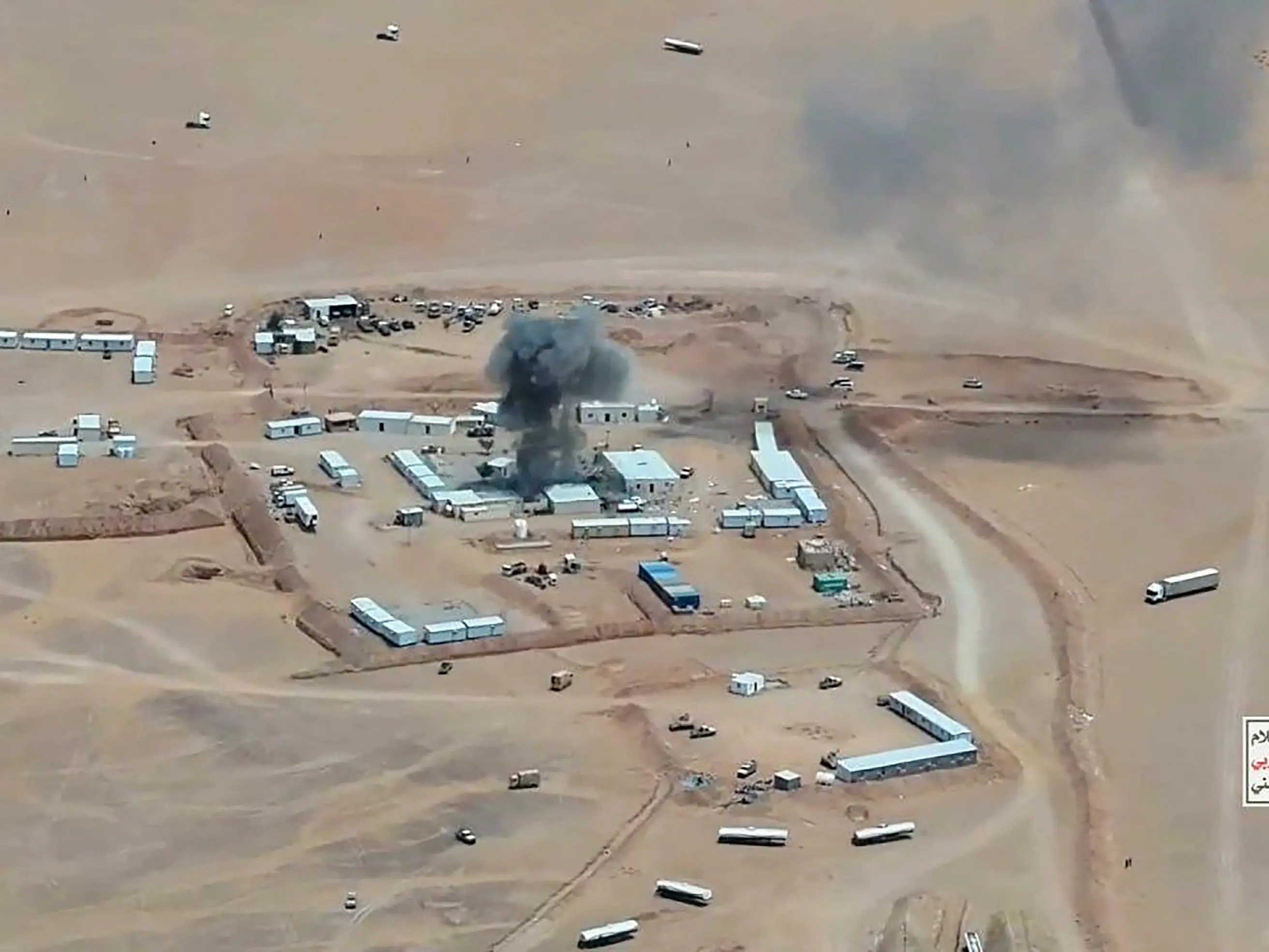)
‘Will go to any extent’: Pakistan vows to defend Saudi Arabia amid Houthi attacks
66 years of the Indus Waters Treaty: How India and Pakistan settled a bitter river dispute
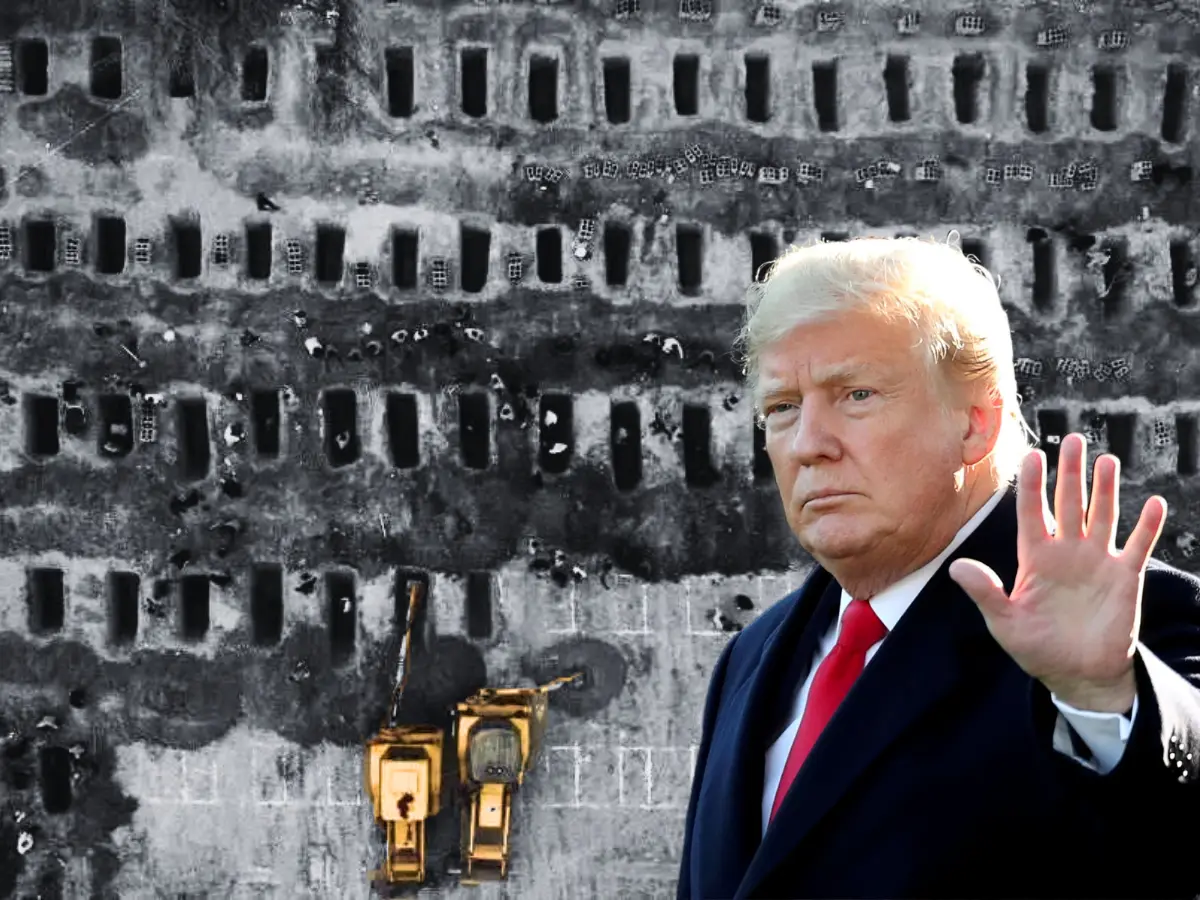)
The Verdict | When precision fails: US commits war crime in Minab school strike, UN finds
Russia attacks Ukraine with 174 drones, kills 8; 2 vessels hit in Black Sea
)
9 women found dead near Johannesburg: South Africans rally, demand 'enough' to femicide
)
Kampala-Ankara rift deepens: Uganda suspends military ties, seeks Fred Lumbuye's extradition
)
US-Iran war: Tehran sets seven conditions to re-engage in talks with US
)
Reacher star Alan Ritchson opens up about alleged blackmail, suicide attempt during difficult period
)
Africa is splitting, and a lot sooner than estimated, giving way to a new ocean
)
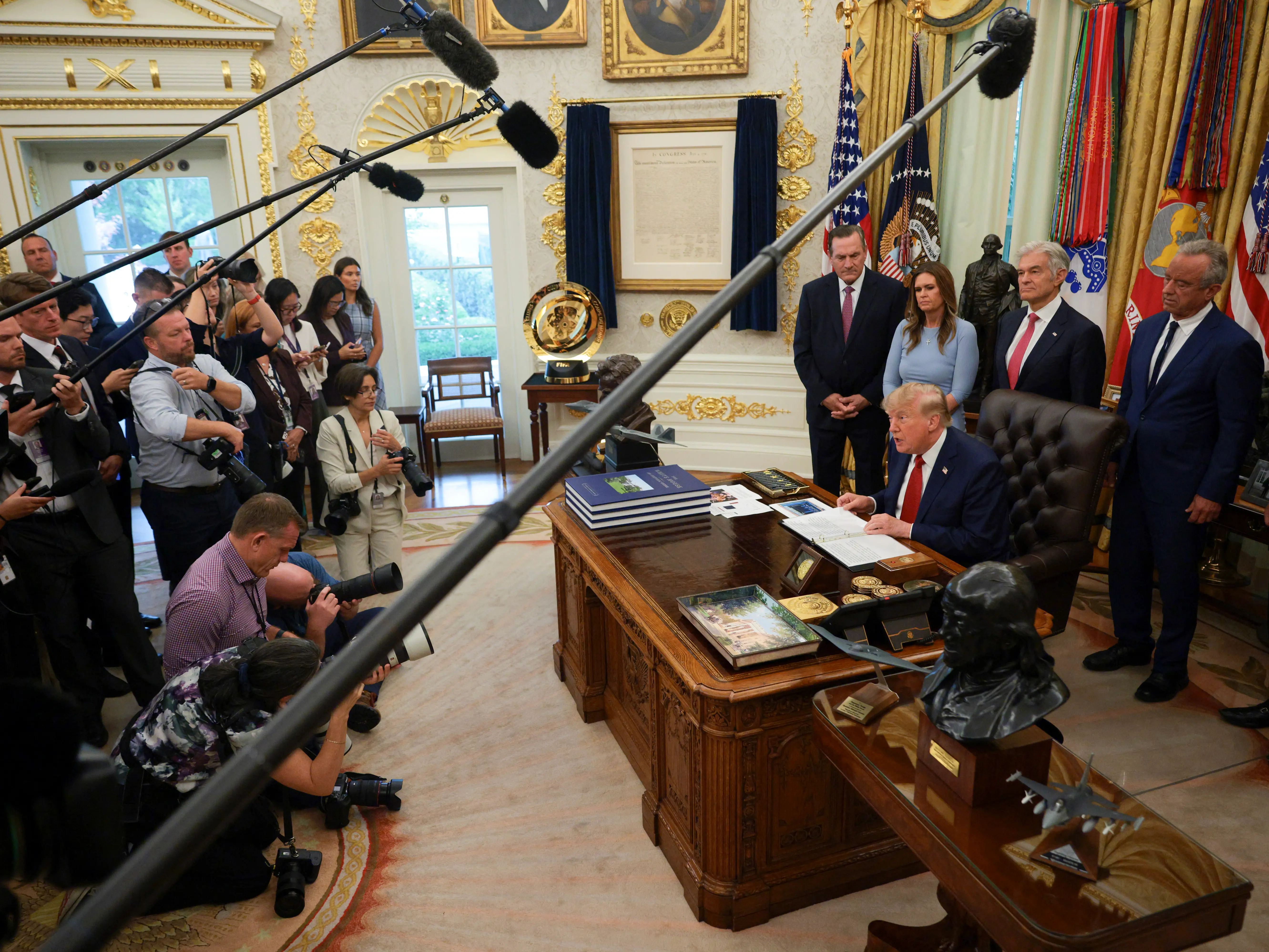
Flying cars in UAE: Ras Al Khaimah signs deal with Chinese company to test new transport
)
Trump bans CNN, MS NOW and Politico from White House over ‘FAKE NEWS’
)
Trump 2.0: Dark days ahead for America’s ‘imperial presidency’
&im=FitAndFill=(700,400))
How many F-35s does Britain, Japan and Israel have?
)
Harry Brook targets long reign at top of T20I rankings after Sri Lanka sweep
)
Russia's deadly Ukraine strikes kill 2 in Sumy, hit Dnipro mall
)
Russia holds first parliamentary elections since the beginning of the Ukraine war
&im=FitAndFill=(700,400))
Meet top 5 Indian batters with fastest T20I centuries
)
Raphinha hat-trick powers Barcelona to 3-1 win over Sevilla in La Liga
)
)
This situation highlights the complex challenges faced by companies in the rapidly evolving electric vehicle market. While Hertz's initial investment in Tesla vehicles was seen as a forward-thinking move to capitalise on the growing demand for electric cars, the volatile nature of the market and unexpected shifts in vehicle valuation have forced the company to adapt its strategy quickly.
As Hertz proceeds with this significant divestment of Tesla vehicles, it will be interesting to observe how this decision impacts both the company's financial performance and its broader strategy for fleet electrification. This development could have wider implications for the electric vehicle market, potentially influencing how other rental companies and fleet operators approach their electrification strategies in the future.