Ford recalls 30,735 Mustangs over potential steering issues

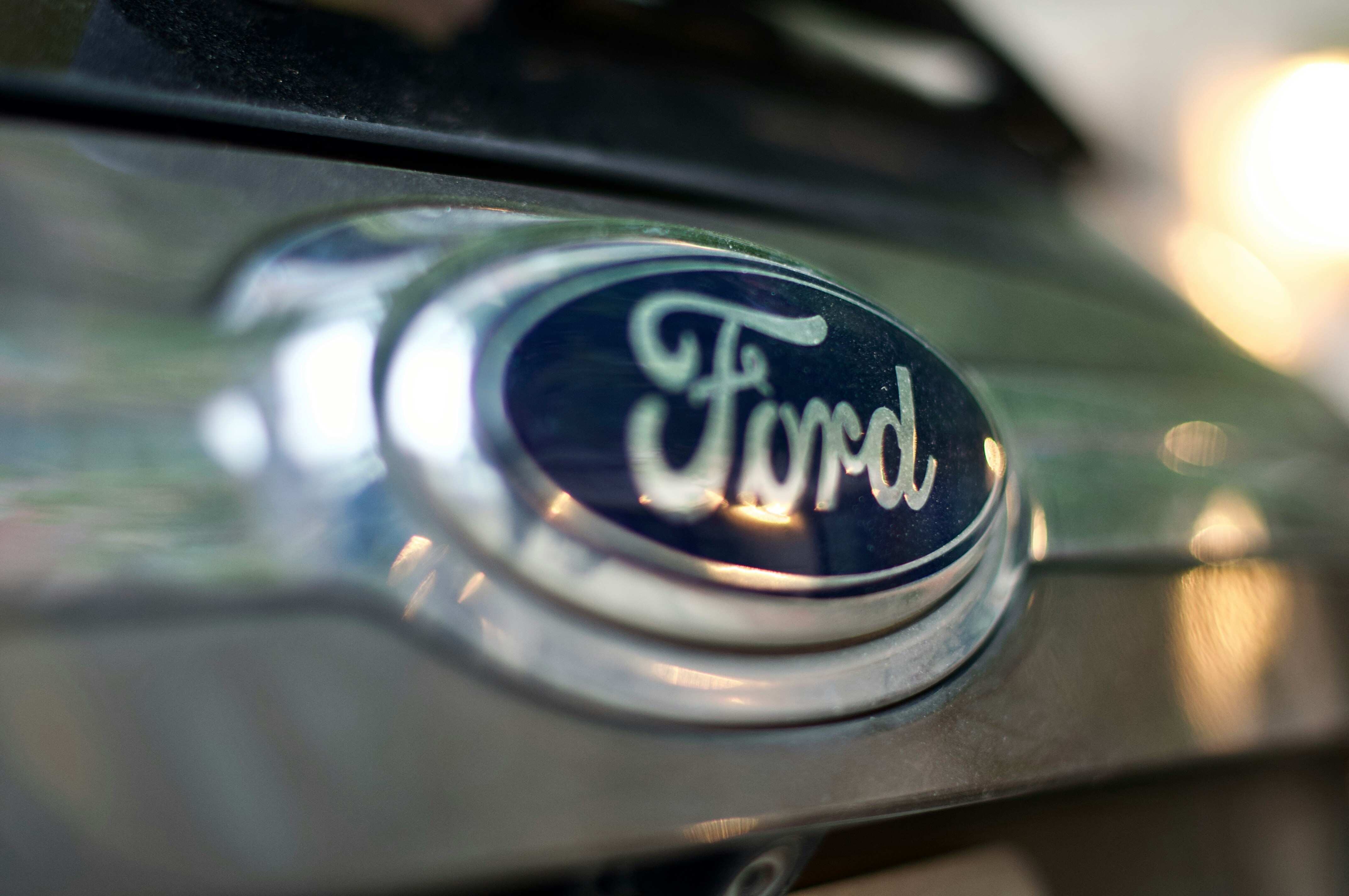
The recall impacts all trims of the Mustang, including both the EcoBoost and GT models.
Ford Motor Company has announced a recall affecting 30,735 Mustangs from the 2022 and 2023 model years due to potential steering issues. This recall marks yet another in a series of recalls for the automaker this year. Fortunately, Ford has not reported any accidents or injuries related to the current issue, but it does invite a fresh wave of jokes about Mustangs' infamous crash tendencies.
The recall impacts all trims of the Mustang, including both the EcoBoost and GT models. According to Ford's recall notice, the problem stems from a secondary digital torque sensor that may have been calibrated with an inverted polarity. This technical glitch means the steering gear was improperly calibrated. In practical terms, a failing sensor could cause the steering wheel to oscillate uncontrollably when the driver attempts to turn.
Ford's investigation into the issue began in late May after receiving reports of steering gear problems from a supplier. Although the exact degree of steering wheel oscillation is unclear, Ford's documentation states the wheel can "turn side to side against the driver's intentions." The automaker has acknowledged two warranty claims that may be related to this steering issue.

The fix
The resolution to the steering problem is straightforward. Ford dealers will update the Mustang's Power Steering Control Module software to correct the issue. Owners will begin receiving individual notifications on August 5, but dealers have already been notified to prepare for the necessary repairs.
)
US Supreme Court backs Trump administration's use of SAVE database to check voter citizenship
)
Outrage erupts after 3-year-old is married to 60-year-old man in Pakistan, link to her sister's murder being probed
)
‘Anti-social elements spreading false rumours’: LPU issues statement amid massive unrest over alleged rape
)
LPU students go on rampage, vandalise campus amid widespread protest: What's happening
)
OpenAI AI Agents hacked 4 websites before Hugging Face, researchers reveal
)
Pentagon quietly adds 37 wounded troops to Iran war tally without explaining when or how
&im=FitAndFill=(700,400))
New Friday OTT releases (September 25, 2026): Don’t Be Shy, Hunkkaar: The Roar, Mango Pachcha- 6 movies and TV shows on Netflix, Prime Video and more
)
Asian Games 2026: India face Afghanistan in quarterfinal on Sep 28; Pakistan clash with Hong Kong
)
‘Attack on Mecca a red line for Pakistan’: Shehbaz Sharif warns Houthis at UN
)
Nigeria Navy moves to boost oil security, tackle crude theft and infrastructure threats
)
'He's very much in our plans': Ravindra Jadeja ‘in mix’ for 2027 ODI World Cup, says batting coach
)
'Countries far from conflict are penalised': Jaishankar calls for Gulf peace, seafarer safety at UN
)
Bigg Boss 20: Salman Khan schools Rhiti Tiwari over Qazi Touqeer clash, compares her to Dolly Bindra
)
Gaza's war turned environmental damage into second crisis
)
Nations League: Spain sink England at Wembley; Modric shines for Croatia
)
Trump-Xi summit wrap: Big pageantry, Iran talks, few major developments and more meetings planned
)
‘Could kill billions...’: Bill Gates backs calls to slow AI development amid fears of catastrophe
)
Bollywood x K-pop crossover! LE SSERAFIM’s Kazuha charms fans with Shah Rukh Khan’s ‘Chammak Challo’ steps
)
US-Iran war: Trump rejects Iran's Hormuz proposal, reports suggest talks expected next week
)
'What kind of confession is this?': Pakistan PM Shehbaz Sharif’s 'terrorists would be roaming New York' remark goes viral, raises alarm online. Watch
)
Sri Lankan Tamil migrant worker gets death sentence in Saudi Arabia, help sought from India
)
Myanmar training camp case: US national, 6 Ukrainians allowed to meet their families abroad
)
'FIRST LOOK from inside Noah’s Ark': Researchers share video from inside mysterious mound in Turkey
)
UNSC reform momentum grows: Russia, Portugal, Mauritius push for India's permanent seat bid
)
WATCH | As Shehbaz Sharif claims Pakistan’s ‘victory’ during 2025 conflict, Indian diplomat R Srinivas laughs at UN
)
Ceuta migrant crisis: Protesters take to streets as Spain grapples with migrant challenge
)
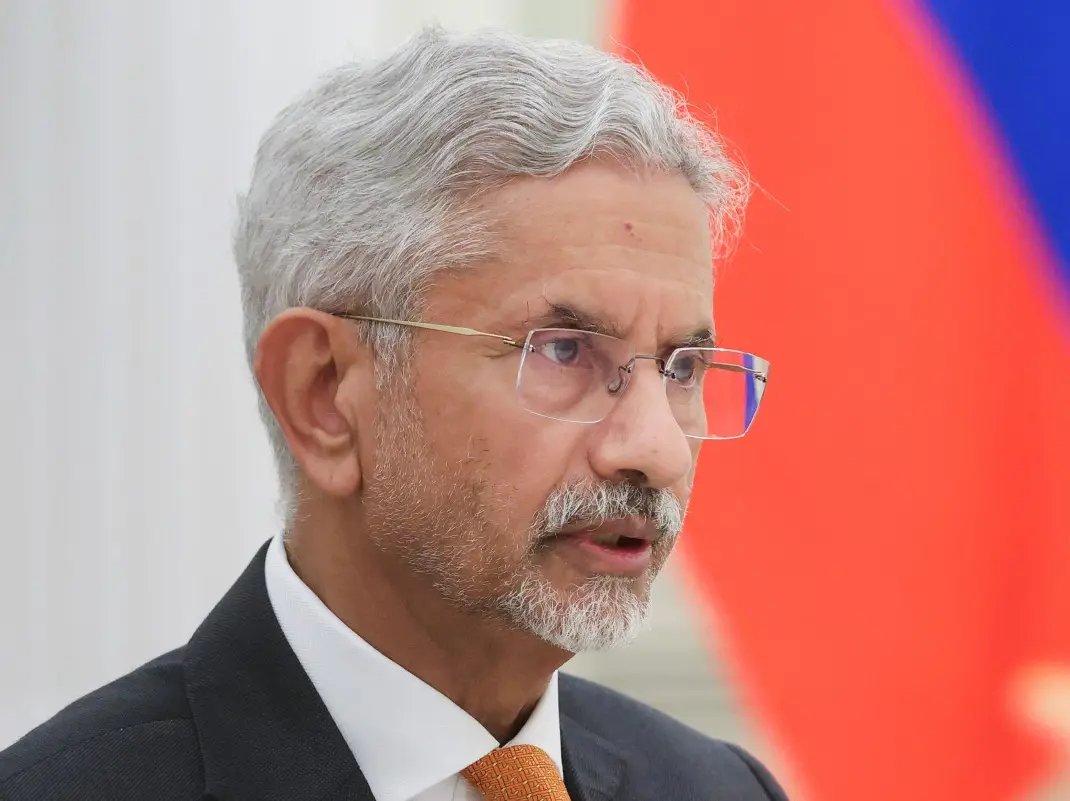
Jaishankar at UNGA: Goodwill and friendship can't coexist with terrorism
)
'A terrorist country is asking me that question?': Jaishankar hits back at Pakistani journalist at UN; flags attacks on commercial shipping
)
Russia will achieve Ukraine war aims; Europe doing everything to block peace talks: Lavrov at UN
)
‘Serial practitioner of terrorism’: Jaishankar calls out Pakistan’s ‘state-sponsored’ terror at UNGA
)
US court backs Pentagon's decision to exclude Anthropic over Claude AI restrictions
A year of recalls
This Mustang recall is the latest in a growing list of recalls for Ford in 2024. Just a week prior, Ford recalled 552,118 F-150 trucks due to a transmission issue. Additionally, another Mustang recall was issued in early June over a potential fire risk. According to the US Department of Transportation, Ford has issued 32 recalls so far this year, affecting millions of vehicles across various models.
The frequency of these recalls highlights ongoing challenges in Ford's quality control and manufacturing processes. Each recall not only impacts the company's reputation but also underscores the importance of robust quality assurance measures in the automotive industry.
Implications for Ford and its customers
For Ford, the recurring recalls pose significant operational and financial burdens. Addressing these issues requires a coordinated effort between engineering, manufacturing, and dealer networks to ensure timely and effective solutions. For customers, the recalls can lead to inconvenience and concerns over vehicle safety and reliability.
Ford's swift action in addressing the Mustang's steering issue is commendable, but it also reflects the broader industry trend of increasing scrutiny and regulatory oversight. As vehicles become more technologically advanced, the complexity of potential issues also rises, necessitating more vigilant quality control mechanisms.
Moving forward: strengthening trust and reliability
To regain and strengthen customer trust, Ford must continue to invest in improving its quality control processes. This includes enhancing supplier collaboration, increasing transparency in recall communications, and implementing proactive measures to detect and rectify potential issues before they escalate.
Ford's ability to address these challenges effectively will be crucial in maintaining its competitive edge in the automotive market. The company must balance innovation with reliability, ensuring that advancements in vehicle technology do not come at the expense of safety and performance.
While the latest recall of 30,735 Mustangs highlights a critical steering issue, it also serves as a reminder of the importance of stringent quality control in the automotive industry. Ford's proactive approach to resolving the problem through a simple software update is a positive step. However, the automaker must continue to prioritise quality and reliability to reassure its customers and maintain its position as a leading automaker in the global market.