McLaren CEO urges U.K. to invest in electrified performance car powertrains


Michael Leiters, CEO of McLaren Automotive
Michael Leiters, CEO of McLaren Automotive, believes the U.K. risks losing its chance to become a global leader in electrified performance car powertrains due to a lack of investment. He shared his concerns at the sixth annual conference of the Society of Motor Manufacturers and Traders (SMMT) International Automotive Summit. Leiters highlighted that Britain’s storied history in supercar production and motorsport presents a significant economic opportunity, but only if there is sufficient investment in domestic battery supply chains.
The untapped potential of the U.K. automotive industry
Leiters emphasised that the current U.K. supply chain is not prepared to meet the unique demands of electric supercars. He called on the new government, set to take office on Thursday, to provide a strategic roadmap for investment in future powertrain technologies. "A clear industrial strategy, led by investment in the domestic supply chain, will deliver growth, support jobs, help decarbonise the economy, and secure a vibrant future for the U.K. performance-car industry," Leiters stated. "It’s time we regained confidence in our sector by investing in a world-class domestic supply chain to support the development of tomorrow’s high-performance vehicles."

Leveraging heritage for economic growth
Leiters cited McLaren's ability to leverage Britain’s rich history in performance cars to command premium prices for its products. He noted that the gross value added (GVA) of McLaren employees is 51% higher than the average in the U.K. automotive manufacturing sector. This success is bolstered by the fact that 90% of McLaren’s supercars are exported, bringing significant revenue from abroad.
)
Pentagon revives mandatory testosterone testing for male troops aged 30 and above
)
FACT CHECK: Why did PM Modi ask Xi ‘is it okay’ at BRICS Summit? New video reveals...
)
India seeks to build a full semiconductor supply chain
&im=FitAndFill=(700,400))
From Abhishek Sharma to Sahil Chauhan, 5 batters with fastest T20I hundreds
)
Pyongyang dismisses US, western pressure over nuclear programme
)
US And Denmark reach Greenland deal, Trump announces expanded military presence
)
Google’s Gemini AI hacks real systems by guessing passwords during security test
)
US hiding troop deaths in Iran war? Toll higher than Pentagon count, claims report
)
China may have gained access to US's classified F-35 jets; parts meant for repairs diverted to Hong Kong, sparking Pentagon inquiry
)
NASA research plane reaches 61,000 feet over Panama
)
Godfather of AI Geoffrey Hinton gives US lawmakers a one-year warning on AI
)
Trump signs Russia sanctions law: India faces fresh 100% tariff threat over Russian oil
)
Brigitte Bardot’s private collection set for Paris auction; key items and prices revealed
)
Why Ranveer Singh’s Dhurandhar missed India’s Oscar entry; FFI jury member reveals what happened
)
Zendaya and Tom Holland step out for a low-key date in Los Angeles
)
‘Will go to any extent’: Pakistan vows to defend Saudi Arabia amid Houthi attacks
)
The Verdict | When precision fails: US commits war crime in Minab school strike, UN finds
)
Trump signs Russia sanctions bill into law, targets Moscow’s energy sector
66 years of the Indus Waters Treaty: How India and Pakistan settled a bitter river dispute
&im=FitAndFill=(700,400))
New Friday OTT releases (September 18, 2026): Lust Stories 3, You+Me, Best of the Best- 8 new titles coming on Netflix, Prime Video and more
)
Pak: A series of counter terrorism operations in Khyber Pakhtunkhwa
)
Fast bowler Brydon Carse faces no charges over Derby nightclub incident
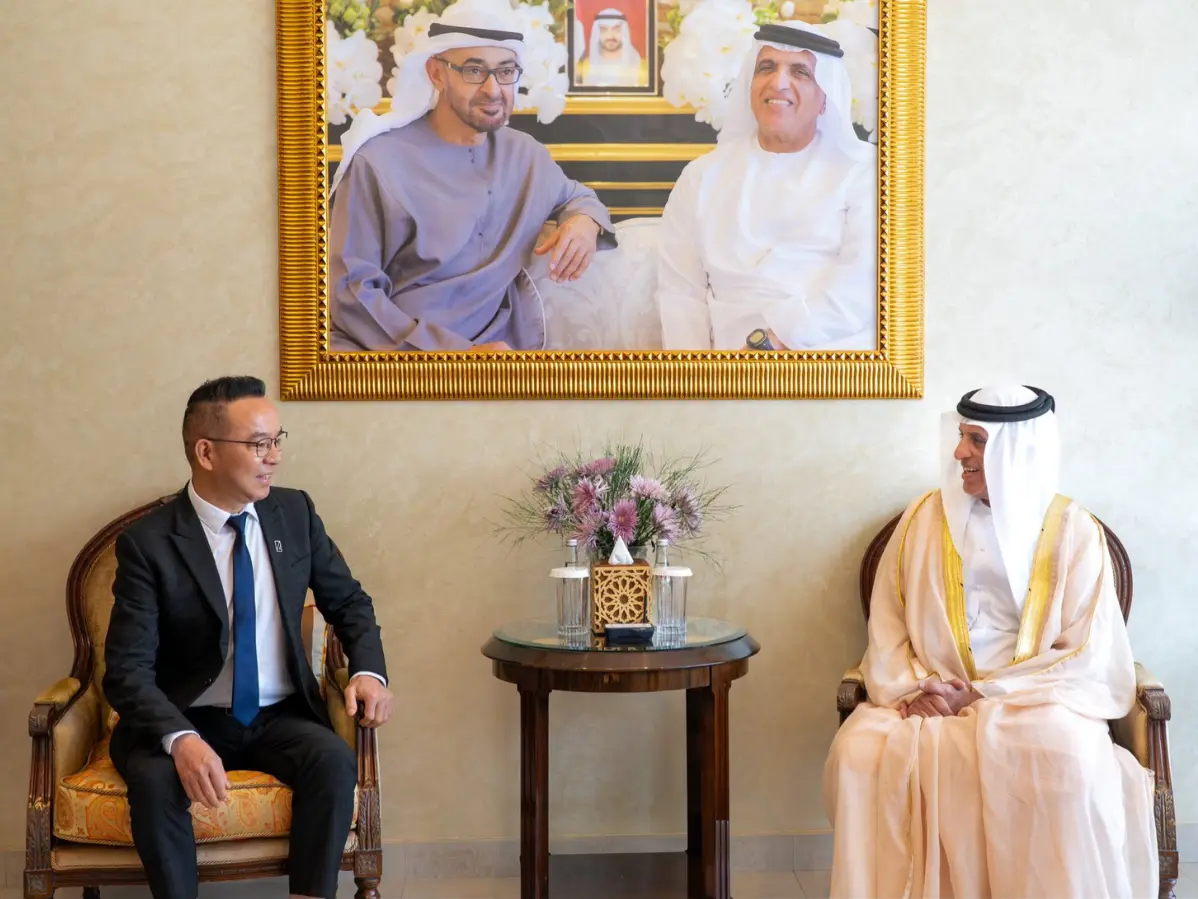)
Flying cars in UAE: Ras Al Khaimah signs deal with Chinese company to test new transport
)
Africa is splitting, and a lot sooner than estimated, giving way to a new ocean
)
'Gangsta' crab shoves knife blade at man and his dog in Florida - Watch
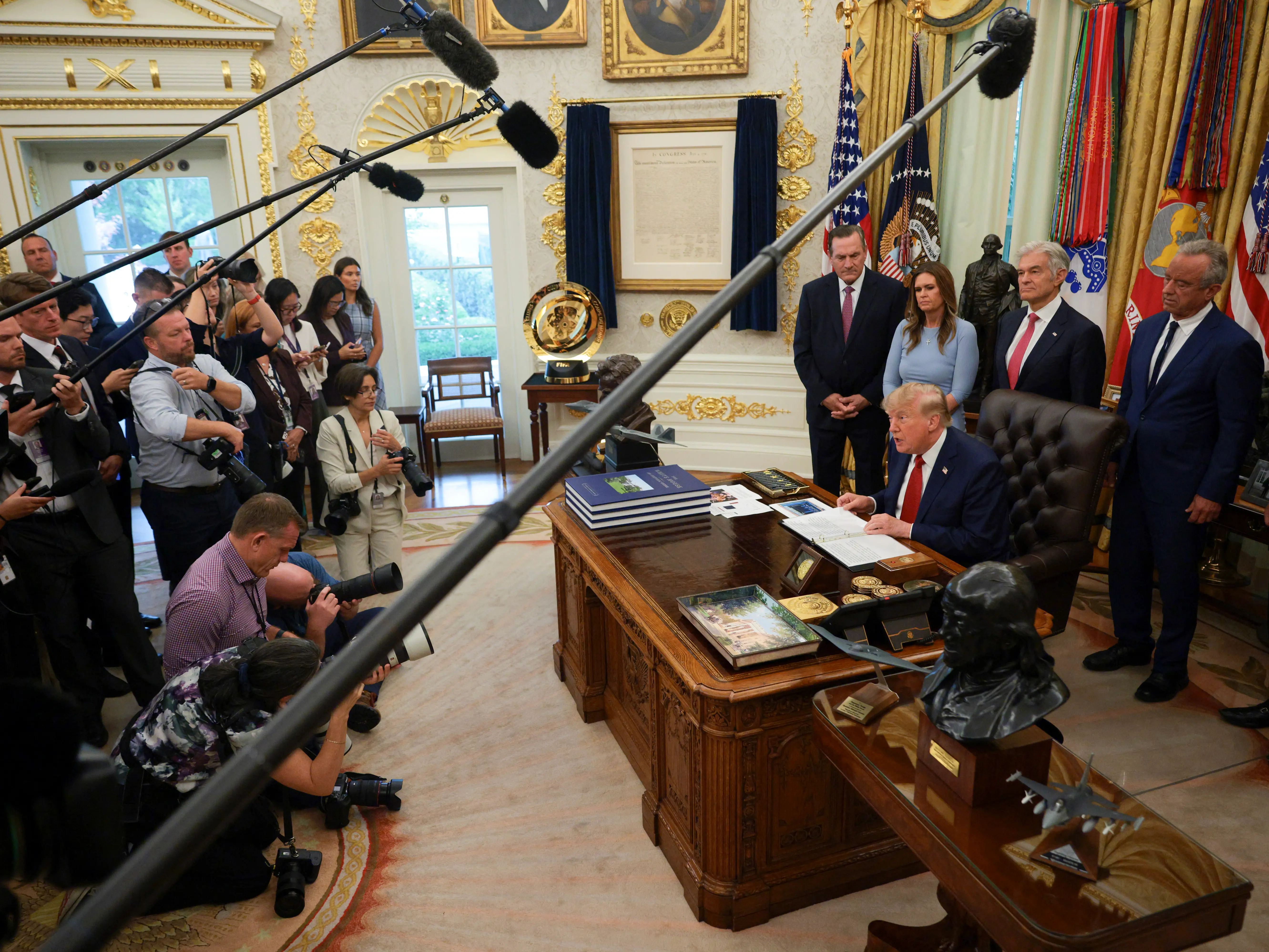)
Trump bans CNN, MS NOW and Politico from White House over ‘FAKE NEWS’
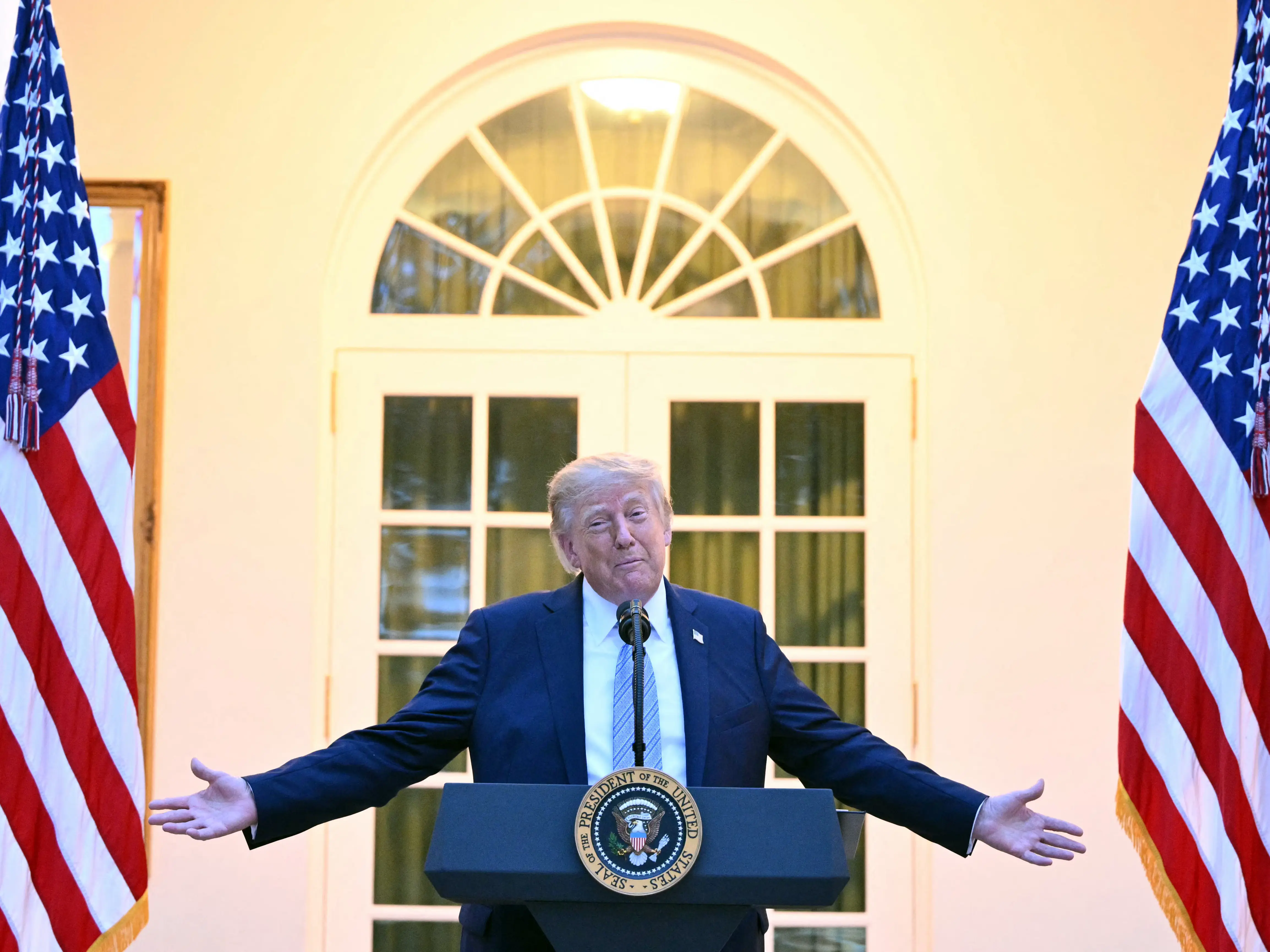)
Trump 2.0: Dark days ahead for America’s ‘imperial presidency’
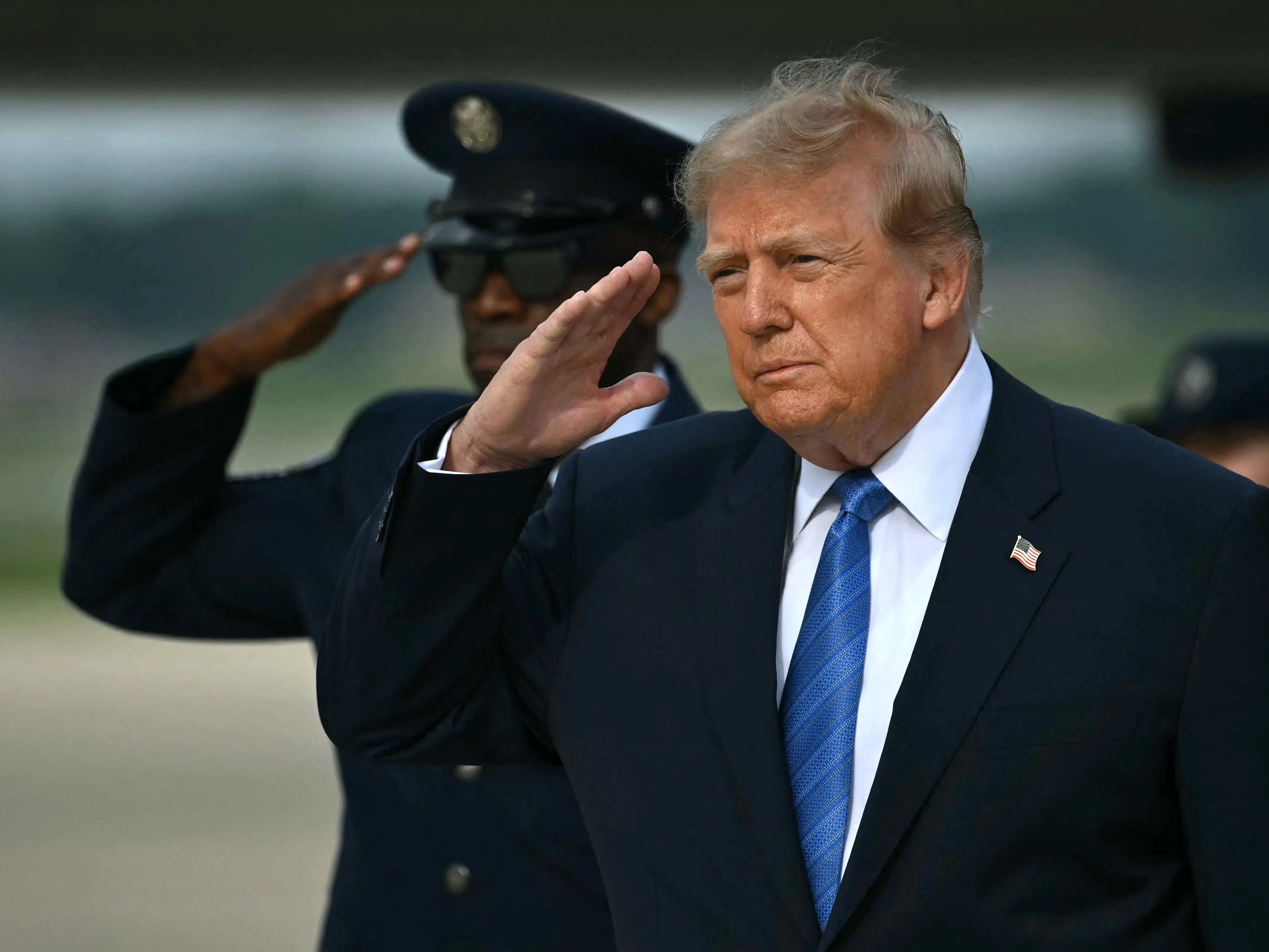)
Trump's Greenland dream comes true? POTUS announces 'Infinite Life' deal with Denmark, claims permanent US control
)
Tirupati Laddu ghee adulterated with chemicals, says ED, supplier arrested
)
Who is Khalilur Rahman? All you need to know about 81st UN General Assembly President
)
IIT Bombay student dies by suicide, was caught seeking AI help during exams
&im=FitAndFill=(700,400))
Meet top 5 bowlers in latest ICC T20I rankings
)
Indian Cinema bets big on mythology, brings ancient stories to modern audiences
)
Ukraine plans record $109 bn defence spending, nearly two thirds of budget amid Russia war
)
Russia holds first parliamentary elections since the beginning of the Ukraine war
&im=FitAndFill=(700,400))
Meet top 5 Indian batters with fastest T20I centuries
)
However, the lack of a robust supply chain for electrified powertrains is a major obstacle preventing the U.K. from fully exploiting its automotive manufacturing strengths. Leiters pointed out that the nation’s insufficient battery manufacturing capacity could result in missed economic advantages.
The critical need for battery manufacturing
Leiters underscored the critical need for battery manufacturing by illustrating the content disparity in McLaren’s hybrid and potential electric vehicles. "Today, our hybrid McLaren Artura powertrain has 64% U.K. content. If this car were a pure EV, the U.K. content of the powertrain would drop to 13% because we cannot currently source the relevant componentry in the U.K.," he explained. This stark contrast highlights the urgent need for a domestic supply chain capable of supporting high-energy-density cells for electric vehicles.
Broader implications for advanced manufacturing
Leiters also pointed out that developing a thriving U.K. supply chain for cutting-edge battery technology would not only benefit supercar production but also other advanced manufacturing sectors. "A thriving U.K. supply chain specialising in cutting-edge, high-energy-density cells would support supercar production as well as other advanced manufacturing needs, such as vertical take-off aircraft and drones," he said. This broader application underscores the importance of investing in domestic battery manufacturing capabilities to maintain the U.K.’s competitive edge in various high-tech industries.
The path forward
The call for investment and strategic planning is crucial as the automotive industry undergoes a significant transformation towards electrification. By addressing the current supply chain inadequacies, the U.K. can position itself as a leader in the global market for electrified performance cars and beyond. This requires a concerted effort from both the government and private sectors to invest in the necessary infrastructure and technology.
Leiters’ remarks at the SMMT Summit serve as a wake-up call for the U.K. automotive industry. The potential economic benefits of becoming a leader in electrified powertrains are immense, but they can only be realised through strategic investment and innovation. The upcoming government has a pivotal role to play in charting this course, ensuring that the U.K. does not miss out on this golden opportunity.
McLaren's CEO has highlighted a critical juncture for the U.K. automotive industry. The future of high-performance, electrified vehicles hinges on the nation’s ability to invest in and develop a robust domestic supply chain. This investment is not only essential for the automotive sector but also for the broader landscape of advanced manufacturing, securing the U.K.'s position as a global leader in innovation and technology.