Ford and Mazda issue urgent warning regarding Takata Airbag dangers


Ford and Mazda issue urgent warning regarding Takata Airbag dangers
Ford Motor Company and Mazda have issued stark warnings to owners of certain models, urging them to cease driving immediately due to ongoing concerns over faulty Takata airbags. This advisory comes as part of a broader, long-running safety crisis that has plagued the automotive industry for over a decade.
The National Highway Traffic Safety Administration (NHTSA) has repeatedly cautioned that the affected airbag inflators are at risk of explosive malfunction, potentially propelling sharp metal fragments towards drivers and passengers with potentially fatal consequences. This latest advisory underscores the persistent nature of the Takata airbag crisis, which has led to the largest automotive recall in history.
Ford, the Detroit-based automotive giant, has revealed that approximately 765,600 airbag inflators in its vehicles globally remain affected by this issue, with about 374,300 of these in the United States alone. The company is strongly advising owners of impacted vehicles to contact Ford dealerships without delay to arrange for crucial repairs. The recall encompasses a wide range of Ford models, including Ranger trucks, Mustang and GT sports cars, Fusion sedans, and several SUV models, notably the popular Edge.

In an effort to address this critical safety concern, Ford reports that it has made over 121 million outreach attempts to customers in the United States regarding these previously issued recalls. This massive communication effort underscores the urgency of the situation and Ford's commitment to resolving the issue.
Mazda, the Japanese automaker, estimates that around 83,000 of its vehicles in the United States are affected by the Takata airbag issue. The recall includes models such as the CX-7 crossovers and RX8 sports cars. This announcement follows a similar recall by BMW in July, which affected approximately 394,000 vehicles in the United States for the same issue.
The gravity of the Takata airbag crisis is reflected in its tragic human toll. Since 2009, more than 30 deaths worldwide, including at least 26 in the United States, have been attributed to faulty Takata airbags. Additionally, hundreds of injuries have been linked to these defective safety devices, which were installed in vehicles from various automakers.
)
US Supreme Court backs Trump administration's use of SAVE database to check voter citizenship
)
Exclusive | 'We always want to improve': Suruchi, Kamaljeet after winning Asian Games gold
)
WATCH | As Shehbaz Sharif claims Pakistan’s ‘victory’ during 2025 conflict, Indian diplomat R Srinivas laughs at UN
)
10,000 gather in support of 87-year-old forcefully evicted from home of 71 years
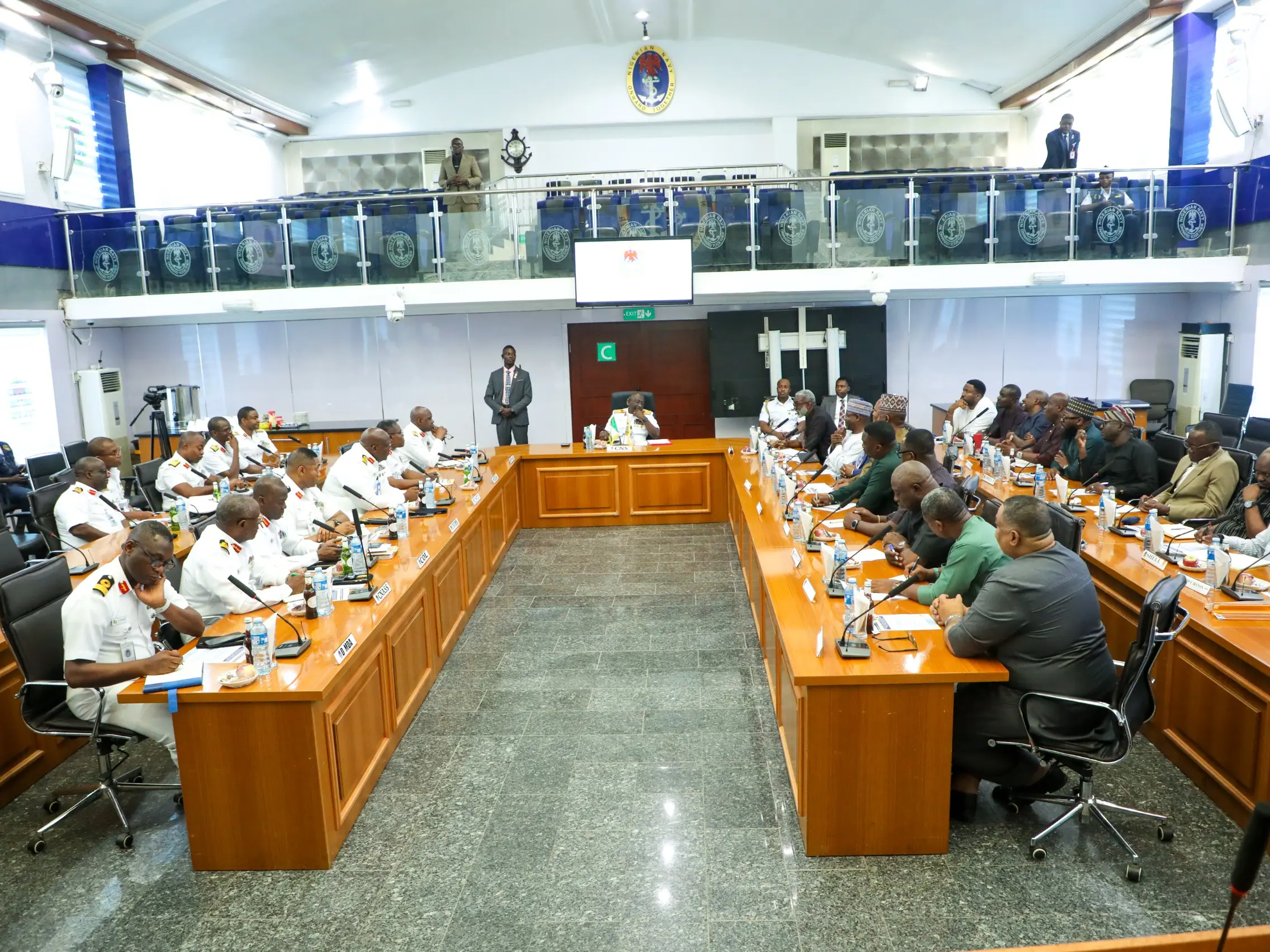)
Nigeria Navy moves to boost oil security, tackle crude theft and infrastructure threats
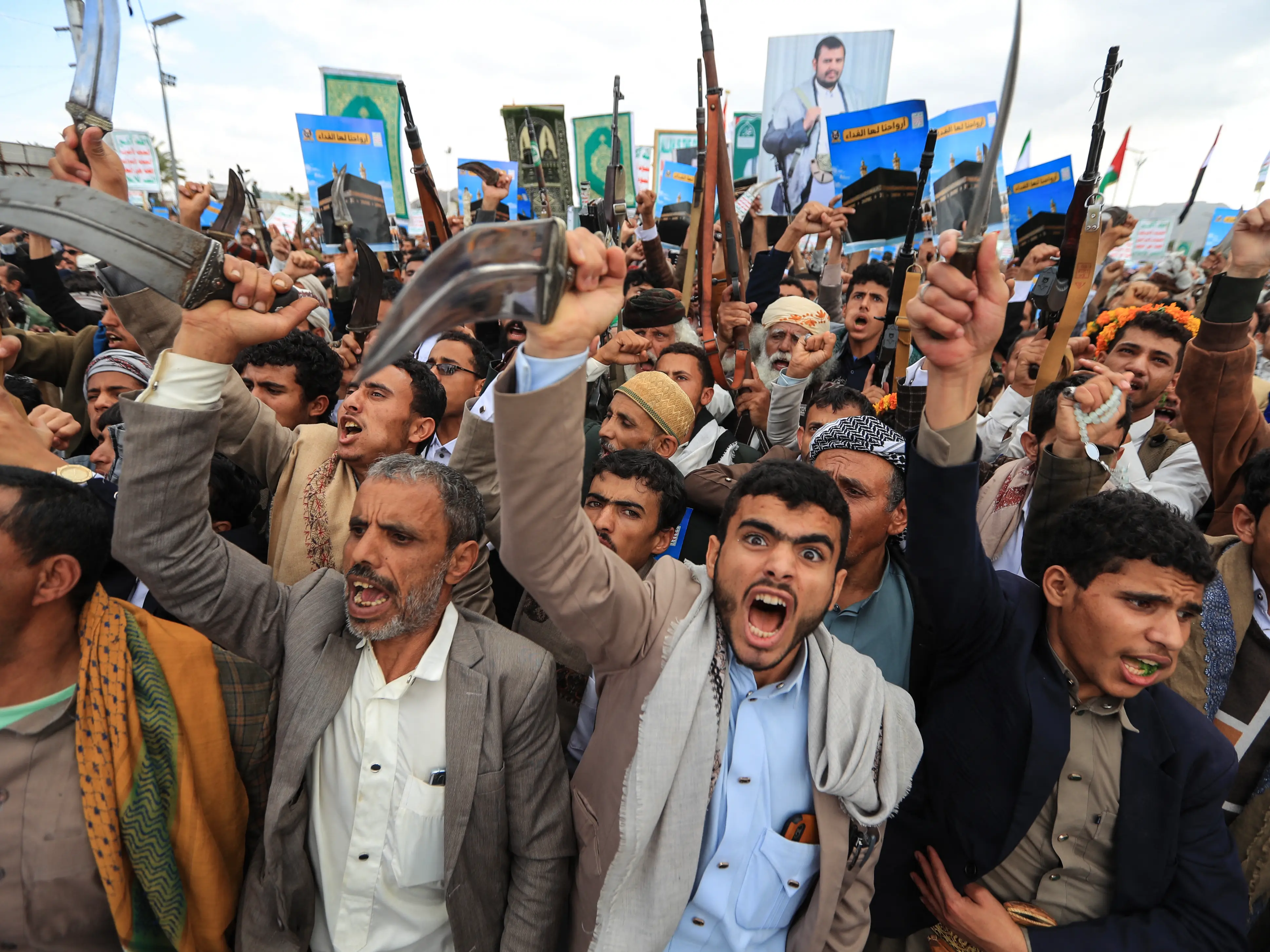)
Saudi Arabia, Turkey and Pakistan to hold urgent military talks amid intensifying Houthi attacks
)
Bollywood mourns Mushtaq Khan: Sunny Deol, Rajpal Yadav and others pay tribute
)
Army chief reviews operational preparedness along LoC, visits mega eye camp in Tangdhar
)
Pentagon quietly adds 37 wounded troops to Iran war tally without explaining when or how
&im=FitAndFill=(700,400))
New Friday OTT releases (September 25, 2026): Don’t Be Shy, Hunkkaar: The Roar, Mango Pachcha- 6 movies and TV shows on Netflix, Prime Video and more
)
Ex-Liverpool forward Mohamed Salah banned from driving in United Kingdom for six months
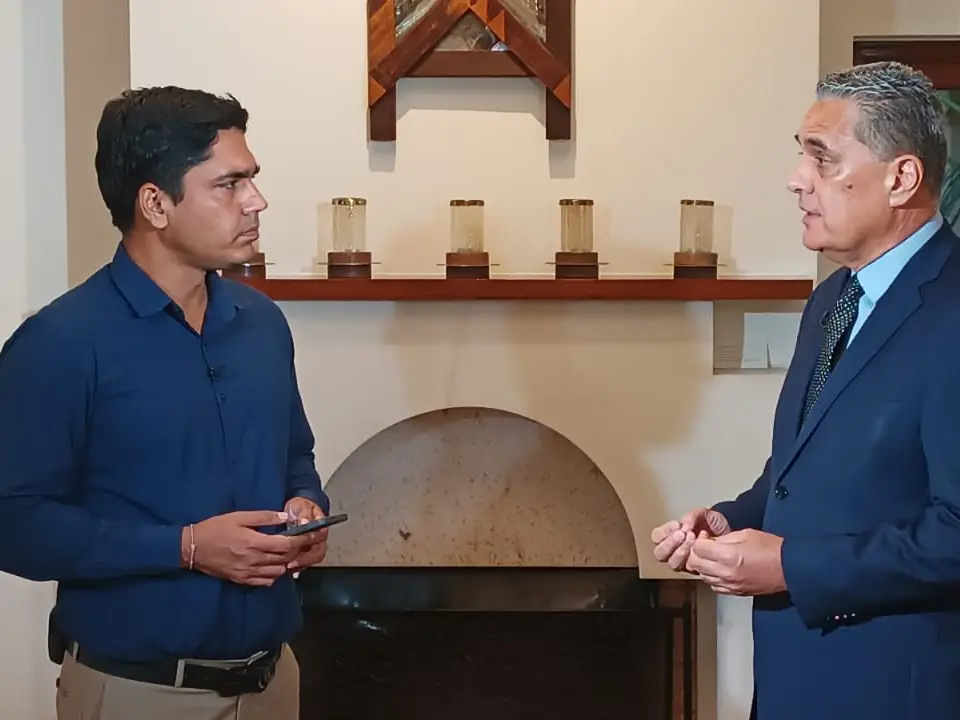)
India-New Zealand FTA is ‘an expression of trust’, NZ High Commissioner Patrick John Rata says
)
Watch: PM Modi joins Bhajan Clubbing event in Delhi on Deendayal Upadhyaya's birth anniversary
)
Scientists detect first radio signals directly from faraway planet
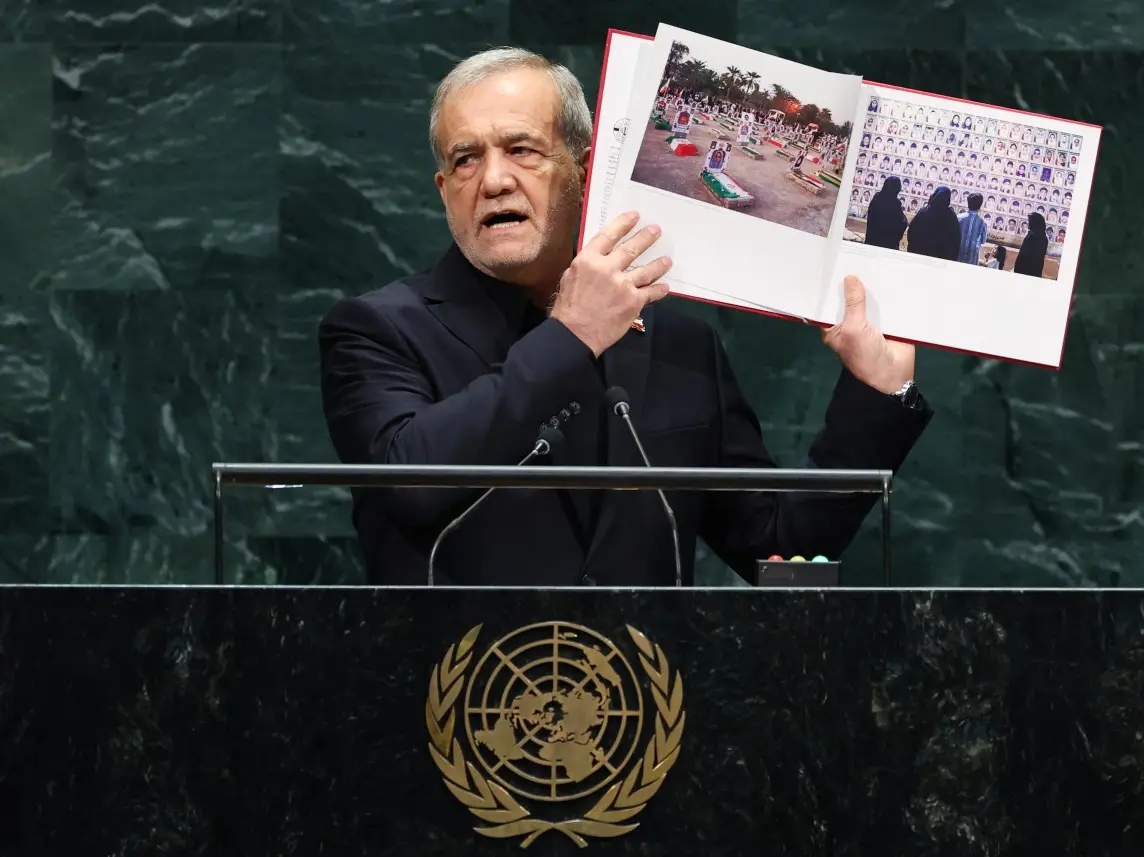)
'We do not wish to continue. It's America that must choose': Iran president Pezeshkian calls on US to end war
)
99.9% more powerful - Scientists find boy who can recall memories from just 3 months of age
)
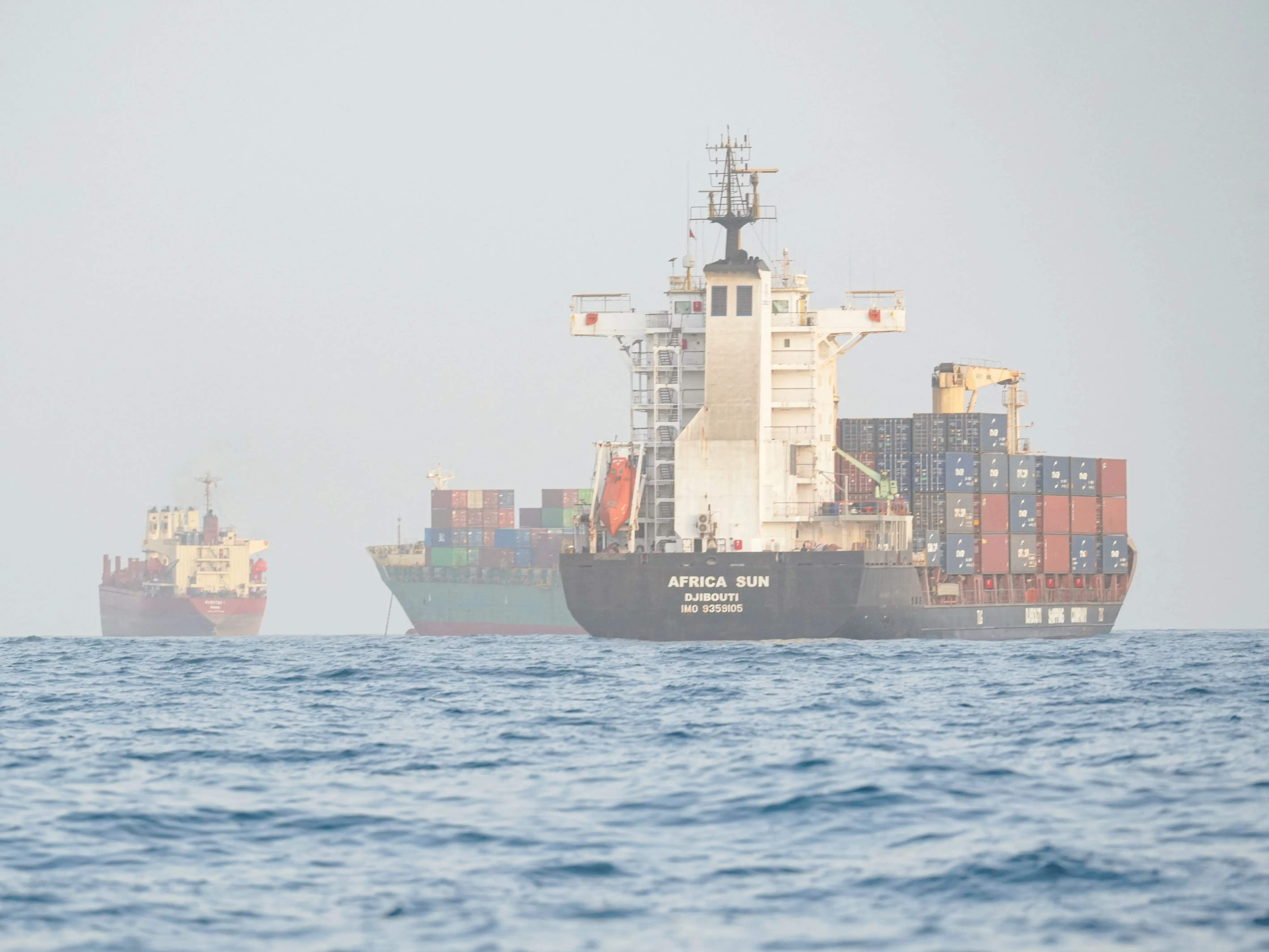
'A terrorist country is asking me that question?': Jaishankar hits back at Pakistani journalist at UN; flags attacks on commercial shipping
)
Red Sea crisis: Houthis promise not to target European ships; UNSC condemns Saudi attacks
)
'Blockbuster' nor'easter develops an eye similar to hurricanes as warnings are issued
)
Meet Adrian Abraham: 9-year-old Indian-origin guitar prodigy aiming for a Guinness World Record
)
Myanmar training camp case: US national, 6 Ukrainians allowed to meet their families abroad
)
'Making history': Xi Jinping praises Trump as US-China leaders dine at White House
)
Bias or safety concerns? Bengaluru CEO says firm will not hire men from UP, Bihar, Rajasthan, MP. Here's why
)
‘Not just a local tragedy’: Nepal PM Shah warns UN of growing climate threat, says Nepal floods were 'a warning to the world'
)
Beijing to Washington! Ivanka Trump makes a style statement in Chinese designer Guo Pei for President Xi Jinping’s White House welcome
)
Trump-Xi summit wrap: Big pageantry, Iran talks, few major developments and more meetings planned
)
‘It is all possible’: Putin weighs next steps on Ukraine talks, rules out Europe conflict
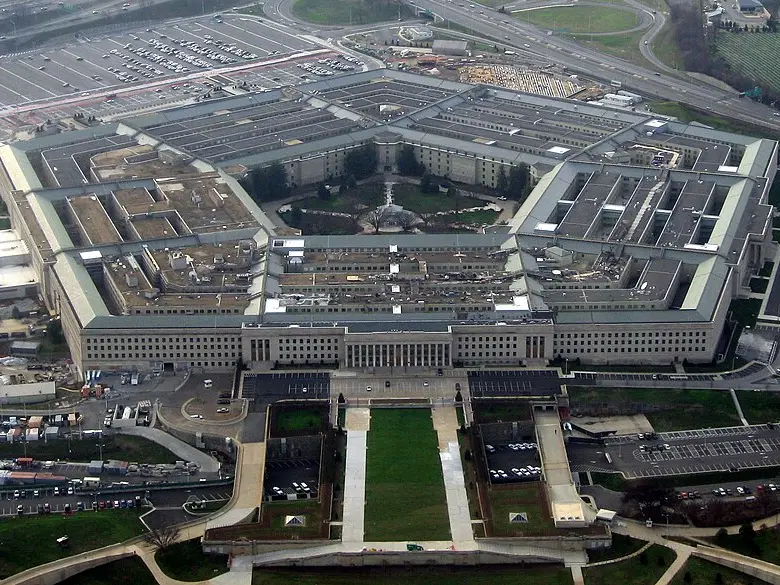)
US court backs Pentagon's decision to exclude Anthropic over Claude AI restrictions
)
'FIRST LOOK from inside Noah’s Ark': Researchers share video from inside mysterious mound in Turkey
&im=FitAndFill=(700,400))
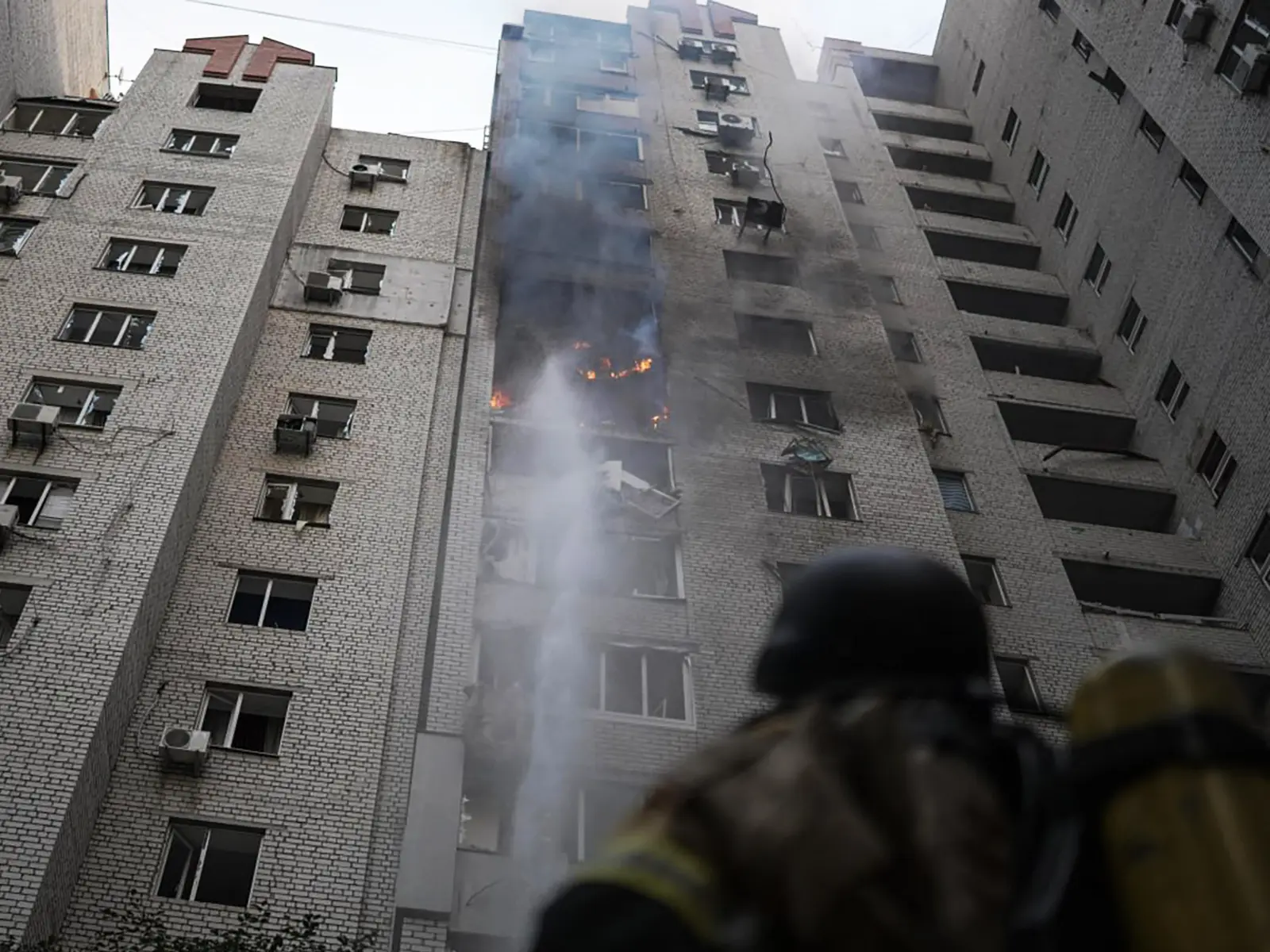
‘Absolutely savage, sickening’: Zelensky slams Russia as daytime strikes kill 5 in Kyiv
)
'What kind of confession is this?': Pakistan PM Shehbaz Sharif’s 'terrorists would be roaming New York' remark goes viral, raises alarm online. Watch
)
Tesla is preparing something big for Optimus: new Gen 3 models surface in app
)
Outrage erupts after 3-year-old is married to 60-year-old man in Pakistan, link to her sister's murder being probed
)
OpenAI AI Agents hacked 4 websites before Hugging Face, researchers reveal
)
‘Attack on Mecca a red line for Pakistan’: Shehbaz Sharif warns Houthis at UN
The scale of the Takata airbag recall is unprecedented in automotive history. Over the past decade, more than 100 million vehicles equipped with Takata airbag inflators have been recalled worldwide. This massive recall has had far-reaching consequences for the automotive industry, consumers, and Takata itself.
Takata, once the world's leading supplier of airbags, filed for bankruptcy in 2017 as a direct result of this scandal. The company's downfall serves as a stark reminder of the severe consequences that can arise from critical safety failures in the automotive industry.
This latest advisory from Ford and Mazda highlights the ongoing nature of the Takata airbag crisis and the challenges automakers face in addressing it comprehensively. Despite years of recalls and repairs, a significant number of vehicles remain at risk, necessitating continued vigilance and action from both manufacturers and vehicle owners.
The persistence of this issue raises questions about the effectiveness of recall processes and the challenges of reaching all affected vehicle owners. It also underscores the critical importance of prompt consumer response to safety recalls, as delays in addressing these issues can have life-threatening consequences.

