EU climate chief rejects calls to weaken car CO2 rules amid industry pressure

EU climate chief rejects calls to weaken car CO2 rules amid industry pressure
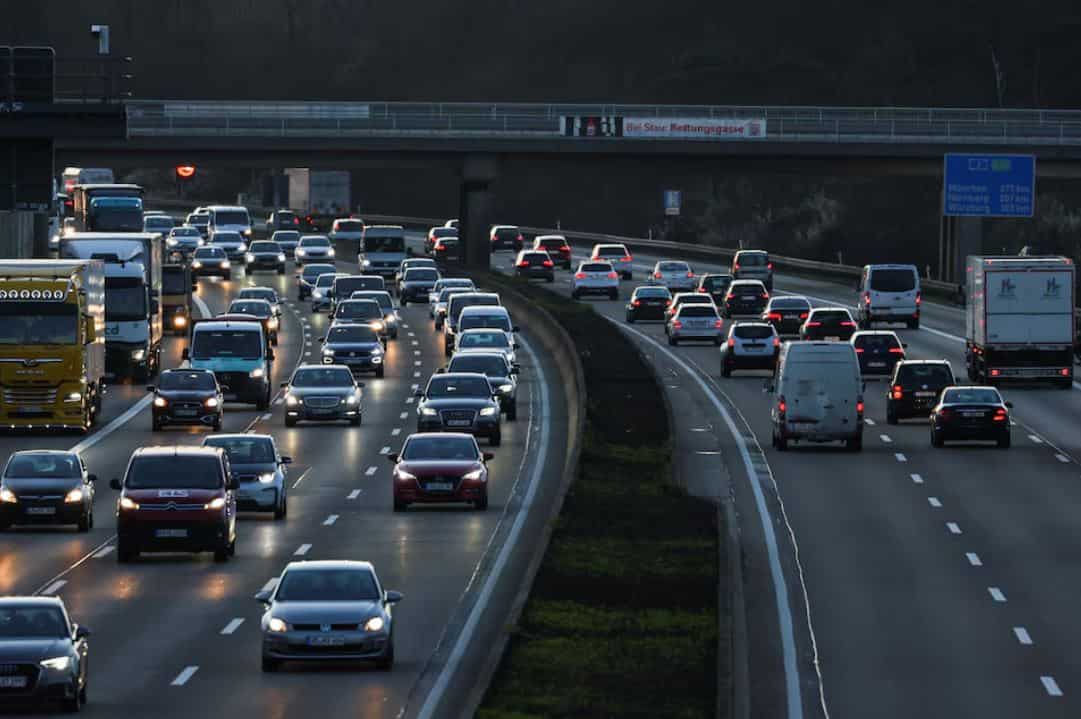
Asian automakers are hoping for help from the European commission to pare back its car CO2 emissions policies, which have come under mounting pressure from carmakers, national governments, and the European People's Party (EPP), the European Parliament's largest political group. Firmly opposed to rollbacks, climate policy chief Wopke Hoekstra said Thursday.
"No. Asked at an industry event in Brussels if the Europeans would change their regulations, the answer is no," Hoekstra told Reuters in an interview.
Europe's auto sector is in crisis, with electric vehicle (EV) demand lagging, intense competition from Chinese manufacturers and concerns for thousands of jobs, EPP said this week in launching a campaign to ease CO2 rules. The efforts join calls from industry groups and officials for regulatory relief.

Relief for automakers from meeting CO2 limits of 2025, which many manufacturers stand to fail, is the first of the EPP’s demands. The European Automobile Manufacturers Association (ACEA) says such penalties could amount to up to €15 billion (USD 15.8 billion), and it warns they could undermined EV investment.
But despite these concerns, the European Commission has said that such strong emissions rules are necessary to deliver legal climate obligations and bring certainty to investors.
The fears of financial penalties were dismissed by Hoekstra, who noted that manufacturers had already managed to offset fines under past targets. Volkswagen, for instance, narrowly surpassed limits in 2020 and thus avoided steep penalties.
)
High Xylitol levels in blood linked to cardiovascular risk
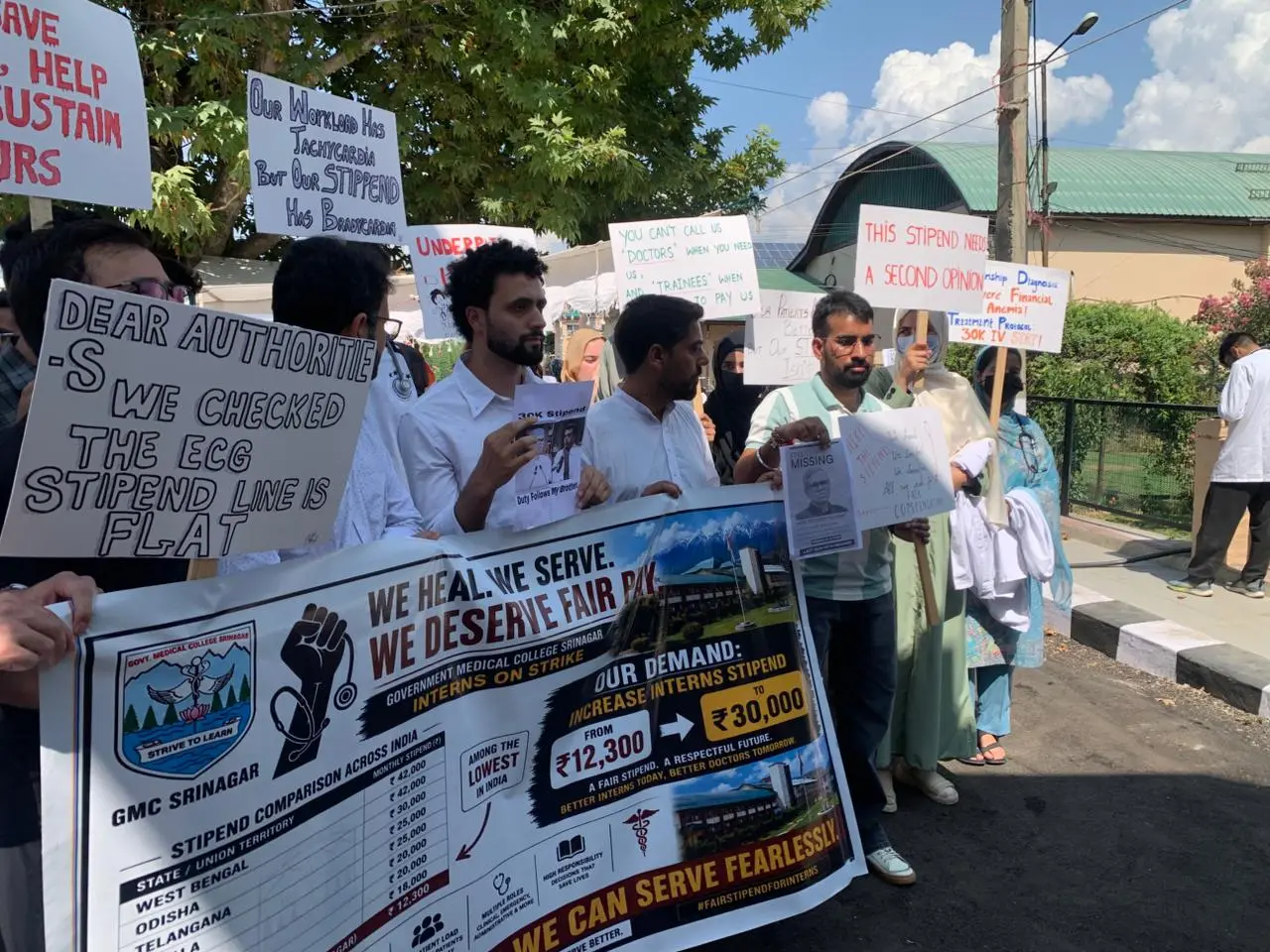)
J&K medical interns continue fourth-day protest, demand stipend hike to ₹30,000
)
Report: Egypt eyes new Rafale F4 deal amid air force modernisation push
)
Husband uses secret camera to record wife’s affair, wins divorce case, ends up in jail for spying
)
Earth-Theia collision created the moon in just 5 hours, study shows
)
Trump suggests renaming Strait of Hormuz to ‘Trump Strait’
)
Rubio on Modi-Pezeshkian meeting: 'No country should help Iran evade sanctions'
)
EU bans Brazilian meat imports over antibiotic violation rules
)
Manipur violence: 25 houses torched in Manipur’s Kangpokpi a day after 10 homes were burnt along Imphal-Tamenglong road
&im=FitAndFill=(700,400))
Why the Su-30MKI uses a giant air brake on its back instead of its wings
)
India's data centre boom: AI boom fuels $31.6 trillion data race
)
WION Exclusive: Hasina says she reads father’s unfinished memoir while planning Dhaka return
&im=FitAndFill=(700,400))
Why the glass canopy on the Su-30MKI has a distinct golden tint
)
Belgium, latest EU state cautioned by India over arms for Pakistan; gets assurances from Brussels
)
Indian Air Force pilot Abhinandan Varthaman, who shot down Pak fighter jet retires, takes up private job
)
Man pushes Russian humanoid robot. Watch what happens next
)
Houthis target Yemen with ballistic missiles, Yemeni army downs several drones
)
The Odyssey star Elliot Page opens up about struggling to land his next acting role after starring in Christopher Nolan film
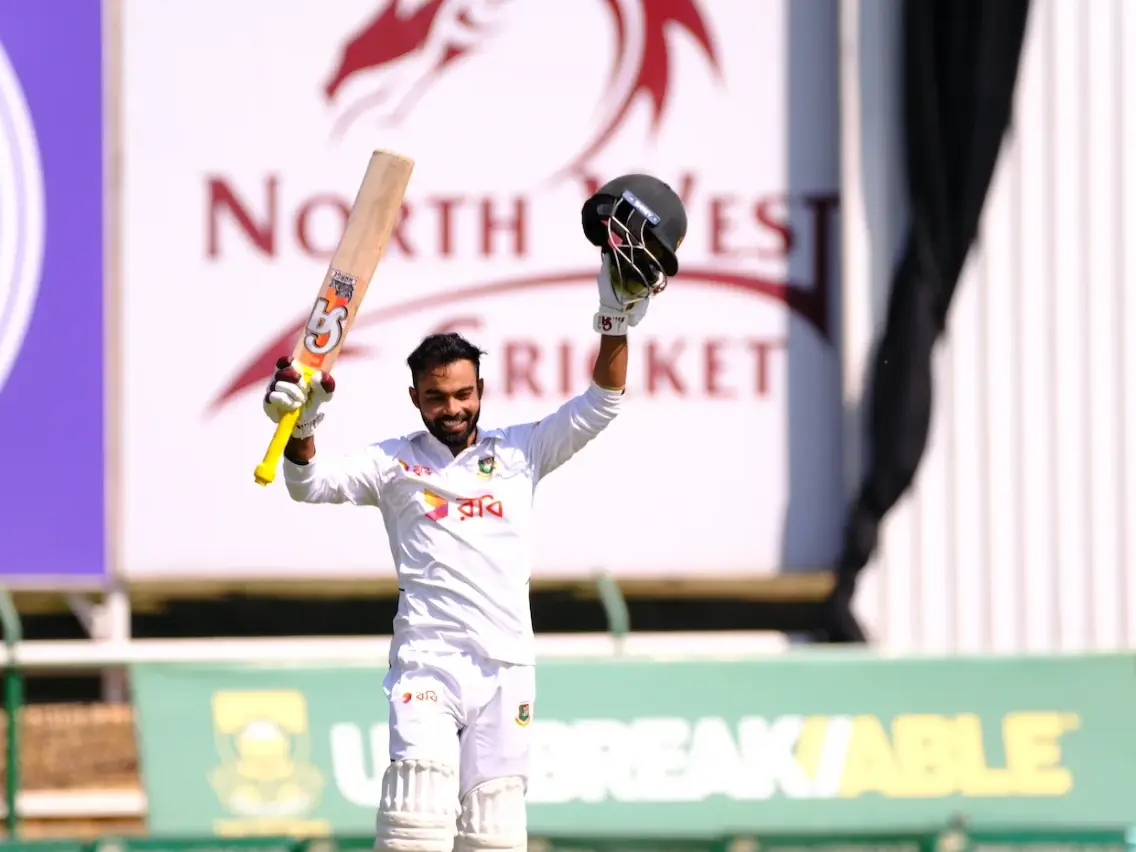)
Bangladesh batter Towhid Hridoy creates history with 350 not out in South Africa
)
Trump says he’s ‘happy’ Harry and Meghan left US , calls them disrespectful
)
US Mint releases $1 coins featuring Donald Trump, priced up to $154.50
)
EU and NATO step up pressure on Russia after Germany ‘escalation incidents’
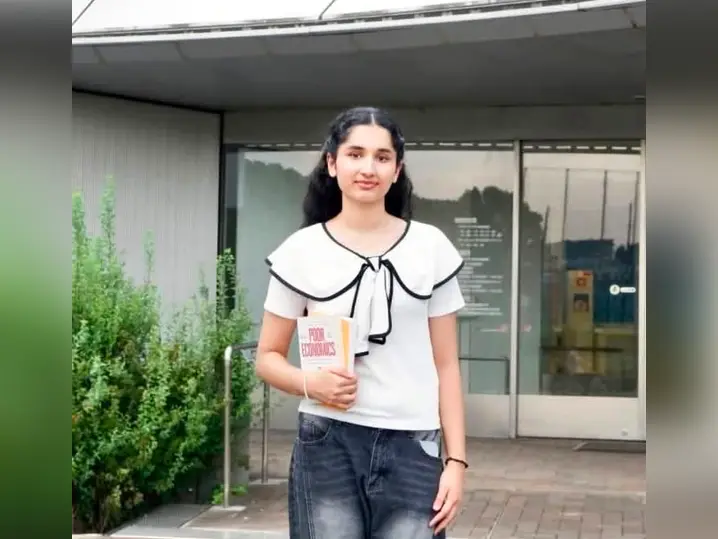)
Who is Aditi Paudel? 17-year-old becomes Japan's first literacy ambassador
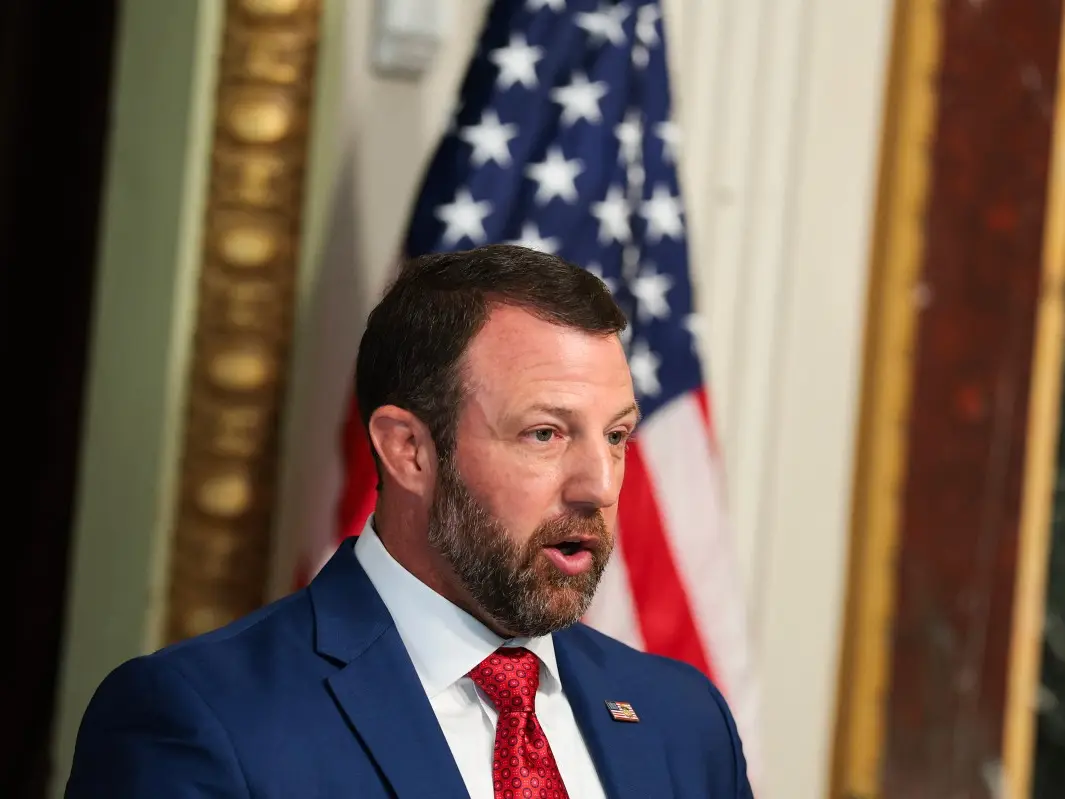)
Coast Guard jet carrying DHS Secretary Markwayne Mullin makes emergency landing after engine failure
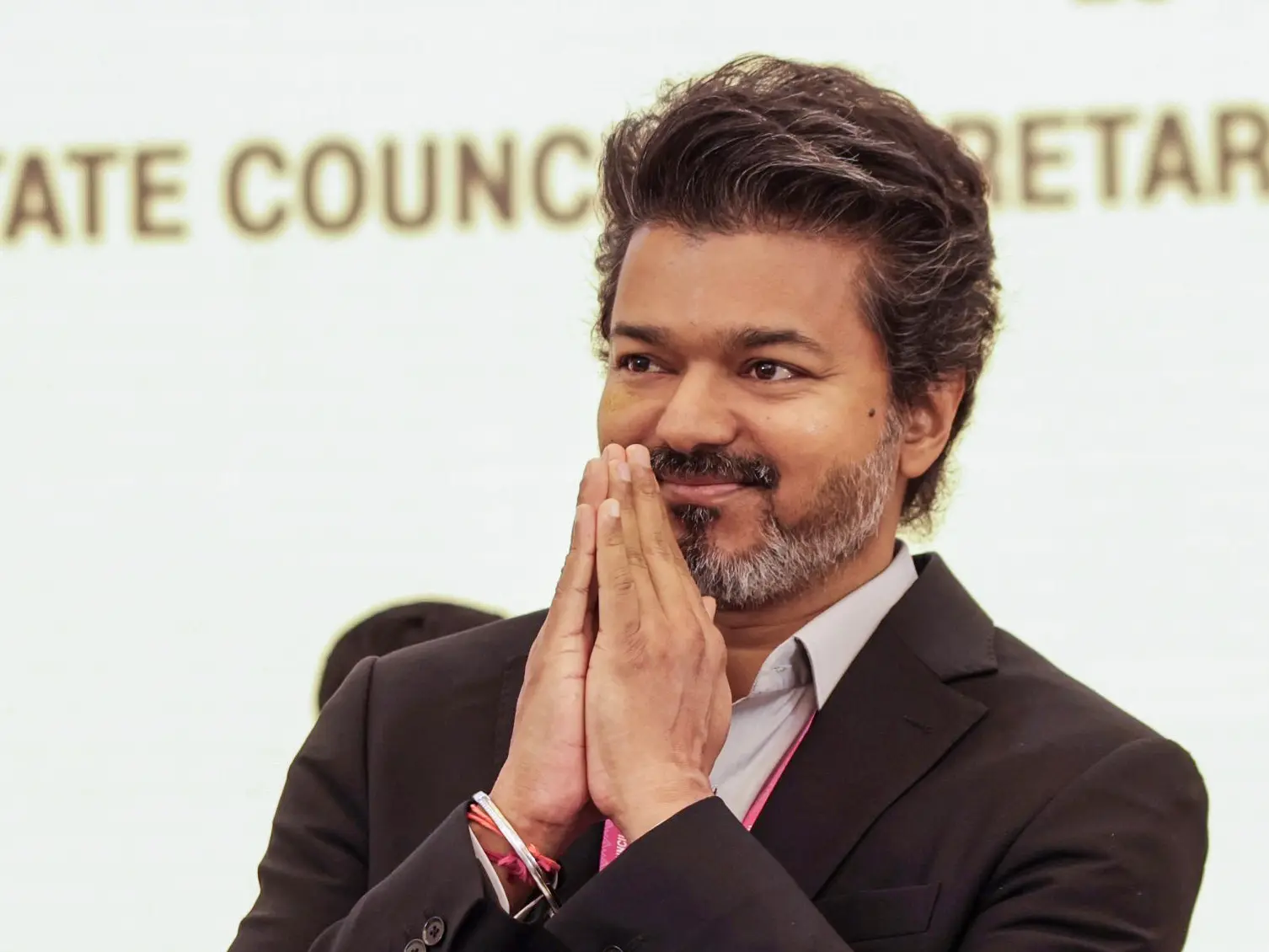)
No selfies with God, no reels inside: Tamil Nadu CM bans smartphones in temples | Gravitas
)
Pakistan faces growing hunger crisis amid rising food insecurity
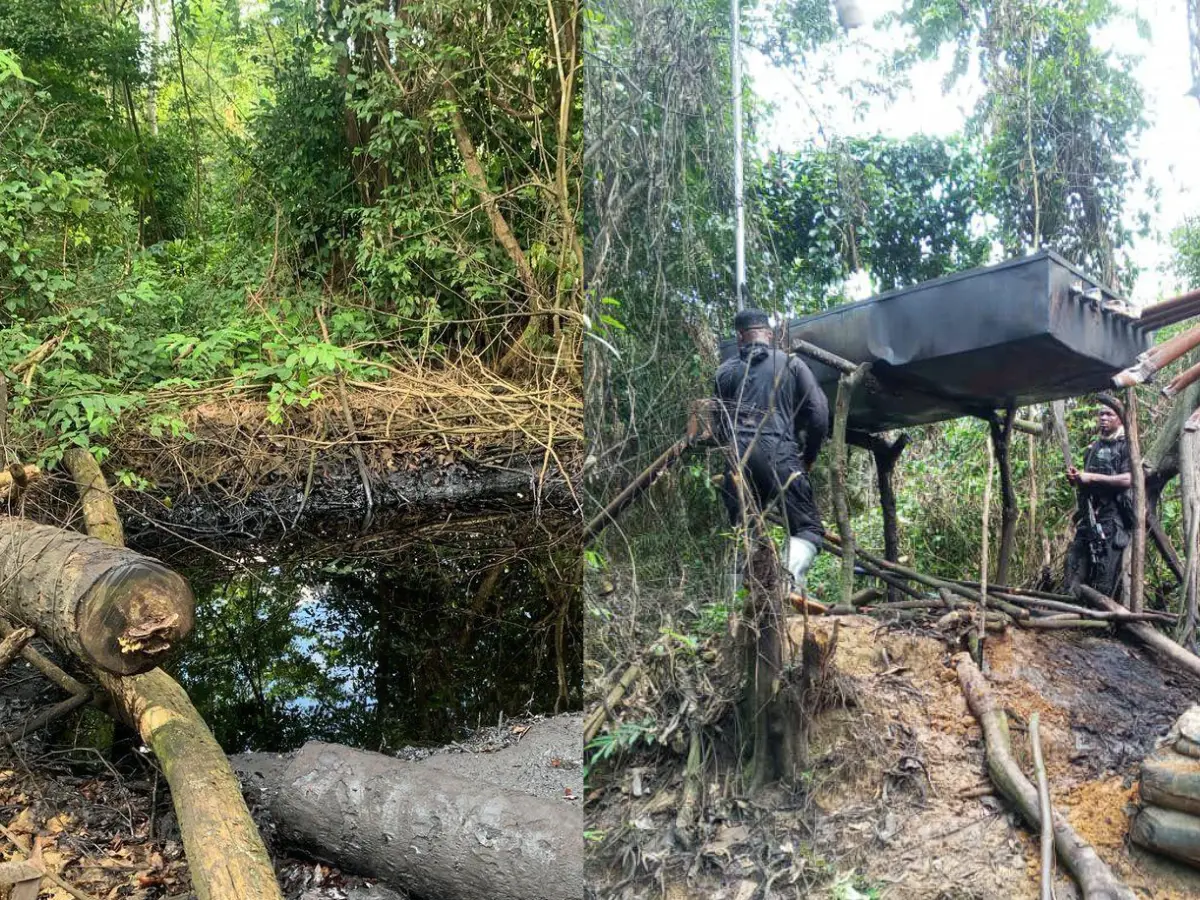)
Nigerian Navy discovers 99,000 litres of suspected stolen, illegally refined products as it intensifies anti-crude oil theft operations
)
ISRO EOS-05 launch: GSLV to lift heaviest payload in its 25-year flight history
)
At least 2 killed in Minneapolis shooting, suspect also dead
)
Chaos in Ukraine's Kyiv: Zelensky calls shootout between spy services 'absolutely shameful'
)
Pakistanis are eating less. What they are eating instead is even more alarming
&im=FitAndFill=(700,400))
How the Su-30MKI flies up to 8,000 kilometres using mid-air refueling
)
Beginning of the end? More glacial lake outbursts threaten millions in India, Nepal and China
)
Nepal floods: 1,204 dead, 4,216 missing as tearful relatives pray for the missing
The EPP has presented the new regulations with a flexible approach: The CO2limits would have a three-year compliance window. That would allow automakers to get around missing next years targets without the threat of fines in the immediate but by making it up by 2027.
But the car sector in Europe faces big challenges, from lacklustre EV sales to stiff competition from Chinese rivals. But Hoekstra's stance represents the EU's determination to cling to its climate agenda at odds with industrial competitiveness.
The debate over CO2 regulations highlights a broader struggle between achieving green objectives and addressing economic realities in Europe’s automotive industry.
