Company fails to deliver a single car after building 1967 Mustang EV

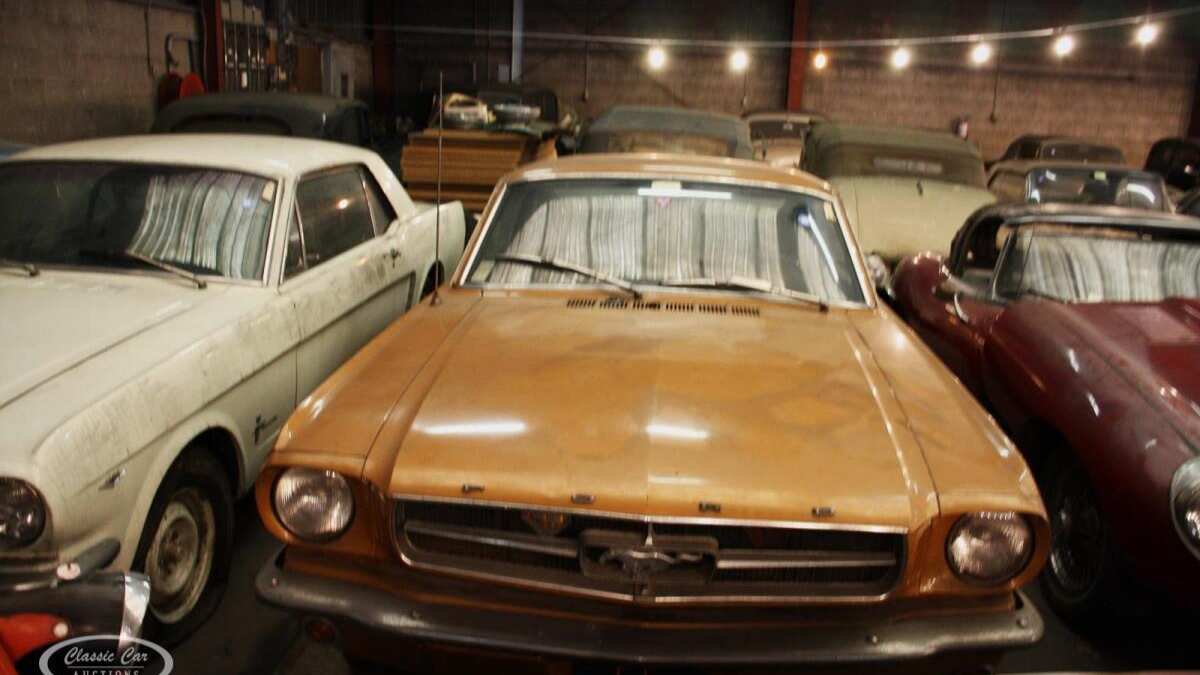
Ford Mustang 289 Fastback
The tale of Charge Cars, a UK-based company, came to an abrupt and unexpected end before it could truly begin. This British enterprise, which had ambitious plans to produce an electric version of the iconic 1967 Ford Mustang, ultimately failed to deliver even a single vehicle to customers before being forced to cease operations.
In 2022, Charge Cars made waves in the automotive world by unveiling their electrified reimagining of the classic 1967 Ford Mustang. The project seemed poised for success, generating significant buzz and excitement within the industry. The company showcased their creation at the prestigious Goodwood Festival of Speed, where it made its dynamic debut. The electric Mustang boasted impressive specifications, including a powerful drivetrain that produced 536 horsepower (or 544 metric horsepower) and a staggering 1,120 pound-feet (1,520 Newton meters) of torque. This formidable powertrain was integrated into an advanced all-wheel-drive system that Charge Cars dubbed "4iWD."

The vehicle's construction featured a combination of steel and carbon fiber, resulting in a lightweight yet robust structure. Performance figures were equally impressive, with the electric Mustang capable of accelerating from 0 to 60 mph (0 to 97 kph) in a mere 3.9 seconds. The car's range was also noteworthy, offering up to 200 miles (322 kilometers) of driving on a single charge. Power was supplied by a floor-mounted lithium-ion battery pack with a capacity of 63 kW.
Charge Cars didn't stop at modernising the powertrain; they also updated the interior with contemporary amenities. The classic Mustang received a fully digital instrument cluster and a premium sound system, bringing the vintage icon into the 21st century. The company also made significant upgrades to the car's underpinnings, including a redesigned suspension system, improved brakes, and modern LED lighting.
One of the most intriguing aspects of the project was that Ford had granted Charge Cars an official license for the design, along with approval to manufacture their body shell for the electric classic Mustang. This endorsement from the original manufacturer lent credibility and legitimacy to the endeavour.
)
OpenAI AI Agents hacked 4 websites before Hugging Face, researchers reveal
)
Prince Harry offers rare glimpse into Archie and Lilibet’s life after UK move
)
Myanmar training camp case: US national, 6 Ukrainians allowed to meet their families abroad
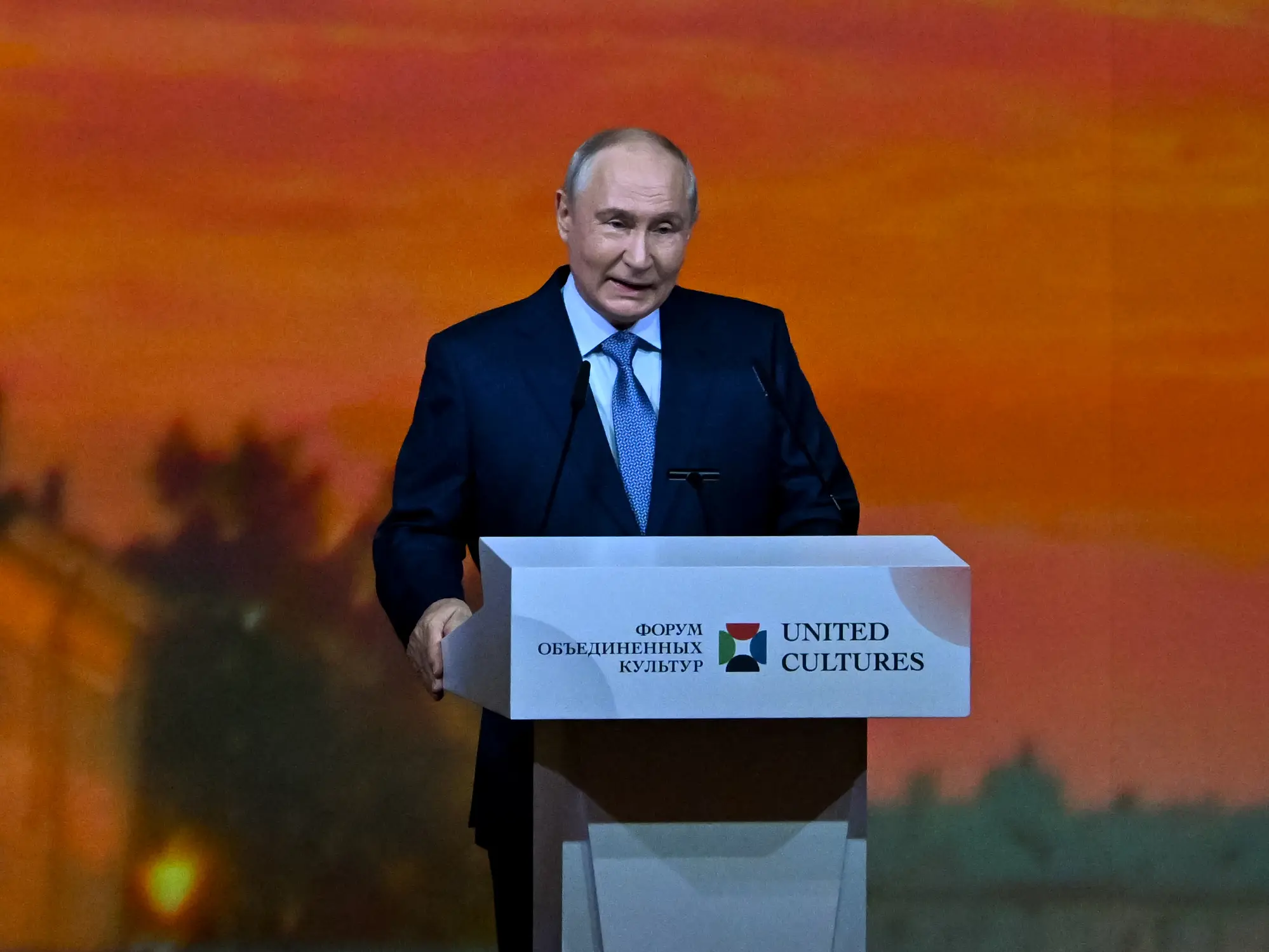)
‘It is all possible’: Putin weighs next steps on Ukraine talks, rules out Europe conflict
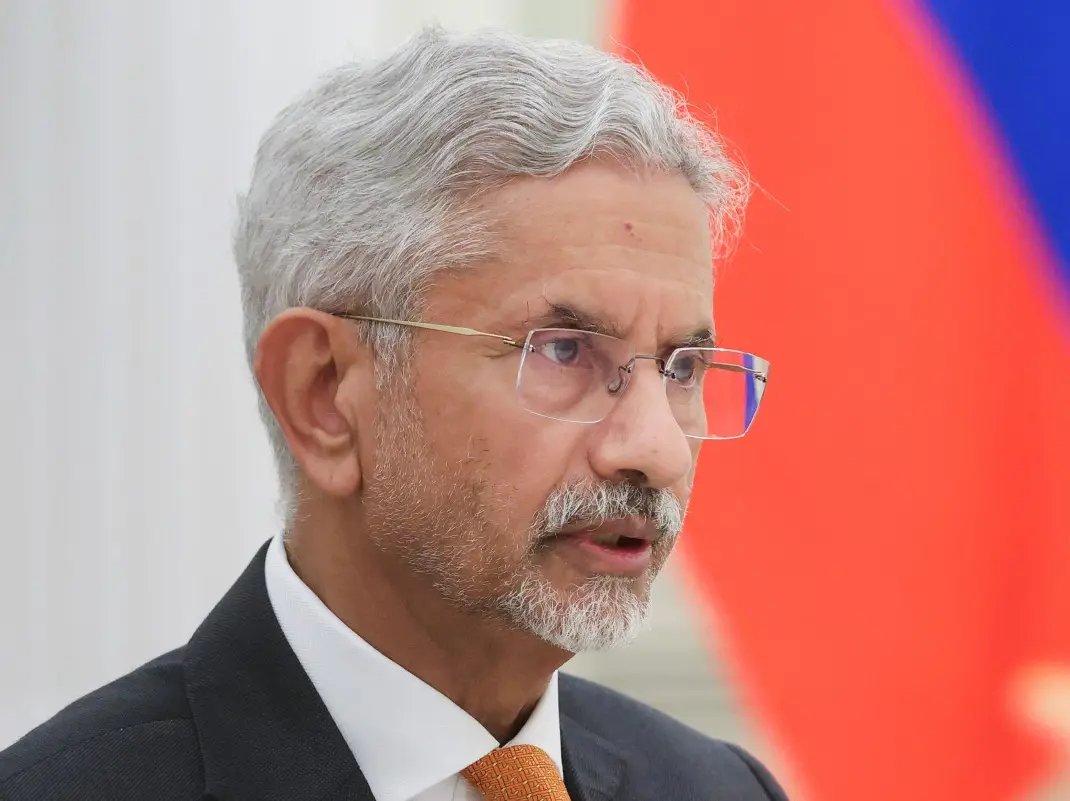)
'A terrorist country is asking me that question?': Jaishankar hits back at Pakistani journalist at UN; flags attacks on commercial shipping
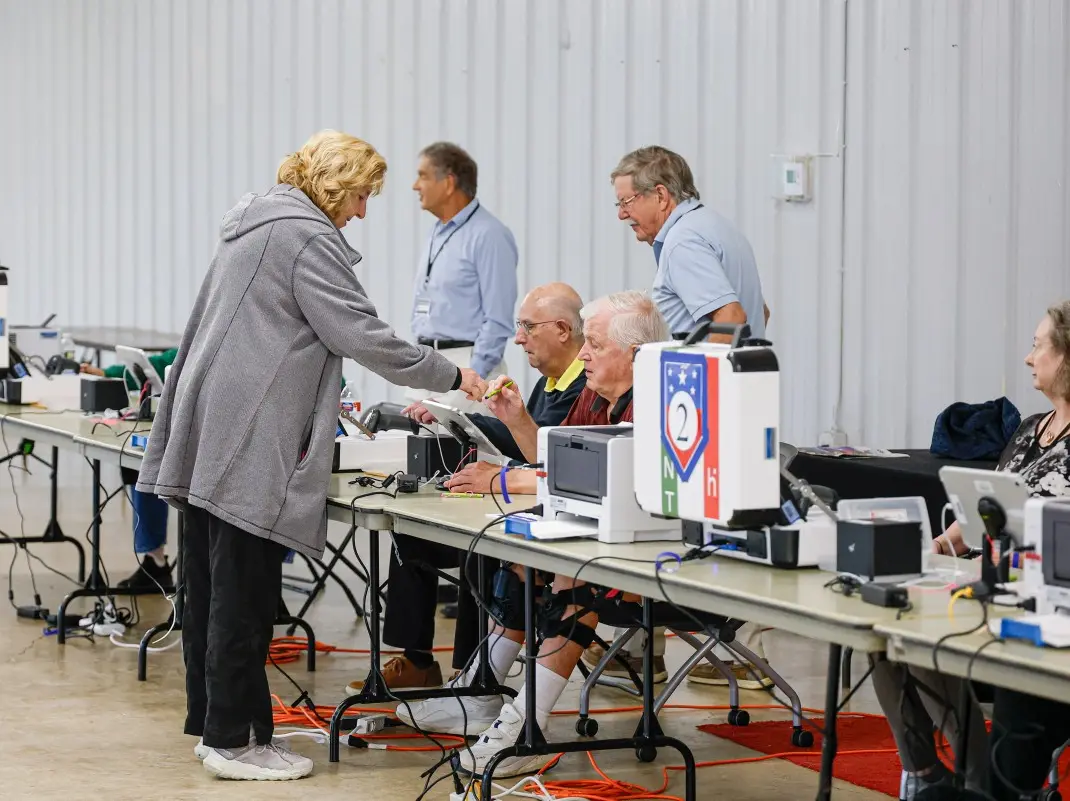)
US Supreme Court backs Trump administration's use of SAVE database to check voter citizenship
)
Global community 'absent' in Gulf crisis: Saudi at UN calls for freedom of navigation, pre war status for Hormuz
)
Pentagon quietly adds 37 wounded troops to Iran war tally without explaining when or how
)
Did Hitler kill his niece Geli Raubal? Newly found records reopen a 95-year-old mystery
)
Hawaii braces for Hurricane Nolo: NOAA warns of flash flooding and mudslides
)
'What kind of confession is this?': Pakistan PM Shehbaz Sharif’s 'terrorists would be roaming New York' remark goes viral, raises alarm online. Watch
)
'FIRST LOOK from inside Noah’s Ark': Researchers share video from inside mysterious mound in Turkey
)
Pakistan deploys over 20,000 security personnel as PTI vows march for Imran Khan's release
)
WATCH | As Shehbaz Sharif claims Pakistan’s ‘victory’ during 2025 conflict, Indian diplomat R Srinivas laughs at UN
)
'Countries far from conflict are penalised': Jaishankar calls for Gulf peace, seafarer safety at UN
)
Mushtaq Khan dies at 56: When Welcome actor opened up about his salary for iconic role Ballu
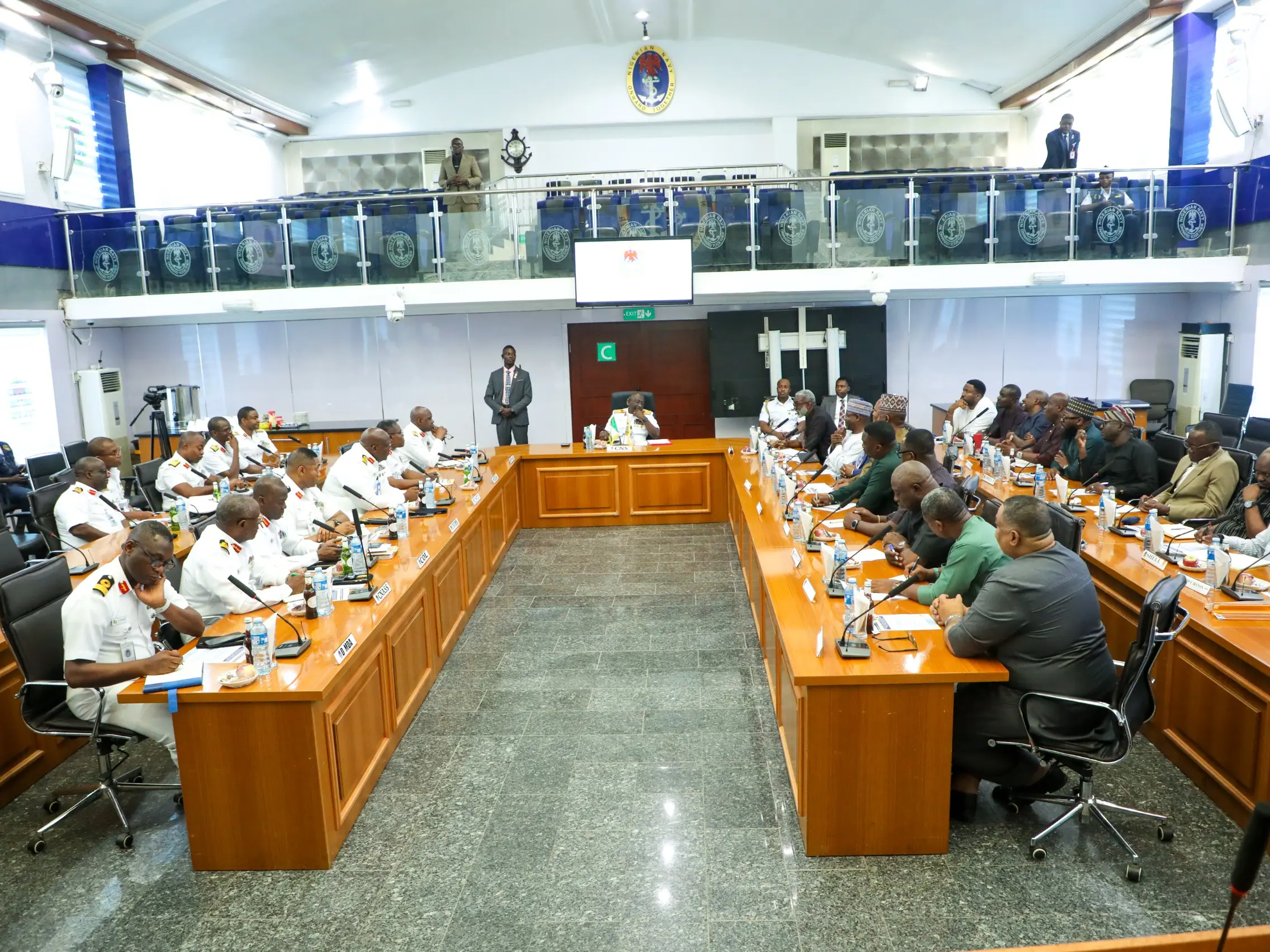)
Nigeria Navy moves to boost oil security, tackle crude theft and infrastructure threats
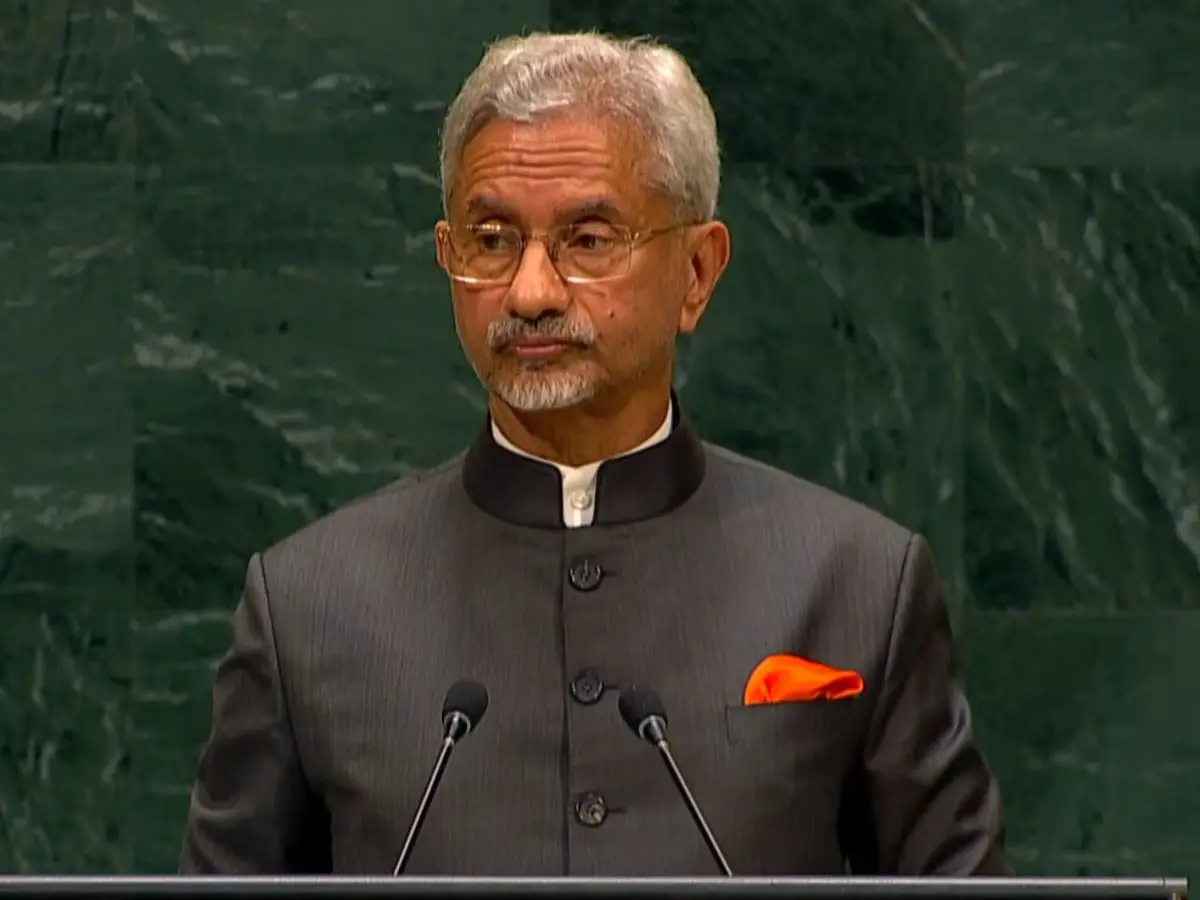)
‘Serial practitioner of terrorism’: Jaishankar calls out Pakistan’s ‘state-sponsored’ terror at UNGA
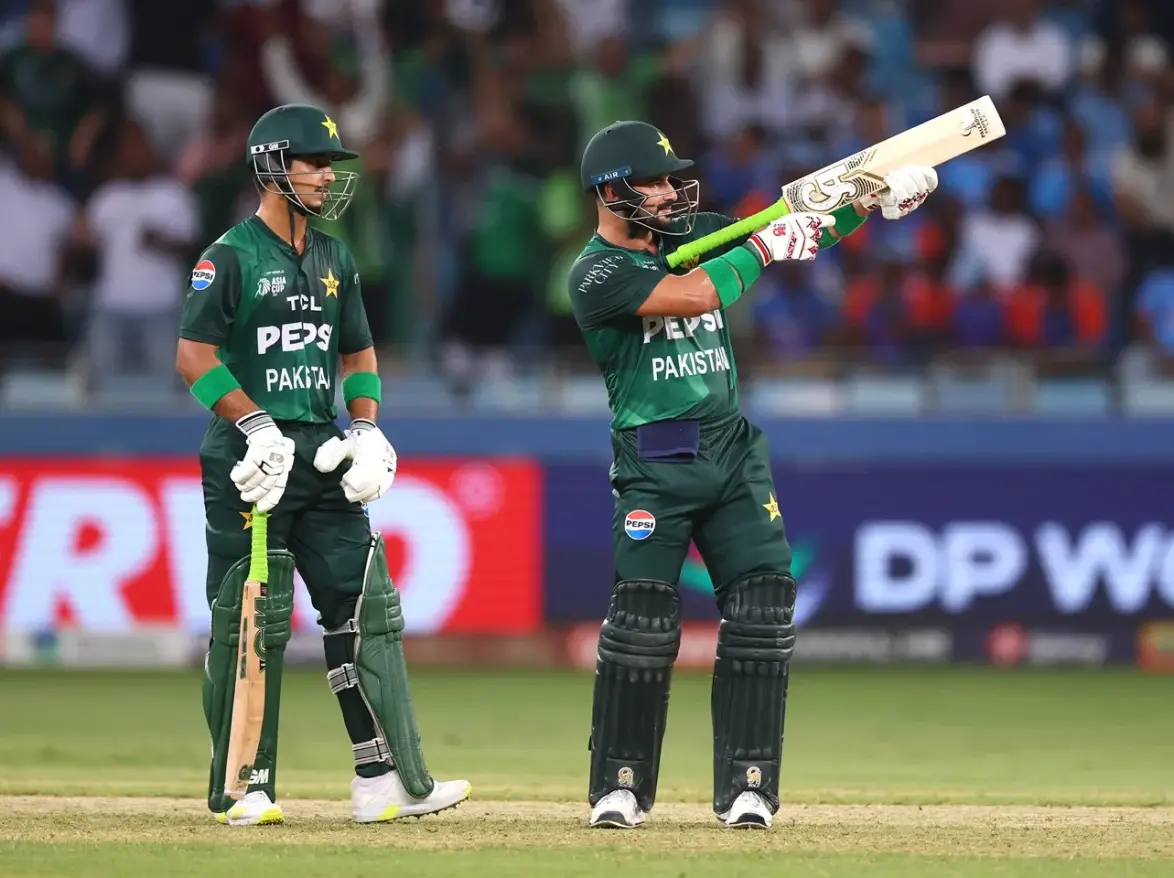)
Farhan, who went viral for AK47 celebration vs India in Asia Cup, hopes to lead Pakistan beyond Asian Games
&im=FitAndFill=(700,400))
New Friday OTT releases (September 25, 2026): Don’t Be Shy, Hunkkaar: The Roar, Mango Pachcha- 6 movies and TV shows on Netflix, Prime Video and more
)
Outrage erupts after 3-year-old is married to 60-year-old man in Pakistan, link to her sister's murder being probed
)
US-Iran war: Trump rejects Iran's Hormuz proposal, reports suggest talks expected next week
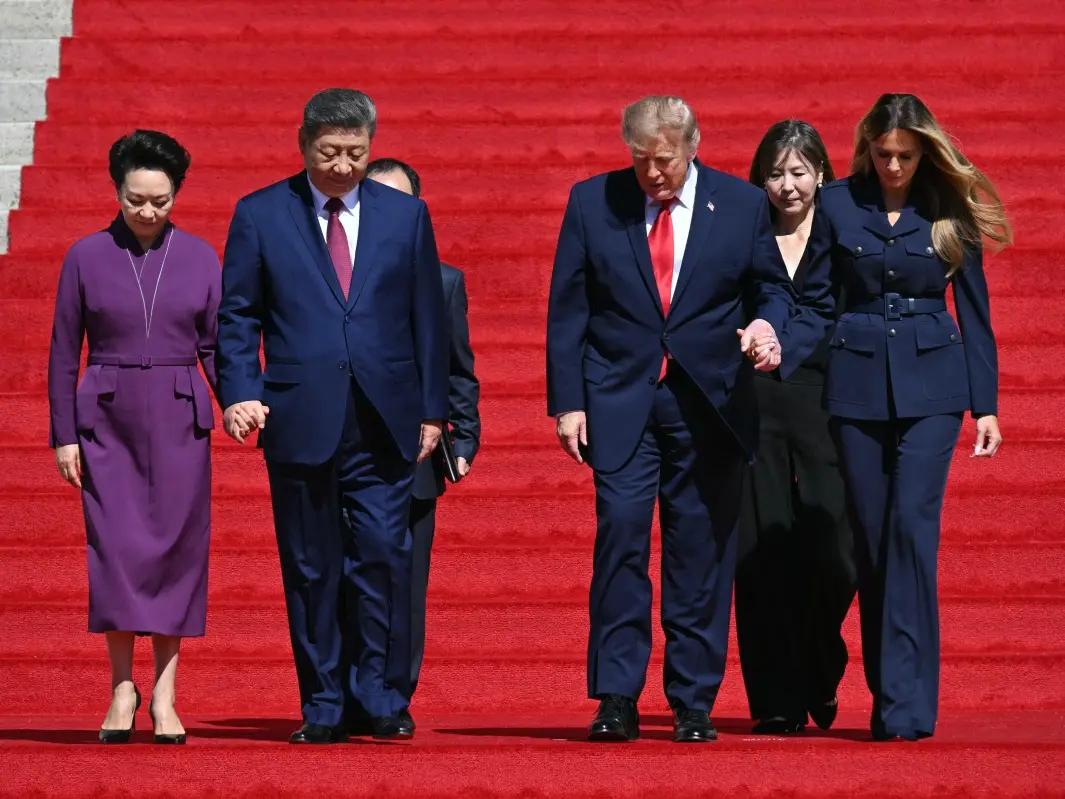)
Trump-Xi summit wrap: Big pageantry, Iran talks, few major developments and more meetings planned
)
‘Could kill billions...’: Bill Gates backs calls to slow AI development amid fears of catastrophe
)
‘I rejected it’: Trump confirms turning down Iran’s proposal to reopen Hormuz, claims Tehran is losing ‘badly’
)
Cindy Crawford’s son Presley Gerber cremated as death probe continues
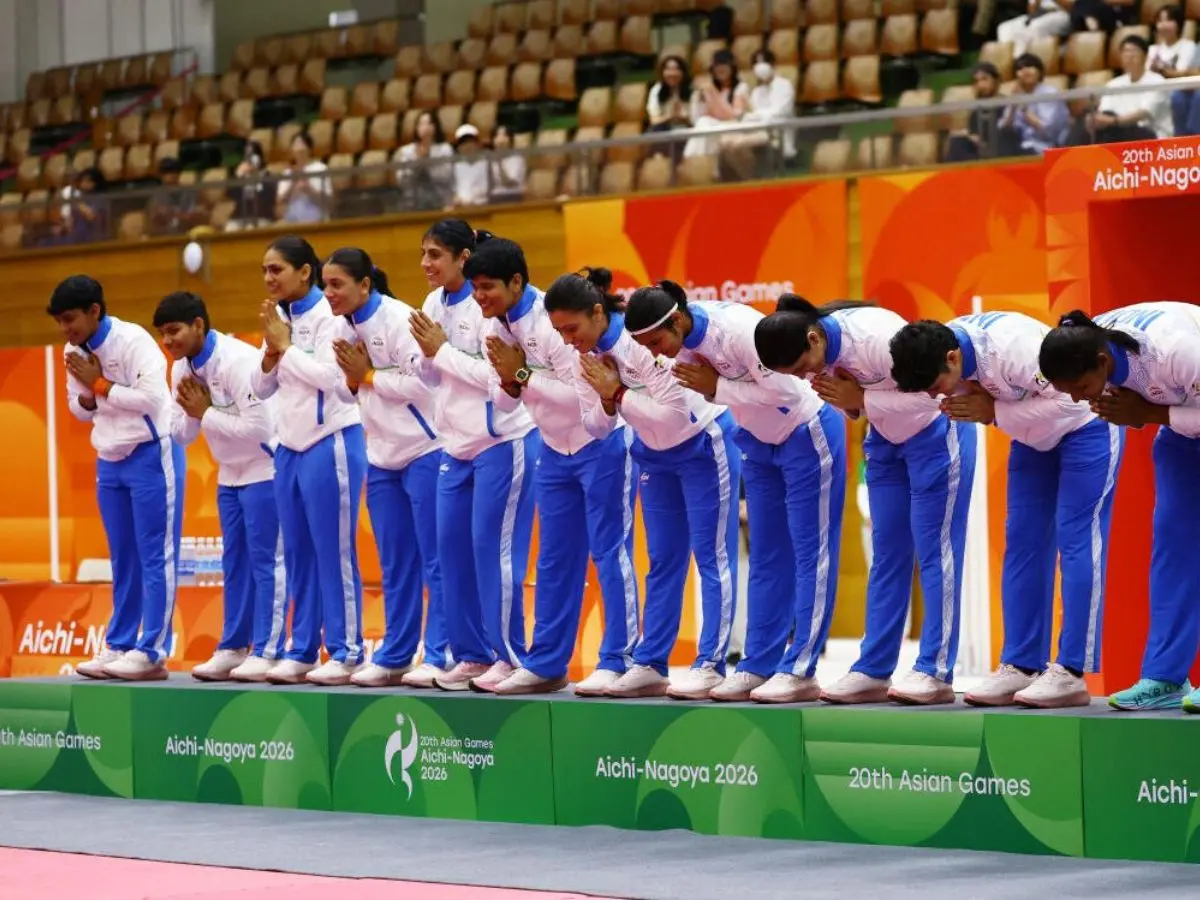)
Asian Games 2026: India women’s kabaddi team edge Iran 37-34 to clinch 3rd gold medal
)
Bigg Boss 20: Salman Khan schools Rhiti Tiwari over Qazi Touqeer clash, compares her to Dolly Bindra
)
Asian Games 2026: India face Afghanistan in quarterfinal on Sep 28; Pakistan clash with Hong Kong
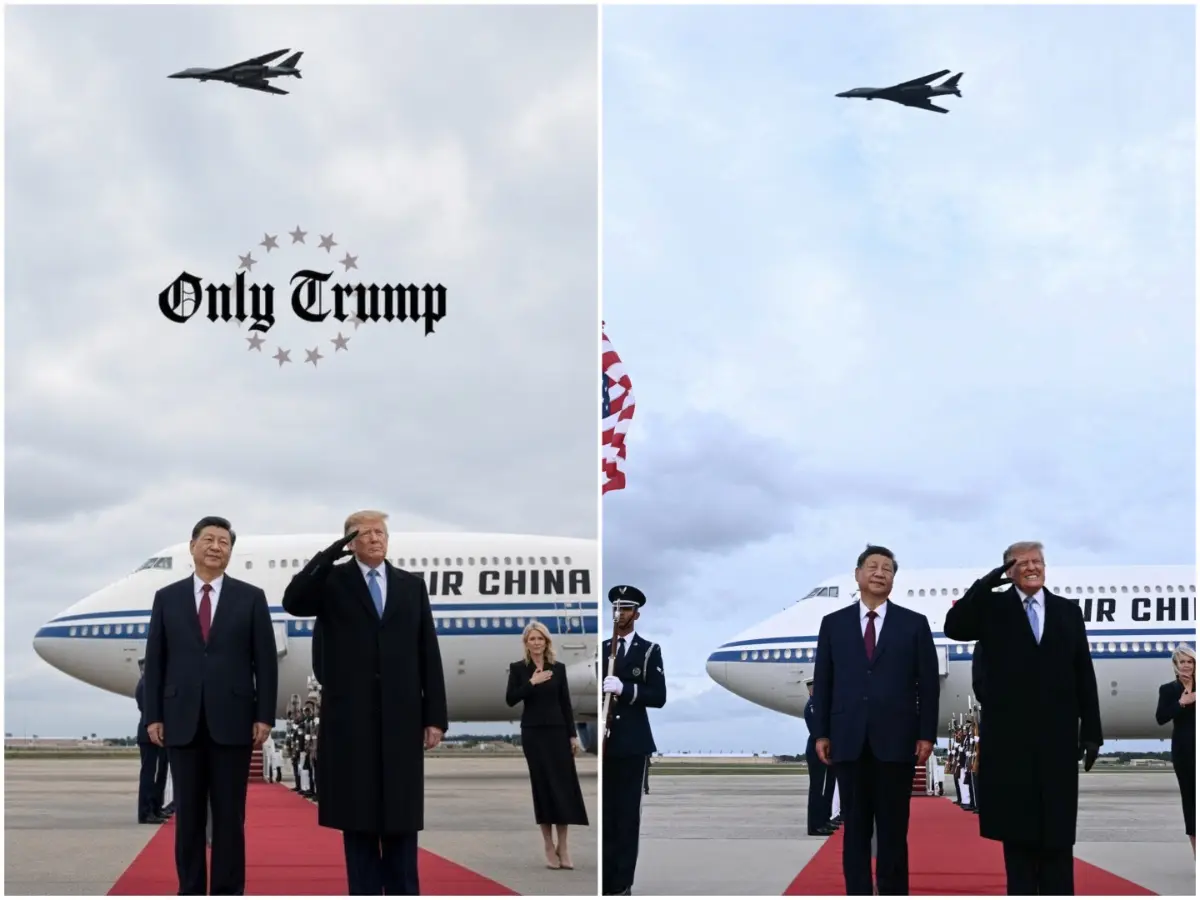)
Donald Trump shares image of Xi's arrival in Washington, carries signs of AI
)
Russia will achieve Ukraine war aims; Europe doing everything to block peace talks: Lavrov at UN
)
Bollywood x K-pop crossover! LE SSERAFIM’s Kazuha charms fans with Shah Rukh Khan’s ‘Chammak Challo’ steps
)
LPU students go on rampage, vandalise campus amid widespread protest: What's happening
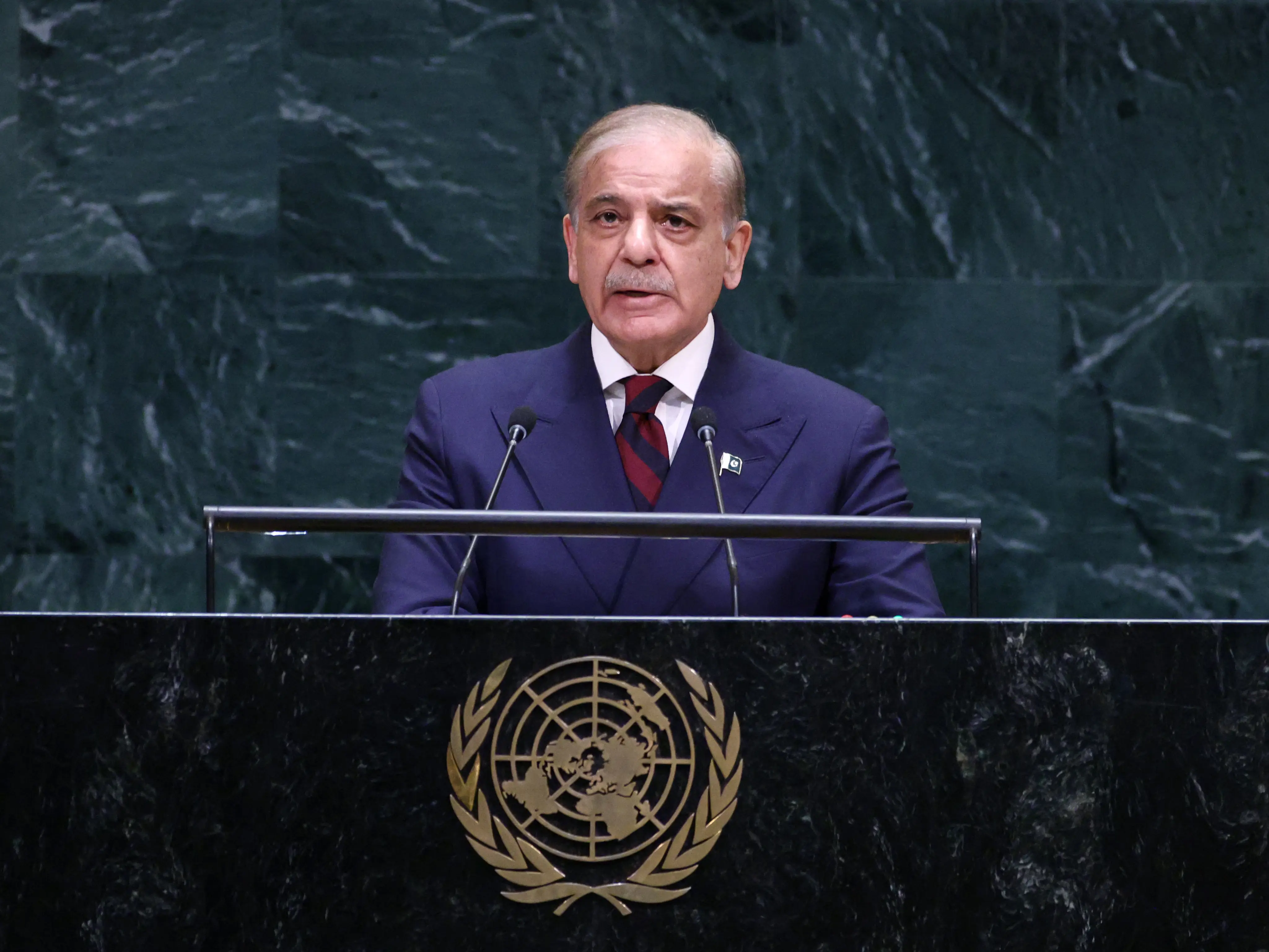)
‘Attack on Mecca a red line for Pakistan’: Shehbaz Sharif warns Houthis at UN
)
Gaza's war turned environmental damage into second crisis
)
US court backs Pentagon's decision to exclude Anthropic over Claude AI restrictions
With its retro-inspired styling faithful to the 1967 Mustang, the Charge Cars creation appeared to be a worthy competitor to other electrified classics, such as Dodge's Charger Daytona EV concept, which drew inspiration from the iconic 1969 Daytona. However, as events would later reveal, appearances can be deceptive.
It's worth noting that while Ford itself offers an electric vehicle bearing the Mustang name – the Mustang Mach-E crossover – this model shares little in common with the traditional Mustang muscle car beyond its branding.
In contrast, the Charge Cars 1967 Mustang aimed to preserve the essence and aesthetic of the original while incorporating an advanced electric powertrain and modern technology, including a distinctive closed front end.
Charge Cars had plans to produce a limited run of just 499 examples, each customised to the specific preferences of individual customers. The company established a showroom in Monaco to cater to potential clients, a location choice that hinted at the exclusive nature of the product. Indeed, the price tag reflected this exclusivity, with the electric Mustang starting at a hefty USD 450,000.
Despite the company's bold claims of "a legend reborn," the project met an untimely demise before it could truly come to fruition. Charge Cars failed to deliver even a single completed vehicle out of the planned 499-unit production run. Reports suggest that while the company had received several orders, they were unable to complete the assembly of any cars, leaving eager customers empty-handed.
The financial troubles that plagued Charge Cars had far-reaching consequences. The company was forced to lay off its entire workforce, which comprised approximately 50 employees, according to Manufacturing Management. Adding to the company's woes, Charge Cars' sister company, Arrival, filed for bankruptcy in February, further complicating the situation.
Despite these setbacks, Charge Cars has expressed a desire to find a way to "get back on track." However, the path forward remains uncertain, and the dream of bringing an electrified classic Mustang to market seems to have stalled, at least for now. The story of Charge Cars serves as a cautionary tale in the rapidly evolving landscape of electric vehicle startups, highlighting the challenges and risks involved in bringing ambitious automotive projects to fruition.